21 Ombre Hair Colors You Need to See Before Your Next Salon Visit
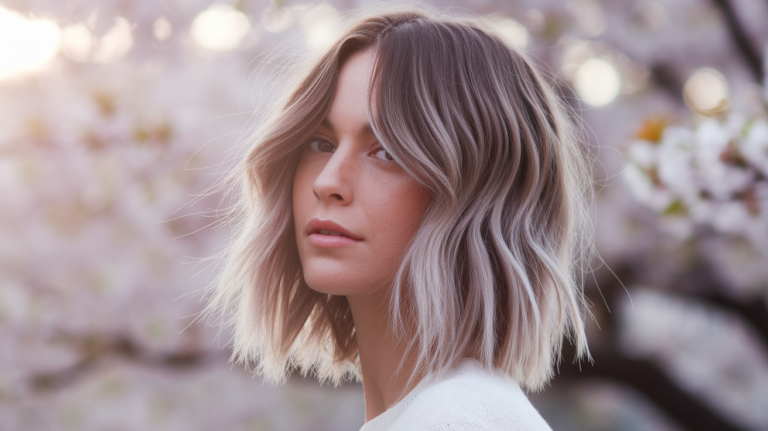
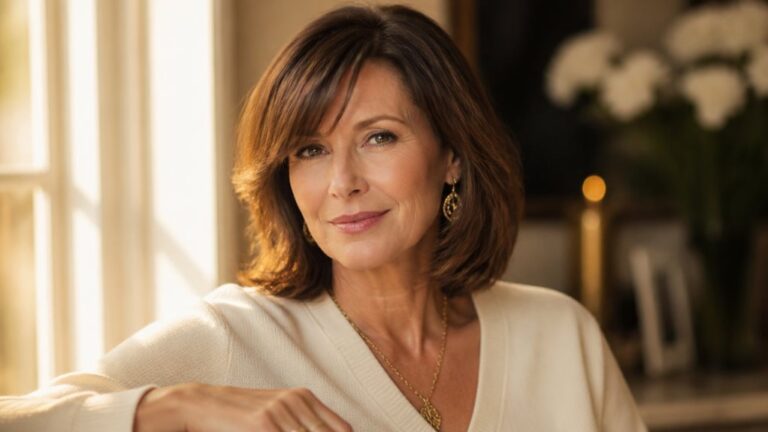
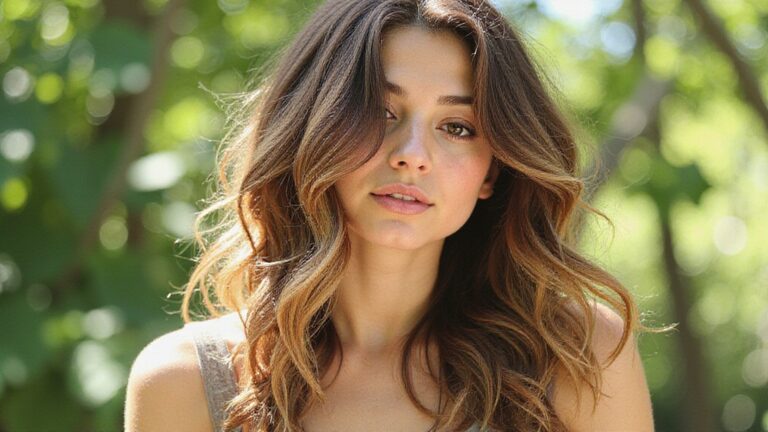
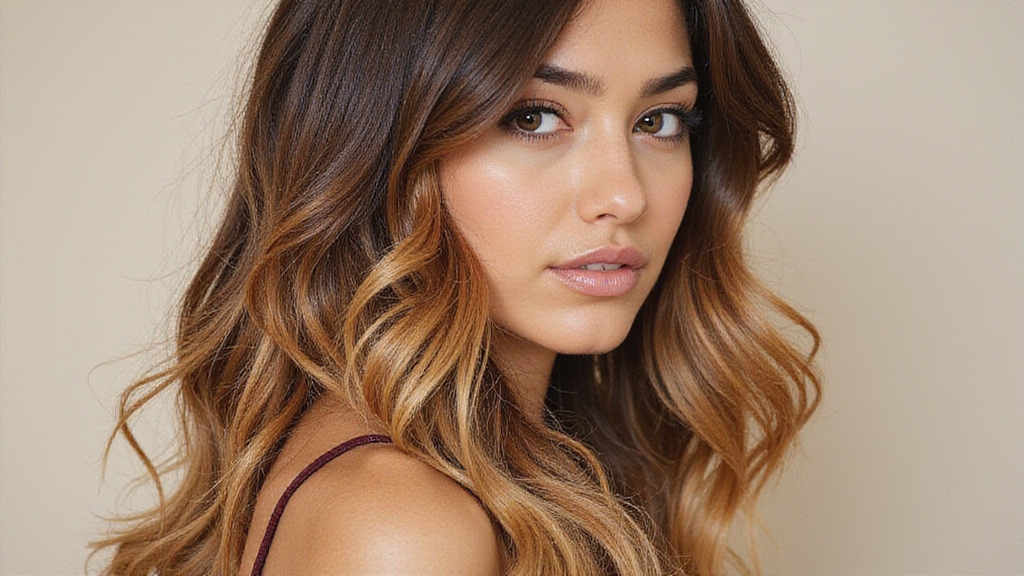
Ombre hair creates a stunning gradient effect, transitioning from darker roots to lighter ends for instant depth and dimension. You’ll find options ranging from classic brown-to-caramel and chocolate-to-honey blonde to bold dark-root-to-platinum statements.
Your hair type, skin tone, and lifestyle all influence which gradient works best for you. Warm undertones pair beautifully with golden transitions, while cool undertones suit ash and silver fades. Keep exploring to discover all 21 transformative options.
Classic Brown to Caramel Ombre Hair
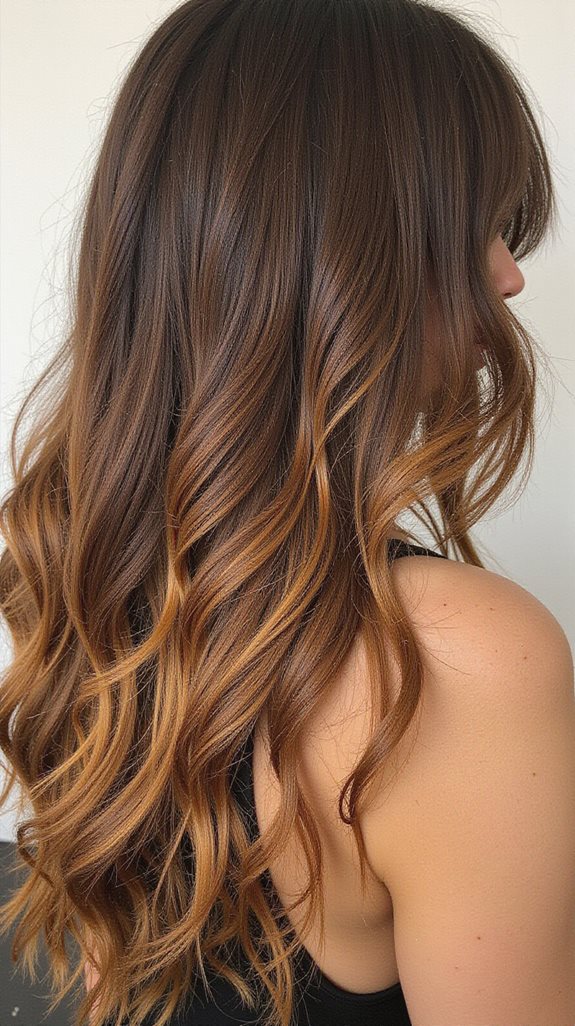
The classic brown to caramel ombre is one of the most timeless and universally flattering color transitions in hair styling. This look is achieved by darkening the roots to a rich chocolate brown while allowing caramel highlights to naturally illuminate mid-lengths and ends.
Precise sectioning and controlled bleaching create seamless fades that avoid harsh demarcation lines. A balayage method is typically used, with pigment painted freehand to mimic sun-kissed depth and dimension.
Toning every six to eight weeks preserves caramel vibrancy and prevents brassiness. This transition suits virtually every skin tone and works beautifully across straight, wavy, and curly hair textures.


Sun-Kissed Blonde Ombre for Brunettes
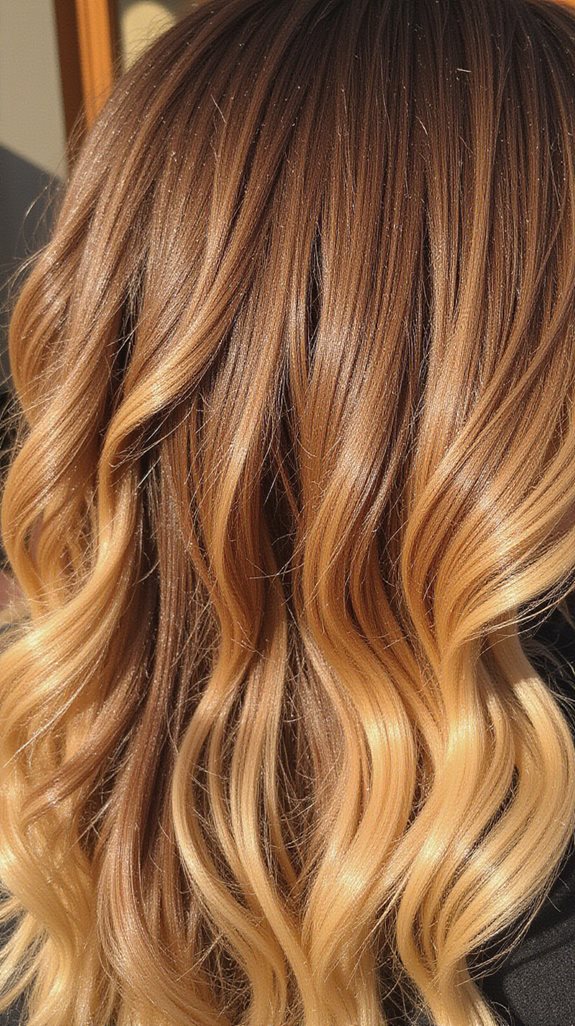
Sun-kissed blonde ombre transforms brunette hair by gradually blending lighter tones from the mid-shaft to the ends, leaving the roots naturally dark for a seamless, dimensional look.
Balayage techniques are most effective here, as freehand painting mimics the way sunlight naturally lightens hair. Developer strength—20 or 30 volume—should be chosen based on your base depth, with darker hair requiring stronger formulations.
After lifting, toning with warm golden or honey blonde shades eliminates unwanted brassiness and creates a polished, cohesive finish.
Purple or blue shampoos used bi-weekly help maintain tone vibrancy between salon visits. Deep conditioning treatments and gloss appointments every six to eight weeks keep chemically processed hair healthy and the color contrast looking fresh.


Dark Root to Platinum Blonde Ombre
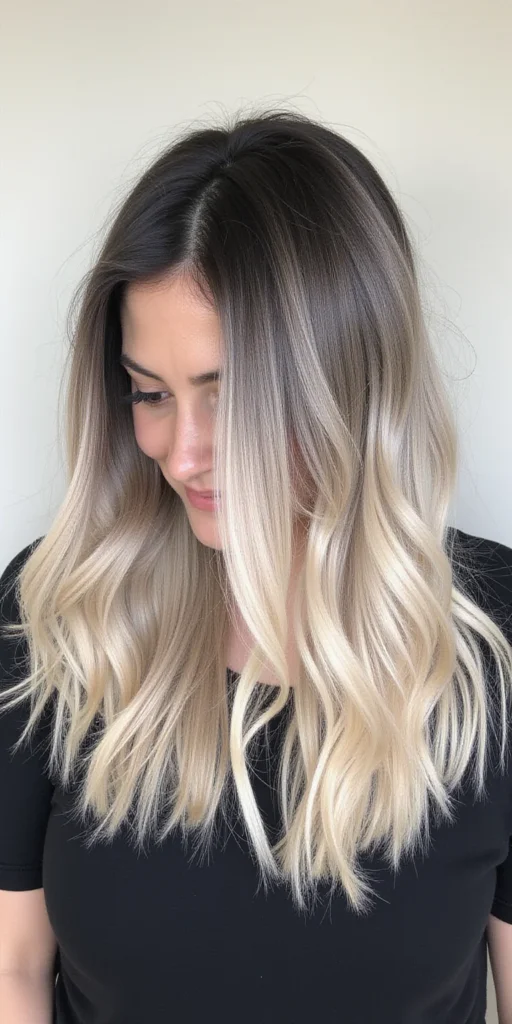
The intentional contrast between deep roots and bright ends creates a dimensional, lived-in effect rather than the appearance of neglected regrowth.
Sustaining this look demands consistent upkeep, including weekly purple shampoo use and regular deep conditioning to combat dryness from the lifting process.
Toner refresh appointments every six to eight weeks keep brassiness from dulling the platinum. Professional application is strongly recommended, as uneven developer use at home can lead to patchy lifting and unwanted warm tones.


Chocolate to Honey Blonde Ombre Hair
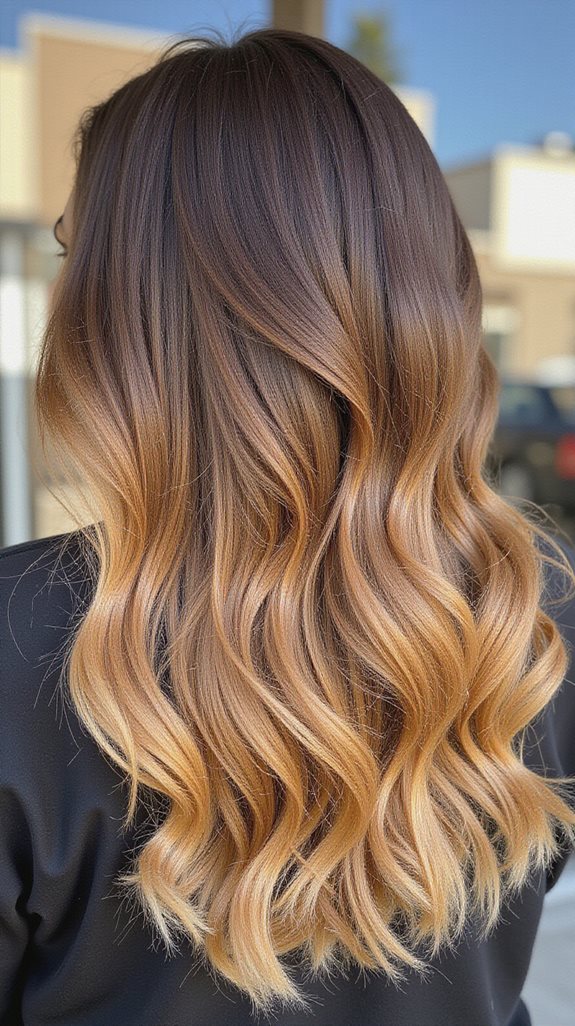
Chocolate to honey blonde ombre is a warm, seamless color transition that moves from rich brown roots into golden blonde ends. This technique works within a forgiving color range, making it far less damaging than more extreme lightening processes. The result is a dimensional, sun-kissed look that flatters a wide range of skin tones.
A colorist achieves this look using balayage or hand-painting techniques, lifting the mid-shaft three to four levels for a natural gradient effect.
Keeping the hair healthy between appointments is simple with sulfate-free shampoo, monthly bond-strengthening treatments, and a gloss refresh every six weeks. These steps preserve warmth, vibrancy, and overall hair integrity.


Black to Burgundy Ombre for Bold Women
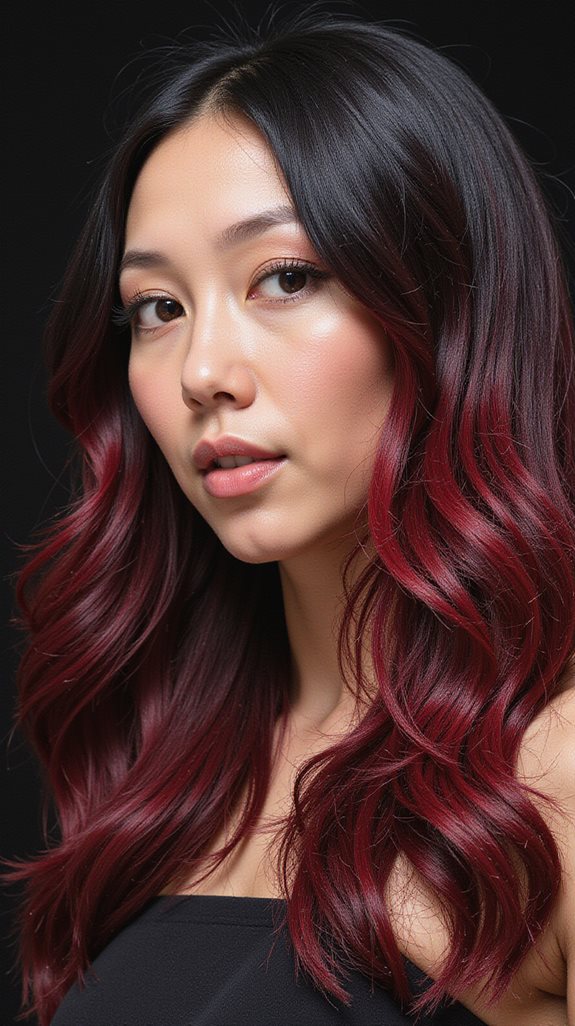
Black to burgundy ombre is a bold, high-contrast color technique that blends deep black roots into rich, wine-toned ends for a dramatic effect.
The transition typically occurs at the mid-shaft, creating a seamless gradient that adds dimension and depth. This style suits women who want a striking look without compromising the richness of dark hair.
This technique works best on naturally dark hair, using balayage or foilayage to lift strategically before depositing burgundy toner or direct dye.
Color-safe, sulfate-free shampoo and weekly conditioning masks help maintain vibrancy. Glossing treatments every four to six weeks keep the burgundy saturated and prevent fading.


Soft Ash Brown to Silver Ombre Hair
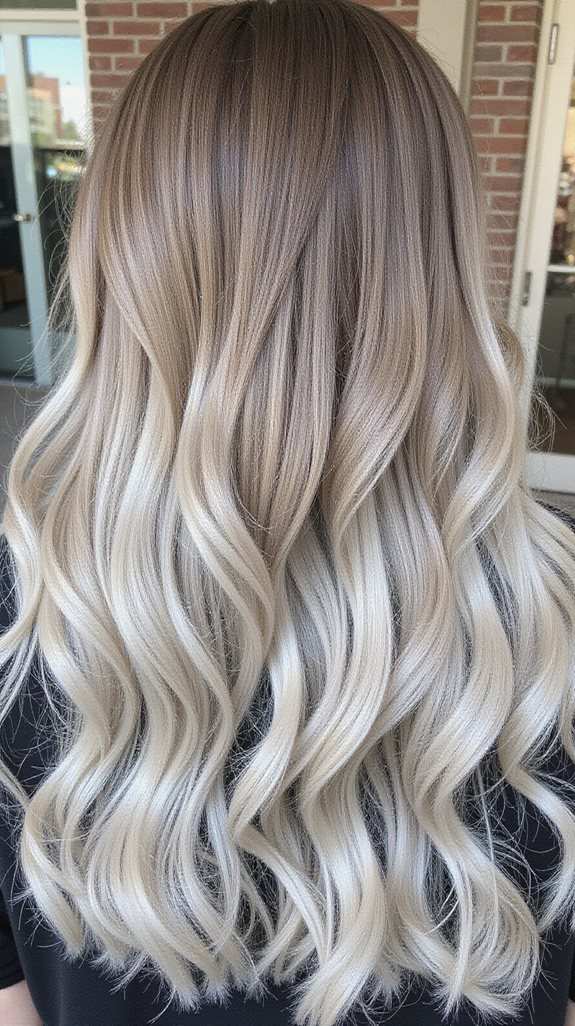
Soft ash brown to silver ombre creates a cool-toned gradient that transitions naturally from muted brown roots into metallic silver ends.
Ash gray techniques neutralize warm undertones during bleaching, while a violet or blue-pigmented toner eliminates brassiness before the silver shade is applied. Your colorist should feather the blending zone carefully to avoid harsh demarcation lines.
Purple shampoo used twice weekly counteracts yellowing and keeps silver tones vibrant between salon visits.
Deep conditioning is essential, as bleached ends lose moisture rapidly and benefit from regular hydration treatments.
Touch up roots every eight to ten weeks to preserve the seamless gradient and maintain a polished, intentional finish.


Copper and Auburn Ombre Hair Color
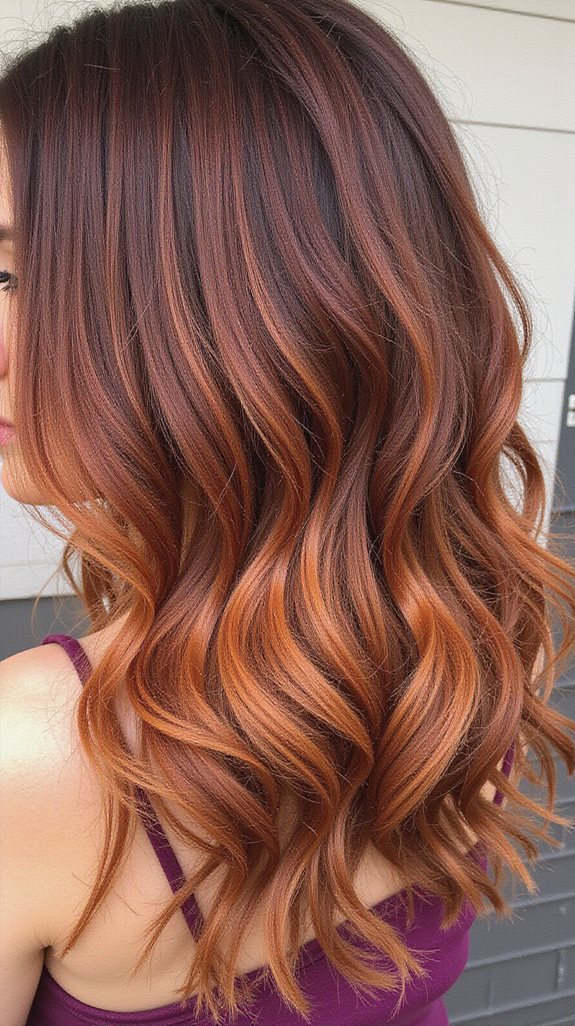
Selecting auburn shades that complement your natural undertones — golden, red, or chestnut — ensures the most dimensional and flattering results.
Balayage or foil techniques applied through the mid-lengths and ends achieve seamless, natural-looking gradients.
Maintaining this color requires sulfate-free shampoos designed for color-treated hair, paired with toning products rich in red and orange pigments to preserve vibrancy between salon visits.
Gloss treatments every four to six weeks refresh the copper and auburn tones, keeping the ombre polished and true to its original warmth.


Dark Brown to Rose Gold Ombre Hair
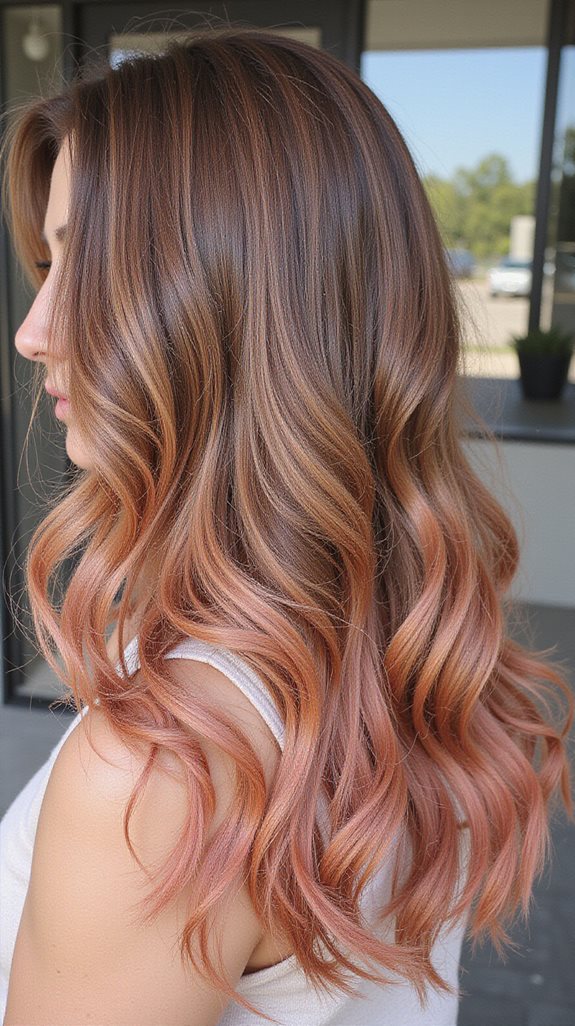
Achieving this look requires a bleaching stage to lift the mid-lengths and ends to a pale yellow before applying a custom rose gold blend of pink, peach, and gold toners. Skipping pre-lightening produces muddy, muted results rather than the luminous metallic finish this style demands.
Maintaining this color requires sulfate-free, color-safe shampoos paired with weekly rose gold toning conditioners to counteract fading.
Rose gold pigments are notoriously transient on porous, previously lightened hair, making color refresh appointments every six to eight weeks essential.


Black to Deep Plum Ombre Hair Color
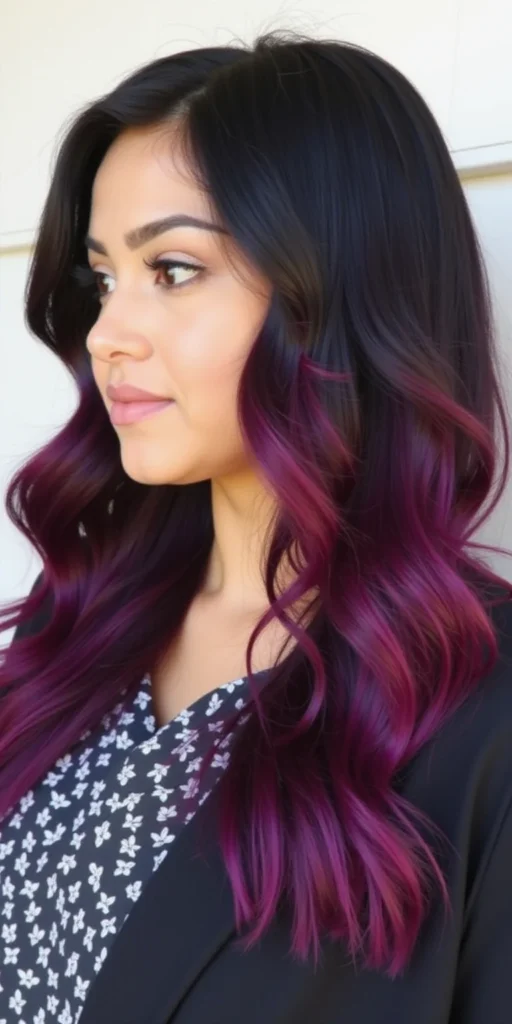
Black to deep plum ombre is a stunning dark-to-dark color transition that works beautifully because both shades share a cool, rich base. The minimal color contrast means less aggressive lightening is needed, keeping hair damage low while still achieving a bold, dimensional look.
Maintaining plum tones requires consistent care, as violet pigments fade faster than most colors. A sulfate-free shampoo and color-depositing conditioner used weekly will help preserve the depth and richness of the plum.
Toning every four to six weeks prevents the shade from shifting toward unwanted red or brassy tones.


Warm Chestnut to Golden Blonde Ombre
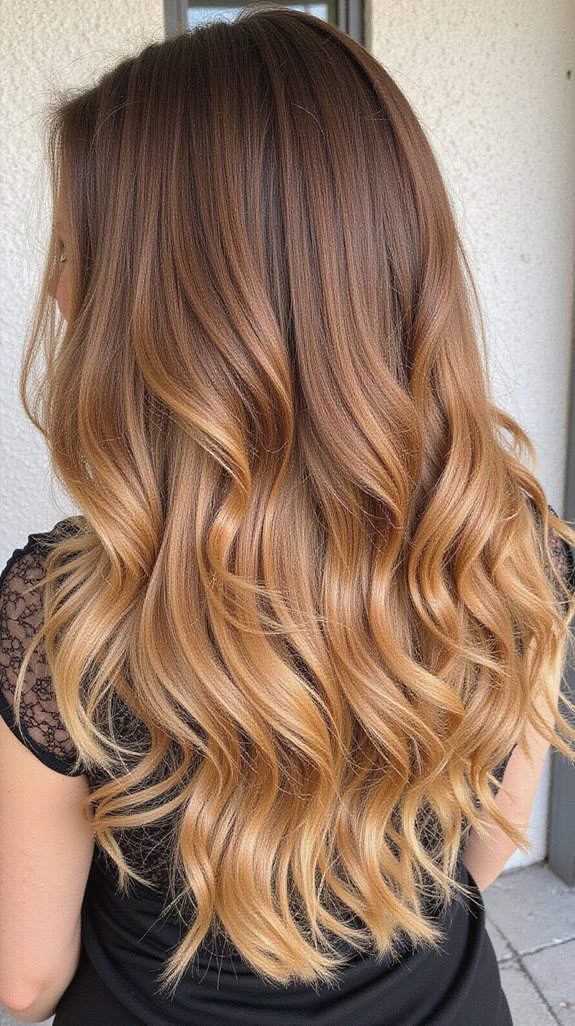
The transition anchors at warm chestnut roots, blending seamlessly into golden blonde tones through the mid-lengths and ends. Stylists use a balayage technique, feathering lightener freehand to eliminate harsh demarcation lines.
A golden or honey-based toner is applied to neutralize brassiness and enhance the warm, dimensional finish.
This colorway performs best on medium to dark base shades, where underlying warmth supports a cohesive result.
Color-safe, sulfate-free shampoo and weekly deep conditioning treatments keep the ombre looking vibrant.


Navy Blue to Teal Ombre Hair Color
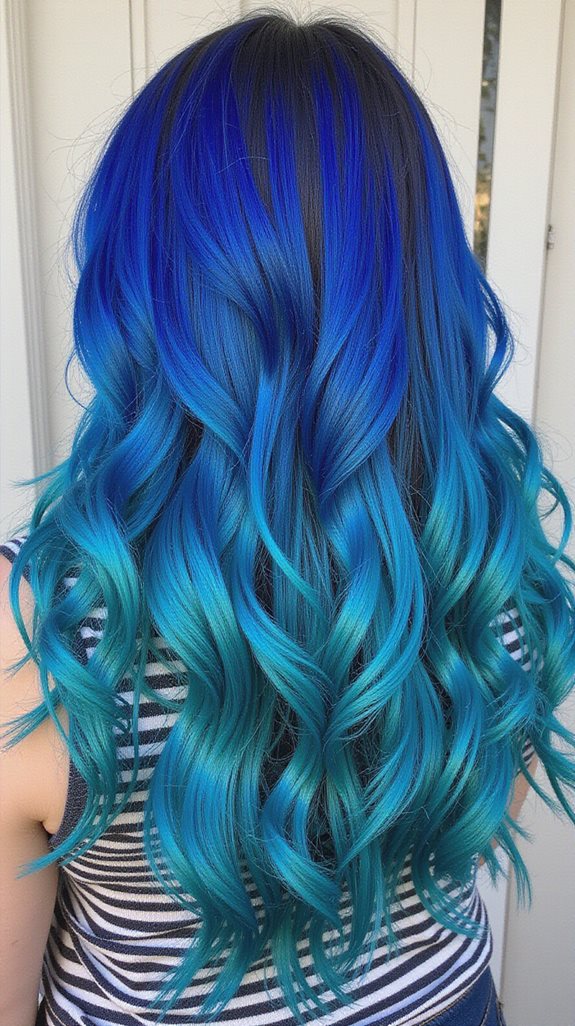
Navy blue to teal ombre is a breathtaking oceanic gradient that flows from deep, ink-saturated roots into vibrant teal mid-lengths and ends.
Pre-lightening is essential for accurate color deposition, especially when starting from dark natural hair. Strategic sectioning ensures a seamless blend between the two shades.
Apply navy blue from roots to mid-shaft, then use a balayage brush to blend teal at the transition point. Work quickly to prevent harsh lines before the colors dry.
Color-depositing shampoos formulated for blue and green pigments help maintain vibrancy, with color refreshes needed every four to six weeks.


Red to Orange Fire Ombre Hair
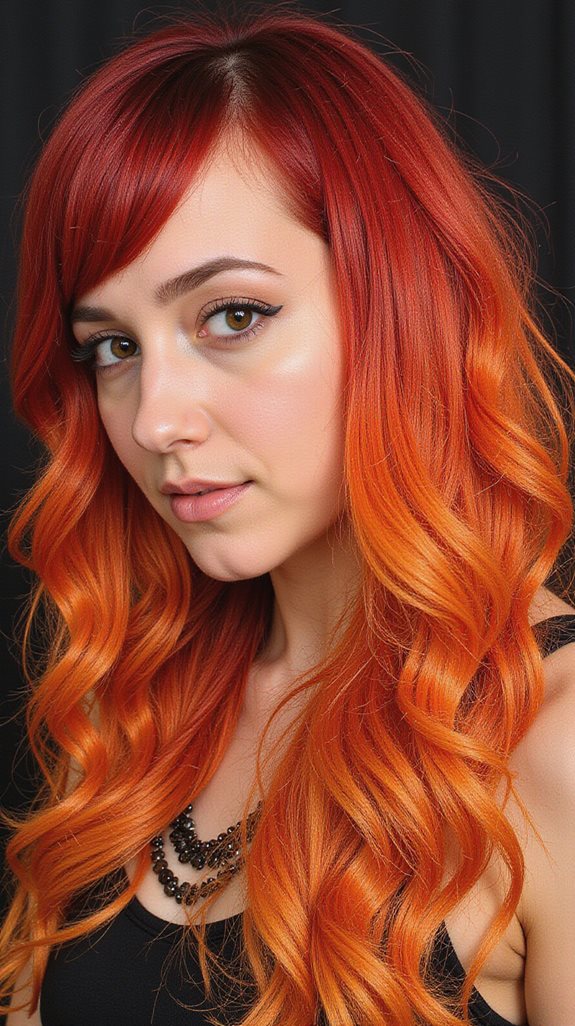
Choose copper-red permanent color for the roots, layering in burnt orange and bright tangerine toward the tips for seamless dimensional depth.
Maintaining this vivid style demands consistent upkeep every six to eight weeks, as red pigment molecules tend to fade the fastest.
Sulfate-free shampoo, cold-water rinses, and UV-protective styling products help preserve color intensity between salon visits.


Pastel Pink to Lavender Ombre Hair
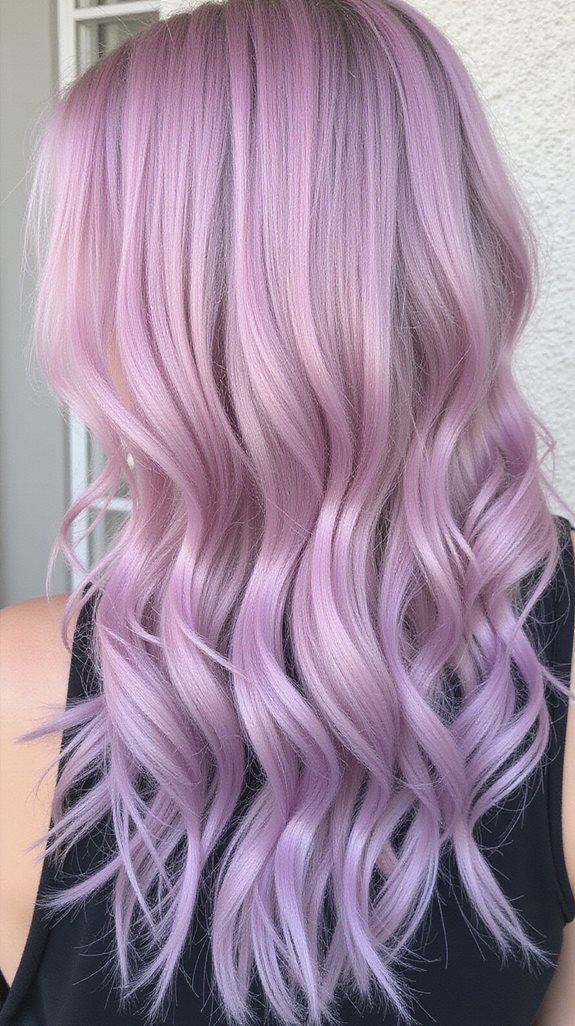
This cool-toned combination ranks among the most popular pastel pairings in current trends, drawing inspiration from artists like Ariana Grande and Billie Eilish.
Achieving this look requires precise techniques like balayage or foil-highlighting to ensure smooth color diffusion without muddiness.
Maintaining the vibrancy demands sulfate-free shampoos and toning sessions every four to six weeks.


Natural Black to Midnight Blue Ombre
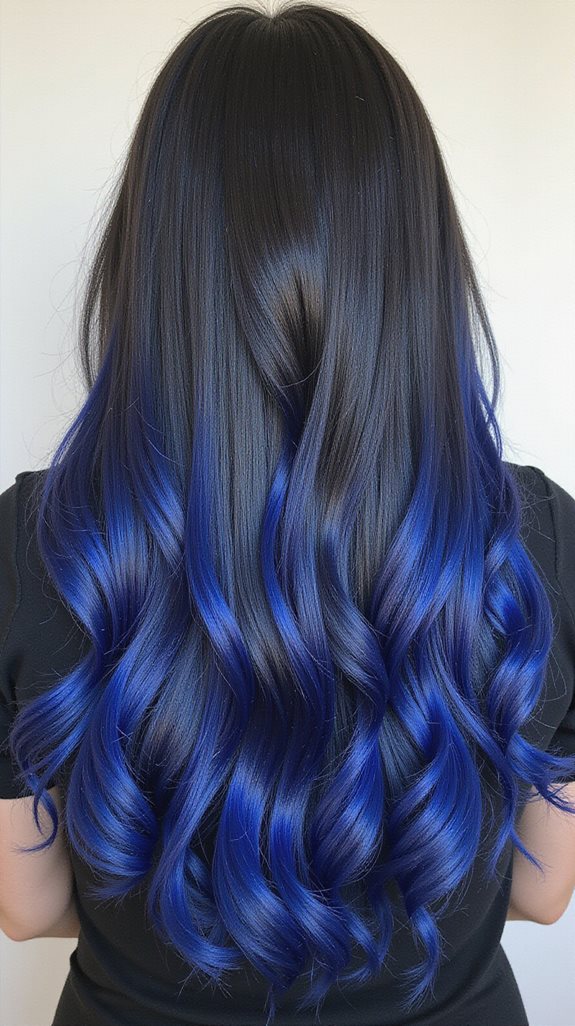
The transition appears subtle in natural light but reveals rich depth under artificial or direct sunlight. This makes it an ideal choice for those wanting a bold color statement that remains workplace-appropriate.
Achieving this look requires pre-lightening the ends to a level 6 or 7 before applying midnight blue toner.
The pigment is applied from mid-shaft to ends using a balayage brush, blended upward for a seamless gradient. Bond-building treatments during the lightening process help preserve hair health and structural integrity.


Sandy Blonde to Platinum Ombre Hair
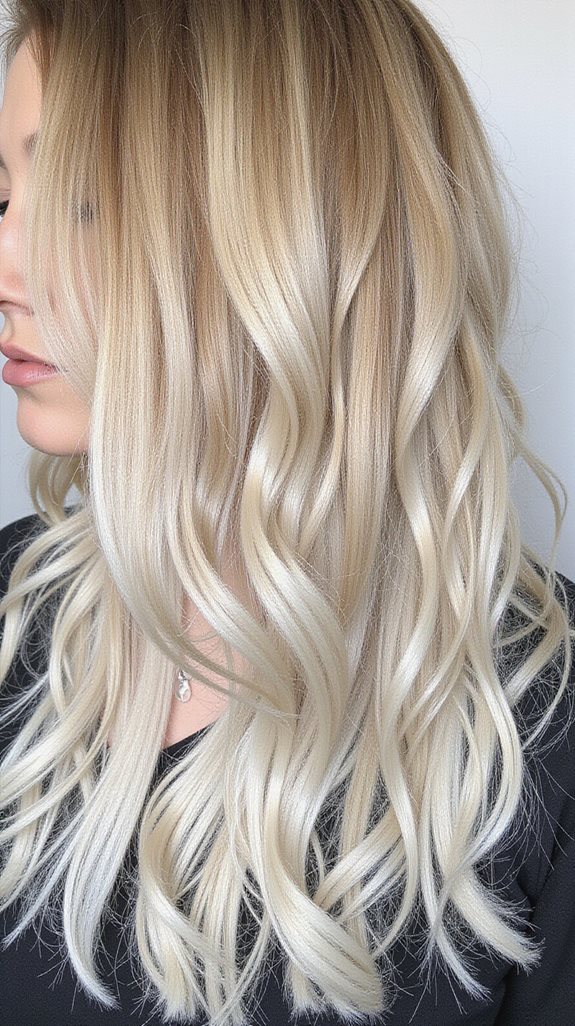
Sandy blonde to platinum ombre is a stunning gradient that transitions from warm, sun-kissed tones at the roots to an icy, bright finish at the ends. This look works best on hair already within the level 7–8 range, reducing the amount of lift needed to achieve true platinum results.
The blending process relies on feathering or balayage techniques to create a seamless fade through the mid-shaft, avoiding harsh color banding.
Keeping this style looking fresh requires violet-based toning every four to six weeks alongside bond-strengthening treatments to maintain hair integrity.


Mushroom Brown to Ash Blonde Ombre
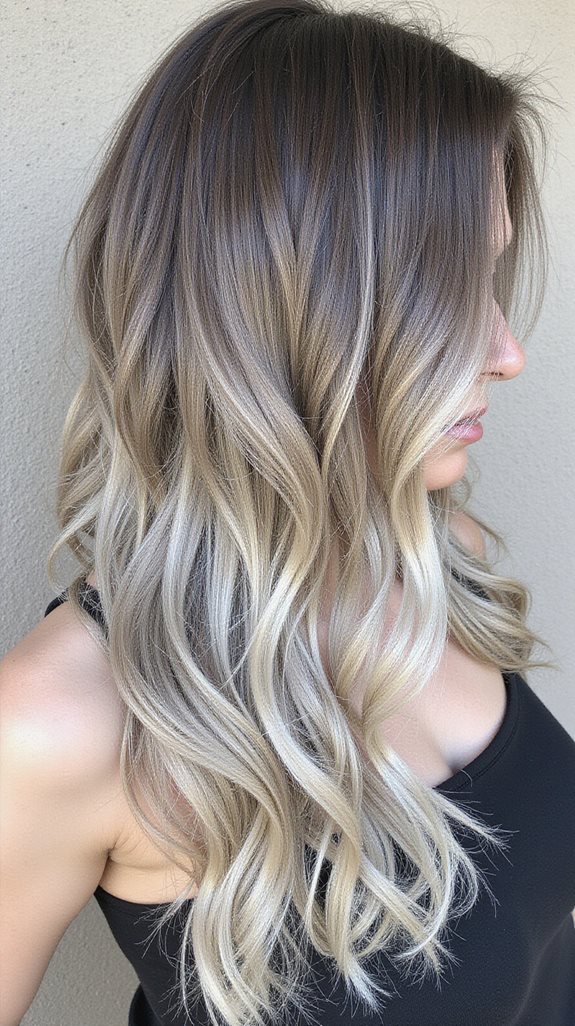
This combination delivers an understated, editorial finish without aggressive lightening or high-contrast lift. Colorists achieve this by lifting the ends two to three levels and toning with violet-based ash formulas to suppress warmth.
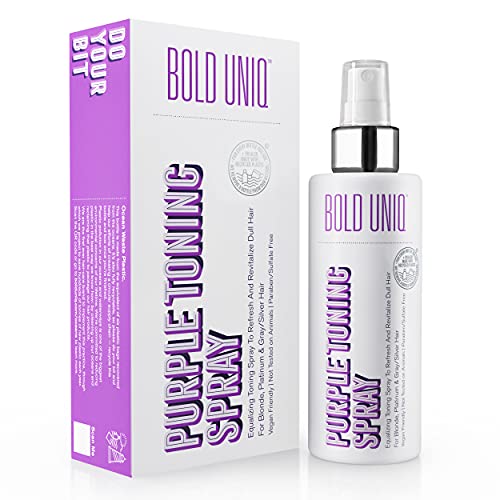
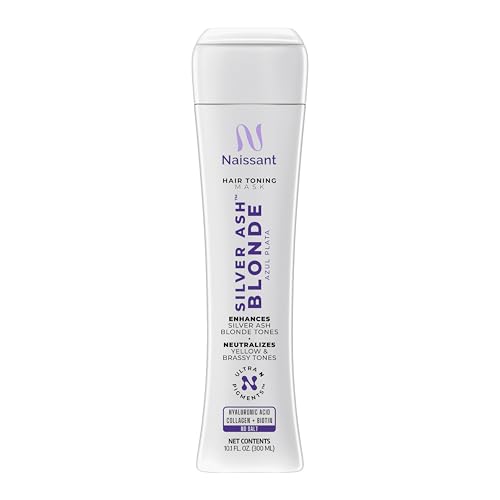
Maintaining this look requires a sulfate-free, color-safe shampoo and a weekly toning mask to preserve ash clarity.
Mushroom brown roots grow out naturally with minimal upkeep, making this a strong choice for low-maintenance color. Refresh your toner every six to eight weeks to keep brassiness from surfacing through the blonde sections.

Purple to Magenta Ombre Hair Color
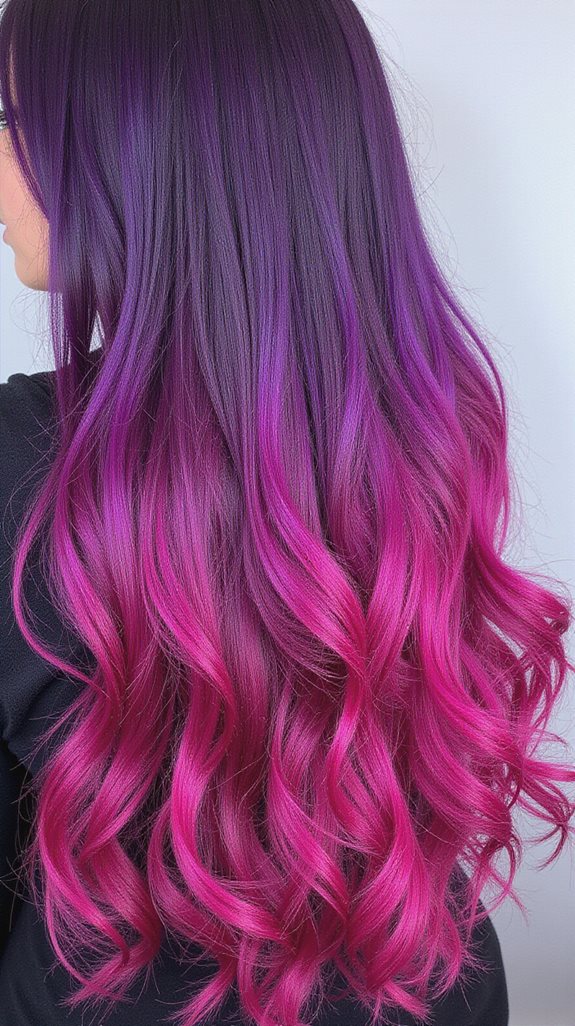
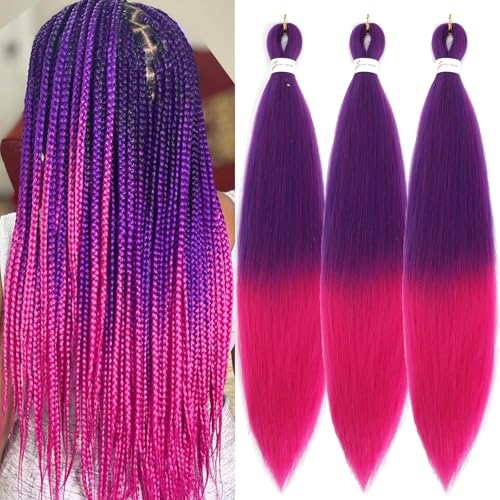
Purple to magenta ombre creates a vivid chromatic shift that moves from deep violet at the roots through berry and fuchsia mid-tones before landing on a bright, blue-based magenta at the ends.
This gradient technique uses color-blocking sections to blend each purple shade seamlessly into magenta hues, producing bold, eye-catching contrasts.
Pre-lightening dark bases to level 9 ensures true pigment saturation across the full color range.
Sulfate-free shampoo and cold rinses help preserve intensity, while styling choices like beachy waves or sleek straight looks enhance the gradient’s visual dimension.

Mocha Brown to Peach Ombre Hair
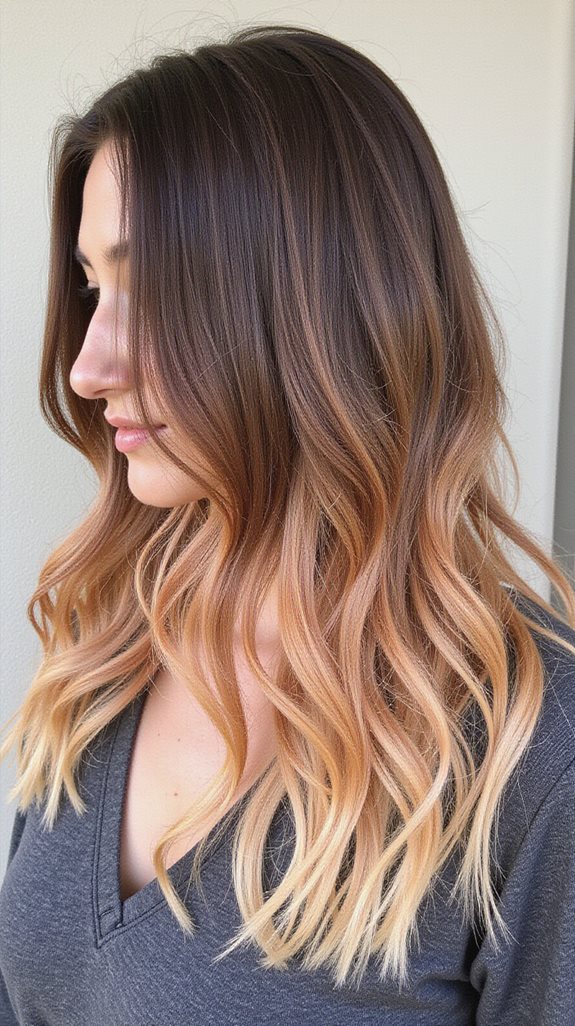
Starting at a Level 4–5 deep mocha root, the color transitions through caramel mid-lengths before finishing with a soft peach at the tips. This combination flatters a wide range of skin tones without requiring aggressive lightening.
A bond-protecting treatment during the bleaching phase preserves structural integrity and keeps the hair healthy through the color process.
A peach toner formulated with pink and orange pigments eliminates unwanted brassiness, while regular deep conditioning maintains a smooth transition zone.
Refreshing the toner every four to six weeks keeps the peach ends vibrant and dimensional.


Balayage Ombre for Curly Hair Types
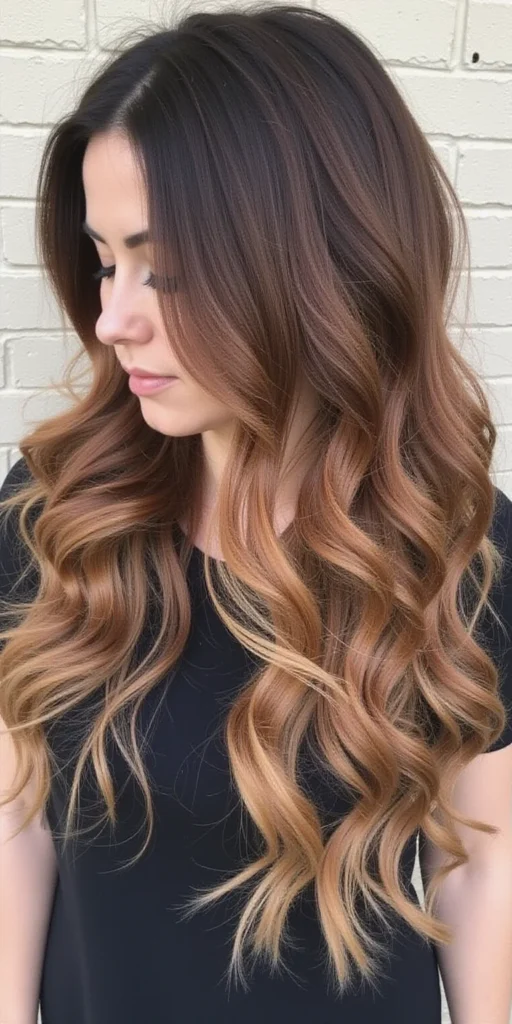
Balayage ombre is a natural match for curly hair, as its freehand painting technique follows each curl’s unique pattern and movement. Color is applied to mid-lengths and ends, leaving roots darker to create authentic dimension that enhances the curl’s rotation.
Strategic sectioning is essential when applying balayage to curly hair. Tighter coils need concentrated color on exposed curl tops, while looser waves work well with broader strokes.
Deep conditioning before your appointment improves color penetration, with processing times typically ranging from 30 to 45 minutes based on curl density.


Short Hair Ombre Color Ideas That Work
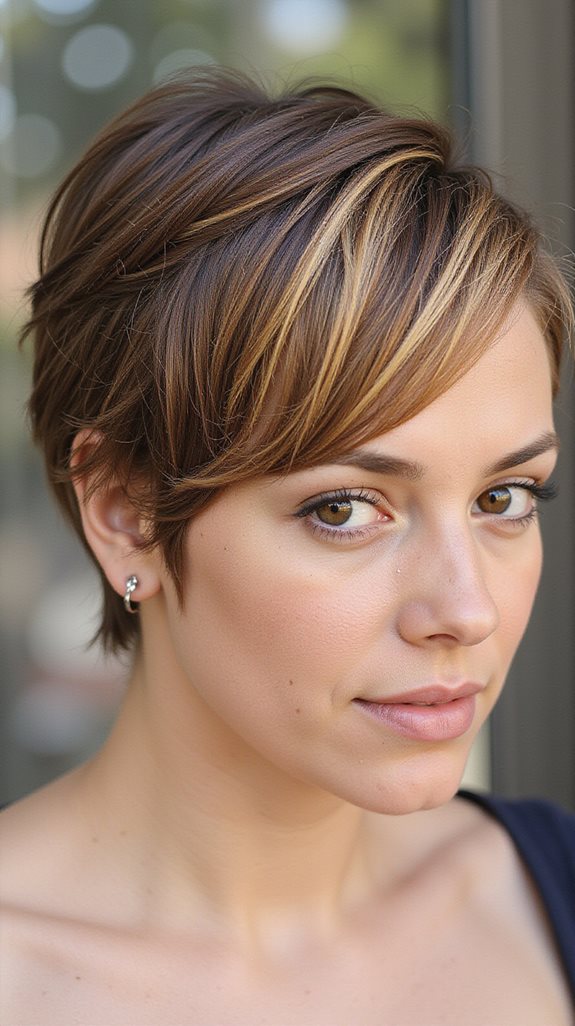
Short hair opens up a world of ombre possibilities, with compressed color transitions creating striking visual impact within tighter sections.
Pixie cuts and bobs respond beautifully to root-to-tip gradients using vibrant hues like cobalt or cherry red, delivering bold results despite minimal length.
Pastel shades like lavender or peach work particularly well on short styles, where fading reads as intentional rather than neglected.
Sectioning precision is critical here, as uneven blending becomes immediately visible on shorter cuts, making technical accuracy non-negotiable.


Which Ombre Hair Color Suits Your Skin Tone?
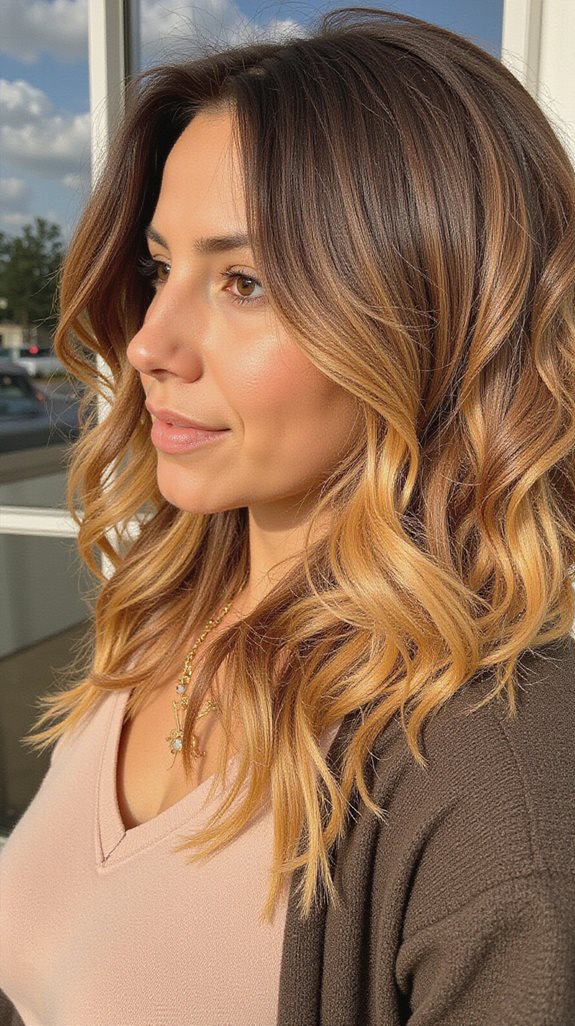
Identifying your skin’s undertone—warm, cool, or neutral—is the foundation of choosing an ombre palette that creates harmony rather than visual dissonance.
Warm undertones pair beautifully with transitions from chestnut or caramel roots toward honey or golden ends. Cool undertones are best complemented by ash brown bases that fade into platinum or cool beige shades.
Placement precision plays an equally critical role in how ombre interacts with your skin tone.
Darker roots positioned too low can amplify paleness on fair skin, while high-contrast placement can overwhelm deeper complexions. Transition zones work best at mid-shaft for medium skin tones and closer to the ends for deeper tones.
Frequently Asked Questions
How Long Does Ombre Hair Color Typically Last Before Fading?
Your ombre color typically lasts six to eight weeks before fading. Apply fading prevention techniques like sulfate-free shampoo and UV protectants. Follow ombre maintenance tips—use color-safe conditioners and limit washing—to extend vibrancy significantly.
Can Ombre Hair Be Done in a Single Salon Appointment?
Yes, you can achieve ombre in a single salon appointment. Skilled colorists apply ombre techniques efficiently, completing color blending within two to four hours, depending on your hair’s length, thickness, and desired gradient complexity.
Does Ombre Hair Color Cause Significant Damage to Your Hair?
Ombre techniques don’t significantly damage your hair when a skilled colorist applies them correctly. You’ll maintain better hair health since lightening concentrates on the ends, leaving your roots and mid-lengths largely unaffected by chemical processing.
How Do You Maintain Ombre Hair Between Professional Salon Visits?
You’ll maintain ombre hair between salon visits through consistent home care routines: use color-safe, sulfate-free shampoo, apply toning treatments monthly, minimize heat styling, and follow strict color maintenance protocols with deep-conditioning masks weekly.
Is Ombre Hair Color Suitable for Chemically Treated or Relaxed Hair?
Yes, you can achieve ombre on chemically treated or relaxed hair, but you’ll need careful application. The technique benefits from lower-volume developers, while color variations must account for existing processing to prevent breakage and ensure vibrancy.
Finally
You’ve now got 21 proven ombre options to work with, each mapped to specific hair types, base colors, and skin tones. Whether you’re selecting classic brown-to-caramel or pushing toward platinum, your choice should align with your maintenance threshold and natural undertones.
Short hair, curly texture, bold burgundy—every variable has a compatible formula here. Match your selection precisely to your hair’s existing condition before committing to any color transition.