25 Plus Size 70s Outfit Ideas
70s fashion runs on volume and movement, a flared leg, a wide sleeve, a fabric with real drape, so most of the fit advice below comes down to balancing that volume rather than fighting it. A loose top over loose pants usually looks shapeless; the era’s best outfits pair one voluminous piece with something fitted or tucked.
Platform shoes and a defined waist show up across nearly every look here for the same reason: they’re what keeps all that fabric from swallowing the silhouette.
Bold Bell-Bottom Jeans
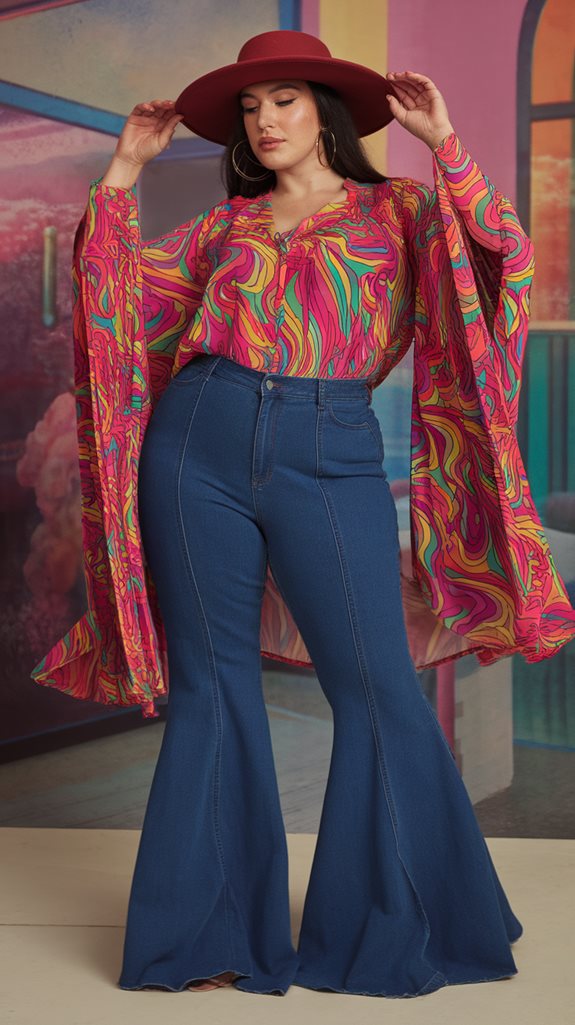
The flare on true bell-bottoms starts at the knee, not the ankle; a flare that starts higher up moves differently and doesn’t have the same swing as classic 70s denim. A fitted top through the hip is what makes the flare look like a deliberate silhouette instead of just baggy pants.
Platform heels or wedges are the traditional pairing, since the added height keeps the hem from dragging on the ground. Our plus size jeans guide covers more denim fits beyond this one silhouette.
Flowing Maxi Dresses
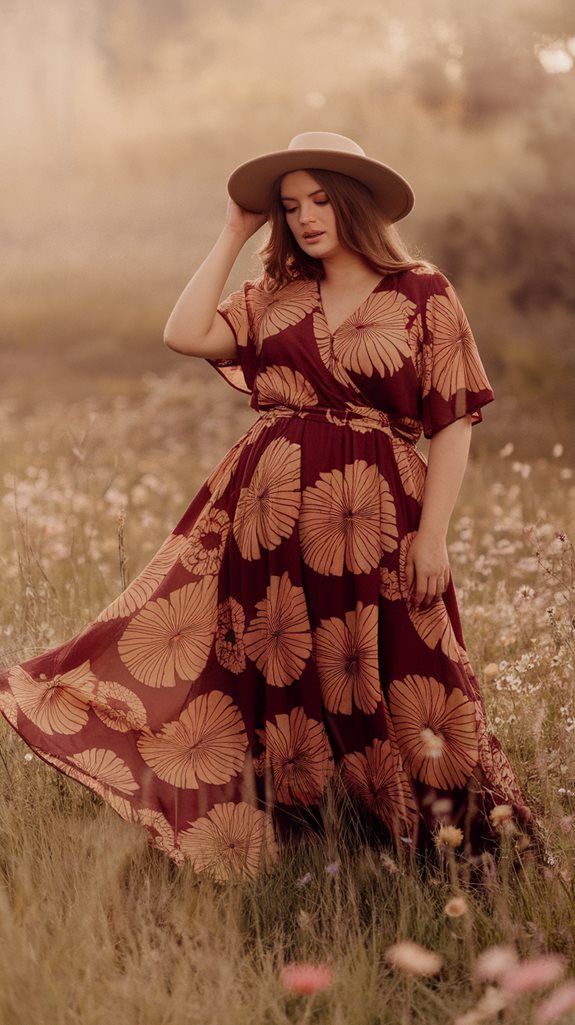
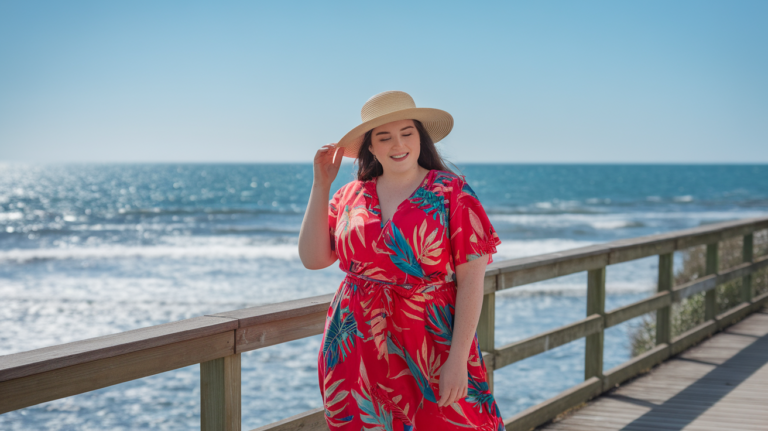
A wrap-style bodice, like this one, cinches at the waist without needing a separate belt, which is what keeps a flowing maxi from looking shapeless. Lightweight rayon or viscose drapes closer to the body than cotton does, which matters on a dress this long.
Platform sandals add height without a heel’s instability on uneven ground, useful since this length already skims the floor. A wide-brim hat balances the volume of the skirt without competing with the print.
Psychedelic Print Tunics
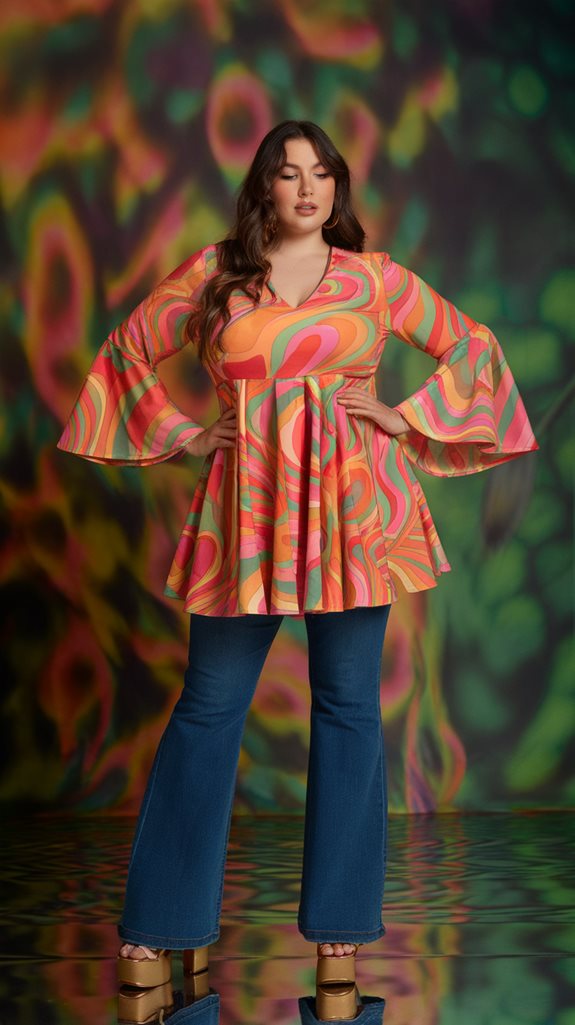
A tunic cut with an empire waist, gathered just under the bust, is what keeps a busy swirl print from adding bulk through the midsection. Bell sleeves this loose need enough room to move without catching on anything, worth checking before pairing with a fitted bottom.
Bell-bottom jeans underneath balance the volume up top; a skinny jean makes the tunic look bigger by contrast. Platform sandals in a solid color let the print stay the outfit’s only pattern.
Flared Jumpsuits
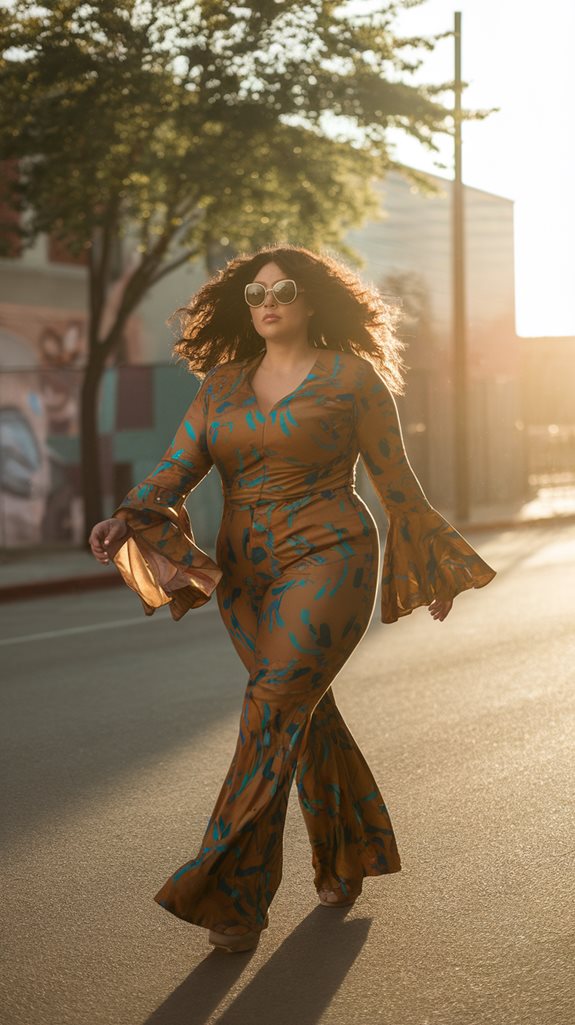
A jumpsuit’s flare works the same way bell-bottom denim does, starting at the knee, so the same fitted-through-the-hip rule applies even though it’s one piece instead of two. Bell sleeves at the wrist echo the leg’s flare, which is what makes the silhouette feel intentional rather than a loose top and wide pants sewn together.
A self-tie or fitted waist seam matters more here than on separates, since there’s no belt or tucked top to define the middle otherwise. Platform sandals keep the proportions balanced against the volume at both the sleeve and the hem.
Crochet Vests

An open-weave crochet vest needs a solid top underneath, not another pattern, since the granny-square construction is already visually busy on its own. The vest’s boxy, cropped shape works best layered over something with sleeves; crochet alone offers no coverage through the arms.
Wide-leg jeans balance the vest’s cropped length better than a fitted pant would, keeping the proportions from feeling top-heavy. Our boho outfit ideas cover more ways to layer texture like this.
Peasant Blouses
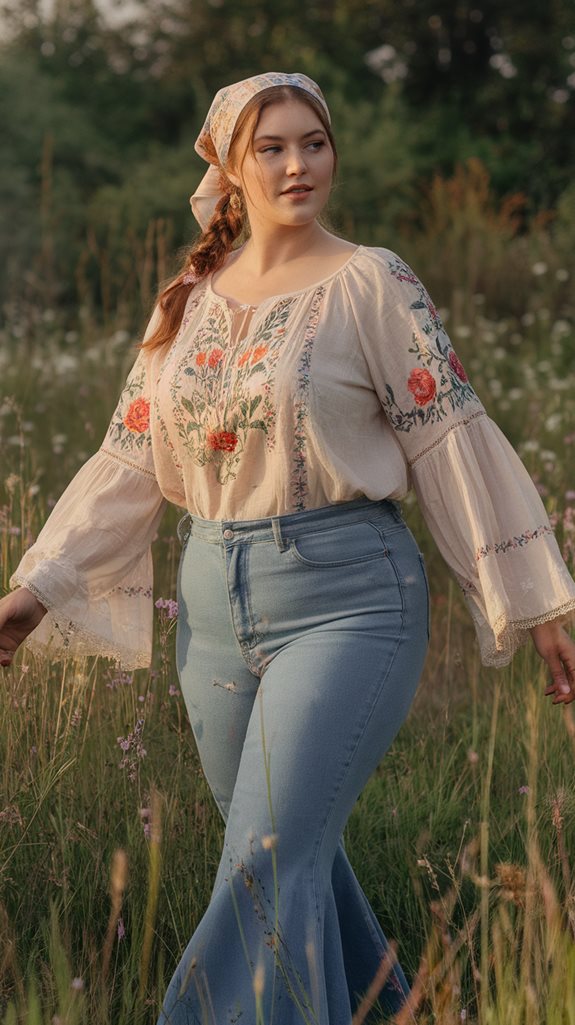
The gathered elastic at a peasant blouse’s neckline is adjustable on some styles, worn on- or off-shoulder, which changes how much embroidery detail shows at the collar. Bell sleeves this full need to be checked against long nails, jewelry, or anything else they might catch on through the day.
Tucking the blouse in only at the front, not fully, keeps the billowy shape from disappearing into a waistband. Our long jean skirt pairings show another way to style this same blouse silhouette.
High-Waisted Skirts
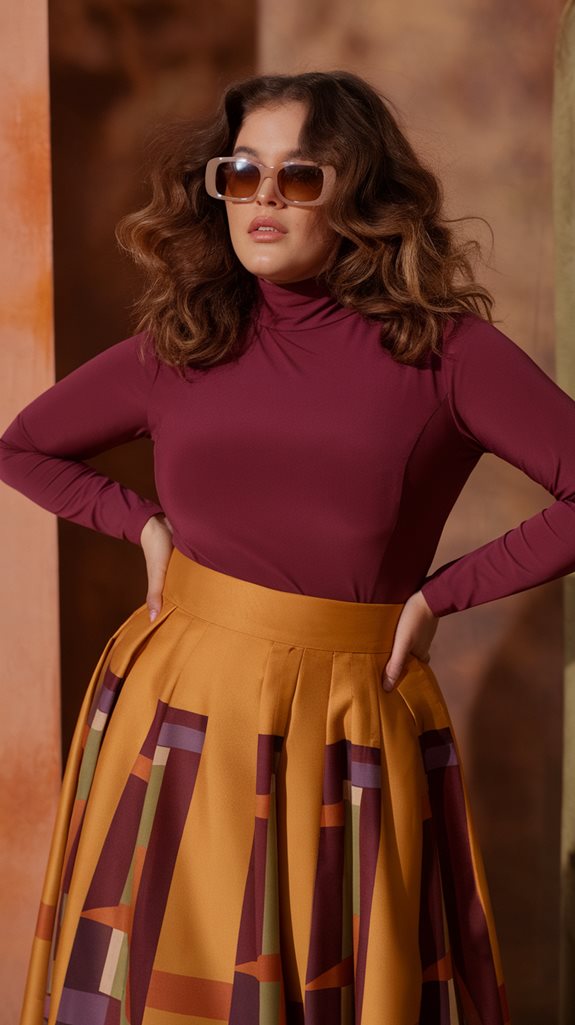
A pleated high-waisted skirt needs the waistband to sit right at the natural waist, the narrowest point of the torso, or the pleats lose their shape and just hang. A fitted top tucked in fully shows the waistband; anything untucked over it defeats the point of a high-rise cut.
Structured fabrics like satin hold pleats sharper through a full day than a soft jersey would. A turtleneck or fitted knit balances a skirt with this much volume without adding bulk up top.
Denim Overalls
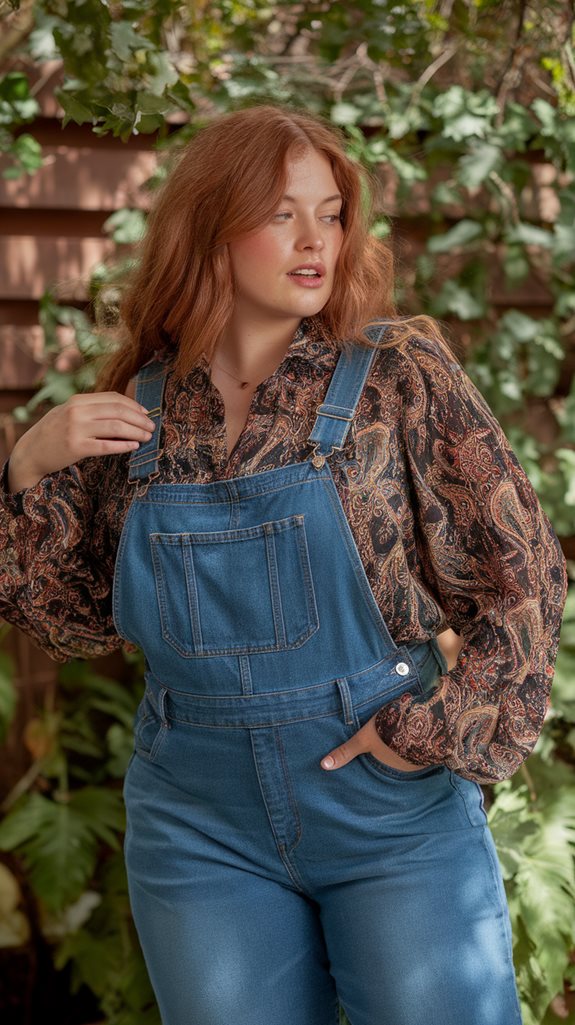
Adjustable straps matter more on overalls than almost any other 70s piece here, since the rise, how high the bib sits, changes the whole proportion of the outfit. A patterned blouse underneath shows through the overalls’ open sides and straps, so the print gets seen even though most of the body is covered.
Rolling the overalls’ hem once or twice shows off a boot or platform shoe instead of letting the denim pool at the ankle. Our denim skirt roundup covers another 70s-friendly denim silhouette.
Wide-Leg Trousers
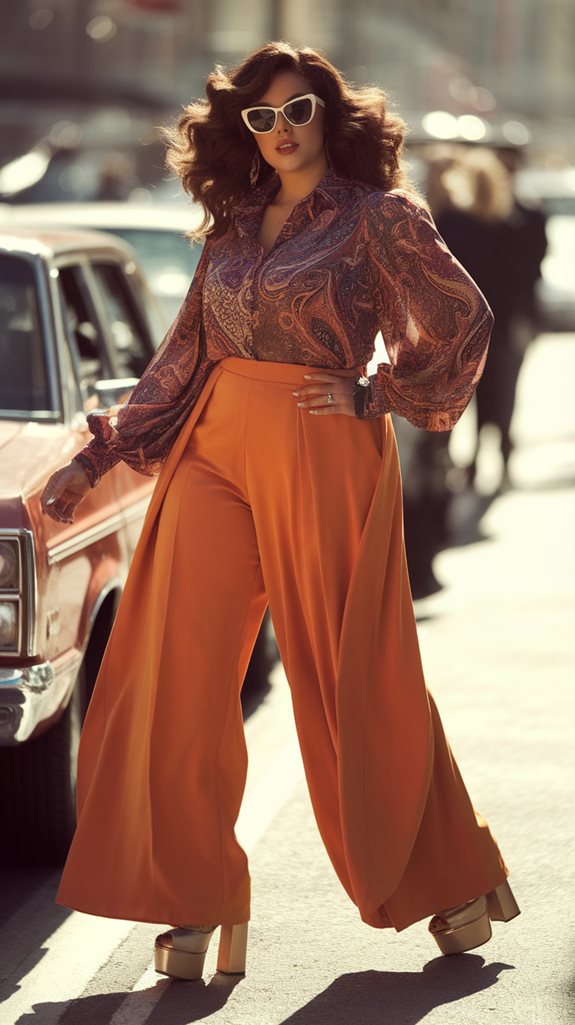
High-waisted wide-leg trousers elongate the leg more than a mid-rise cut does, since the waistband sits at the narrowest point and the fabric falls straight from there. A fitted or tucked top is what keeps the trousers from looking like one shapeless block of fabric top to bottom.
Platform heels add height that a wide leg otherwise visually shortens, since the extra floor-length fabric can compress the leg line at a glance. Structured fabric like wool crepe holds a straighter line through the leg than a soft jersey would.
Platform Shoes
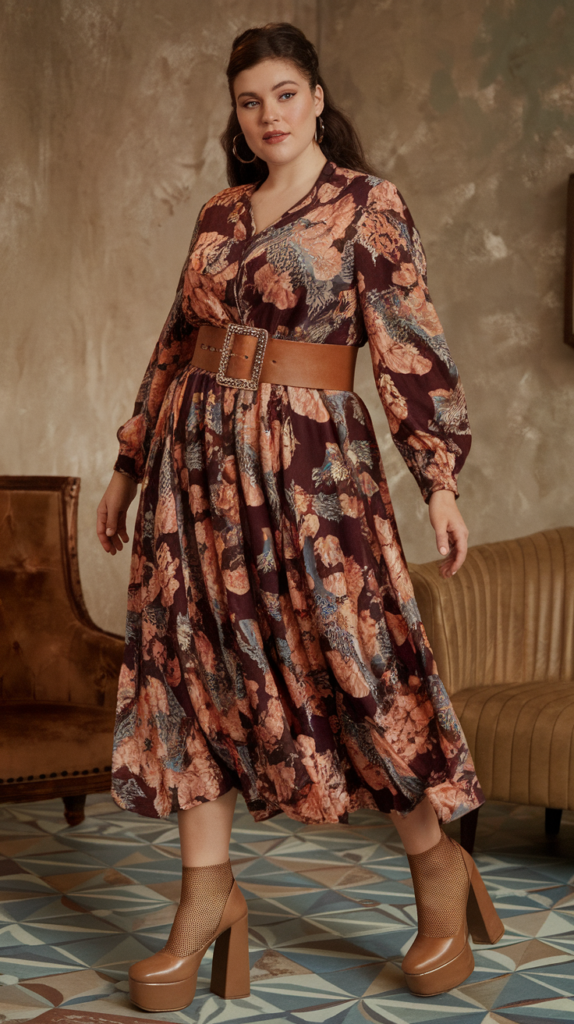
A platform’s front sole height matters as much as the heel height for comfort; a bigger gap between the two is harder to balance on than a heel and platform closer in height. Chunky heels distribute weight more evenly than a thin stiletto, part of why platforms feel more wearable for a full day out.
Bell-bottoms or a maxi length are the traditional pairing, since the platform’s height needs to show at the hem, not disappear under fabric. Ankle-strap styles hold more securely than a slide-on platform if there’s actual dancing involved.
Wrap Dresses
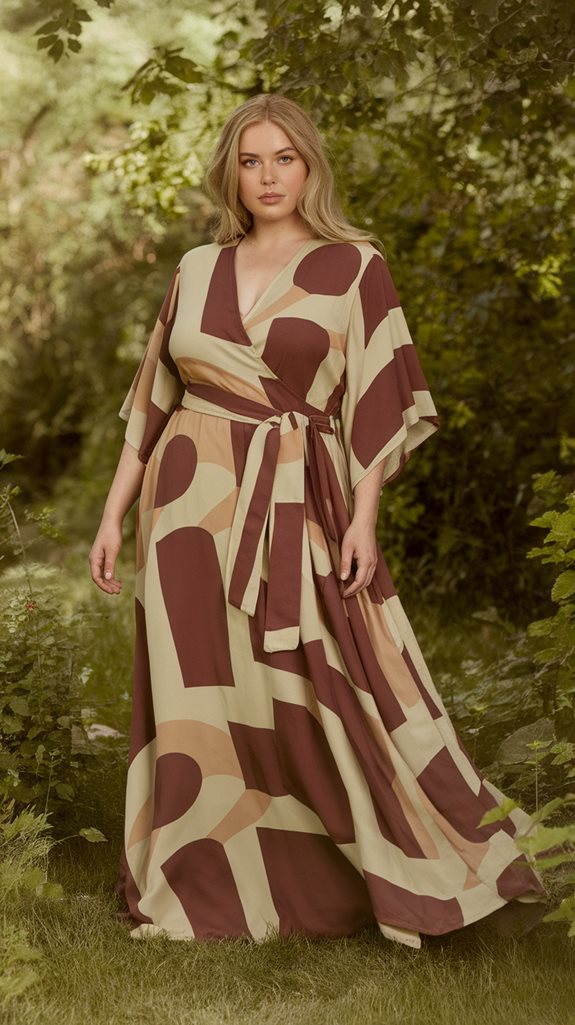
A true wrap dress ties closed rather than being sewn shut, which is what lets it adjust to the body instead of needing an exact size. The tie’s placement, higher or lower on the waist, is worth adjusting to sit at the narrowest point rather than defaulting to wherever the ties happen to fall.
A deeper, more saturated print like this one hides the natural movement of a wrap neckline better than a pale solid would, worth knowing if the wrap tends to shift during the day.
Embroidered Kaftans
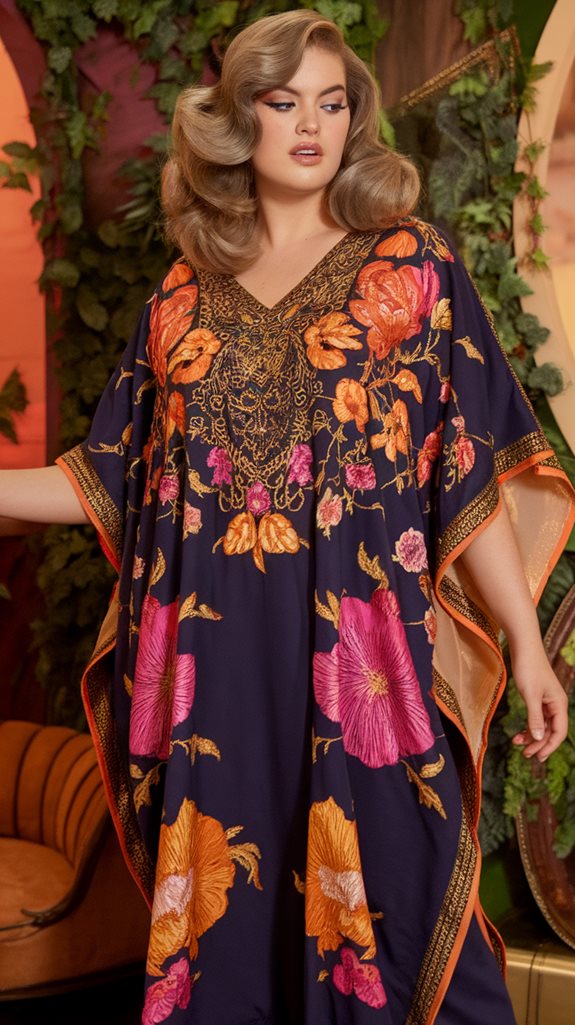
Embroidery this dense adds real weight to a kaftan, so the fabric underneath needs to be substantial enough to support it without sagging at the shoulders. A kaftan’s boxy cut relies entirely on the neckline and sleeve detail for shape, since there’s no waist seam doing any of the work.
A cinched or tied waist is optional on a kaftan, not a given; leaving it loose keeps the silhouette closer to the original 70s cut than adding a belt would.
Tie-Dye T-Shirts
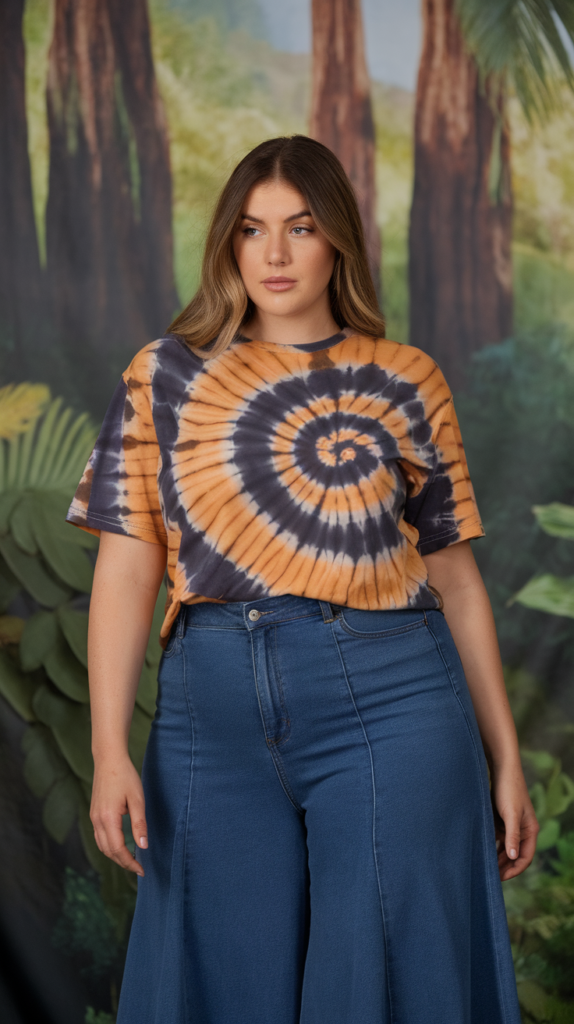
A spiral tie-dye pattern, tied from a single center point, spreads color more evenly than a random crumple technique, which tends to leave larger uncolored patches. Cotton takes dye more evenly than a poly-blend tee, worth checking the fabric content before dyeing one at home.
Tucking the tee in shows off the spiral’s center point, usually the pattern’s most detailed part; left untucked, that detail can end up hidden below the waistband.
Bohemian Kimono Jackets
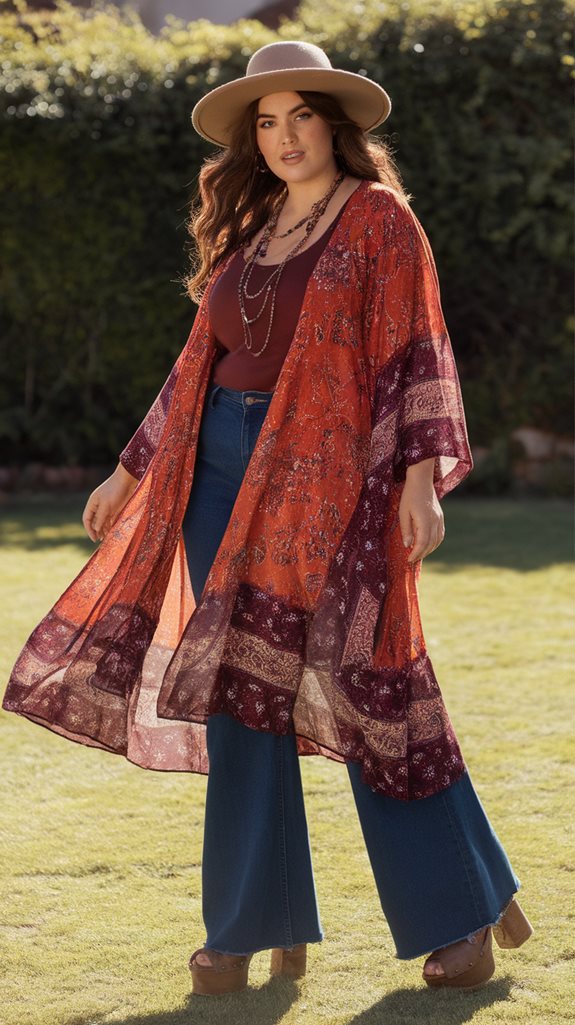
A kimono jacket’s border print, a different pattern at the hem and cuffs than through the body, is what gives it structure despite having no fastenings or defined waist. Sheer, lightweight fabric like chiffon lets the jacket move as a layer without adding real warmth, so it’s a styling piece more than a functional one in cold weather.
Wide-leg jeans balance the kimono’s dramatic sleeve width better than a skinny jean would, since the leg needs enough volume to match the arm.
Statement Belts
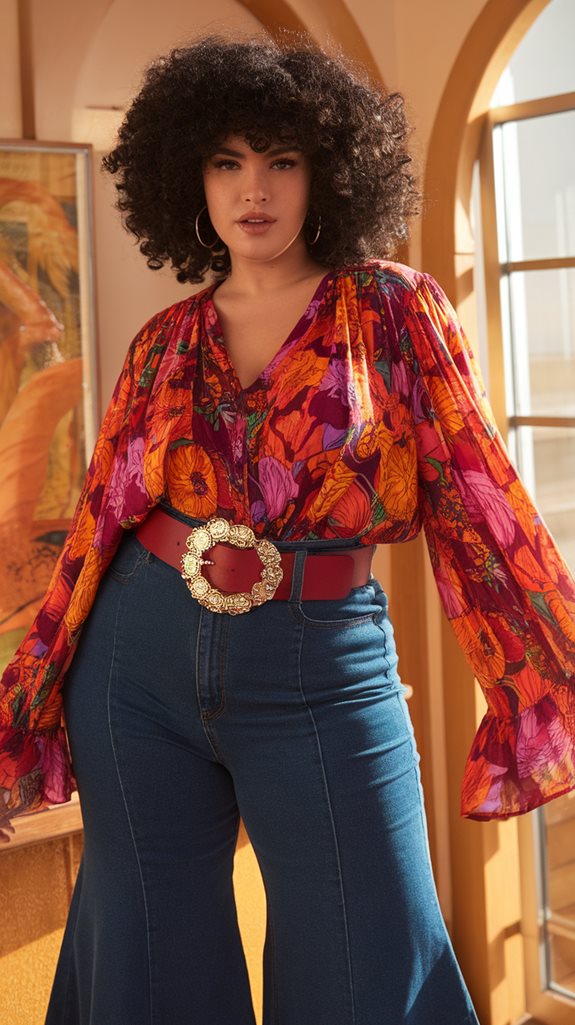
A belt this wide needs to sit at the actual waist, not the hip, to do the cinching work it’s designed for; worn lower, it becomes a decorative line instead of a shaping one. An oversized buckle like this one works as the outfit’s single statement piece, so the rest of the jewelry should stay minimal.
Leather belts hold their shape through a full day better than a fabric or elastic one, which can stretch and lose the cinch by evening.
Oversized Sunglasses
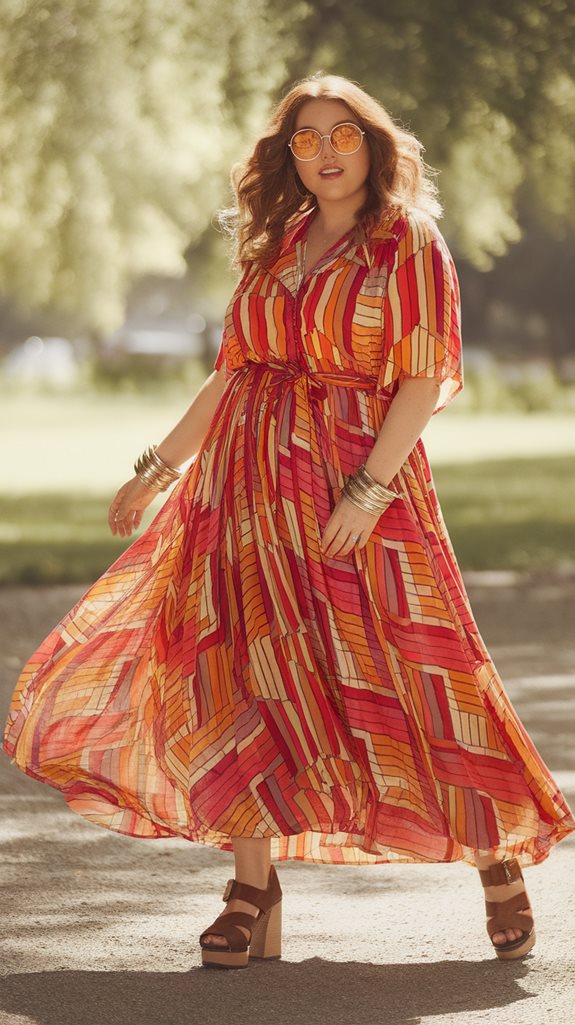
Round or cat-eye frames were the dominant 70s shapes; a rectangular or geometric frame looks more modern even at an oversized size. Tinted lenses, amber, rose, yellow, fit the era’s aesthetic more than a plain gray or black lens would, though they change how colors look in bright sun.
Frame width should roughly match or slightly exceed the width of the face at the temples; anything narrower loses the oversized effect entirely.
Funky Patterned Blazers
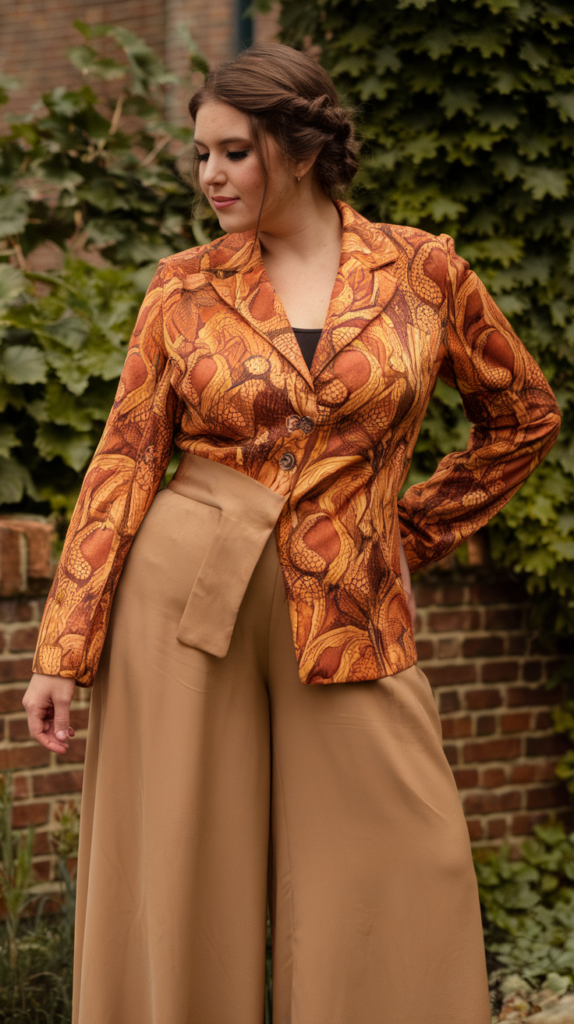
A patterned blazer needs a solid top and bottom around it, or the outfit looks busy instead of intentional; a swirl print like this one is already doing enough visual work on its own. Structured shoulders and a fitted waist on the blazer keep a bold print from looking sloppy, since a boxier cut lets the pattern overwhelm the shape.
Wide-leg trousers in a solid color balance the blazer’s pattern better than another print would. A single accessory, like sunglasses, is enough since the blazer is already the outfit’s focal point.
Suede Fringe Jackets
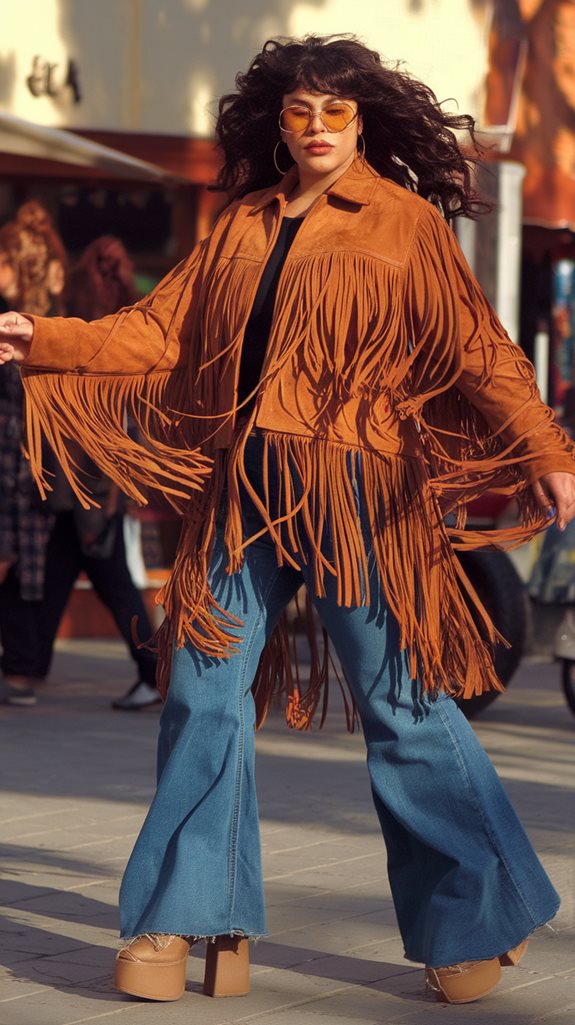
Fringe length affects how much movement the jacket shows when walking; shorter fringe looks more subtle, while fringe past the elbow moves dramatically with every step. Suede needs a fabric protector spray before regular wear, since it marks easily from water and oil.
Bell-bottom jeans underneath match the era and give the fringe room to move without catching on a fitted pant leg.
Colorful Ponchos
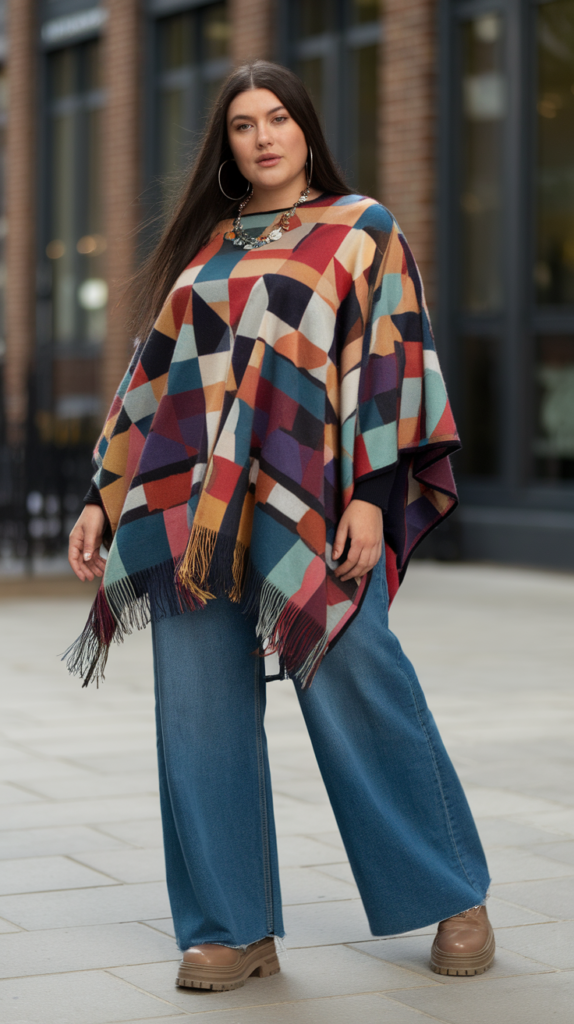
A poncho’s one-size, no-sleeve construction means the fit is really about the proportion below it, not the poncho itself; wide-leg jeans balance the volume on top better than a skinny pant, which can make the whole silhouette look top-heavy.
Fringe at the hem, like this one has, adds movement that a clean-edged poncho doesn’t. Ankle boots ground the look better than a sandal when there’s this much fabric moving above the leg.
Leather Mini Skirts
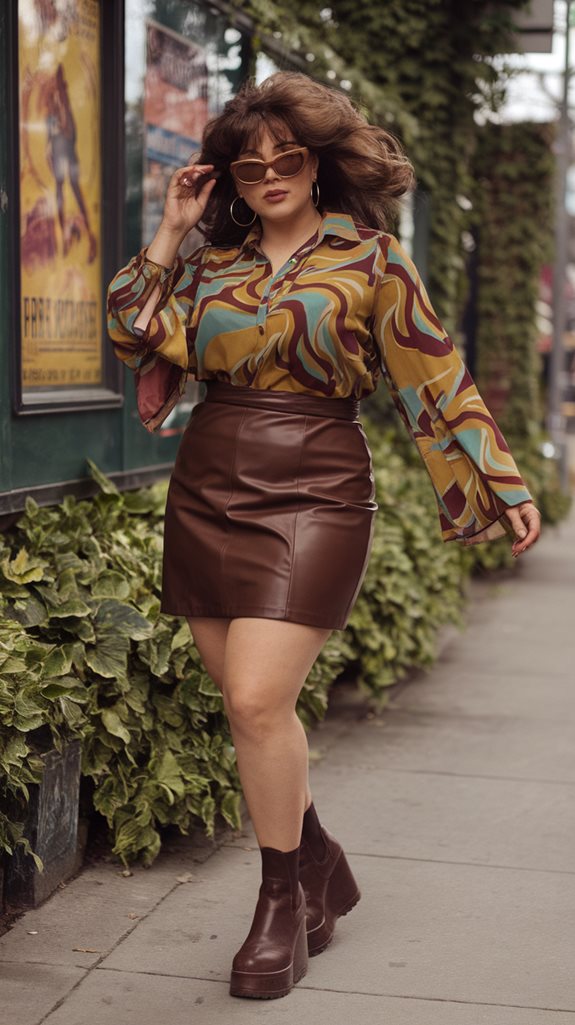
Leather, real or faux, doesn’t have the same give as woven fabric, so a mini skirt in this material needs to be sized for movement, not just measurements, or it restricts sitting and walking. A high-waisted rise is what makes a leather mini feel proportionate rather than abbreviated on top of everything else.
Platform boots ground a mini skirt with more visual weight than a strappy sandal would, balancing the amount of leg showing above.
Velvet Blouses
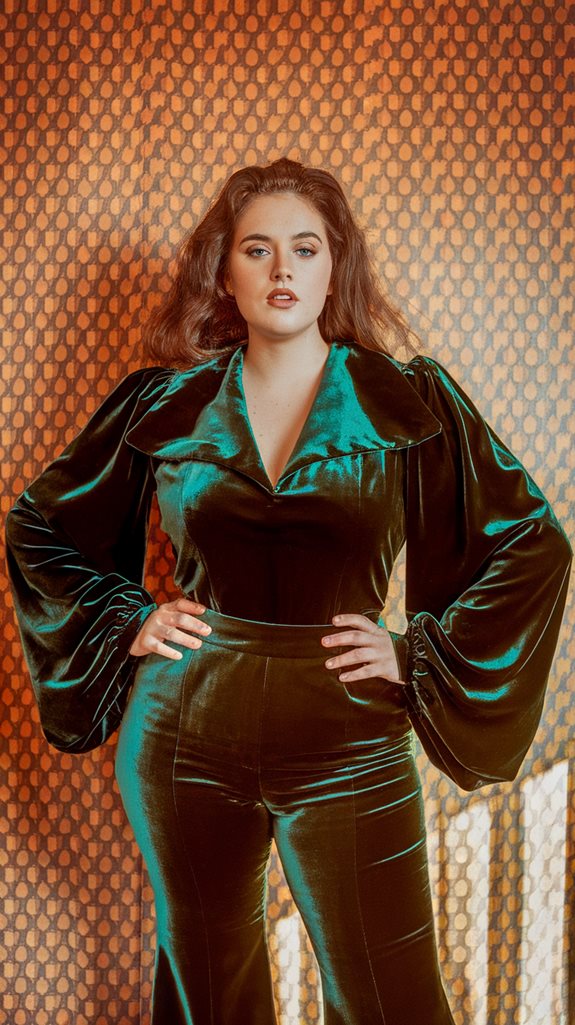
Velvet catches light differently depending on which way the nap, the fabric’s pile, is brushed, so two pieces in the same velvet, like this matching set, can look like slightly different shades under the same light. A wide, structured collar like this one needs to lie flat against a lower neckline, or it competes with itself for space.
High-waisted bottoms in the same fabric, not a contrasting one, keep a velvet look from splitting into two separate pieces visually.
Animal Print Coats
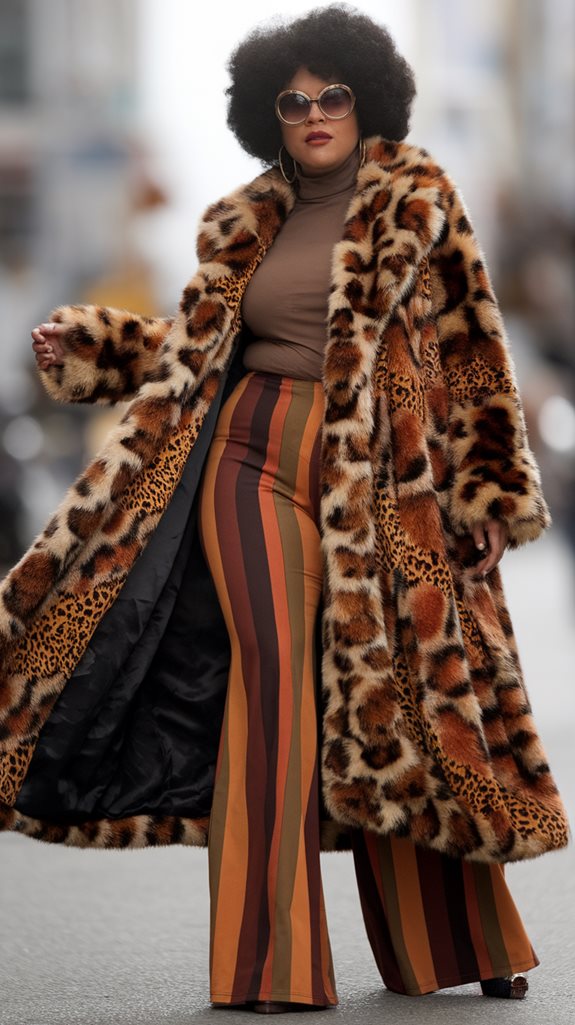
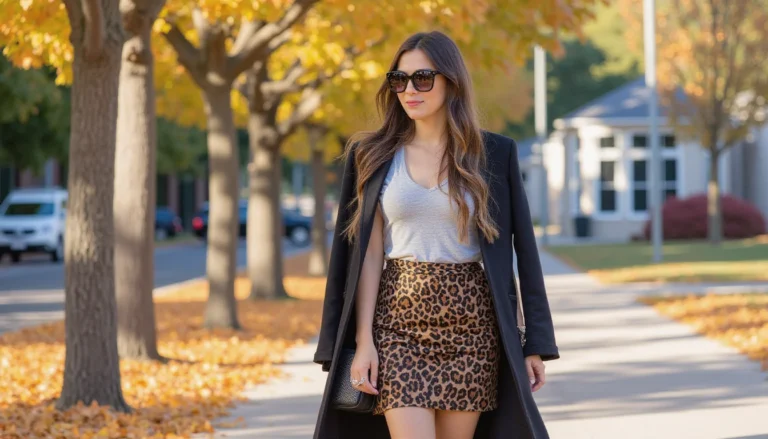
A faux fur coat this dense needs a slim silhouette underneath, not another bulky layer, since the coat alone adds significant visual volume. Leopard print holds up better against other patterns than a busier animal print like zebra does, since its spots read more like texture than a hard line.
A solid-color top under the coat keeps the pattern from competing with anything else up top; save a second print, like the striped pants here, for below the waist where the coat covers less.
Floral A-Line Dresses
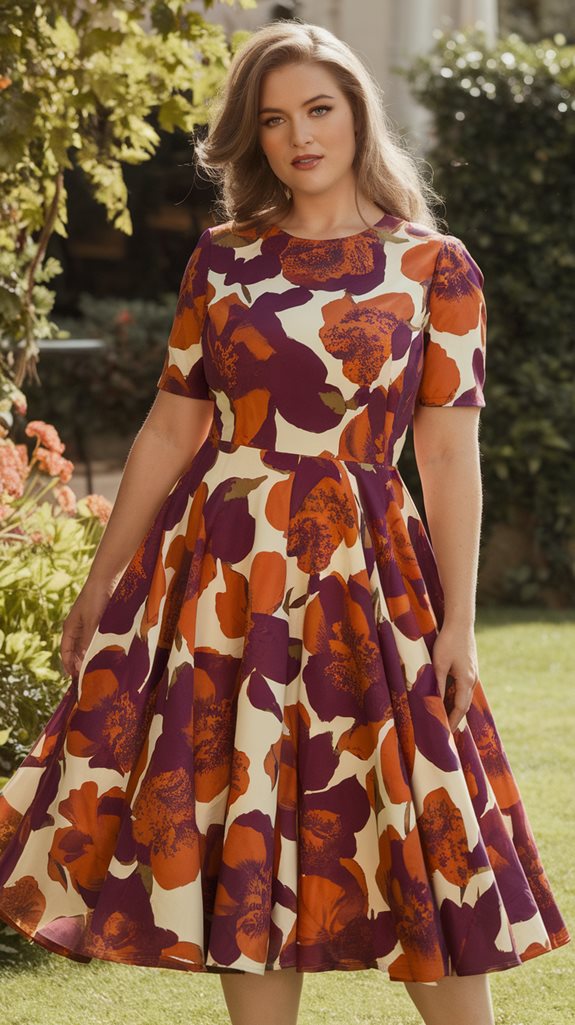
An A-line silhouette skims over the hip rather than fitting to it, the structural difference from a fit-and-flare dress; the shaping happens at the shoulder seam and waist, not through darts at the hip. Large-scale floral prints, like this one, work better on an A-line than a small ditsy print does, since the bigger shapes don’t get lost in the fabric’s movement.
Cap sleeves like these keep the shoulder line simple so the print stays the focal point. Block-heel sandals or ankle boots both work under this length without disrupting the A-line’s clean drop.
Satin Palazzo Pants
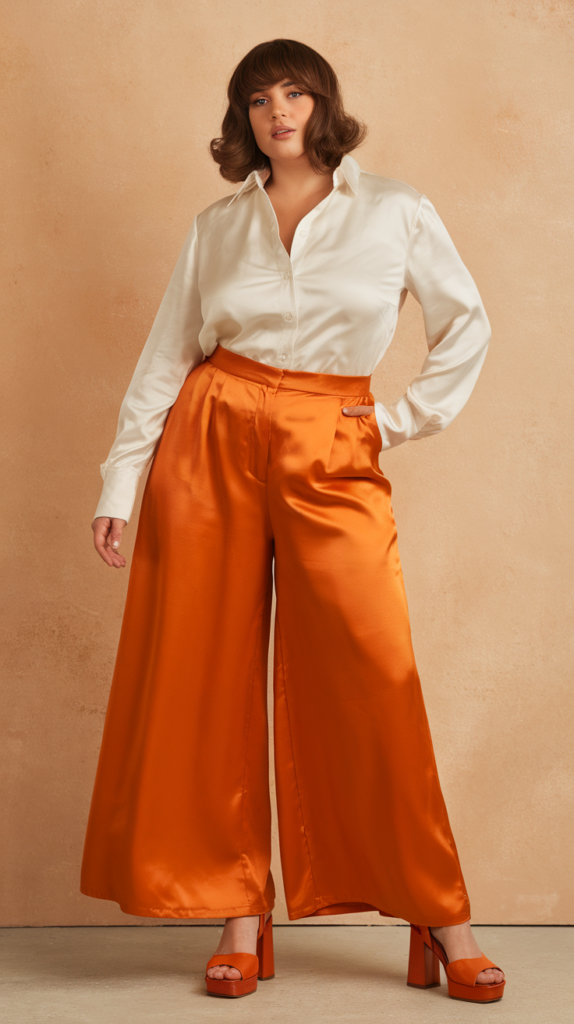
Satin shows every static cling and wrinkle more than a matte fabric does, so an anti-static spray and a steam before wearing make a real difference in how clean the pants actually look. A fitted or tucked top balances palazzo pants’ volume; anything loose on top doubles the fabric and loses the leg’s shape entirely.
Platform heels keep the hem from dragging, since satin’s slippery drape means these pants often run longer than the same size in a cotton blend.
Glitter Disco Tops
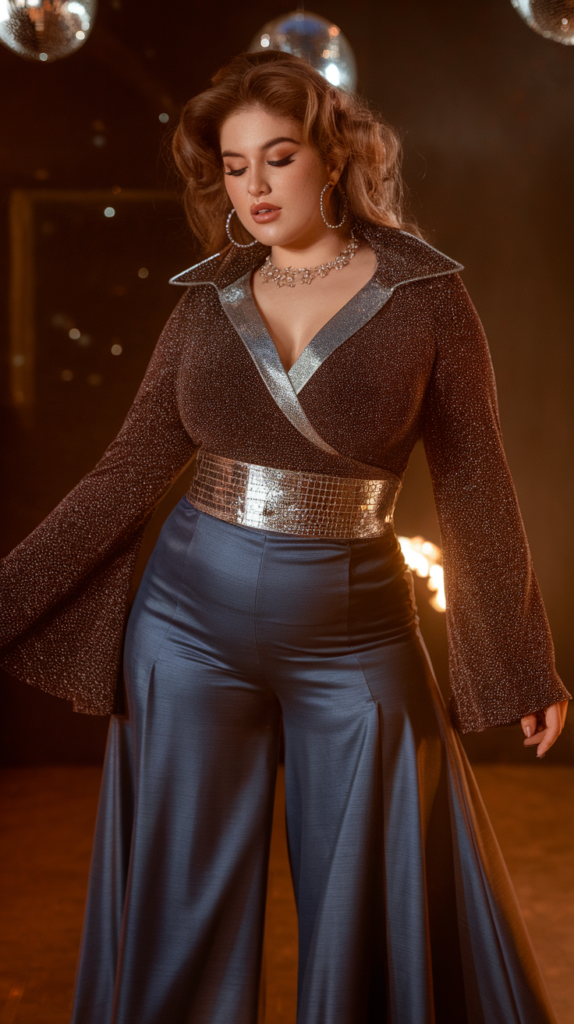
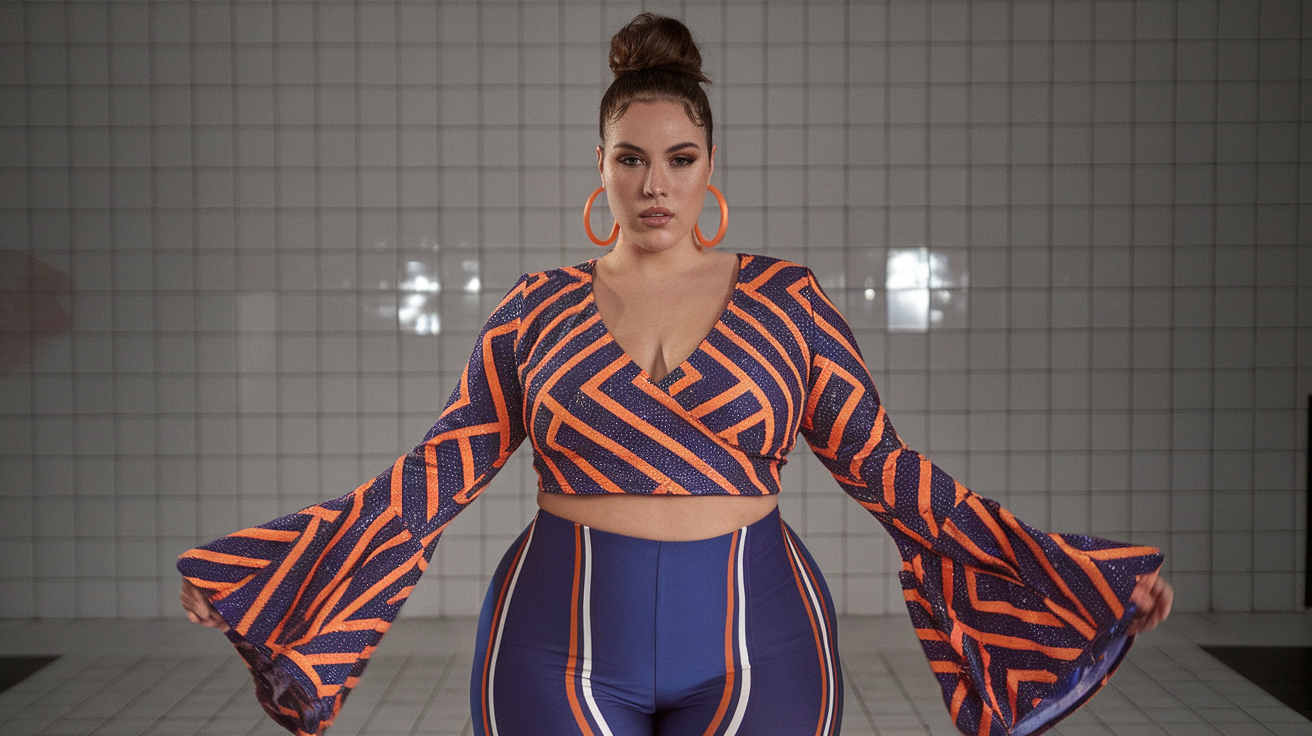
A glitter or metallic top like this one needs a plain, dark bottom to actually work as the outfit’s statement piece; a patterned pant competes with the sparkle instead of grounding it. The wrap-style collar here does double duty as a neckline and a subtle waist definition, since the crossover naturally nips in at the middle.
Flare pants underneath keep the proportions balanced against a top with volume at the sleeve, similar to how a jumpsuit’s flare works with its own sleeve width.