How To Create A Capsule Wardrobe That Reflects Your Personal Style
A capsule wardrobe doesn’t have to mean beige basics and a personality left at the door. Most “essentials” lists ignore the fact that two women can own the exact same 30 pieces and look nothing alike wearing them.
After building capsule wardrobes with hundreds of women over the past decade, I’ve found the ones that actually stick are never the most minimal. They’re the ones built around a clear style personality first, with the pruning happening second. This guide walks through that order, start to finish.
What Makes a Capsule Wardrobe Truly Personal?
Think of it as more than a pile of neutral basics. It’s a working set of 25 to 40 pieces that cover your actual week and still look like you picked them, not a checklist. Generic capsules optimize for “goes with everything.” Personal ones optimize for how you actually want to feel getting dressed.
The Psychology Behind Personal Style Expression
Clothing communicates before you say a word. Skip that part of the planning and you end up with a closet full of pieces that technically match but never feel like yours, which is its own kind of clutter.
Research from the Journal of Experimental Social Psychology links feeling authentic in your clothing to a few measurable shifts:
- Higher confidence through the day
- Less decision fatigue in the morning
- Better mood and self-perception
- A stronger sense of personal consistency day to day
Step 1: Decode Your Style Personality Profile
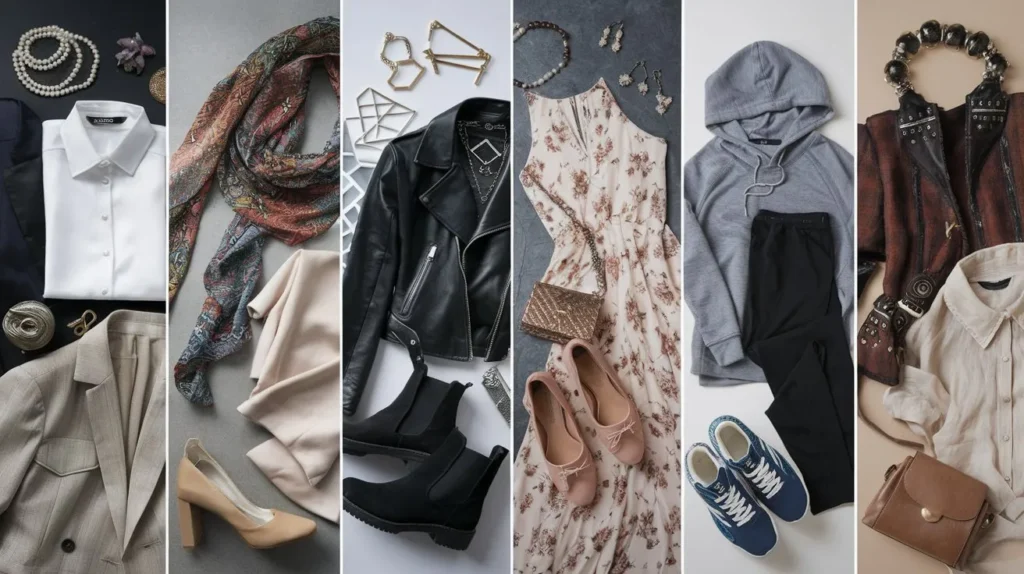
Before you buy a single piece, name your style personality. Most people have one dominant type and one or two supporting ones layered underneath, which is what makes an outfit feel specifically theirs instead of generic.
The 7 Core Style Personalities
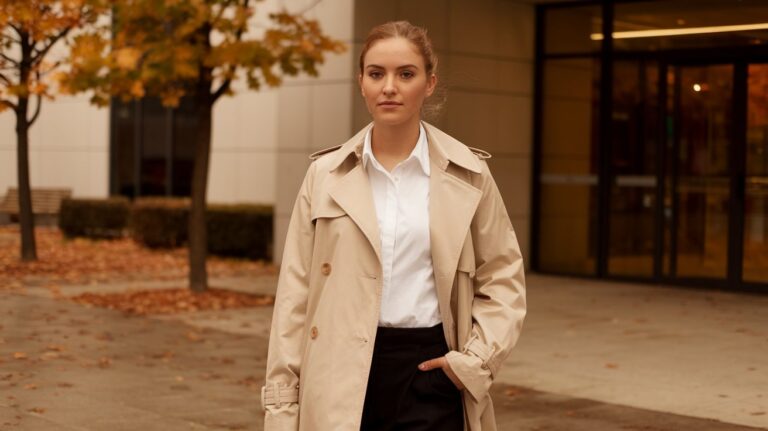
The Classic Minimalist wants clean lines and structured silhouettes over anything trend-driven. Her palette runs neutral with one signature accent, and her closet leans on structured blazers, straight-leg trousers, and quality basics she’ll still wear in five years.
The Creative Bohemian mixes texture and pattern on purpose, gravitating toward flowing fabrics and unexpected pairings. Earth tones anchor the palette with jewel-tone pops, and flowing cardigans, wide-leg pants, and statement accessories do the heavy lifting.
The Modern Edgy personality reaches for contemporary cuts with an unexpected detail: an asymmetrical hem, a structural seam. The palette stays monochromatic with metallic accents, built around moto jackets, geometric jewelry, and architectural silhouettes.
The Romantic Feminine favors soft, flowing details that enhance natural curves rather than fight them. Soft pastels, blush tones, and florals make up the palette, with wrap dresses, delicate blouses, and pearl accessories as the signature pieces.
The Sporty Casual personality won’t sacrifice comfort for style, but wants both. Clean neutrals with activewear-inspired accents make up the palette, worn through elevated athleisure, comfortable sneakers, and versatile hoodies.
The Dramatic Glamorous personality dresses to be noticed, in rich jewel tones, metallics, and high contrast. Statement coats, bold accessories, and luxe fabrics carry the look.
The Natural Casual personality wants comfort first, in materials that hold up honestly over time. Earthy neutrals and muted tones dominate, built around linen shirts, comfortable denim, and natural fiber knits.
Step 2: Create Your Personal Style Foundation Formula
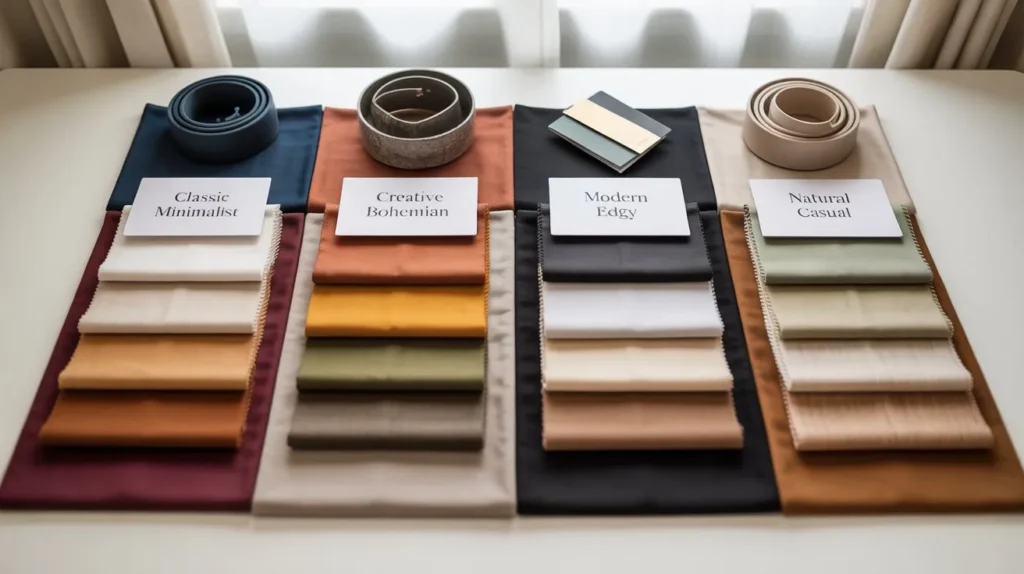
Once you know your style personality, build what I call your Personal Style Foundation Formula, so every piece in the capsule earns its spot on both function and expression.
The 60-30-10 Style Rule
Borrowed from interior design, this ratio keeps a capsule visually calm without flattening your personality out of it.
- 60% foundation pieces: neutral, versatile items that form the backbone
- 30% style personality pieces: items that clearly signal your dominant type
- 10% statement pieces: bold accessories or one-off items that make an outfit distinctly yours
Building Your Color Story
Your color palette is what ties a capsule together across seasons. Skip the default black-and-white and build a story around your style personality and your natural coloring instead.
A Classic Minimalist palette might run navy, cream, and soft gray as the base, camel or sage green as the accent, and one jewel tone, burgundy or emerald, as the pop.
A Creative Bohemian palette leans warm beige, chocolate brown, and olive as the base, terracotta and mustard yellow as accents, with deep teal or burnt orange as the pop.
Step 3: The Signature Statement Strategy
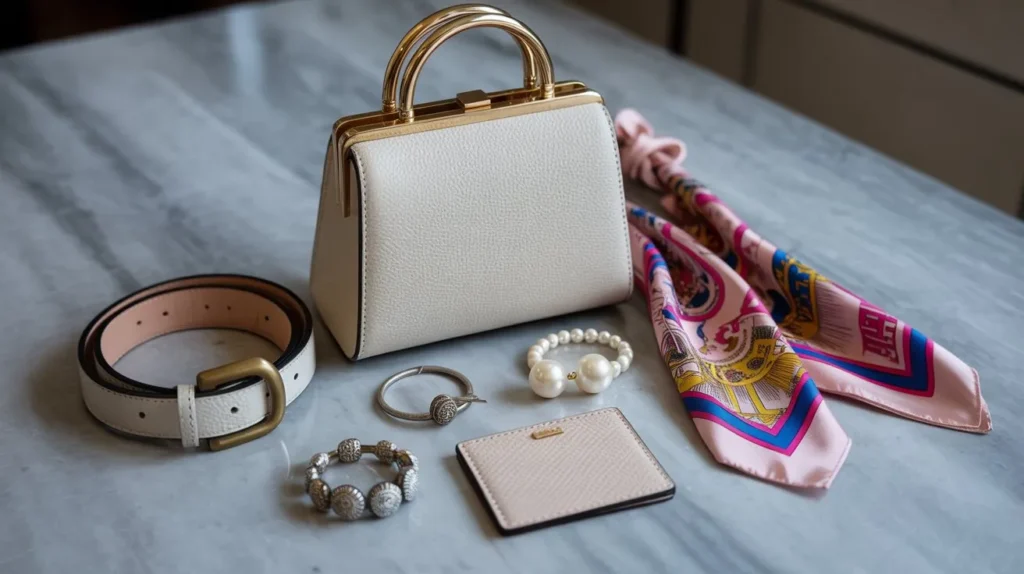
Most capsule wardrobe guides stop at basics and never get to what makes you memorable. Signature statement pieces are what keep your capsule from looking like everyone else’s.
Identifying Your Signature Elements
Ask yourself a few questions before you shop:
- What do people always compliment me on?
- What piece makes me feel most confident?
- What detail catches my eye first when I’m shopping?
- What would I be genuinely sad to give up from my current closet?
Categories of Signature Statements
Signature silhouettes come first: the Classic reaches for a structured blazer, the Bohemian for an oversized flowing cardigan, the Edgy for an asymmetrical or geometric cut.
Next come signature colors or patterns, like a pop of one favorite color repeated across outfits, a subtle print that keeps showing up, or a color family that genuinely makes your skin glow.
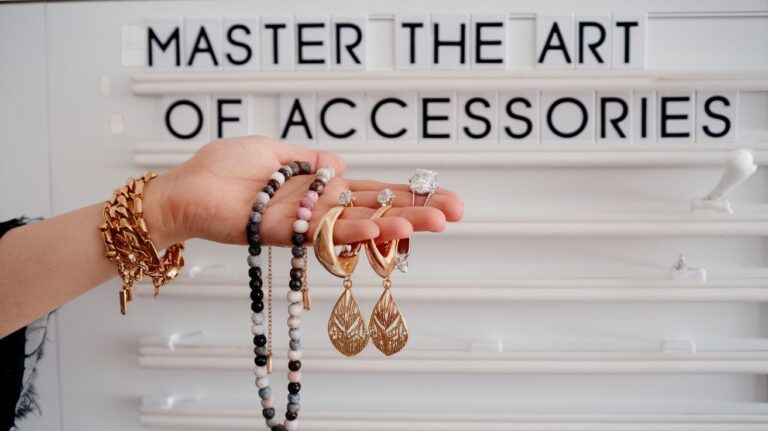
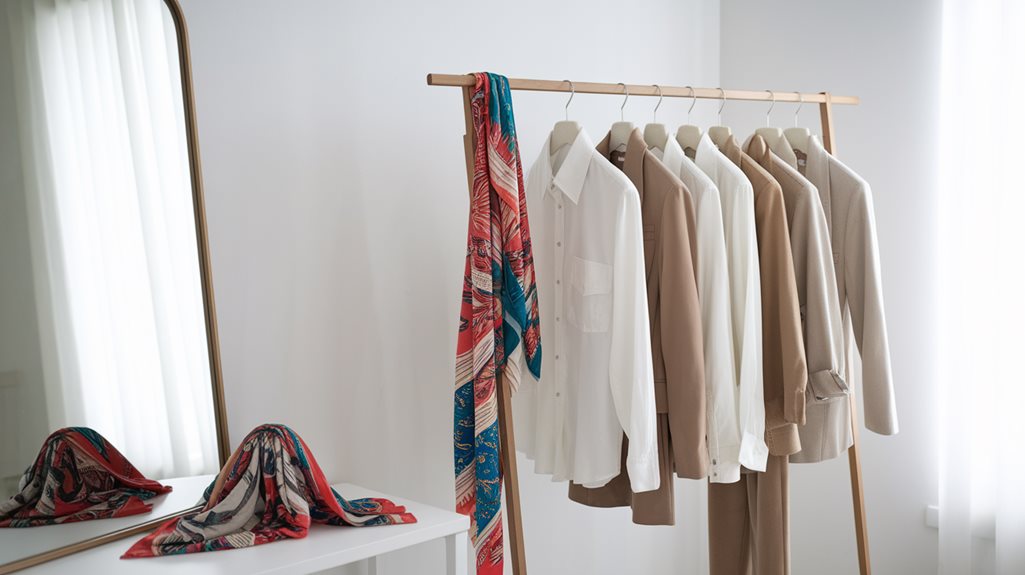
Signature accessories matter too: statement earrings that become a trademark, a scarf style you can tie three ways, a handbag shape people associate with you.
Last are signature textures or details, like a fabric you keep gravitating toward or a construction detail, embroidery, unusual buttons, a specific zipper hardware, that shows up across your pieces.
Step 4: The Module Method for Personal Style Expression
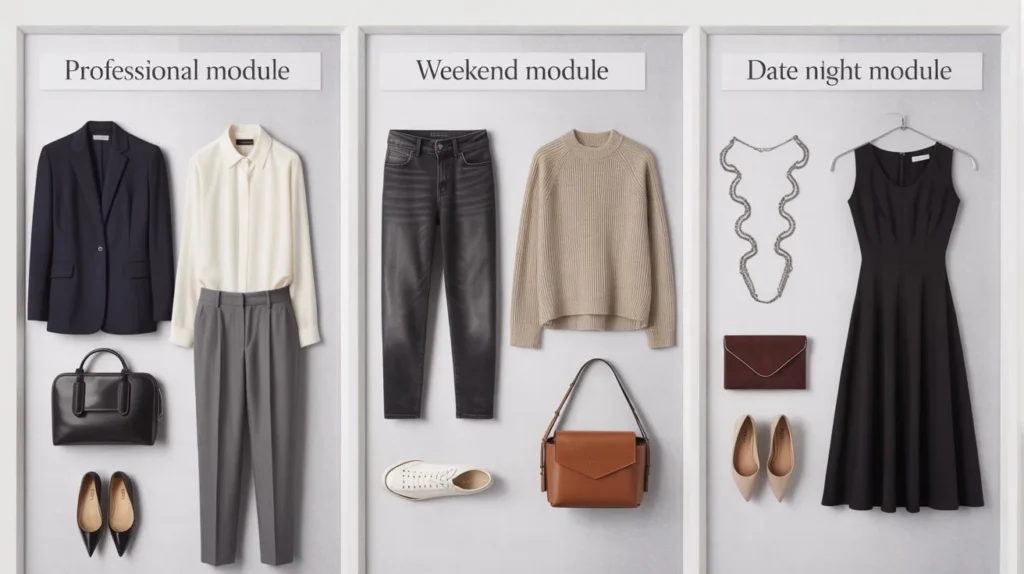
The module method keeps a capsule varied without letting it drift from your style personality. Each module covers a different slice of your week while staying built from the same core pieces.
Creating Your Personal Style Modules
Base module formula: 2 bottoms, 3 tops, 1 layer, 1 shoe style, 1 signature element. Here’s what that looks like for a Classic Minimalist.
Professional module:
- 2 bottoms: navy trousers, charcoal pencil skirt
- 3 tops: white silk blouse, cream knit top, striped tee
- 1 layer: structured navy blazer
- 1 shoe: nude pointed flats
- 1 signature: pearl earrings
Weekend module:
- 2 bottoms: dark straight jeans, olive joggers
- 3 tops: cashmere crew neck, linen button-down, soft tee
- 1 layer: camel cardigan
- 1 shoe: white leather sneakers
- 1 signature: delicate gold jewelry
Module Mixing Strategy
Pieces can overlap between modules on purpose. That’s what turns a small, fixed pile of clothes into dozens of outfit combinations without ever losing the thread of your personal style.
Step 5: The Personal Style Audit Process
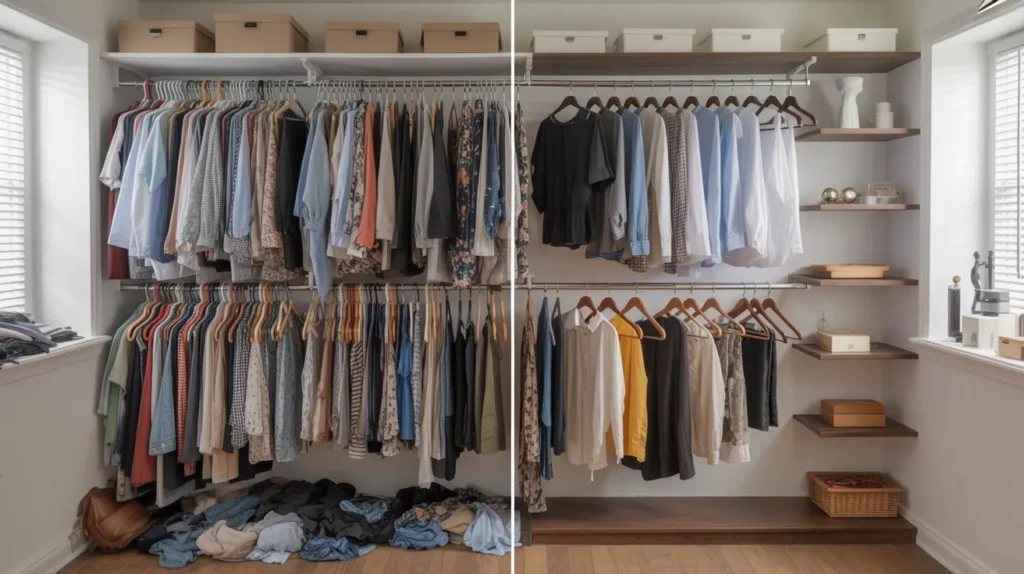
Before you buy anything new, audit what you already own through the lens of personal style, not just condition or fit.
The Three-Pile Method
Pile 1, love and express: pieces you love wearing that also clearly express your style. These are your capsule’s starting points.
Pile 2, love but generic: pieces you love wearing but that don’t say much about your style. These can still work as foundation pieces.
Pile 3, express but don’t love: pieces that express your style but that you rarely reach for. Figure out why. It’s usually fit, comfort, or how versatile the piece actually is.
Pile 4, neither: pieces that do neither job. Donate or sell these.
The Personal Style Gap Analysis
Once the audit’s done, look for gaps in four places:
- Foundation pieces that work with your color palette
- Style personality pieces that express your aesthetic
- Statement pieces that make outfits distinctly yours
- Functional pieces your actual lifestyle needs
Step 6: Strategic Shopping for Personal Style Expression
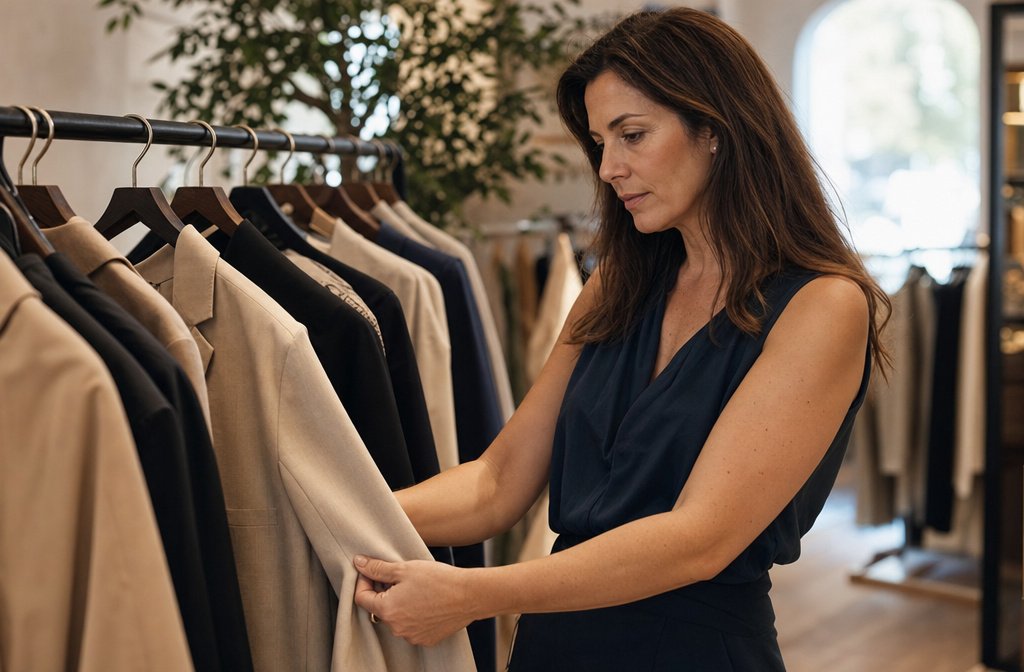
Shopping for a personal capsule is a different exercise than typical retail therapy. Every purchase needs to earn its place on function and expression both.
The Personal Style Shopping Framework
Run anything you’re about to buy through five quick questions.
- Does it serve a specific purpose in my actual life?
- Does it clearly express my style personality?
- Does it work with at least three pieces I already own?
- Does it include or complement my signature elements?
- Am I actually excited to wear it, or just talked into it?
Investment vs. Trend Strategy
Spend real money on pieces that reflect your core style personality, carry your signature elements, work across multiple modules, and are made from quality materials in classic cuts. Save the trend budget for accessories that add freshness, your 10% statement category, or pieces you’re fine replacing every season or two.
The Fashion Revolution transparency report found that shoppers who practice this kind of intentional buying spend 73% less on clothing annually, and report being more satisfied with what’s in their closet.
Step 7: Styling Your Personal Capsule for Maximum Expression
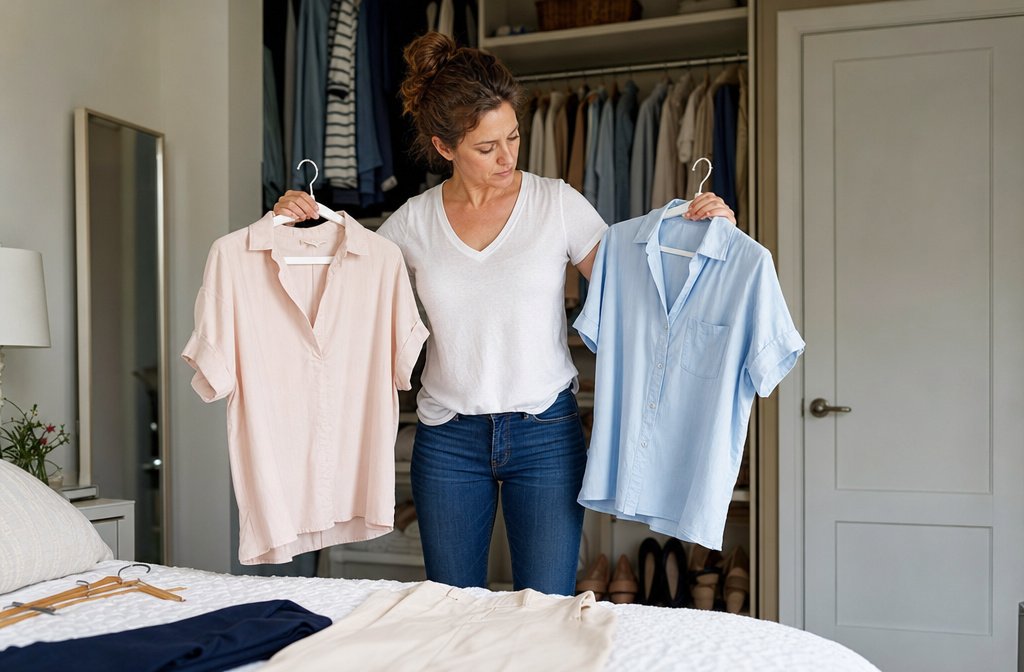
A personal capsule wardrobe only pays off if you actually know how to style it day to day.
The Daily Style Formula
Base + personality + signature = authentic expression. For a Classic Minimalist, that might look like navy trousers and a white tee as the base, a structured blazer for personality, and pearl earrings with nude pointed flats as the signature: polished and unmistakably hers.
For a Creative Bohemian, it’s wide-leg pants and a basic tank as the base, a flowing kimono cardigan for personality, layered gold necklaces and embroidered flats as the signature: artistic and just as unmistakably hers.
The Week-Long Style Challenge
Test the capsule by building seven different outfits from the same core pieces, all of which still feel like you. If any of them don’t, that’s useful information about what to swap.
Step 8: Evolving Your Personal Capsule Wardrobe
Your style shifts over time, and the capsule should be built to shift with it without starting from scratch.
Seasonal Style Assessment
Every three or four months, check in with a few questions:
- Am I still excited about my signature elements?
- Has my lifestyle changed enough to need wardrobe adjustments?
- Is there a new side of my style I want to explore?
- What pieces am I avoiding, and why?
The 80/20 Evolution Rule
Keep 80% of the capsule consistent with your established style personality. Let the other 20% shift with your changing preferences or circumstances.
Common Personal Style Mistakes to Avoid
Mistake #1: Following Generic Capsule Lists
Those “37 essential capsule wardrobe pieces” lists ignore your actual style personality and lifestyle. What works for the person who wrote the list can feel completely wrong on you.
Mistake #2: Abandoning All Color and Pattern
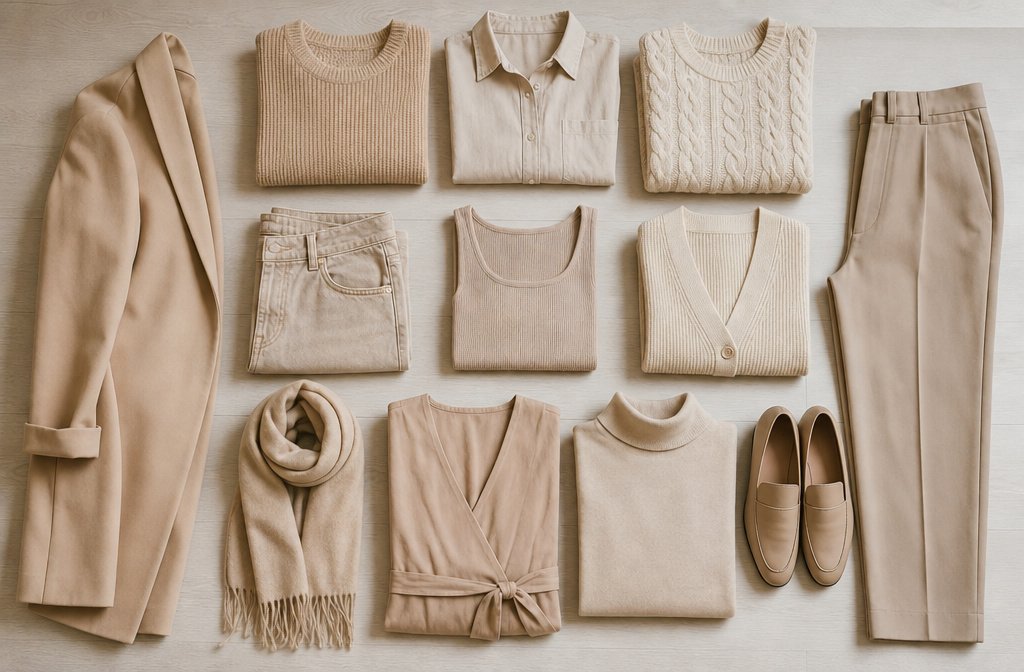
Neutrals give a capsule its foundation, not its whole identity. Your color story and signature patterns are what actually make the wardrobe look unmistakably yours.
Mistake #3: Ignoring Your Body’s Needs
Personal style includes how clothes actually feel on your body. If you’re tugging at a waistband all day or avoiding a piece because it’s uncomfortable, it doesn’t matter how good it looks on the hanger.
Mistake #4: Perfectionism Paralysis
Waiting for the perfect capsule before you start keeps you stuck indefinitely. Start with what you own, note what’s working, and build from there.
Mistake #5: Seasonal Panic Shopping
A change in weather isn’t a reason to abandon your style. Plan seasonal transitions that keep your personality intact while still meeting the climate halfway.
The Long-Term Benefits of a Personal Capsule Wardrobe
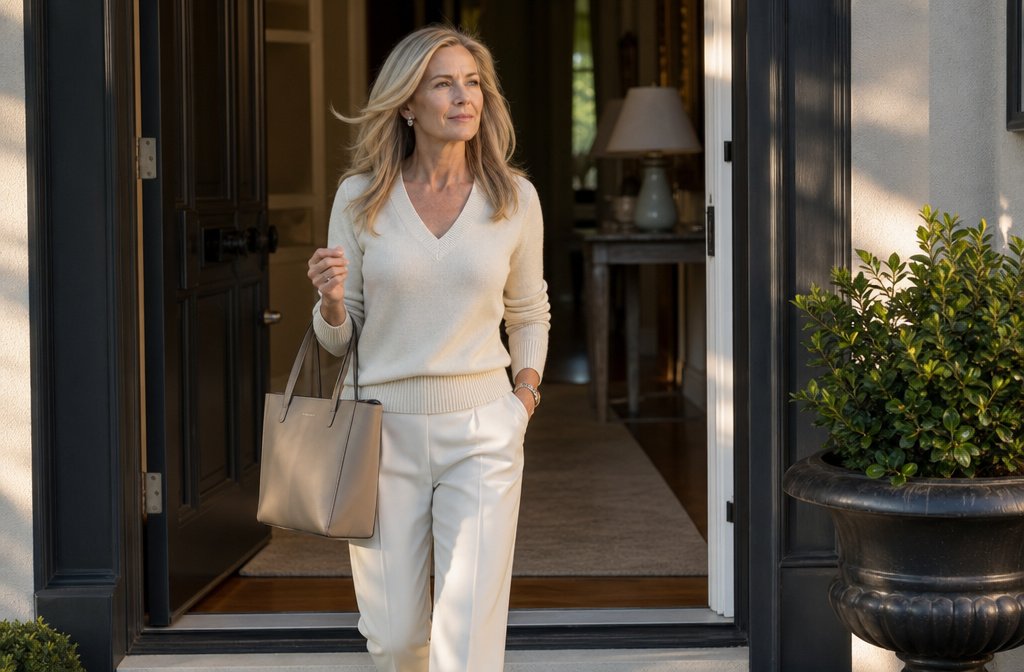
Get this right and the payoff extends well past your closet doors.
Enhanced Self-Confidence
Wearing clothes that actually feel like you creates its own feedback loop. Confidence shows up in posture, in how you carry a conversation, in the small stuff.
Clearer Personal Brand
Consistent personal style makes you easier to remember, in a career, in relationships, in any room you walk into. Harvard Business Review found that clothing choices meaningfully shape how competent and trustworthy other people perceive you to be.
Reduced Environmental Impact
Fewer, better pieces that actually reflect your style is also a more sustainable way to shop. The Ellen MacArthur Foundation found that keeping a garment in use for just nine months longer cuts its environmental impact by 20 to 30%.
Financial Savings
Once your personal style formula is dialed in, you make fewer shopping mistakes and invest in pieces you’ll actually wear for years instead of one season.
Time Freedom
Mornings get faster when every piece in the closet works together. Research from Cornell University found that cutting down daily decisions frees up mental energy for choices that actually matter.
Your Personal Capsule Wardrobe Action Plan
Week 1: Discovery and Assessment
- Complete the style personality assessment
- Run your wardrobe audit with the three-pile method
- Identify your signature elements
Week 2: Foundation Building
- Build your personal color palette
- Find the gaps using the module method
- Write a prioritized shopping list
Week 3: Strategic Shopping
- Shop for 1 to 2 key pieces using the shopping framework
- Test new pieces against what you already own
- Practice the daily style formula
Week 4: Integration and Testing
- Build 7 different outfits from your capsule pieces
- Note what’s working and what isn’t
- Plan how the capsule will evolve from here
Your Style, Simplified
Keeping your personality intact through a capsule wardrobe is possible, and it’s the version that actually holds up long term. It just takes building in the right order: style personality first, edits second.
Know your style personality, build your signature elements, and shop with a framework instead of a whim, and the wardrobe that comes out the other side will feel like yours while trimming the daily noise of getting dressed.
None of this has to happen overnight. It’s a shift toward more intentional dressing over time, not a weekend overhaul. Start with the style personality quiz, name your signature elements, and build from there.
Your closet should tell your story and still hold up on a Tuesday morning when you’re rushing out the door. Get the balance right between personal expression and intentional simplicity, and fewer pieces genuinely does more.
Ready to start? Use the interactive tool above to find your style personality, then build just one module first. The right capsule wardrobe is the one that still feels like you on day one and day one hundred.
What’s your biggest challenge with keeping your personal style intact in a minimalist wardrobe? Share it in the comments; I read every one.