23 Dark Hair Color Ideas for Women
Dark hair colors like jet black, blue black, and deep burgundy deliver bold, high-impact results that hold dimension and resist looking flat as they fade. You’ll find options ranging from rich mahogany and smoky ash brown to dark cherry red and midnight blue, each with unique pigment bases that complement different skin tones.
You want low-maintenance chocolate shades or vibrant cool-toned hues, the right formula and application technique make all the difference — and there’s plenty more to uncover ahead.
Jet Black Hair for a Bold, Dramatic Look
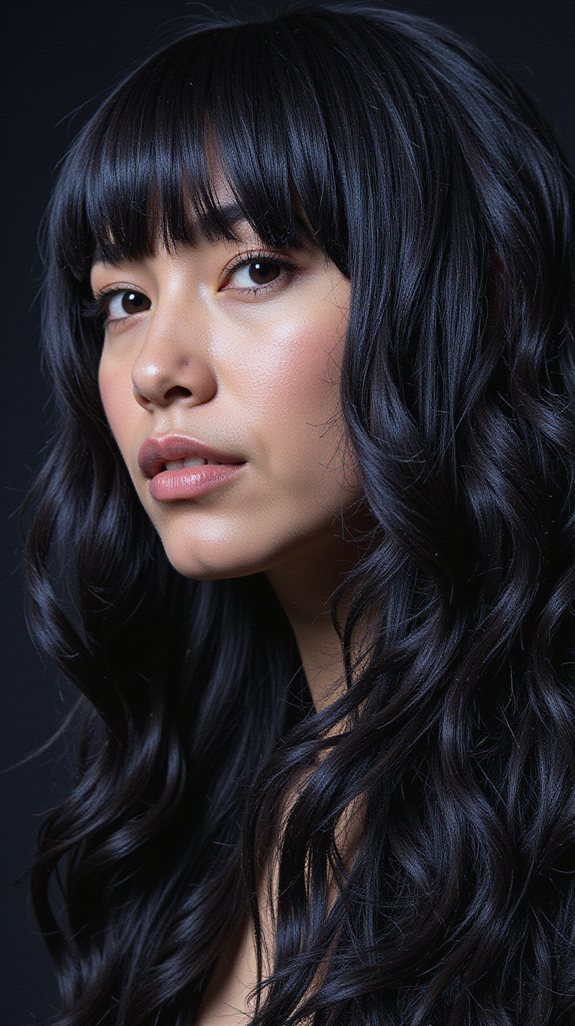
Jet black hair is one of the most striking and versatile dark hair colors, delivering a high-contrast look that complements virtually every skin tone. It creates sharp definition and visual depth across sleek straight styles or voluminous curls. The color’s intensity enhances facial features, making bone structure appear more prominent and eyes noticeably brighter.
Maintaining jet black hair requires consistent effort to preserve its vibrancy and depth. Sulfate-free shampoos formulated for color-treated hair prevent premature fading, while deep conditioning treatments every two weeks counteract dryness.
Root touch-ups every four to six weeks keep visible regrowth at bay and maintain that signature polished appearance.


Soft Black for a Natural, Effortless Finish
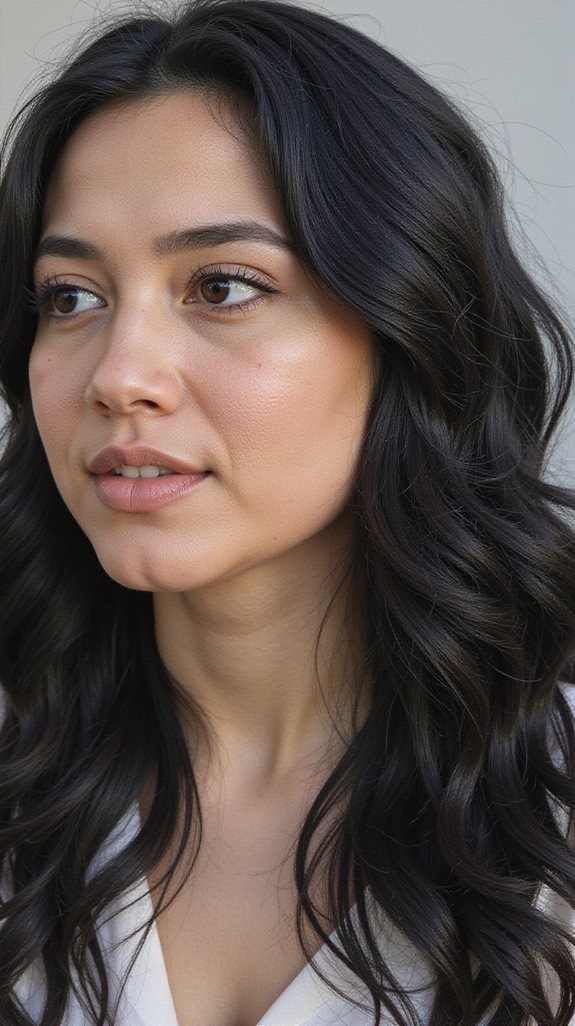
Soft black is a shade that sits slightly lighter than jet black, blending subtle brown or cool undertones for a more natural, dimensional look.
It allows your hair’s texture and movement to stand out, creating depth without the need for highlights or contrast techniques.
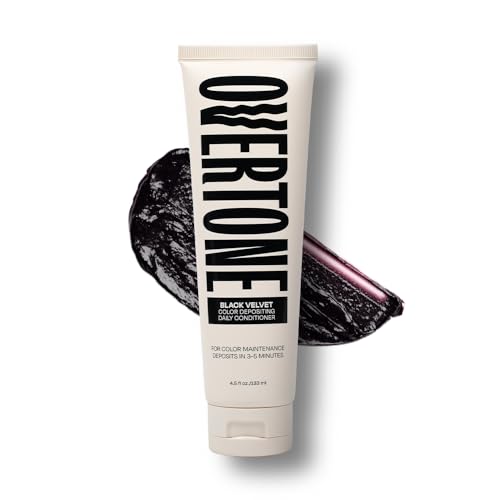
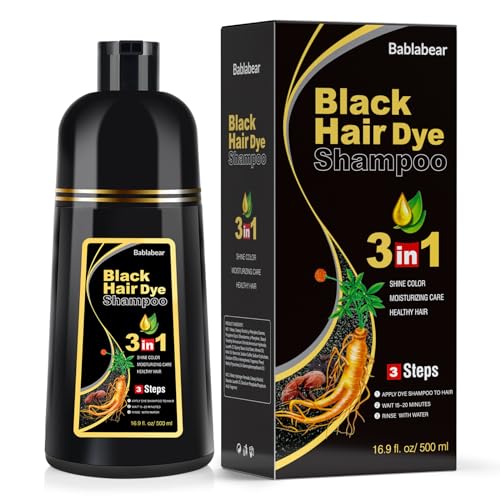
To maintain soft black, use a color-depositing shampoo designed for dark brunette or black shades every one to two weeks.
Regrowth blends more seamlessly with this shade, meaning touch-up appointments are needed less frequently than with jet black.

Blue Black Hair That Catches Every Light
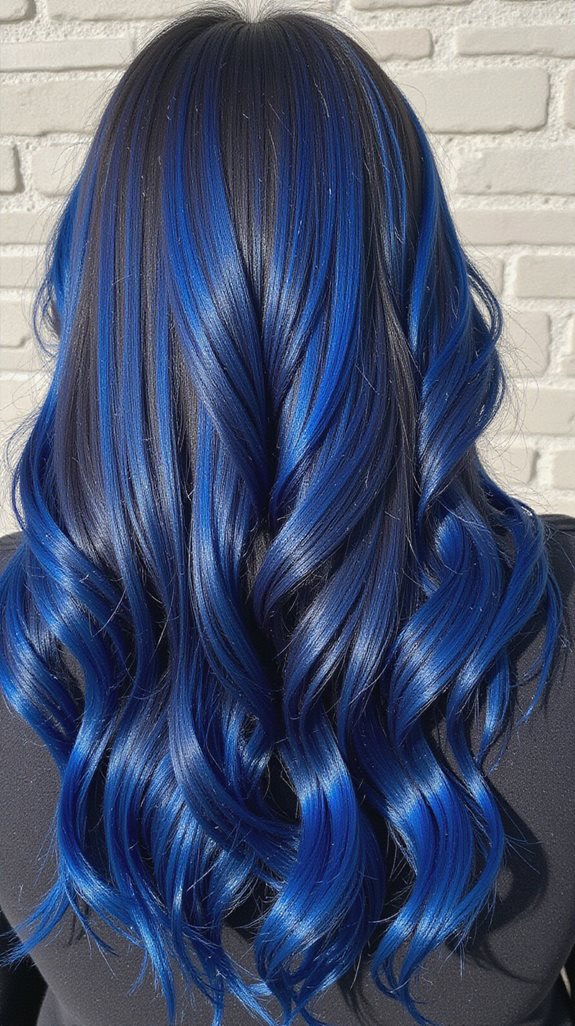
Blue black hair creates a striking visual effect by layering cool blue pigments beneath a deep black base. Under different lighting conditions, the color shifts from deep indigo to electric cobalt, producing dimension that flat black can’t replicate.
This multi-tonal depth makes blue black one of the most dramatic and eye-catching dark hair color choices available.
Keeping blue black hair vibrant requires a consistent care routine built around color-safe products. Sulfate-free shampoos, blue or violet toning conditioners used every two weeks, and glossing treatments every six to eight weeks all work together to preserve the cool-toned pigments.
These steps prevent warmth from creeping in and maintain that signature luminous blue-black shift between salon visits.


Midnight Blue for a Moody, Mysterious Vibe
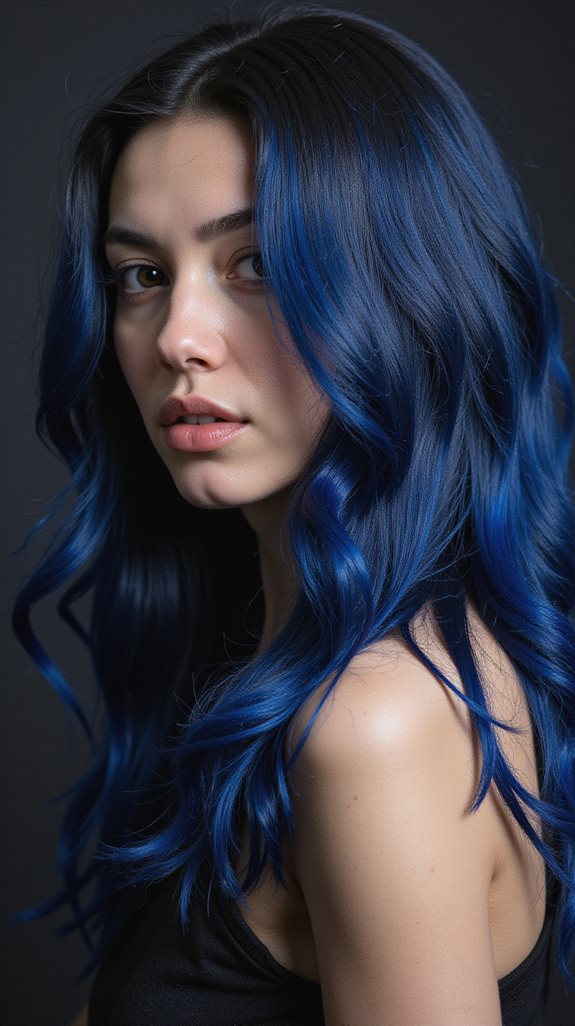
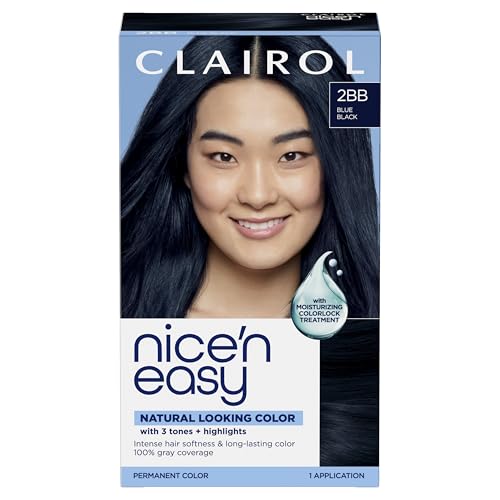
Midnight blue sits a full shade lighter than blue black, delivering a rich, smoky depth that reads as dark navy rather than true black. It thrives under artificial lighting, where its cool-toned pigment separates from black and reveals a distinctive blue shift.
This shade’s mysterious appeal comes from its controlled ambiguity — dark enough for professional settings yet visually compelling under direct light.
For the best results, pre-lighten hair to at least a level 6 to ensure the pigment saturates evenly without appearing muddy. On darker natural bases, the tone can be deposited directly for a subtle, light-catching effect.
Maintain the color with a blue-tinted shampoo every two to three washes to prevent fading toward a dull, washed-out navy.


Dark Chocolate Brown Hair Colors Women Love
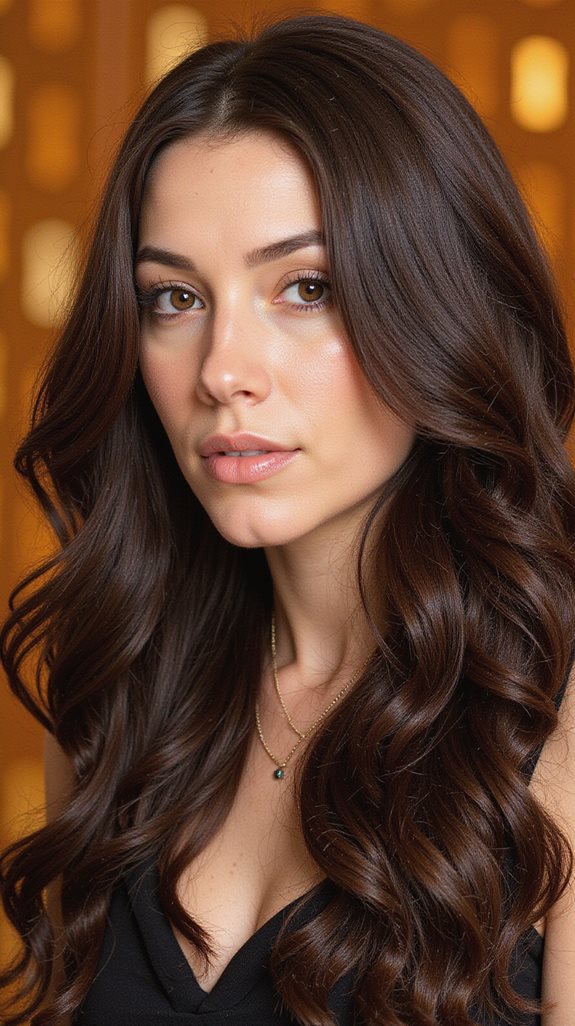
Dark chocolate brown hair sits between levels 2 and 4 on the hair color scale, drawing from a deep, cool-to-neutral brown base that mimics the richness of bittersweet cocoa. It delivers depth and sophistication without the harshness of black, making it one of the most universally flattering brunette shades.
The tone carries subtle warmth underneath, giving it a natural, multidimensional appearance. This shade adapts beautifully across skin tones — cool ash undertones complement olive complexions, while warmer mocha pulls flatter fairer skin.
A color-depositing shampoo is essential to maintain depth and prevent unwanted reddish-orange lifting. It works as a stunning all-over color or as a dimensional base for soft highlights.


Espresso Brown for Warm, Rich Dimension
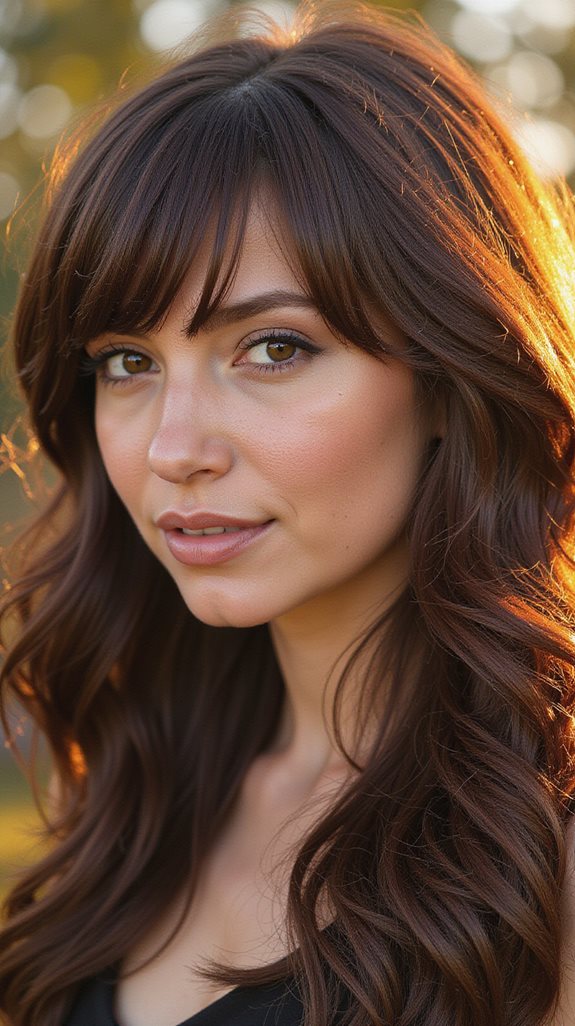
Espresso brown sits at level 2 on the hair color scale, delivering a near-black depth with distinctly warm, reddish-brown undertones. Unlike cooler ash-based dark shades, it absorbs and reflects light in a way that creates subtle variation across the hair shaft.
This natural warmth gives the color an intensity that avoids looking flat or one-dimensional. To amplify dimension, ask your colorist to weave rich espresso highlights through the top layers without compromising overall depth.
This technique works particularly well on medium-to-thick hair textures where light interaction is more pronounced. A sulfate-free, color-safe shampoo formulated for brunettes will preserve warmth and prevent premature fading.


Chestnut Brown With Golden Undertones
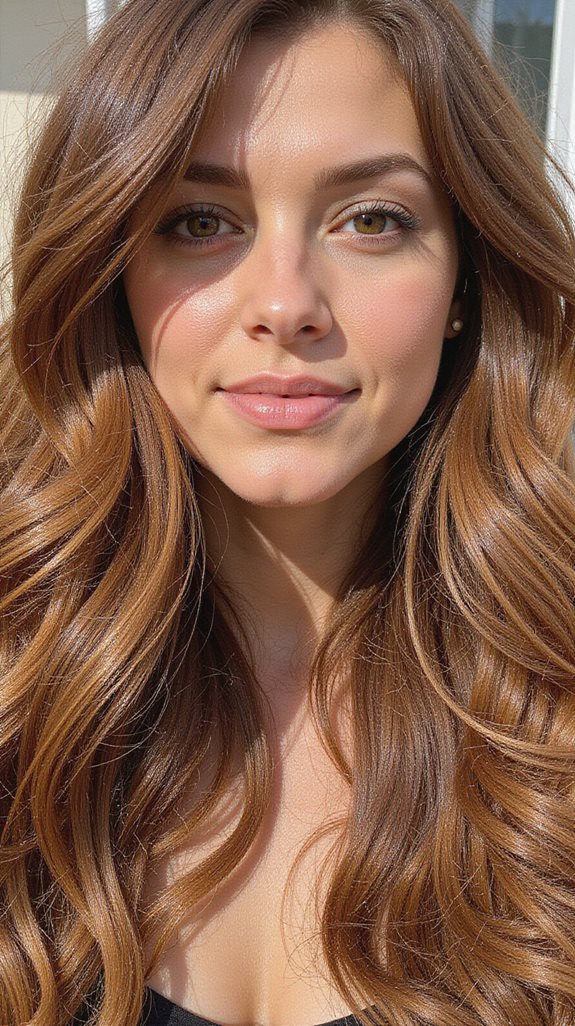
Balayage or foiling techniques can be used to weave golden tones through the hair, focusing placement around the face and crown for a natural, light-catching effect.
Maintaining this color requires sulfate-free, color-safe shampoos to protect pigment longevity.
A weekly gloss treatment helps sustain vibrancy between salon visits, combating tonal fading from UV exposure and hard water mineral buildup.


Dark Auburn Hair for a Fiery Twist
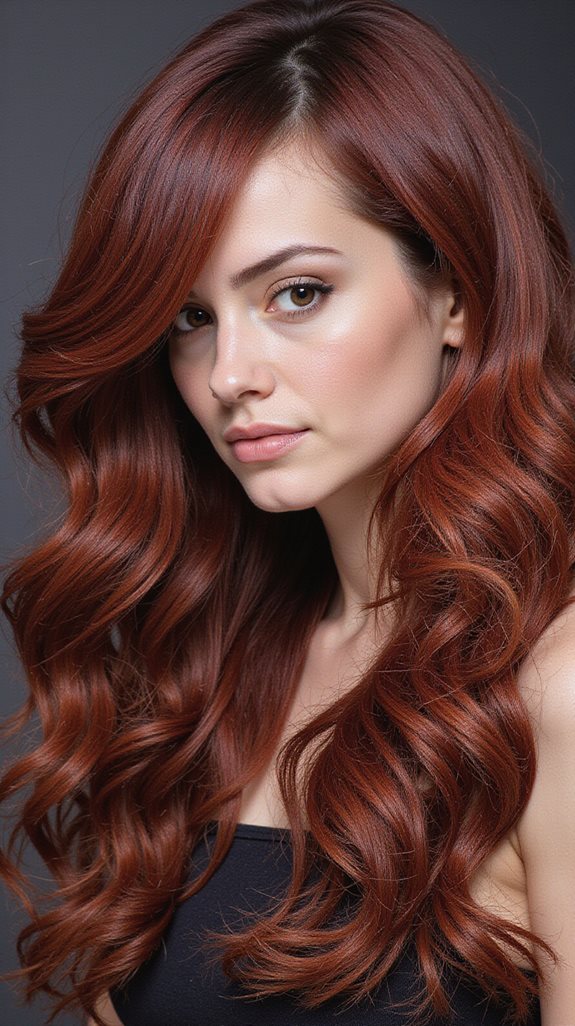
Dark auburn hair is a captivating blend of deep red and rich brown tones that commands instant attention. It sits at the cooler end of the red spectrum while still carrying enough warmth to complement medium to deep skin tones beautifully.
The contrast between the shade and deeper complexions amplifies its natural depth and dimension.
An auburn balayage technique delivers the most seamless, lived-in result, as colorists hand-paint lighter sections throughout the base for natural movement. Adding fiery highlights around the face draws light toward your features for a more intense, striking effect.
Maintaining vibrancy requires a color-depositing shampoo for red tones and minimal heat styling, since auburn pigments fade faster than cooler shades.


Burgundy Hair That Oozes Sultry Sophistication
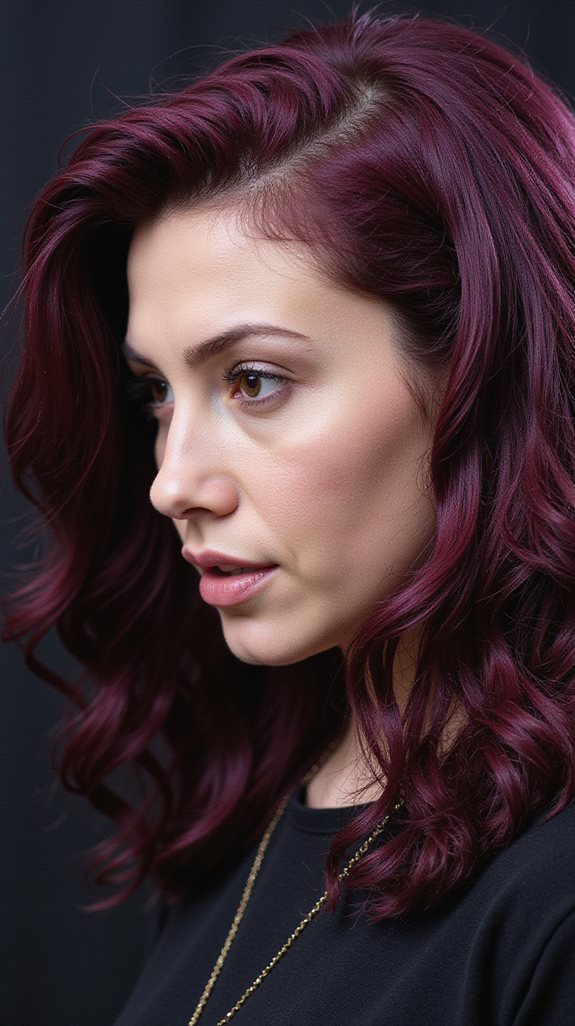
Burgundy hair blends the richness of red with deep violet undertones, creating a shade that feels both dramatic and polished.
It sits in a flattering color space that adds warmth to your complexion without pulling copper or orange. The tone carries a wine-soaked depth that works across skin tones and hair textures with equal elegance.
For those with dark bases, burgundy balayage or highlights offer a low-commitment way to introduce the shade through mid-lengths and ends.
A pre-lightening step is often necessary to ensure the pigment shows its true richness rather than blending invisibly into darker strands.
Subtle placements through brown or black hair create dimension that shifts beautifully under changing light.


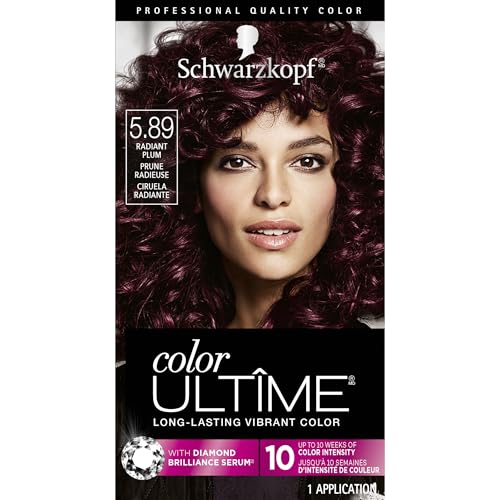
Deep Plum Shades for a Jewel-Toned Effect
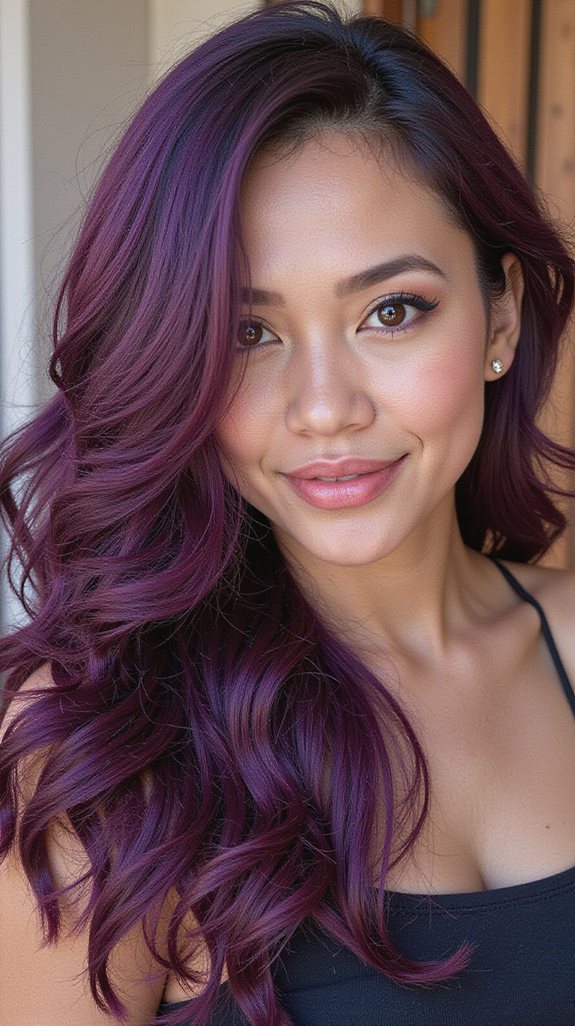
Deep plum sits at the intersection of purple and brown, pulling enough blue-violet pigment to read as a true jewel tone without tipping into lavender or bright magenta.
It photographs with depth rather than flatness, making it a reliable choice across natural and artificial lighting. The shade carries a richness that feels intentional and editorial without requiring bold styling to make it land.
On dark hair, a direct dye or semi-permanent formula deposits color over existing pigment without needing a lift, while lighter bases benefit from a toner applied post-lift to bond violet molecules evenly.
The color fades cooler over four to six weeks, shifting toward a softer berry tone that still reads polished. Either path produces a dimensional result rather than a flat, one-note finish.


Dark Cherry Red for Bold, Head-Turning Color
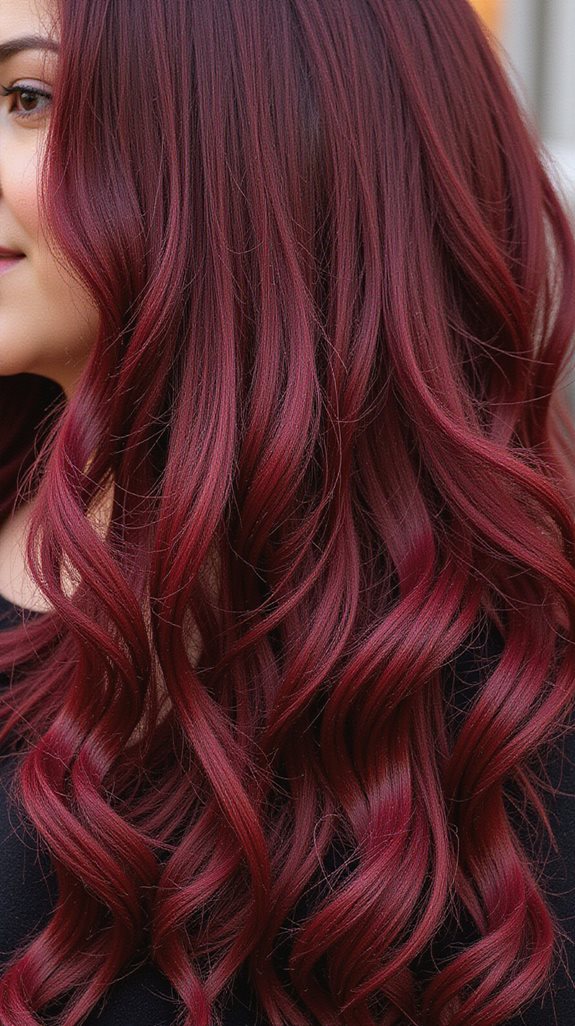
Dark cherry red sits within the jewel-tone spectrum where warm crimson meets cool black pigment, creating a shade that reads deep and saturated rather than bright or candy-toned.
Blue-black undertones suppress brassiness and maintain depth between appointments. Demi-permanent or permanent formulas at levels 3–4 targeting red-violet base pigments deliver this result most reliably.
On deeper natural bases, dark cherry red requires no pre-lightening, making it structurally accessible without sacrificing visual impact.
Color-depositing conditioners in red or burgundy tones counteract fading from UV exposure and washing frequency, while sulfate-free shampoo extends vibrancy.
Glazing every four to six weeks refreshes tone without repeated full-color processing.


Dark Mahogany for a Reddish-Brown Glow
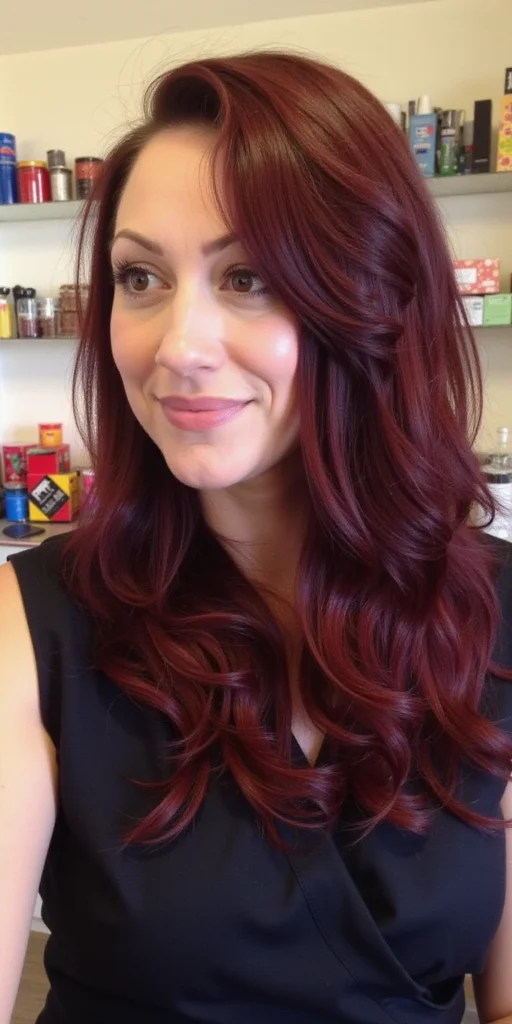
Dark mahogany hair sits at levels 3–5 on the color depth scale, blending red and brown pigments in a warm ratio that avoids copper or auburn tones.
It reads as deeply brunette indoors while shifting to a visible reddish glow under natural sunlight. This dual behavior gives the shade a dimensional quality that changes throughout the day.
Maintaining pigment saturation requires a color-depositing conditioner formulated for red-brown shades between salon visits. UV-protective products and chlorine avoidance are essential, since oxidation accelerates fading in red-pigmented formulas.
Soft waves or a round-brush blowout amplify the tonal depth, while flat ironing delivers a sleek finish that emphasizes the richness of the shade.


Smoky Ash Brown for a Cool, Edgy Finish
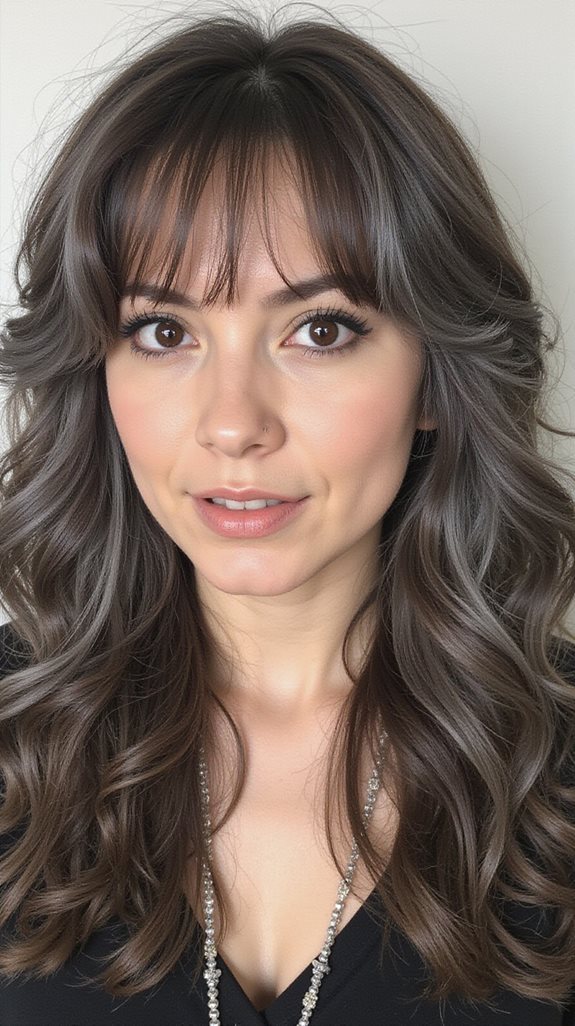
Smoky ash brown falls within levels 4–6 on the color depth scale, characterized by cool, blue-undertoned pigments that neutralize warmth in the base.
These tones create a structured, sophisticated look that aligns with edgy styles and seasonal trends like winter and autumn. Fine hair types benefit most, as the cool pigments add dimensional depth without weighing strands down.
Maintaining smoky ash brown requires a blue or violet toning shampoo used bi-weekly to prevent brassiness and preserve the cool finish.
Adding ash blonde highlights can intensify dimension and contrast within the shade.
Pairing the color with sleek blowouts or textured waves amplifies its cool, polished appearance.

Dark Mocha Hair With Caramel Highlights
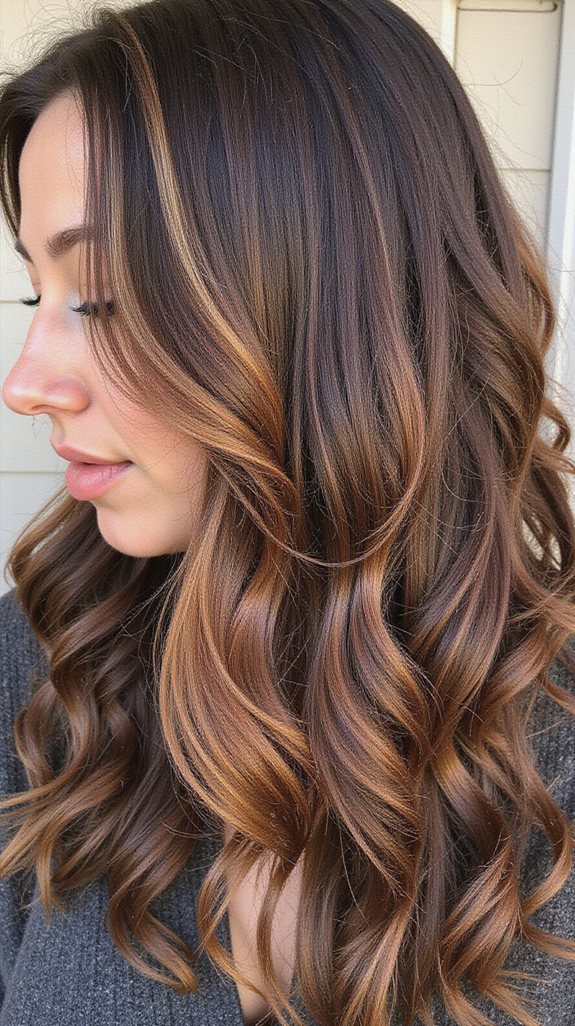
The caramel highlights are strategically placed through the mid-lengths and ends to mimic how sunlight naturally illuminates hair. This technique, executed through balayage or foiling, produces a seamlessly blended gradient rather than stark contrast.
This color pairing delivers noticeable dimension without the demanding upkeep of full highlights, making it a practical yet striking choice.
It works exceptionally well on medium to deep skin tones, enhancing warm undertones in both the complexion and the color palette itself.
Dark Balayage for a Sun-Kissed Dimension
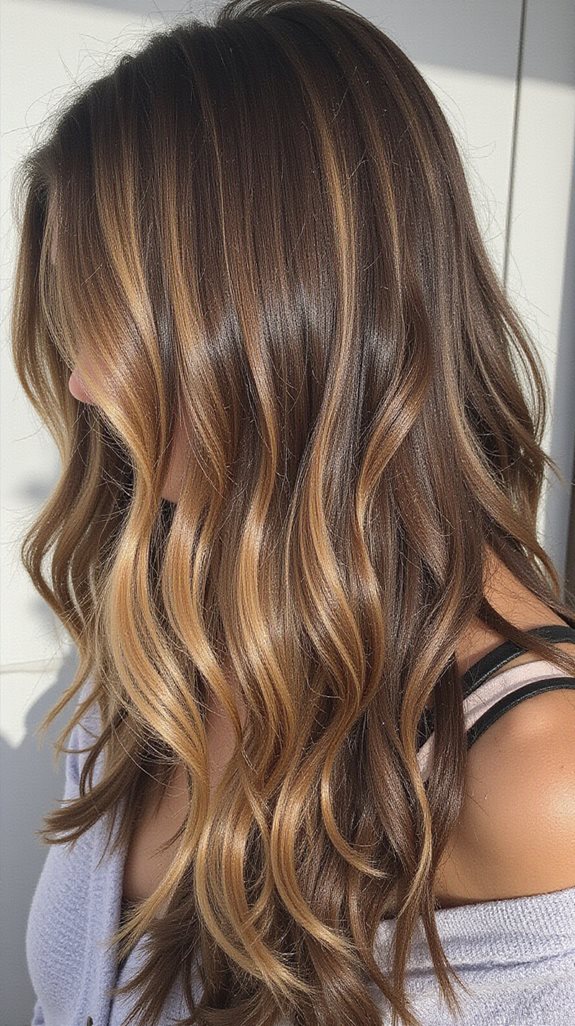
Dark balayage creates a sun-kissed dimension by hand-painting lighter tones onto dark base hair, focusing placement where natural light would realistically fall — the crown, face frame, and mid-lengths.
The freehand technique produces seamless, graduated transitions without harsh demarcation lines, making results appear naturally grown-in rather than constructed.
Colorists typically lift two to three levels on deep bases, using clay lighteners that process slower for a softer, more diffused finish.
Maintenance intervals stretch to 12–16 weeks, giving dark-haired clients a dimensional, naturally shifting result between dark roots and lighter ends.


Dark Ombre Hair From Root to Tip
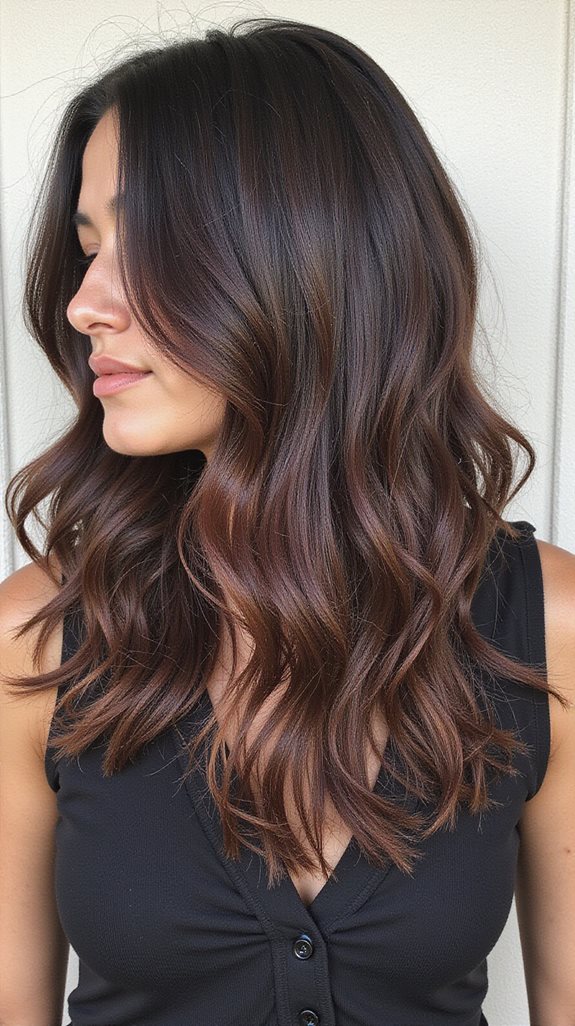
Dark ombre hair creates a deliberate gradient that flows from deep, rich roots to lighter tips through structured color placement.
Unlike scattered techniques, this method uses horizontal sectioning and controlled color bands to build a seamless shift in tone. The result is a high-contrast, polished look that can range from black-to-burgundy to dark brown-to-ash blonde depending on your base.
Maintaining dark ombre hair requires consistent care to preserve both the depth at the roots and the integrity of the lighter ends.
Sulfate-free shampoo protects color longevity, while toning appointments every six to eight weeks keep unwanted brassiness in check.
UV-protective leave-in treatments further shield the hair from oxidation and color degradation.


Black to Brown Ombre With a Seamless Blend
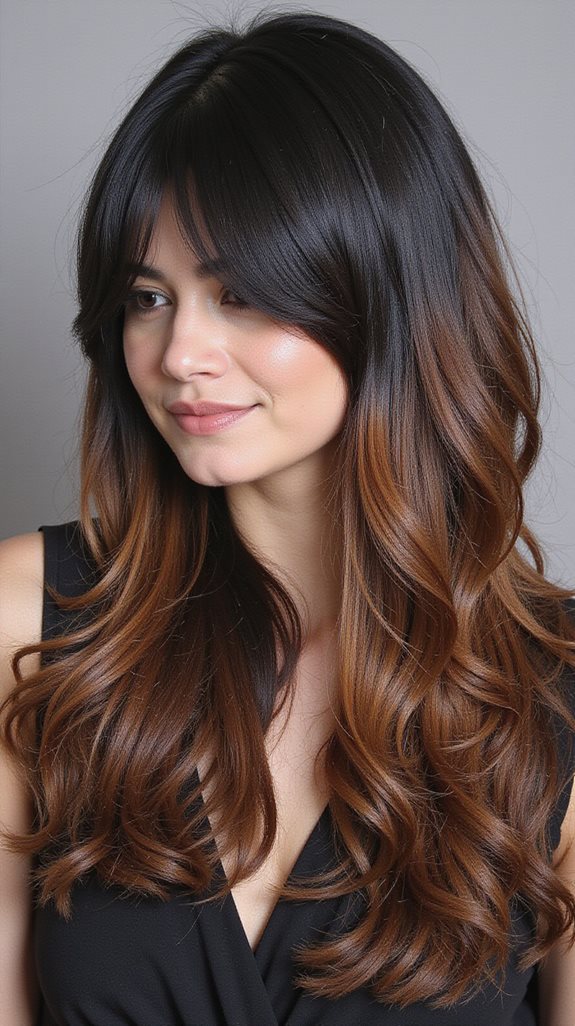
Black to brown ombre creates a stunning gradient effect by blending deep black roots into rich brown ends with a smooth, natural-looking transition.
The technique relies on hand-painted balayage diffusion, using transitional shades like soft sables and warm chestnuts to eliminate harsh lines between colors. This method works beautifully across various color combinations, from espresso-to-mocha to jet-to-caramel.
Maintaining the seamless blend requires violet-based toners to counteract unwanted brassiness as the color develops over time. Scheduling an ombre refresh every ten to twelve weeks keeps the mid-shaft transition zone looking polished and intentional.
The style is versatile enough to complement any natural hair texture or starting depth.


Dark Hair Colors That Flatter Warm Skin Tones
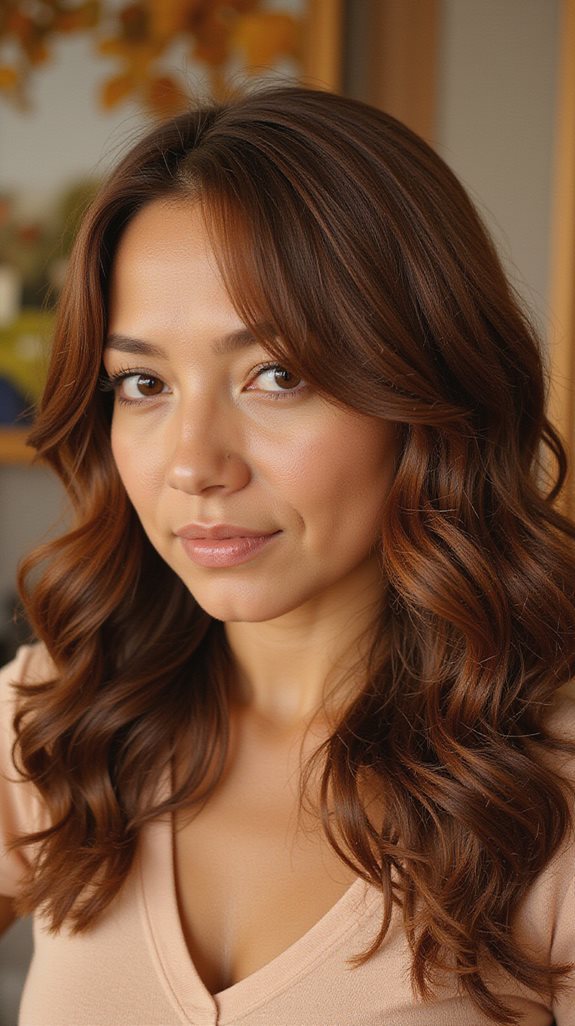
Warm skin tones with golden, peachy, or olive undertones pair beautifully with dark hair colors that carry matching warm pigments. Rich chocolate and espresso shades create natural harmony, enhancing your complexion rather than dulling it.
Caramel balayage highlights woven through a dark base introduce golden depth that mirrors your skin’s innate radiance.
Styling dark warm-toned hair in soft waves maximizes light interaction across each strand, amplifying shine and dimension.
Adjusting color intensity seasonally—deeper in autumn, slightly lifted in summer—keeps the look fresh and intentional.
Always discuss pigment undertones with your colorist to ensure your dark shade maintains consistent warmth and skin tone balance.


Dark Shades That Work Best on Cool Skin Tones
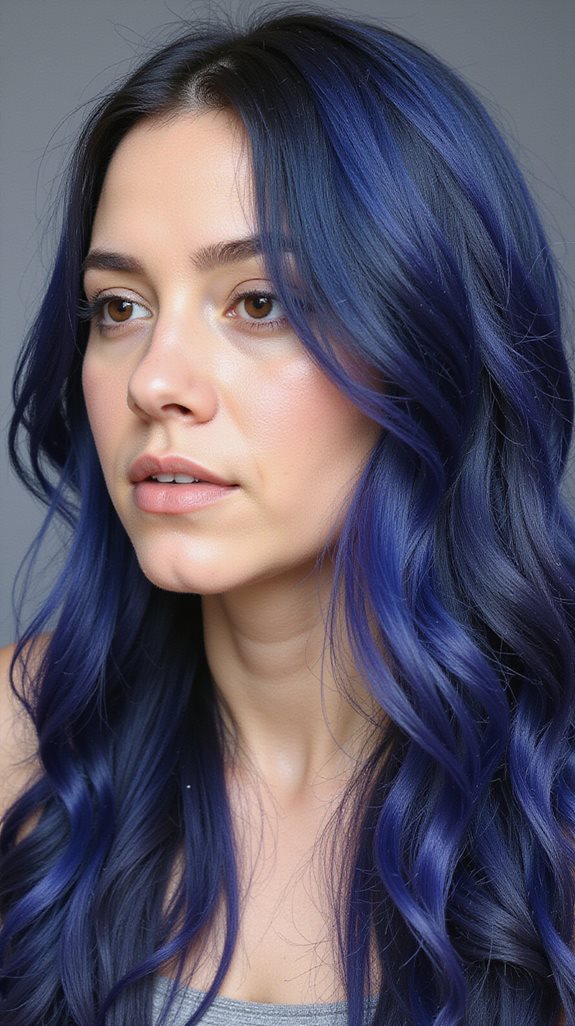
Cool skin tones, defined by pink, red, or bluish undertones, pair beautifully with dark hair colors that carry ashy, cool-based pigments. Shades like dark ash brown, blue-black, and violet-infused espresso work to neutralize redness while creating sharp, defined contrast against the complexion. These hues enhance your natural undertones rather than working against them.
Dark ash brown mirrors the cool tones already present in your skin through its gray-based formula, making it a seamless and flattering choice.
Blue-black adds a subtle cool luminosity that complements both porcelain and olive complexions with cool undertones. Consulting a professional colorist ensures you find the precise depth and pigment balance suited to your specific skin tone.

How to Keep Dark Hair Color Vibrant Longer
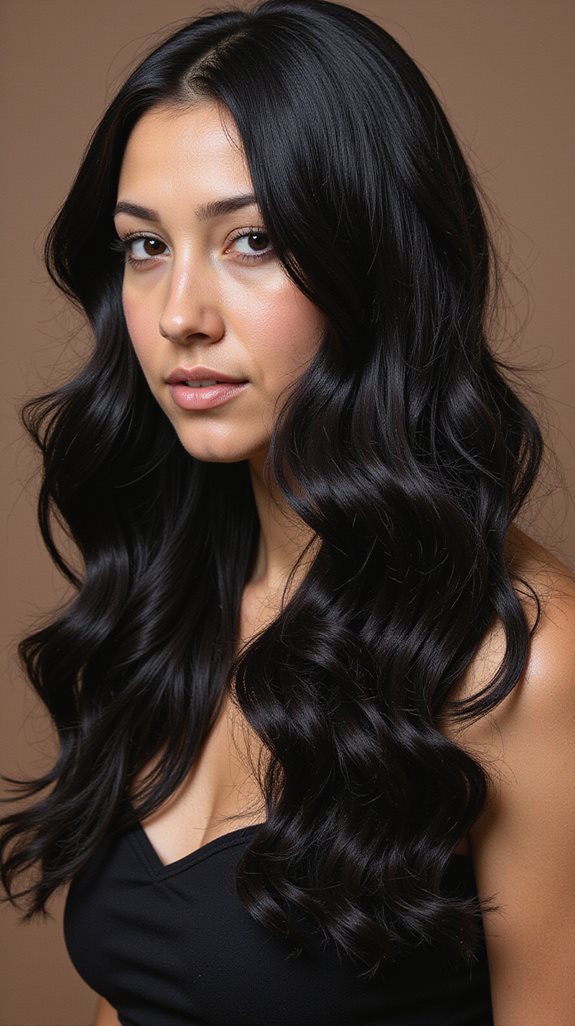
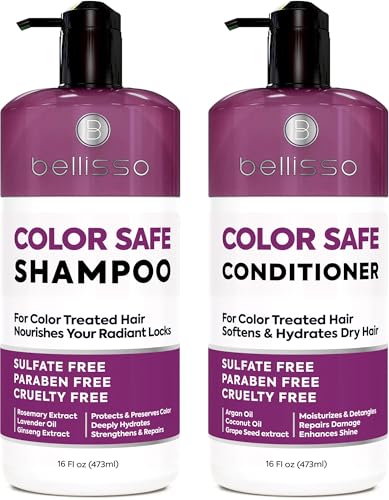
Switching to a sulfate-free shampoo is one of the most effective ways to preserve dark hair color.
Sulfates aggressively strip pigment molecules from the hair shaft with every wash, causing color to fade faster. Color-safe formulas deposit micro-conditioning agents that seal the cuticle and lock pigment in place between salon visits.
Washing with cool water prevents the cuticle from expanding and releasing dye, while a weekly deep conditioning mask maintains structural integrity and reflective shine.
A cold water rinse after conditioning flattens the cuticle further, maximizing color retention. Limiting heat styling and applying a thermal protectant when necessary also reduces pigment breakdown over time.


Dark Hair Color Ideas for Short Hair
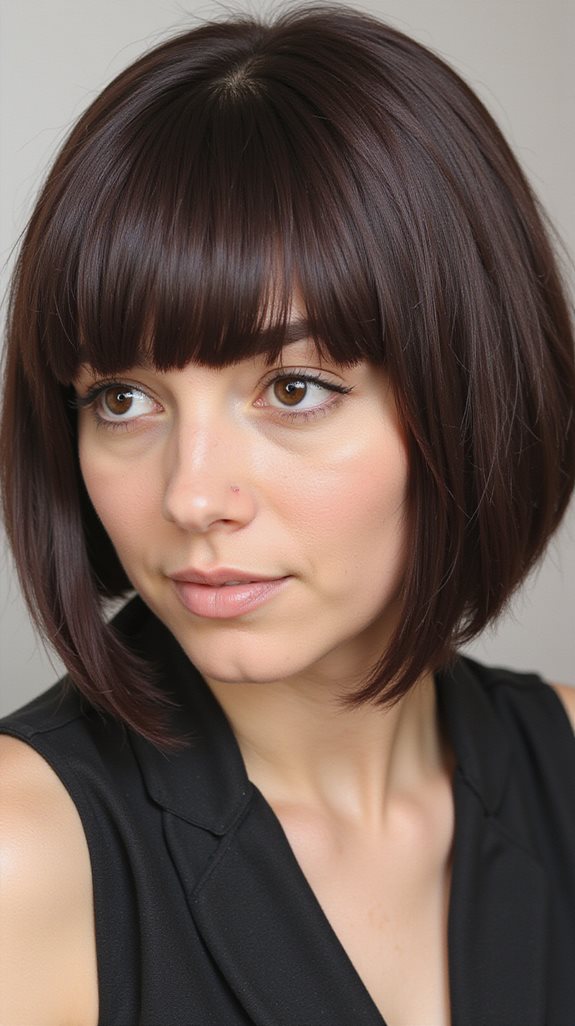
Short hair creates an unexpectedly powerful canvas for dark color, where every shade decision carries more visual weight.
High-contrast techniques like shadow roots and strategic highlights add dimension even within minimal length, making dark tones appear richer and more intentional.
Jet black sharpens the geometric lines of a pixie cut, while espresso brown brings softness and warmth to a bob.
Frequent toning is essential on short cuts since color fades faster due to higher washing frequency and environmental exposure.
Gloss treatments every three to four weeks keep deep, cool-toned shades saturated and visually striking.

Dark Hair Color Trends Worth Trying This Year
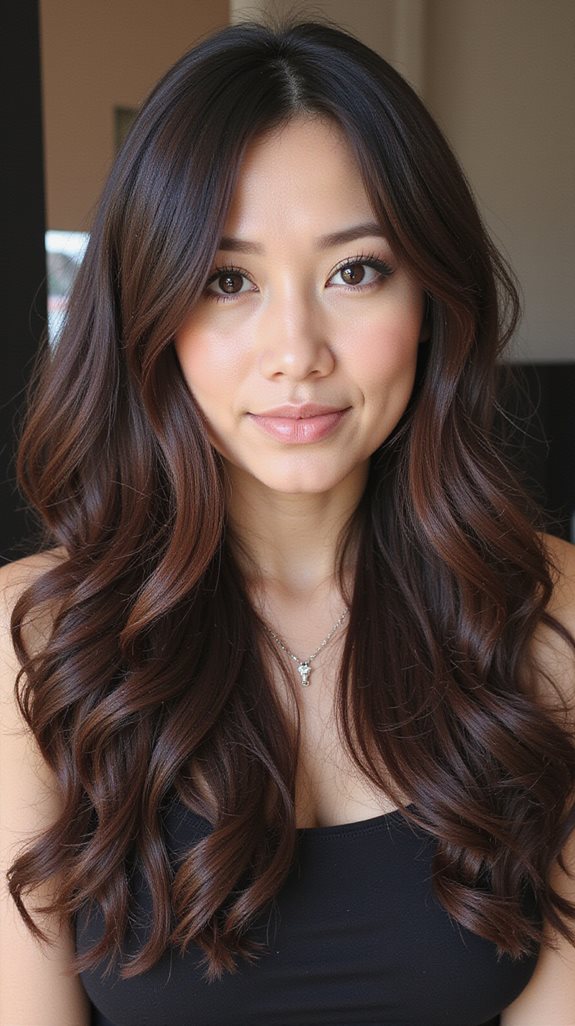
Dark hair color trends this year focus on depth, movement, and longevity rather than high-maintenance vibrancy. Colorists are favoring shadow roots, dimensional glossing, and strategic toning over flat, uniform color.
Rich obsidian finishes and raven hues with blue or violet undertones deliver sophisticated complexity with minimal upkeep.
Money-piece framing around darker bases creates striking contrast without full highlight commitment.
Velvet brunette techniques use custom toners to produce ultra-smooth, glossy results that prioritize hair integrity. These methods ensure color maintains structural health throughout its lifecycle.


Frequently Asked Questions
Can Dark Hair Colors Work Well on All Hair Textures?
Yes, dark hair advantages apply across all hair textures. You’ll find dark hair trends enhance fine, coarse, curly, and straight strands equally, as deeper pigments add dimension, richness, and visual density regardless of your natural texture.
How Often Should You Touch up Fading Dark Hair Color?
You should touch up color fading every 4–6 weeks for rich, deep hues. Follow these maintenance tips: use color-safe shampoo, minimize heat styling, and schedule professional glossing treatments to extend vibrancy between sessions.
Does Dark Hair Color Cause More Damage Than Lighter Shades?
Dark color myths aside, darker shades don’t inherently cause more damage than lighter ones. Your damage risk depends on the chemical process used, not the shade. Follow proper hair care tips to minimize any color-related harm.
Can You Achieve Dark Hair Color Results Without Bleaching First?
You can achieve dark hair color results without bleaching first. Dark dye techniques work directly on your natural base, and color application methods deposit pigment effectively, making bleaching unnecessary for most deep, rich shades.
What Developer Strength Works Best for Dark Hair Color Applications?
For dark hair color applications, you’ll want to use 20 volume developer. It ensures proper color level compatibility and follows developer recommendations for optimal gray coverage and deposit without lifting your natural dark base excessively.
Finally
While you’re going for jet black, midnight blue, or deep chocolate brown, you’ve got plenty of options to work with. The key is matching your chosen shade to your skin tone, maintenance tolerance, and lifestyle.
You’ll also want to invest in color-safe products to protect your investment. Dark hair colors deliver serious impact with the right execution — so pick your shade, consult a colorist if needed, and commit to the look.