23 Dutch Braid Hairstyles That Look Complicated But Aren’t
You’ll master Dutch braid versatility through inverted crossing techniques that create raised, dimensional effects. Start with classic double Dutch braids using consistent tension and proper sectioning, then progress to single side braids with deep parts.
Advanced styles include Dutch crown braids for halo effects, fishtail variations for intricate patterns, and waterfall braids with cascading releases. Enhance your looks with ponytail updos, romantic heart shapes, and twisted textures using bobby pins and texturizing spray. These foundational techniques unlock endless styling possibilities.
Classic Double Dutch Braids
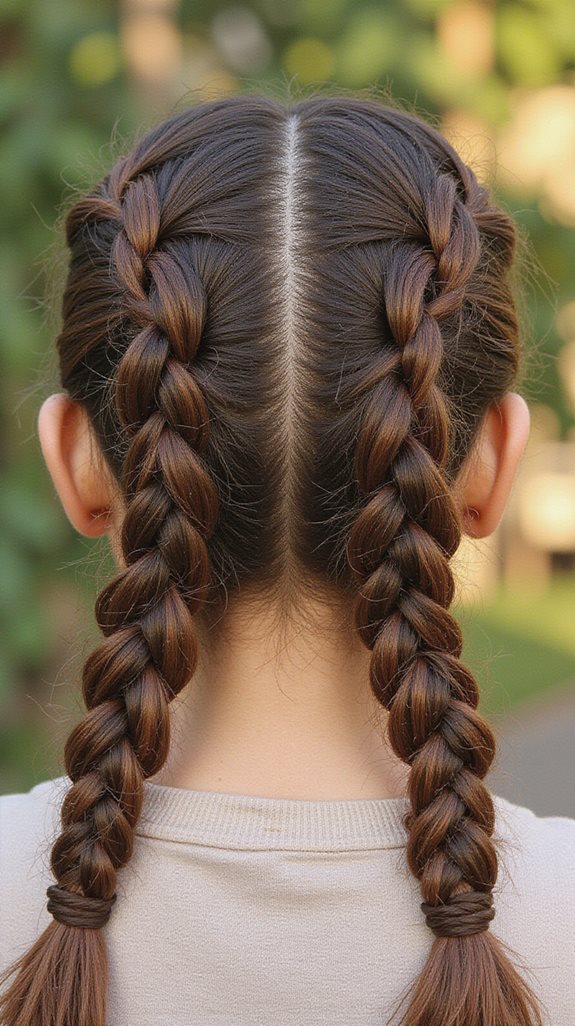
Classic Double Dutch Braids are an elegant hairstyling technique that involves creating two inverted braids by crossing hair sections underneath rather than over the top.
This foundational skill requires precise center parting and consistent tension control to achieve professional-looking results. The technique distinguishes itself from French braiding through its unique under-weaving method.
These versatile braids work excellently for both athletic activities and formal occasions, making them a popular choice across various settings.
Applying texturizing spray beforehand enhances grip and longevity of the style. The braids can be customized with ribbons or accessories and have deep cultural significance across multiple traditions worldwide.


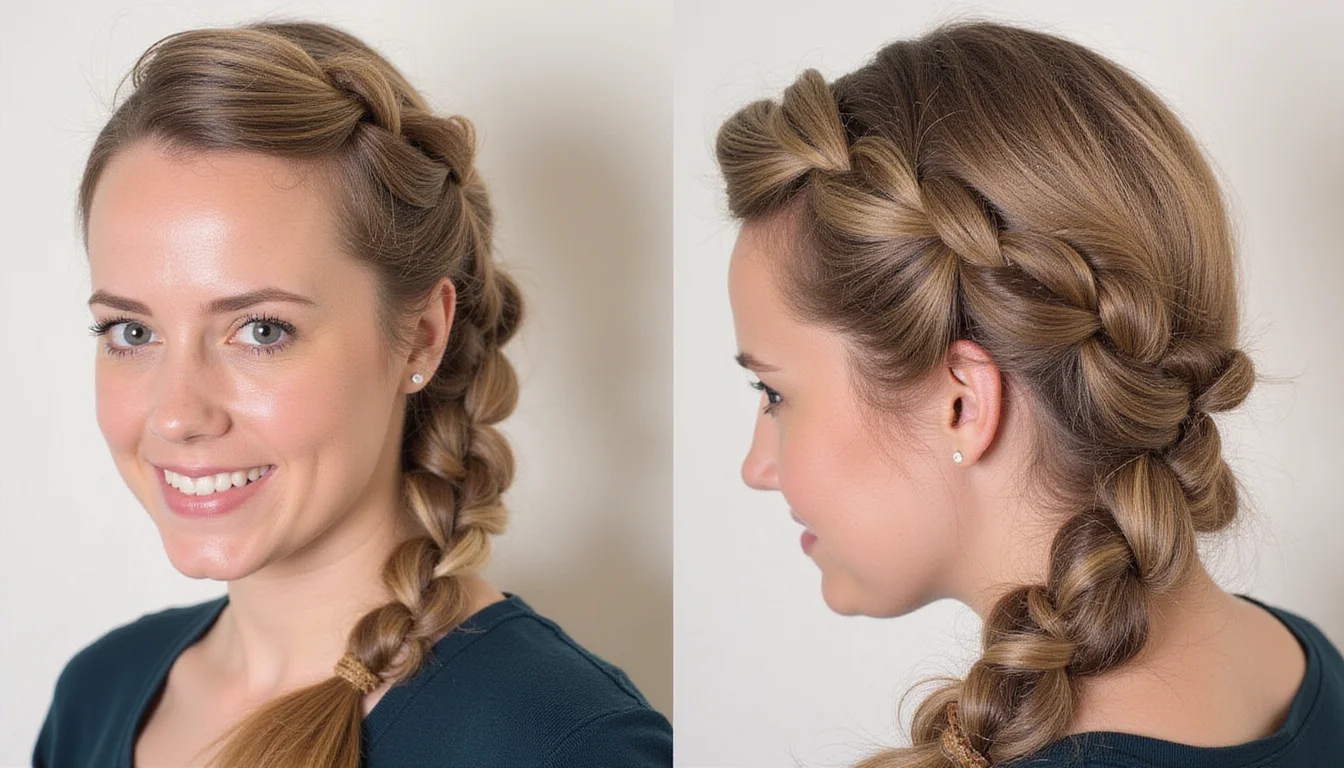
Single Side Dutch Braid
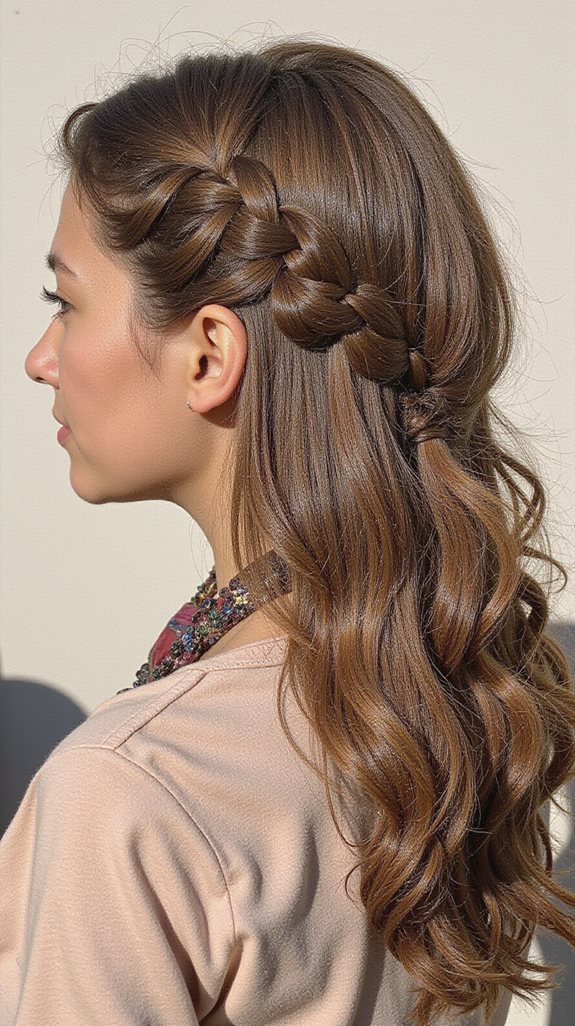
The Single Side Dutch Braid creates an eye-catching asymmetrical look that demonstrates sophisticated braiding skills. This technique involves starting with a deep side part and weaving an inverted braid along one side of the head.
The style requires crossing outer hair strands under the middle section while continuously incorporating new hair from the scalp. Proper execution depends on maintaining consistent tension and following the natural curve of your head throughout the braiding process.
Bobby pins help secure any loose pieces, while texturizing spray provides better grip for fine hair. The finished braid can be enhanced by gently pulling apart sections to create fuller volume and more defined texture.
Dutch Crown Braid
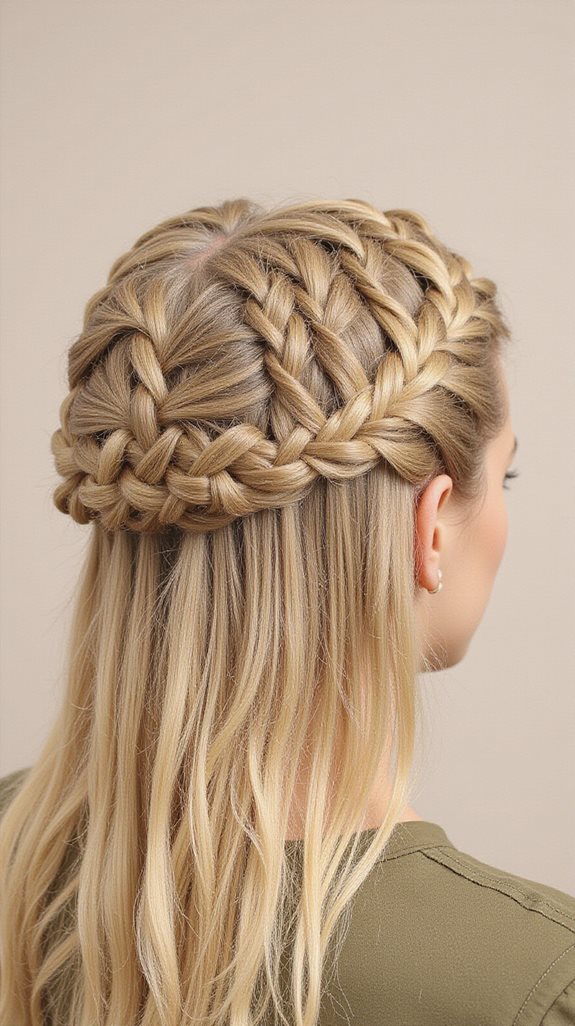
The Dutch Crown Braid creates an elegant halo effect that encircles your entire head with a continuous, regal-looking braid. Starting at your hairline above one ear, you’ll section three small strands and use the Dutch technique by crossing outer sections under the center strand.
As you work around your head’s perimeter, continuously add hair from both sides while maintaining consistent tension. This sophisticated style requires precise angle adjustments to follow your head’s natural curve as you braid around the full circle.
Once you complete the crown, secure the remaining hair length and tuck the tail discretely under the braided crown. The technique can be enhanced with ribbons, flowers, or multiple concentric circles for added visual dimension.


Dutch Fishtail Braid
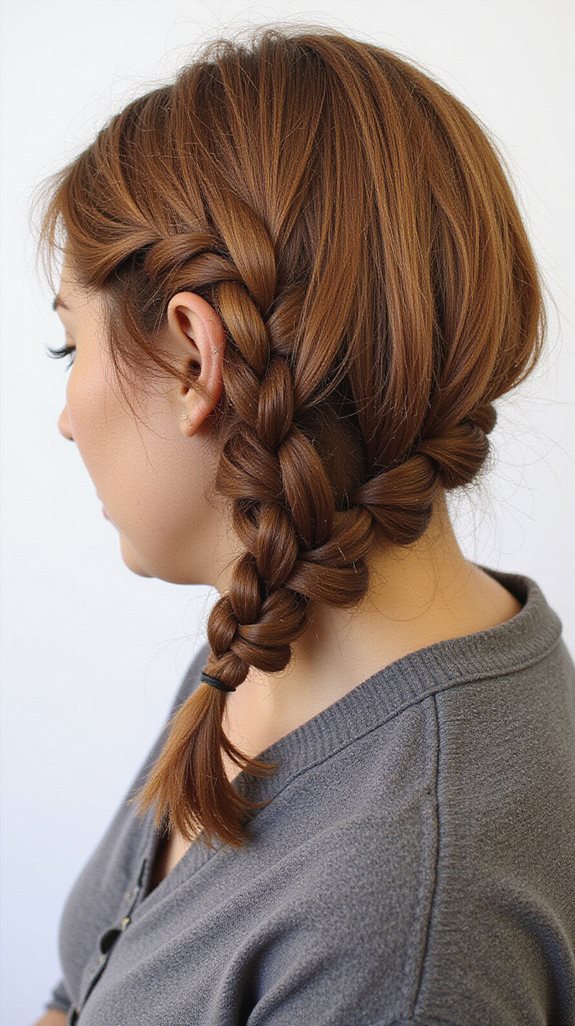
The Dutch Fishtail Braid combines the dimensional height of Dutch braiding with the intricate weaving pattern of fishtail technique. This creates a textured style that appears more complex than traditional three-strand methods.
The technique involves working underneath each section rather than over, creating an inverted effect.
You’ll begin by sectioning hair at the crown into two equal portions, taking thin strands from outer edges and crossing them under to opposite sections. Continue alternating sides while maintaining tension for the dimensional look.
Gently pancake the finished braid by pulling apart outer edges to enhance the characteristic texture of this advanced styling method.

Dutch Braid Ponytail
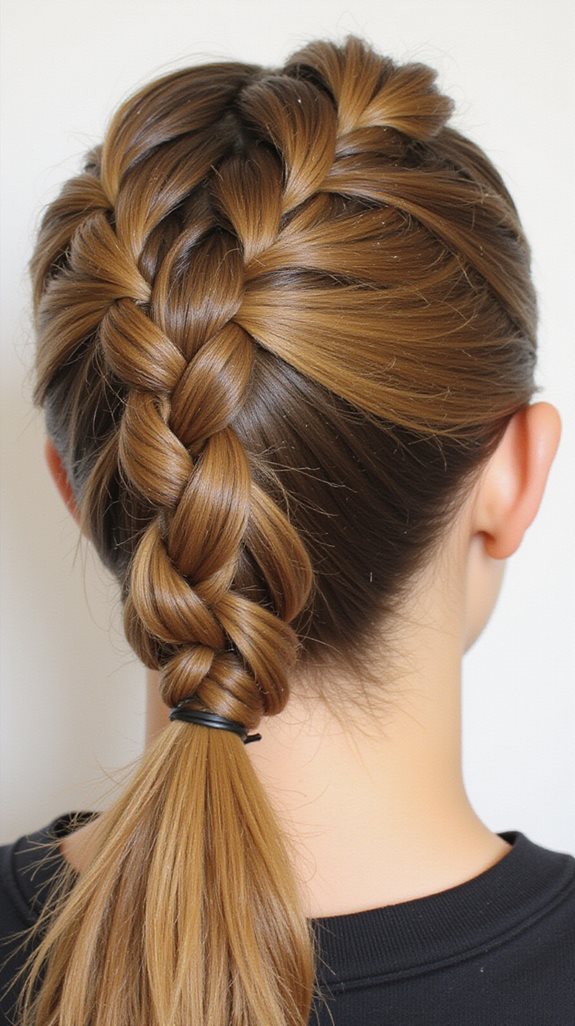
The Dutch Braid Ponytail creates a sophisticated updo that works for both casual and formal occasions.
This versatile style starts with applying texturizing spray to damp hair for better grip and definition. Begin the dutch braiding technique at your hairline, incorporating small sections while braiding underneath rather than over.
Continue the inverted braiding pattern down to your nape and secure temporarily with a clear elastic.
Gather the remaining loose hair with your completed braid into a high or mid-level ponytail position. This trendy style combines structured braiding with effortless movement, creating dimensional texture that photographs beautifully.


Dutch Braid Bun
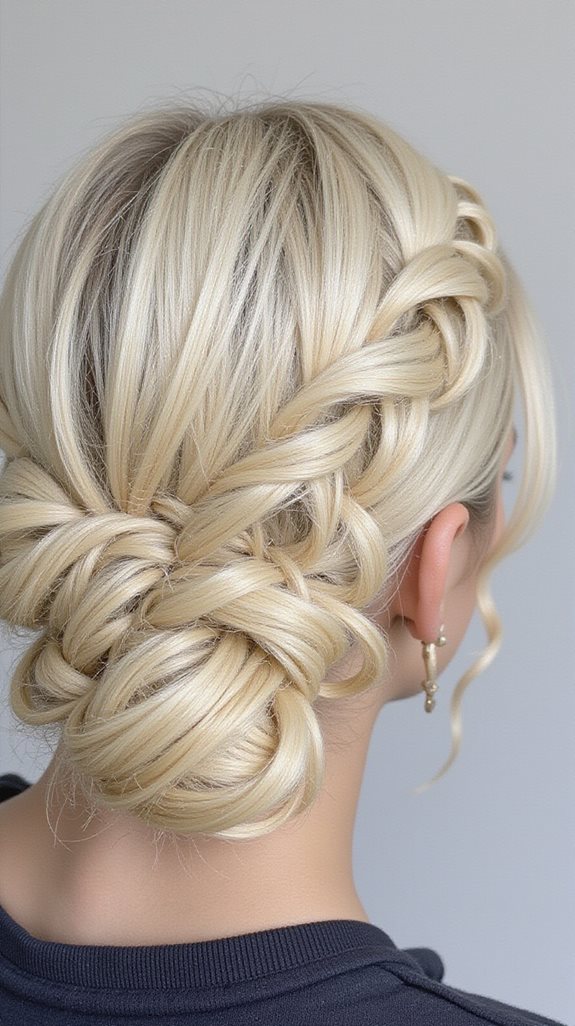
The Dutch Braid Bun combines the intricate weaving technique of Dutch braiding with an elegant updo finish. This sophisticated hairstyle begins with creating a Dutch braid from the crown down to the nape, then wrapping the remaining length into a secure bun formation. The result is a polished look that works perfectly for formal occasions and professional environments.
Achieving the perfect Dutch Braid Bun requires proper sectioning and consistent tension throughout the braiding process. Bobby pins matching your hair color should be strategically placed every two inches to ensure lasting hold.
Texturizing spray applied before styling enhances grip and extends the longevity of this refined hairstyle.


Half-Up Dutch Braid
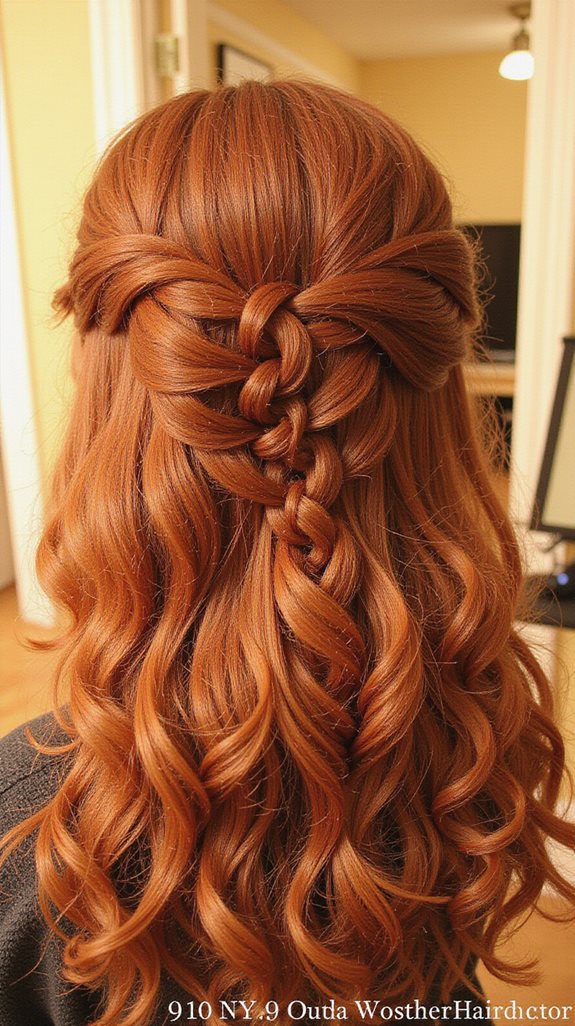
The Half-Up Dutch Braid combines effortless style with polished sophistication, making it perfect for both casual outings and semi-formal events.
This versatile technique involves creating an inverted braid along the crown while leaving the remaining hair loose and flowing. The contrast between structured braiding and free-flowing locks creates visual interest and dimension.
To achieve this look, section hair horizontally from ear to ear and begin Dutch braiding by crossing strands underneath rather than over.
Maintain consistent tension throughout the braiding process to ensure a uniform, professional appearance.
Creative accessories like metallic rings, pearl pins, or woven ribbons can elevate the style for special occasions.
Dutch Braid Headband
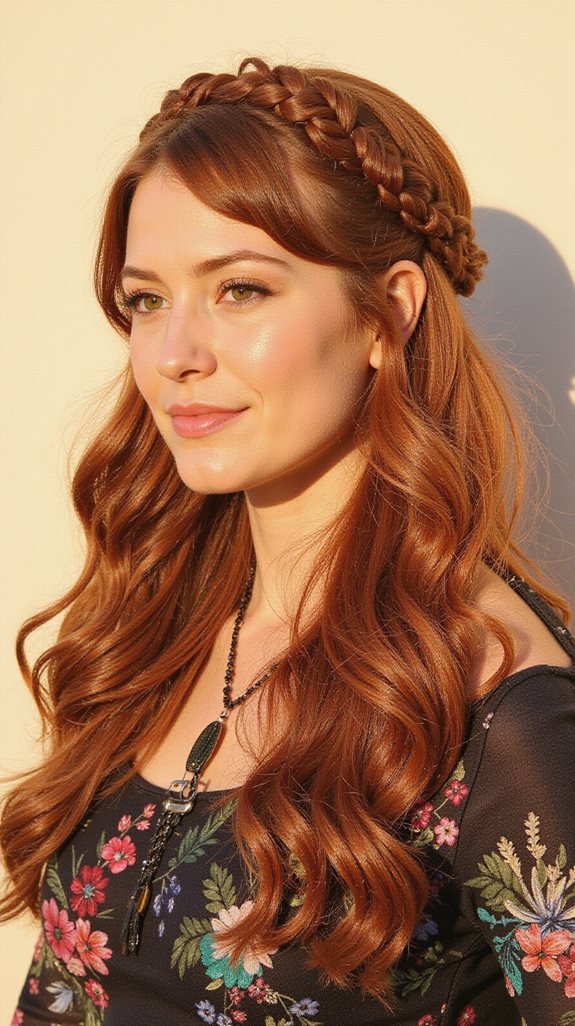
The Dutch Braid Headband creates an elegant crown-like effect by weaving hair along your natural hairline.
This inverted braiding technique involves crossing hair sections underneath rather than over, creating a raised braid that stands out beautifully against your head.
Start by sectioning hair above one ear and work systematically across your forehead to the opposite ear.
Maintain consistent tension while incorporating small sections from your hairline to achieve an even, polished look.
Finish with texturizing spray and decorative accessories to enhance the headband’s visual impact.


Messy Dutch Braid
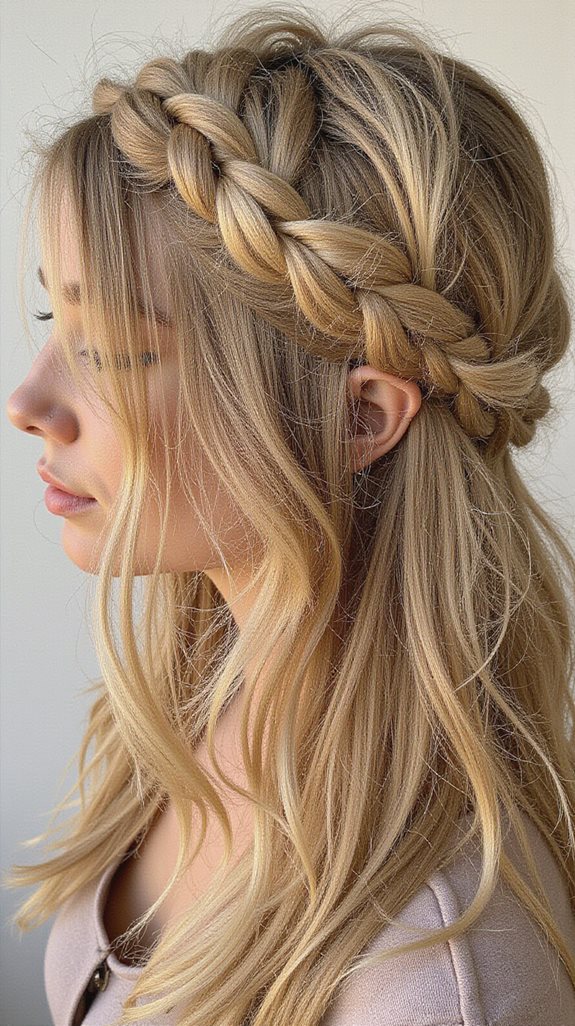
The Messy Dutch Braid combines traditional Dutch braiding technique with deliberately loosened sections to create an effortlessly undone look.
Start by creating a standard Dutch braid, incorporating hair underneath each strand as you move down the scalp. Once secured with an elastic, strategically pull apart each woven section using fingertips to expand width and add texture.
Focus on gently tugging the outer edges of braided segments to achieve maximum volume and dimension.
The remaining length can be gathered into a loose messy bun, secured with bobby pins while allowing pieces to escape. This creates enhanced texture and natural movement for a perfectly imperfect finish.
Dutch Braid Pigtails
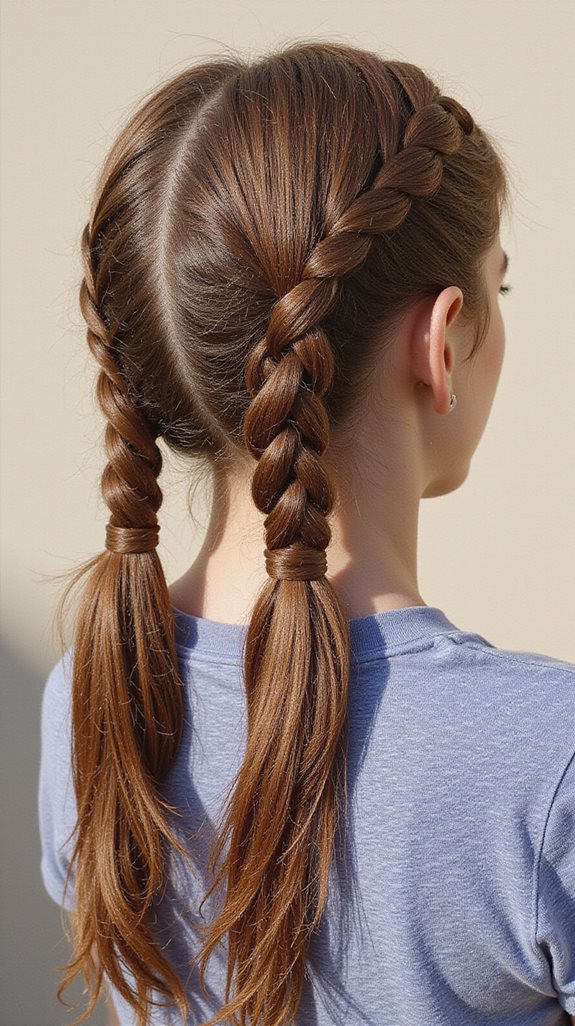
Dutch Braid Pigtails create a sophisticated symmetrical hairstyle that showcases intricate weaving techniques on both sides of the head. This styling method requires precise sectioning with a clean center part and consistent tension control to achieve professional-looking results.
The signature Dutch braiding technique involves crossing hair strands under rather than over, creating raised braids that stand out from the scalp.
Strategic use of coordinating accessories like ribbons or decorative pins enhances the polished appearance while securing loose pieces effectively.


Dutch Braid With Ribbon
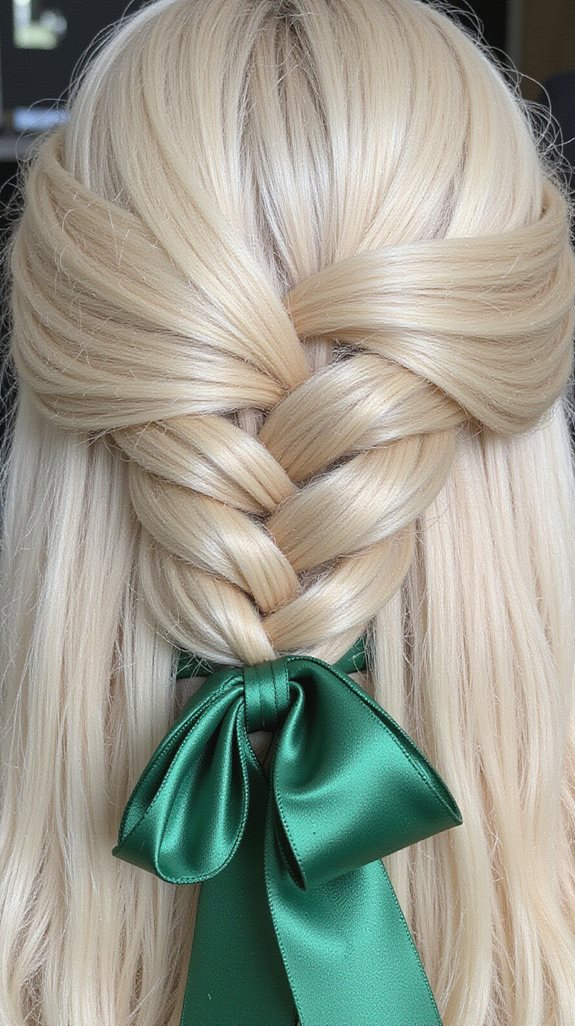
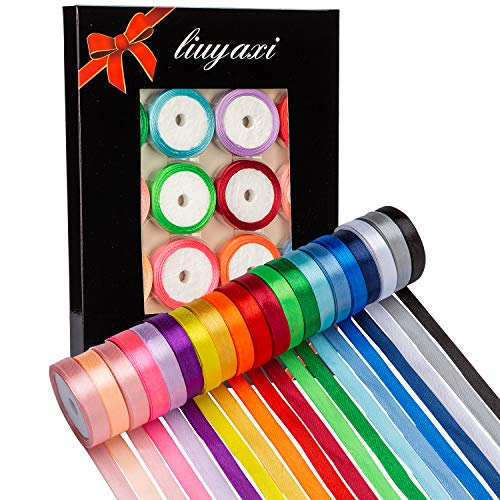
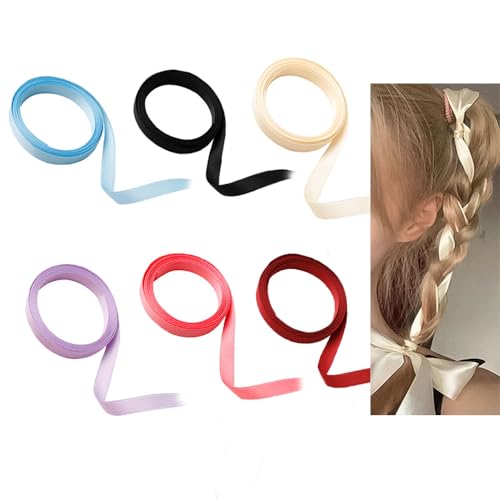
A Dutch braid with ribbon creates a stunning decorative hairstyle by weaving colorful ribbon through each section of the braid.
Choose from satin, grosgrain, or velvet ribbons in colors that complement your outfit or provide striking contrast. Secure the ribbon at your crown before beginning the Dutch braiding technique.
This festive braiding style works perfectly for holidays and special occasions when you want to make a statement.
Thin ribbons offer subtle elegance while wider ribbons create bold, eye-catching effects. Select seasonal colors like pastels for spring events, metallics for winter celebrations, or warm earth tones for autumn gatherings.
Inverted Dutch Braid
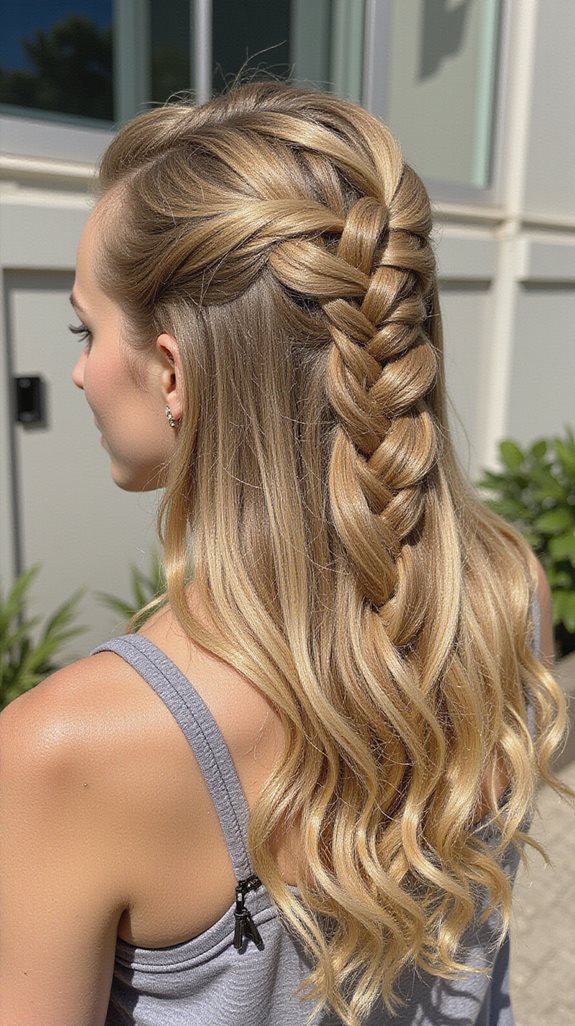
The inverted Dutch braid is a stunning upside-down braiding technique that creates a dramatic raised effect along your scalp.
Starting from the nape of your neck, you cross hair sections under rather than over the middle strand while working upward toward the crown. This reversed approach produces a braid that appears to sit prominently on top of your head.
This versatile style offers numerous creative possibilities for different occasions and hair lengths.
You can create half-up looks by stopping at mid-scalp or experiment with multiple inverted braids for intricate geometric designs.
The technique works particularly well for adding texture and visual interest to both casual and formal hairstyles.
Dutch Braid Mohawk
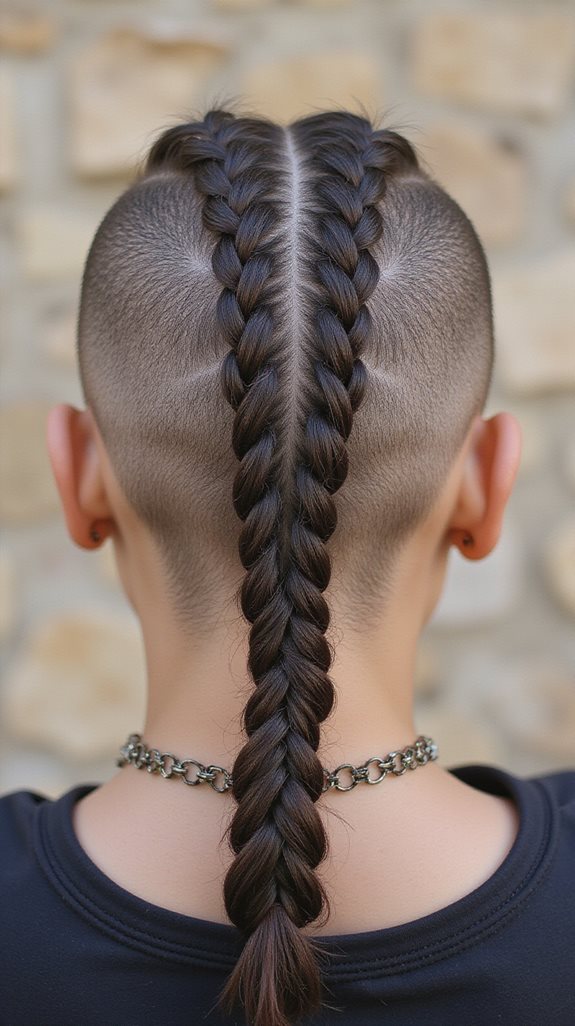
The Dutch braid mohawk creates a striking edgy look by combining precise braiding techniques with bold visual impact. This style involves sectioning hair into three vertical strips, with the center section measuring 2-3 inches wide for optimal mohawk structure.
The side sections are temporarily clipped away while focus remains on the central braiding area.
Begin the Dutch braid at the hairline center and work backward while maintaining consistent tension throughout the process. The Dutch braiding technique enhances texture visibility and creates dimensional height that amplifies the mohawk’s dramatic effect.
Complete the look by styling side sections sleekly against the head using pomade or gel for maximum contrast and professional finish.
Dutch Braid Side Sweep
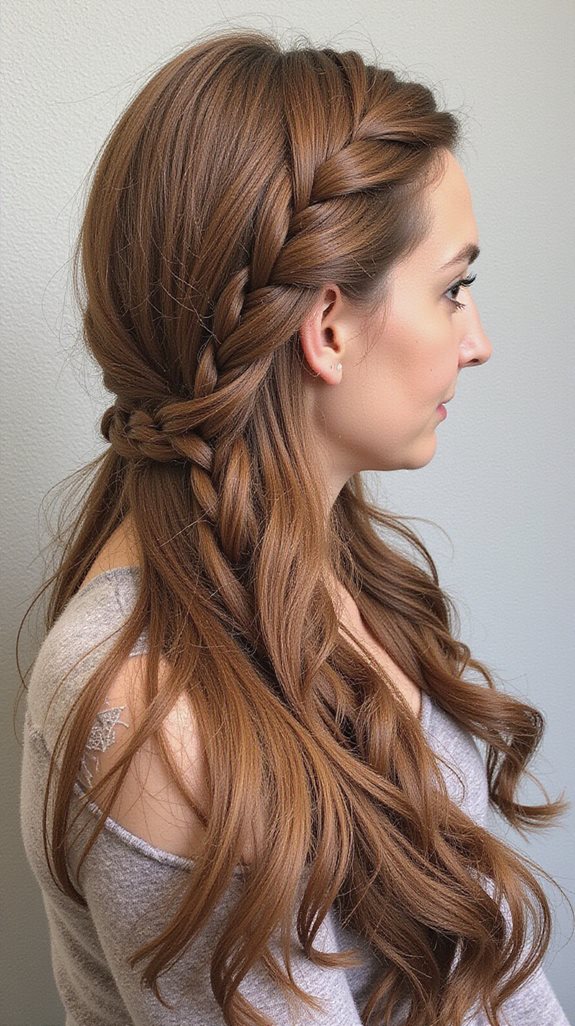
The Dutch braid side sweep creates sophisticated asymmetrical elegance through strategic directional placement starting from a deep side part near the temple.
This inverted braiding technique sweeps diagonally across the crown toward the opposite ear, offering a polished alternative to bold symmetrical styles. The style works perfectly for professional settings while maintaining an effortlessly chic appearance.
Consistent tension throughout the weaving process ensures clean definition, while lightweight gel helps secure flyaways for a sleek finish.
Pancaking technique can be applied by gently pulling braid segments to create a fuller, more voluminous appearance.
Overnight silk wrapping preserves the braid’s definition and minimizes frizz formation for extended wear.

Dutch Braid Updo
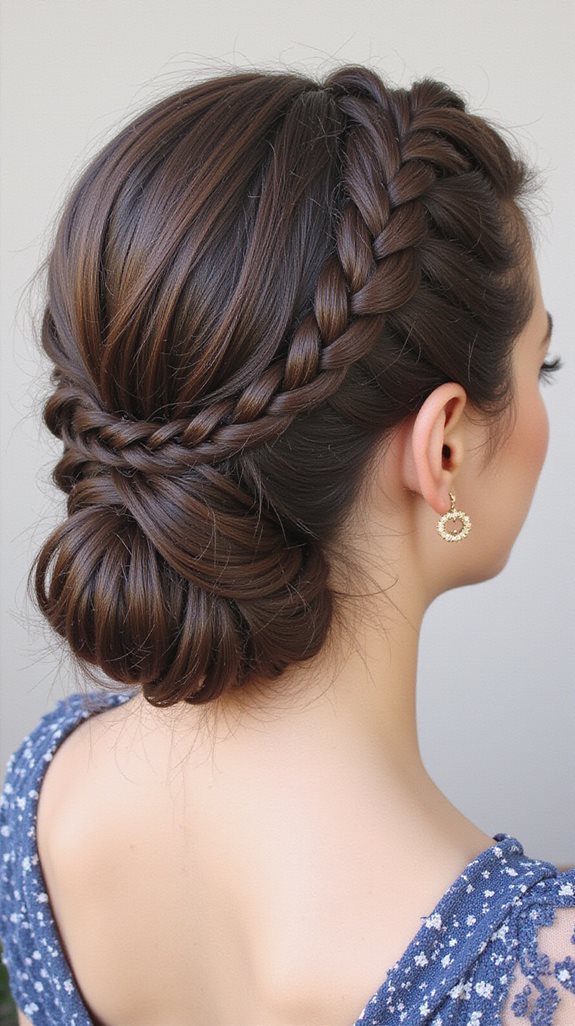
The Dutch braid updo combines multiple Dutch braids into an elegant sculptural hairstyle perfect for formal occasions.
This sophisticated technique involves sectioning hair into three zones and creating individual braids that converge into a polished updo. Each braid is carefully coiled and pinned to form a cohesive, professional-looking arrangement.
The styling process requires securing braids with clear elastics and wrapping them into tight coils using bobby pins. The result is a refined hairstyle that showcases intricate braiding while maintaining a clean, formal appearance.
This versatile updo works particularly well for bridal styling and special events requiring elegant hair architecture.


Dutch Braid With Curls
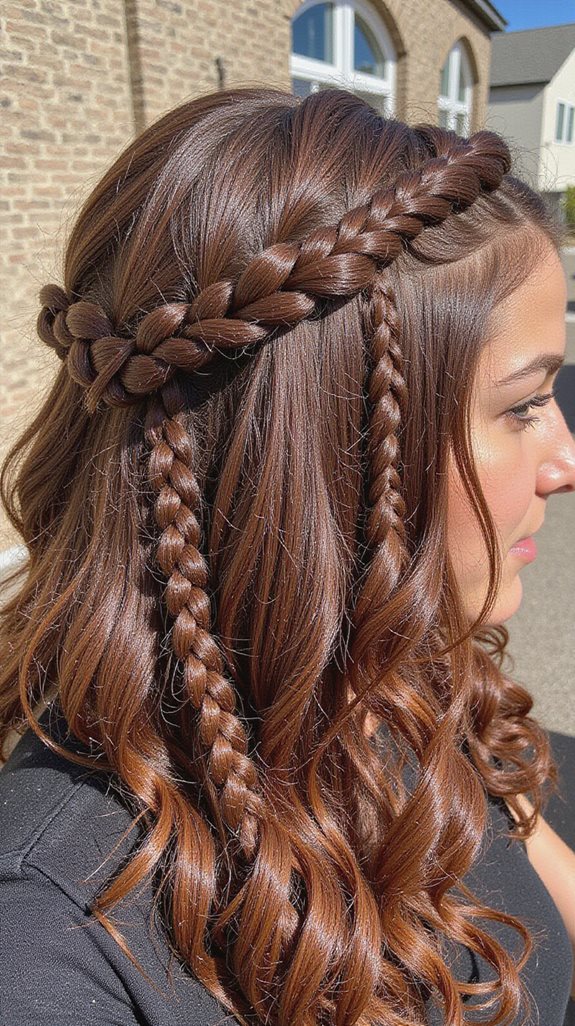
Dutch braids paired with curls create a stunning combination of structured elegance and romantic texture.
This versatile style features tight plaiting along the hairline while leaving lengths free for beautiful curl definition. The contrast between neat braided sections and flowing waves makes this perfect for both casual and formal occasions.
Begin with textured hair using sea salt spray for better grip during braiding. Execute the dutch braid technique along your hairline, securing with clear elastics at mid-length.
Use a 1.25-inch barrel curling iron on medium heat to create voluminous curls in the unbraided sections, wrapping away from your face for optimal movement.

Triple Dutch Braids
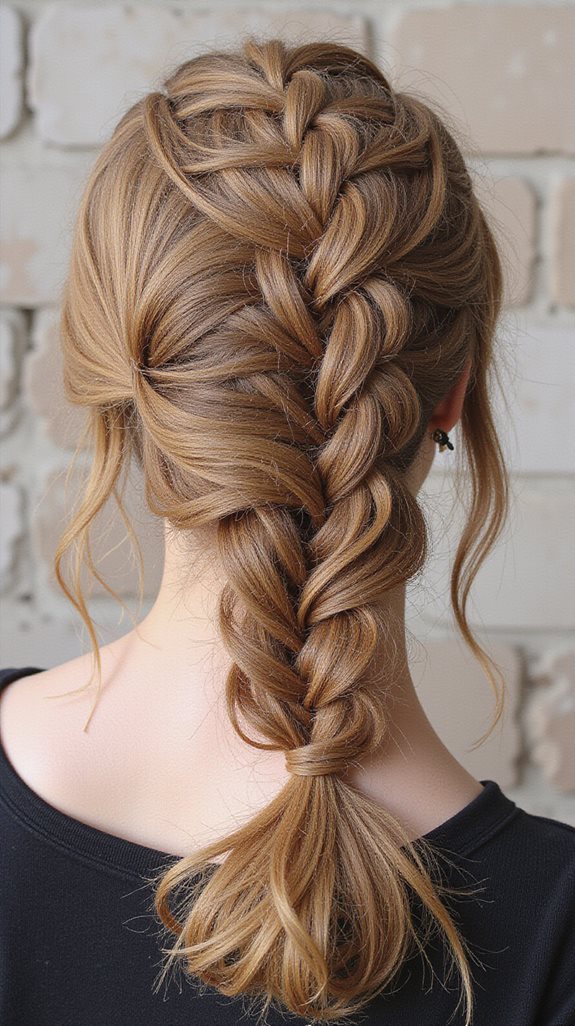
Creating three parallel dutch braids transforms your hair into an intricate geometric masterpiece that showcases advanced braiding technique.
You’ll section your hair into three equal vertical portions using a rattail comb, ensuring precise parting lines from forehead to nape. Begin each dutch braid simultaneously at the hairline, incorporating hair underneath rather than over.
Maintain consistent tension across all three braids to achieve uniform texture and prevent loosening. Work methodically down each section, adding hair incrementally to maintain braid integrity.
Triple braid variations include asymmetrical positioning, offset center braids, ribbon incorporation, and finishing options like buns or ponytails for dramatic linear definition.


Dutch Braid Flower
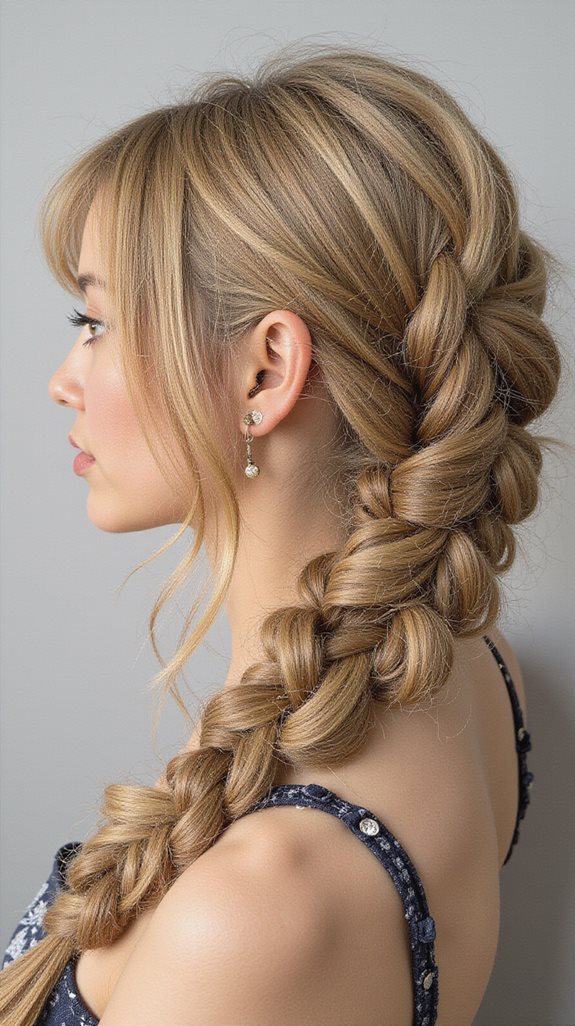
The Dutch braid flower transforms a simple braid into an elegant sculptural element perfect for special occasions.
This advanced technique involves creating a tight Dutch braid from the hairline using reverse weaving patterns where sections cross under rather than over. Maintaining consistent tension throughout ensures a polished foundation for the floral shape.
Once the braid is complete, coil it clockwise around its base to form concentric circles that mimic flower petals.
Strategic placement of bobby pins beneath the perimeter secures each layer while maintaining the dimensional structure. Pearl pins or small accessories between coiled sections add texture and visual depth to enhance the flower’s realistic appearance.
Dutch Braid With Extensions
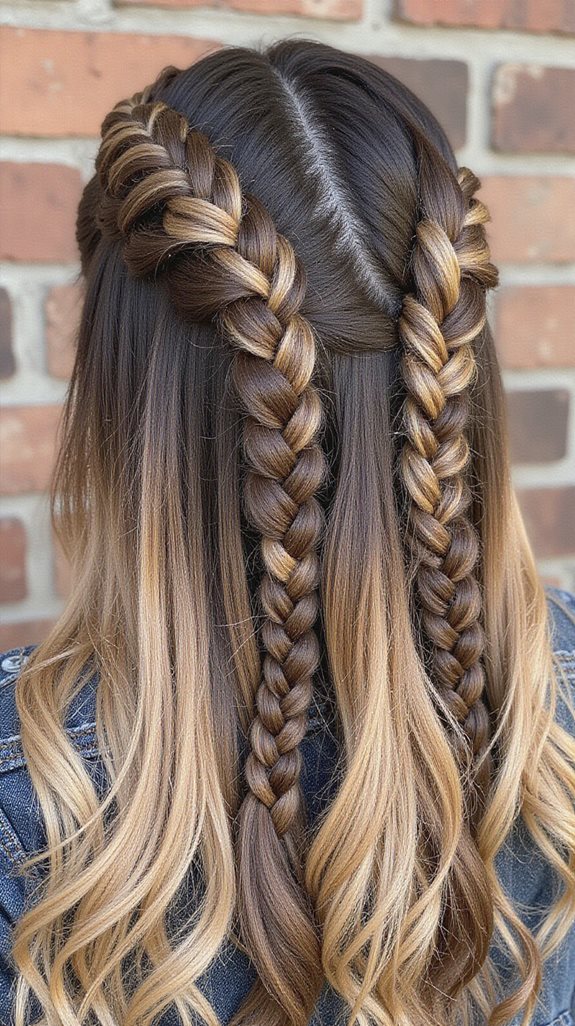
Dutch braids with extensions offer an excellent way to achieve dramatic length and volume while mastering the inverted braiding technique.
This style requires positioning high-quality extensions beneath your natural hair sections at the crown before beginning the under-weaving process. Proper sectioning and secure placement prevent slippage while creating a seamless blend between your natural hair and extensions.
The key to success lies in crossing strands under rather than over while gradually incorporating extension pieces as you work down the scalp.
Threading braided accessories through completed sections or weaving them directly into the braid structure can enhance the final appearance.
Finishing with strong elastic bands and texturizing spray ensures the style maintains its hold throughout wear.


Waterfall Dutch Braid
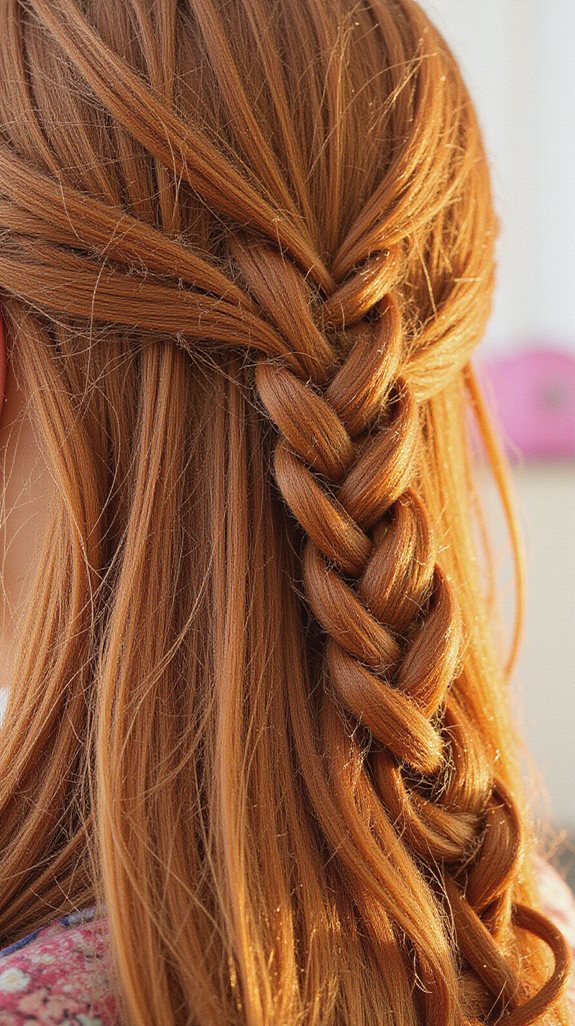
The waterfall Dutch braid creates a stunning cascading effect by combining inverted braiding with strategic hair releases. This technique starts at the temple with three equal sections, crossing strands under the middle while adding hair to only the top section.
The distinctive waterfall element involves releasing the bottom strand completely instead of incorporating new hair into it. Each released strand flows naturally downward while you pick up fresh hair from below to continue the Dutch braid pattern.
This creates beautiful flowing streams that frame the face elegantly. The braid maintains its structure across the head while allowing hair to cascade freely for a romantic, ethereal appearance.


Dutch Braid Twist
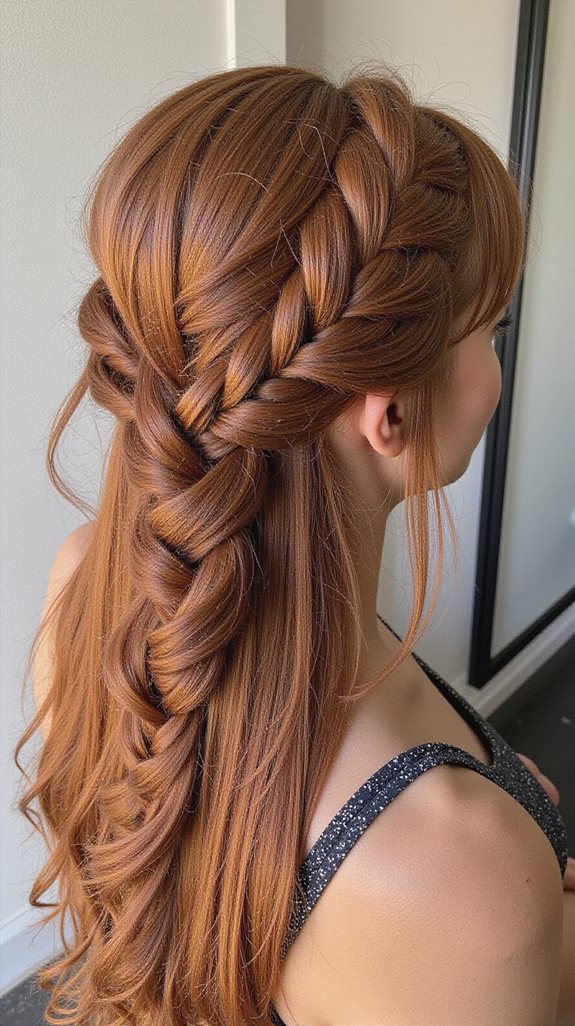
The Dutch braid twist elevates traditional braiding by incorporating rope-like twisting motions with the classic inverted technique. This sophisticated variation requires dividing each section into two strands before crossing them under the center strand. The result creates enhanced texture and dimensional depth that stands out from standard braiding methods.
Professional execution demands consistent tension throughout the styling process to achieve optimal results. Clear elastics and proper accessories help secure the finished look while maintaining the intricate twisted pattern.
This technique has gained popularity at formal events and among celebrities seeking elevated hairstyles with visual interest.

Dutch Braid Low Bun
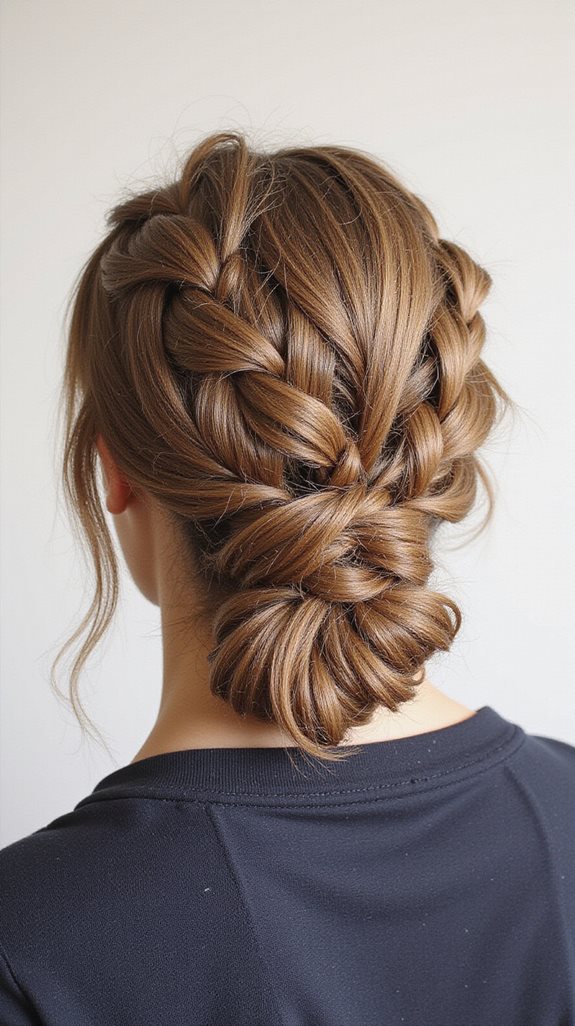
Dutch braid low buns blend sophisticated inverted braiding with elegant updo styling for professional and formal occasions.
This technique involves crossing hair sections under rather than over while maintaining consistent tension throughout the braiding process.
Begin by sectioning hair and creating your dutch braid on one side, then secure and wrap the braided section around a bun base at the nape.
Use matching bobby pins and consider decorative accessories to enhance the polished aesthetic while minimizing hair manipulation.
Dutch Braid Heart Shape
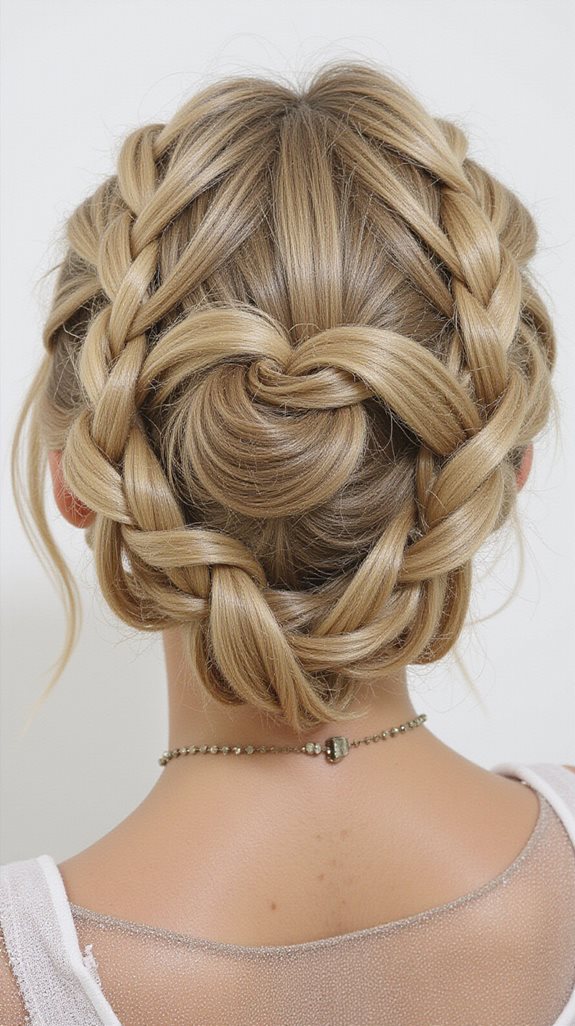
The dutch braid heart shape creates a stunning romantic hairstyle perfect for special occasions or date nights. This intricate design requires dividing hair into curved sections that follow the heart’s outline, starting from each temple.
The braids incorporate hair along the scalp’s natural curves before meeting at the crown’s center-back. Achieving symmetrical results depends on maintaining consistent tension and even hair distribution throughout the braiding process.
Medium to long hair with minimal layers works best for this technique. The convergence point forms the heart’s bottom tip, where both braids join together and continue as a single braid down the remaining length.
Frequently Asked Questions
How Long Does Hair Need to Be for Dutch Braids?
You’ll need minimum shoulder-length hair for standard dutch braids. Shorter hair length requires modified braid types like half-up styles or multiple smaller plaits. Longer hair provides better grip and easier manipulation during the braiding process.
What Products Help Dutch Braids Last Longer Without Frizzing?
You’ll need texturizing spray before braiding, then apply lightweight hair serum to smooth flyaways. For braid maintenance, use dry shampoo at roots and finishing spray to lock style without weighing down your hair products’ effectiveness.
How Do You Sleep Comfortably With Dutch Braids Overnight?
You’ll sleep comfortably with your Dutch braid by wrapping it in a silk scarf, using a satin pillowcase, and loosely securing the braid’s end. These sleeping tips prevent tension and maintain your hairstyle’s integrity overnight.
Can Dutch Braids Cause Hair Damage or Breakage?
Yes, dutch braids can cause damage when you’re applying excessive tension, braiding wet hair, or using improper hair care techniques. You’ll minimize breakage by implementing gentle styling techniques and ensuring adequate moisture before braiding.
How Often Should You Wash Hair When Wearing Dutch Braids?
You should maintain hair washing every 2-3 days maximum when wearing dutch braids. Focus on scalp care by gently cleansing the exposed scalp areas, avoiding excessive manipulation that could compromise braid integrity.
Finally
You’ve now mastered nine fundamental dutch braid variations that’ll enhance your styling repertoire. Execute each technique by maintaining consistent tension, securing proper sectioning, and following the under-over weaving pattern.
Practice these configurations systematically to develop muscle memory and achieve professional results. Remember to prep your hair with texturizing products for optimal grip and longevity. These foundational styles provide the technical framework you’ll need for creating more complex braided arrangements.