23 Honey Brown Hair Color Ideas to Brighten Your Summer Look
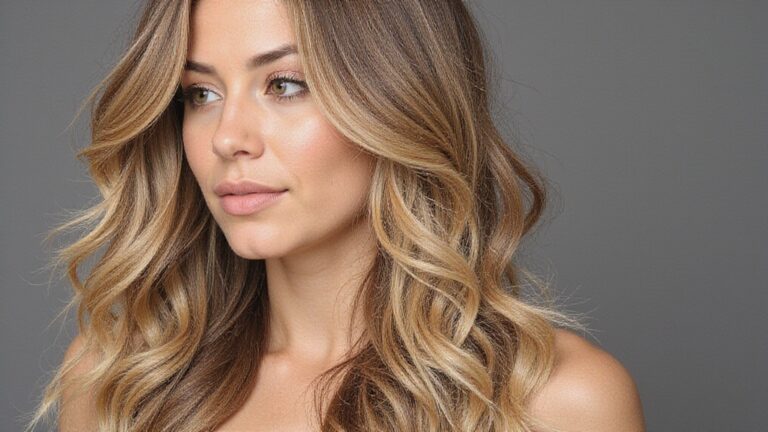
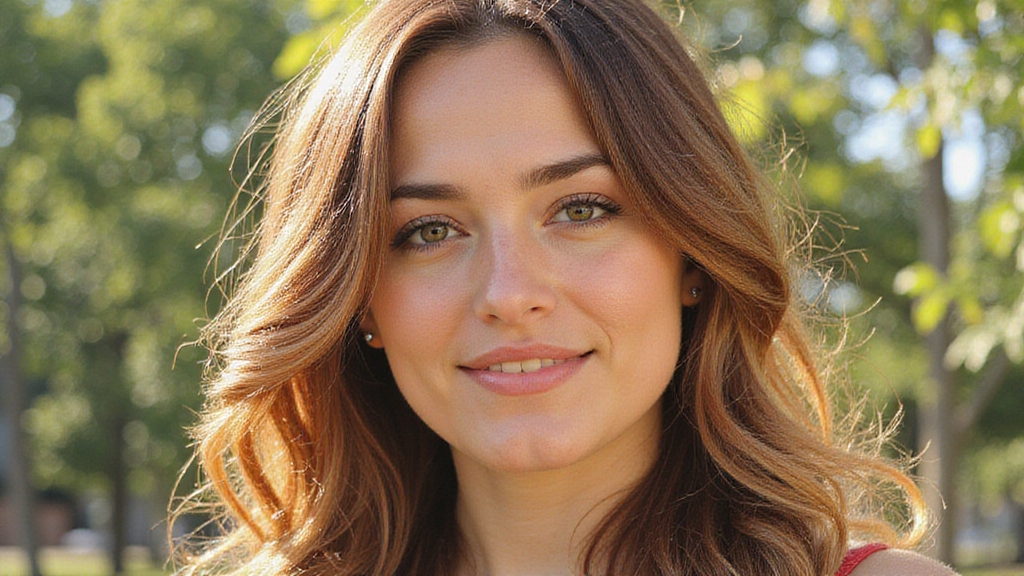
Honey brown hair is one of summer’s most versatile color choices, working across balayage, all-over formulas, and dimensional highlight techniques. You can tailor warm golden tones to your natural base, whether you’re lightening brunette strands or refreshing an existing color.
Maintenance is straightforward with sulfate-free shampoos, UV-protective serums, and gloss refresh appointments every four to six weeks. Stick around, and you’ll find 23 specific styles and expert techniques to help you choose yours.
Warm Honey Balayage for Sun-Kissed Brunettes
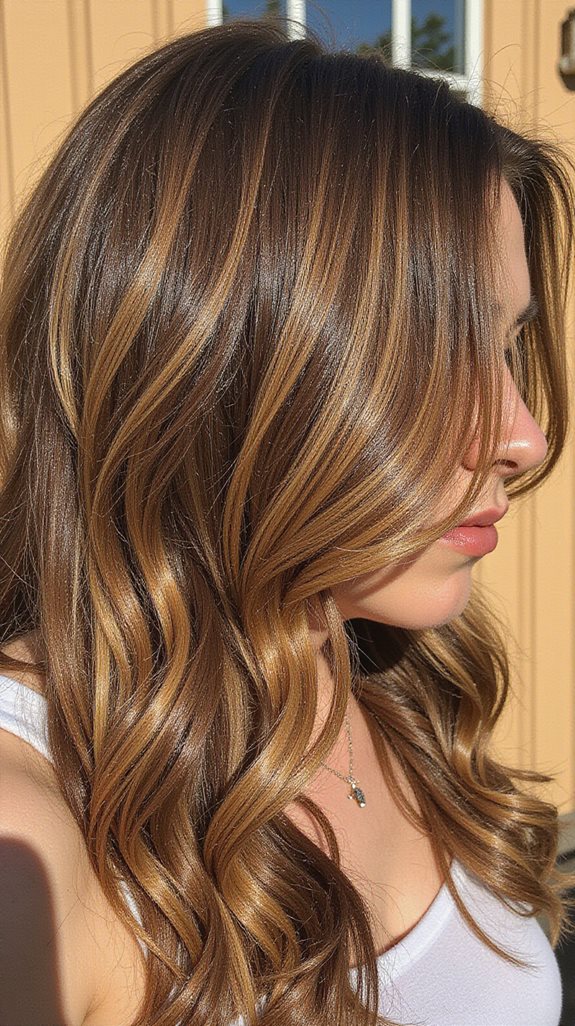
Warm honey balayage brings sun-kissed dimension to dark brunette hair by hand-painting caramel and golden honey tones onto the mid-lengths and ends.
The technique creates a soft, natural gradient that mimics the way sunlight naturally lightens hair over time. Seamless blending against your base is achieved by feathering the color softly upward, avoiding any harsh or noticeable lines.
Selecting warm golden formulas with amber undertones is key to achieving that luminous, sun-drenched glow rather than a flat or dull result.
A gloss treatment applied after coloring seals the cuticle and amplifies overall shine. This low-maintenance style grows out beautifully, making it ideal for brunettes at any depth who want effortless, lasting color.


Golden Honey Brown All-Over Color
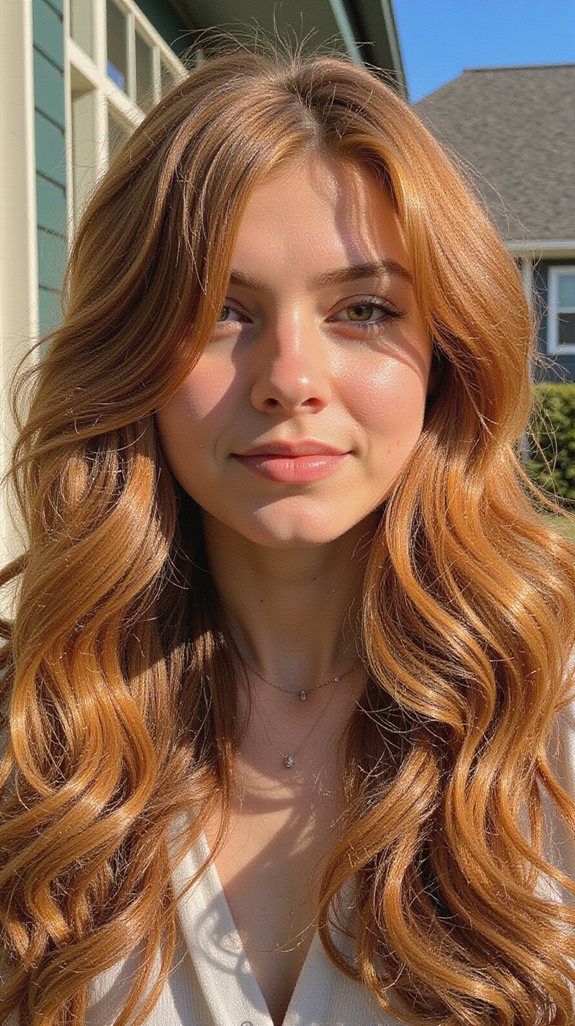
Unlike balayage, this technique saturates every strand, creating seamless depth and brilliance from root to tip. Your colorist mixes warm golden pigments with brown bases, calibrating the ratio to complement your natural starting point.
Lighter bases receive more gold while darker bases get deeper brown anchoring for a grounded, dimensional result.
A gloss refresh every four to six weeks prevents oxidation from dulling the tone.
Sulfate-free shampoo and a weekly bond-strengthening mask preserve vibrancy and structural integrity through UV exposure and heat styling demands.

Honey Brown Hair With Face-Framing Highlights
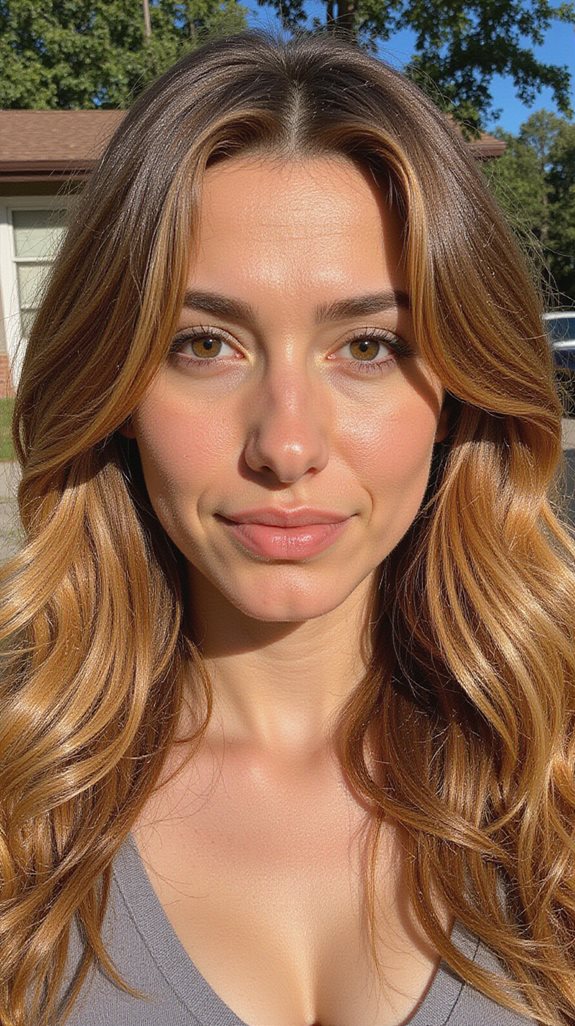
Face-framing highlights concentrate lighter honey and caramel tones around the hairline, temples, and front sections to brighten and sculpt the face. This targeted technique delivers maximum visual impact while using minimal color application.
Unlike all-over color, it works strategically where light naturally hits to create dimension and draw attention to your best features.
Stylists apply these highlights using freehand painting or foils, placing warm honey tones to slim facial structure and enhance your eyes and cheekbones.
Regrowth blends naturally, making maintenance straightforward with touch-ups needed every eight to twelve weeks. This approach keeps your look polished without requiring a complete color overhaul at each appointment.


Dark Roots With Honey Brown Ends
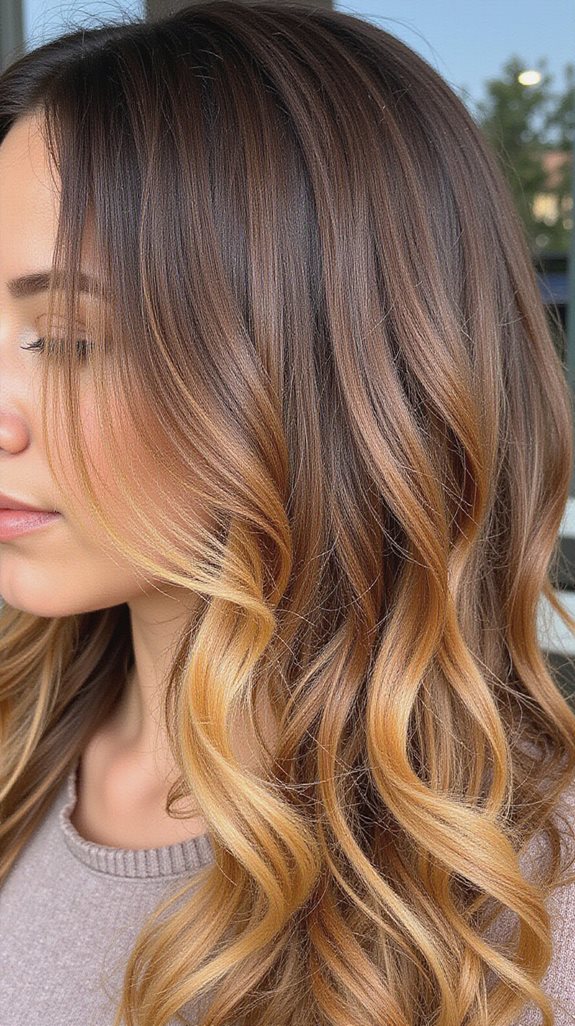
Your dark roots anchor the look while honey balayage sweeps warmth through the mid-lengths and ends. A colorist applies the honey balayage freehand, starting several inches below the root zone to preserve your natural pigment as a deliberate design choice.
Color-safe shampoo and monthly bond-strengthening treatments keep the honey brown ends vibrant and the dark roots rich throughout summer. This technique reads as dimensional, sun-kissed, and effortlessly modern on all hair types.

Copper-Kissed Honey Brown for Warm Skin Tones
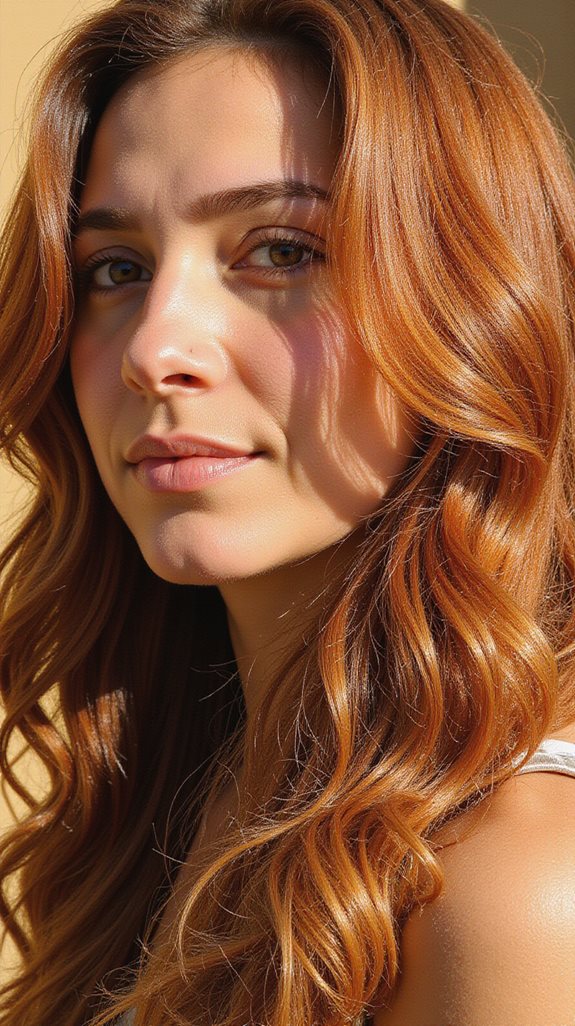
Copper-kissed honey brown is a rich, dimensional hair color that blends warm golden tones with deep copper undertones, creating a sun-drenched effect.
This combination is especially flattering on warm skin tones, enhancing natural golden and olive complexions. The result is a lived-in, luminous look that feels both polished and effortlessly radiant.
To maintain vibrancy, skip cool-toned toners that can strip away the warmth this shade relies on. A gloss with golden or copper pigment will seal the color and keep it looking fresh between salon visits.
For warm skin tones, this pairing doesn’t just complement your complexion—it sharpens it.

Honey Brown Highlights on Black Hair
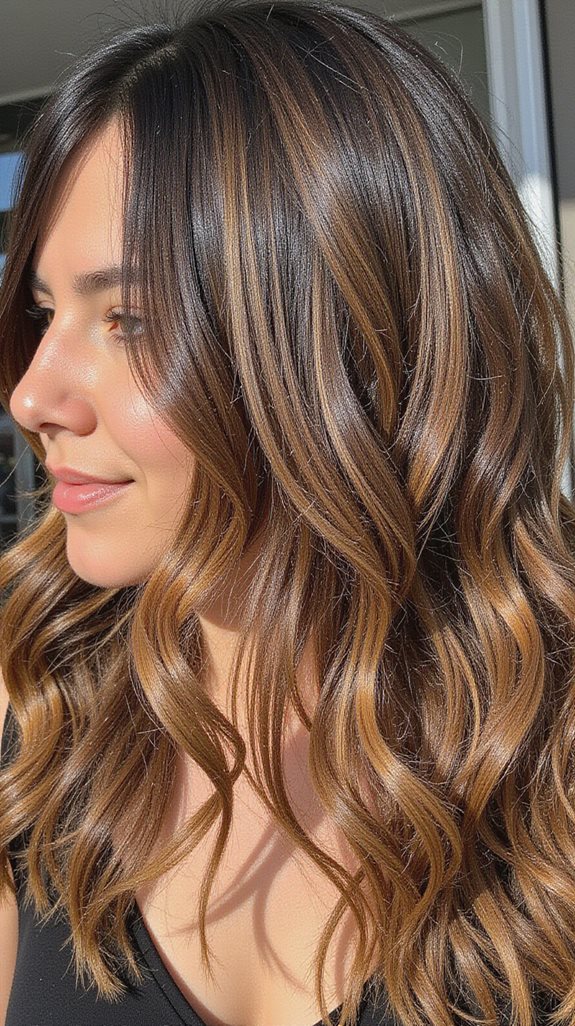
The most seamless results come from honey brown balayage, a freehand technique that concentrates pigment on mid-lengths and ends while preserving natural roots. Warm amber-toned honey brown shades work best to prevent ashy undertones from clashing against cool black bases.
Maintaining these highlights requires sulfate-free shampoo and color-depositing conditioner every four to six weeks to counteract fading.
A gloss treatment every eight weeks refreshes vibrancy and keeps the contrast looking fresh. Keeping heat styling temperatures below 400°F prevents color oxidation that dulls the distinction between the black base and honey brown sections.

Caramel and Honey Brown Blend
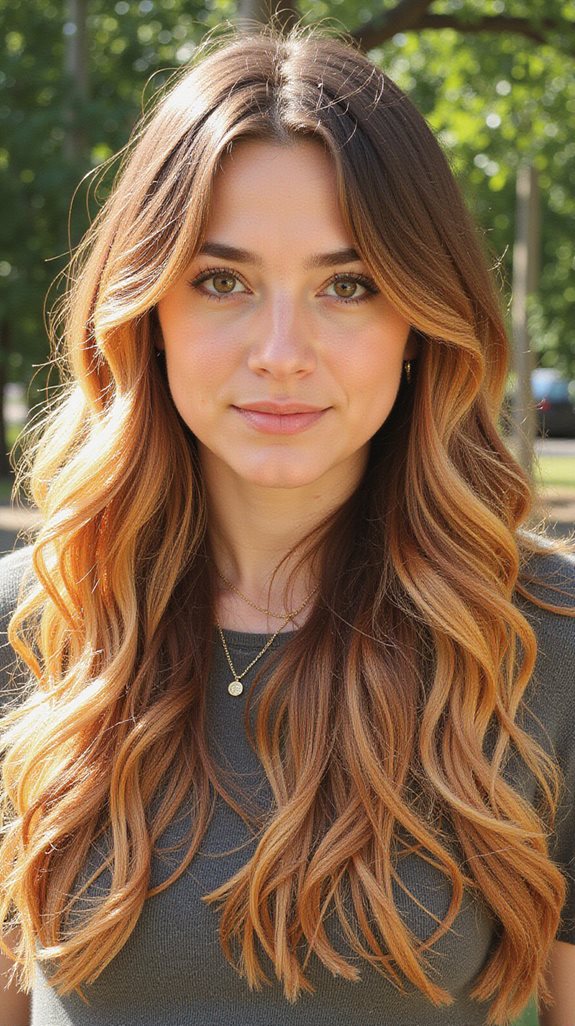
Blending caramel and honey brown creates a richer, more complex warmth than either shade delivers alone. Caramel infusion applied at the mid-lengths anchors the tone with a golden-amber depth, while honey layering at the ends introduces lighter, sun-kissed contrast. Together, these two techniques produce a graduated, dimensional effect that closely mimics natural sun exposure.
This combination works particularly well on medium to dark brown base tones, where caramel and honey shades read as luminous rather than flat. A balayage or foilayage method ensures precise placement for a seamless, cohesive blend.
The result is a multi-tonal finish that adds visible dimension without disrupting the overall warmth of the color.

Chunky Honey Brown Highlights for a Retro Vibe
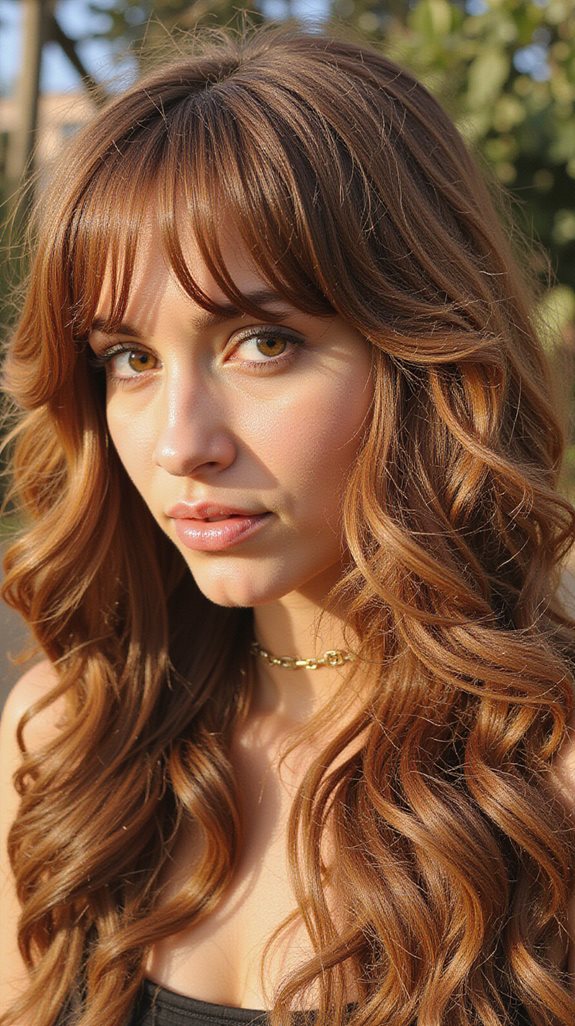
Chunky honey brown highlights draw inspiration from 70s and 90s color techniques, using wider sections and bolder contrast for a deliberately retro aesthetic.
These highlights work best on medium to long hair, where the chunky dimensions fully develop and create visual movement. Stylists section 1–2 inch panels saturated with a warm honey brown formula that sits 2–3 levels lighter than your base.
The result is a high-contrast, graphic pattern that reads as intentionally bold rather than blended. Placement through the mid-lengths and ends reinforces the retro silhouette while keeping the overall look structured.
Refreshing the color every 10–12 weeks maintains that sharp contrast definition.


Soft Honey Brown Ombre From Root to Tip
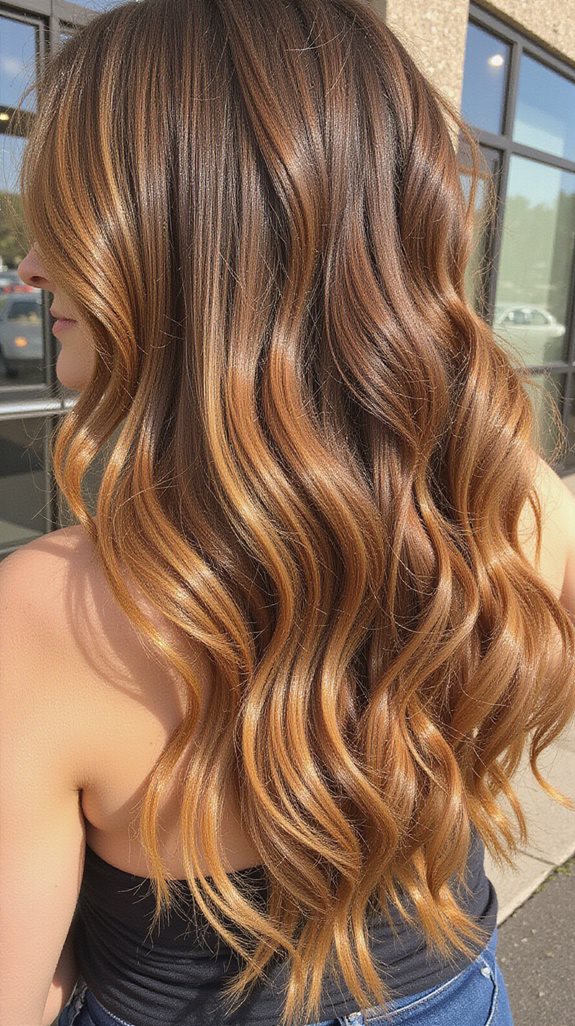
Soft honey brown ombre creates a fluid, sun-kissed gradient that flows naturally from a deeper root tone down to warm, luminous honey ends.
The technique relies on balayage or brush-melting application, where lightener is feathered upward in diffused strokes to avoid any harsh lines. A well-blended shadow root anchors the entire look, making the transition feel organic and effortless.
Keeping this color vibrant requires consistent upkeep to prevent the honey tones from pulling brassy or orange.
A bond-strengthening treatment used monthly and a brass-toning shampoo used weekly work together to lock in those clean, warm golden hues.
With the right care routine, this ombre remains polished and seamless between salon visits.


Honey Brown Babylights for Subtle Dimension
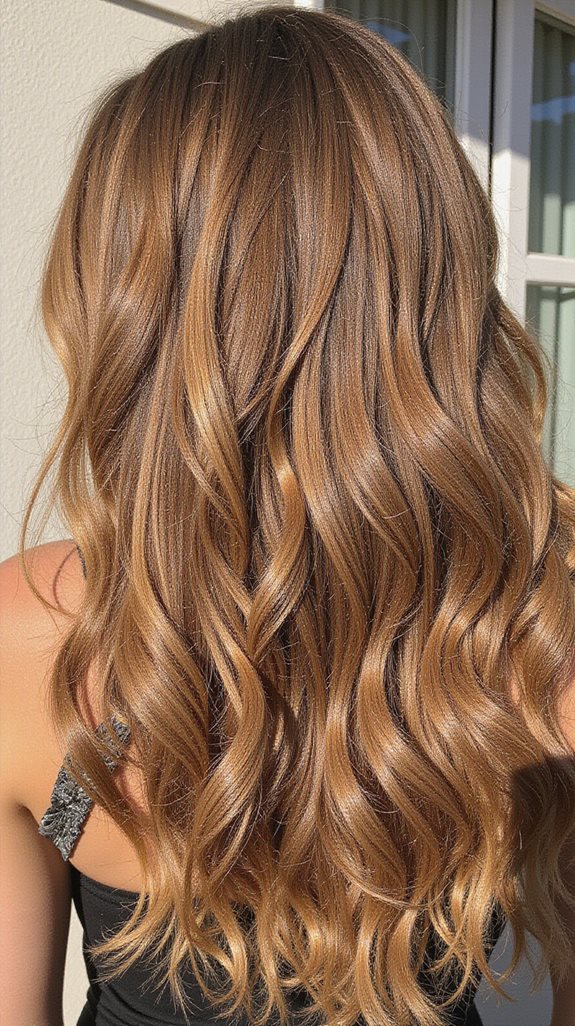
Honey brown babylights create a naturally dimensional look by weaving ultra-fine strands and infusing them with warm, golden-brown tones that mimic the effect of sun-exposure.
The technique isolates millimeter-thin sections, lifting and depositing color in a way that blends seamlessly into your base. The result is multi-tonal depth that reads as effortless rather than noticeably highlighted.
The subtle dimension this technique delivers gives hair visible movement, perceived thickness, and a soft luminosity without harsh root contrast lines. It works across all hair textures, integrating naturally into straight, wavy, and curly hair alike.
For summer especially, the warm honey tones catch light beautifully without the structural damage that comes from aggressive bleaching.

Rich Honey Brown for Deep Skin Tones
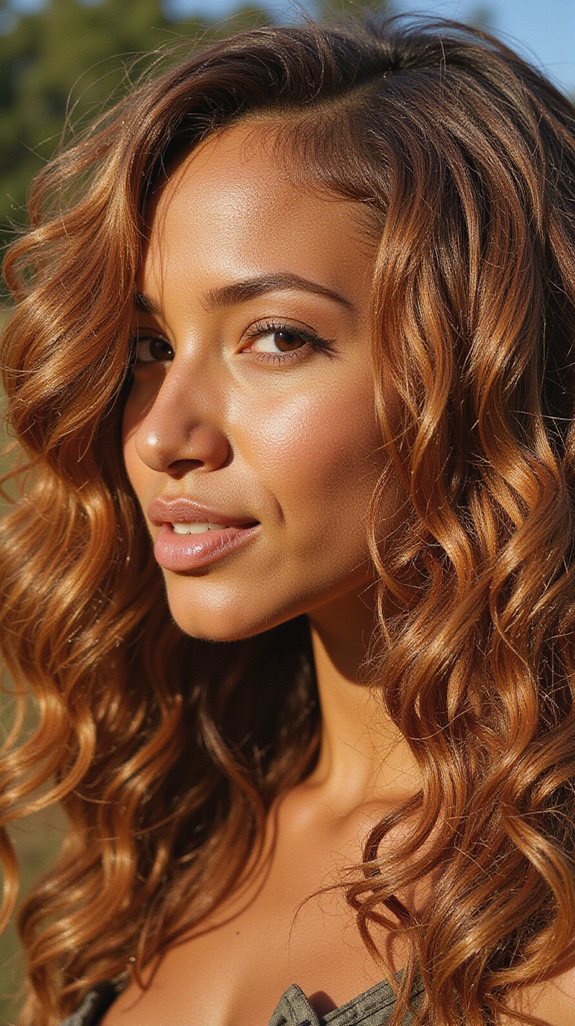
Rich honey brown is one of the most flattering color choices for deep skin tones, sitting at the perfect intersection of warmth and depth. This shade creates striking contrast against darker complexions, amplifying natural richness rather than washing you out.
A skilled colorist should concentrate the richest honey tones through mid-lengths and ends, keeping roots slightly deeper for seamless dimension.
A glossing treatment applied post-coloring intensifies the honey luminosity while sealing the cuticle for maximum shine. Using a color-depositing conditioner every two weeks helps counteract fading and maintain vibrancy.
When formulated correctly, this shade delivers an undeniably radiant result tailored specifically to your complexion.

Light Honey Brown for Fair and Neutral Skin Tones
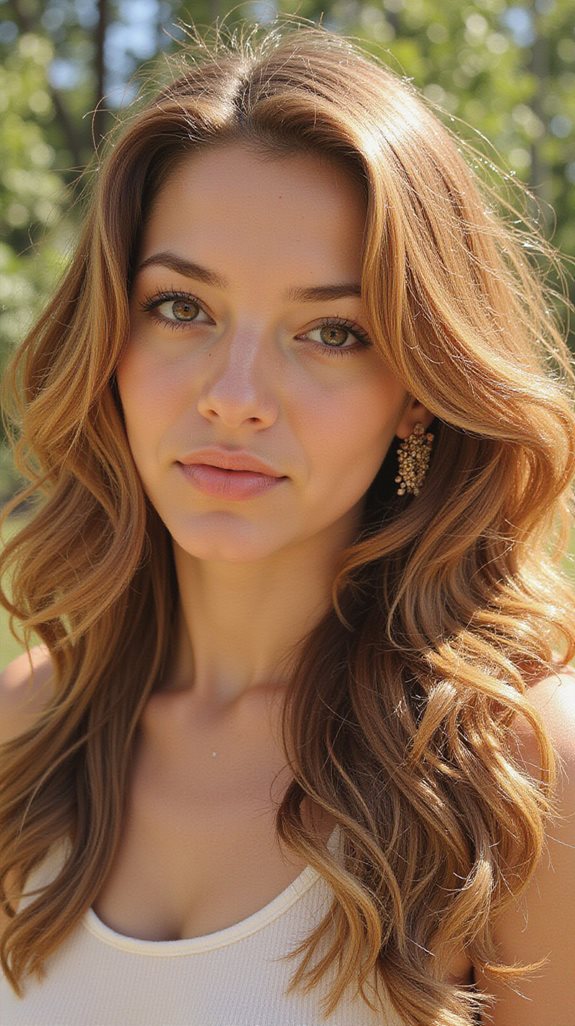
Light honey brown is an ideal hair color for fair and neutral skin tones, offering warmth that enhances without overpowering your natural complexion.
Shades like champagne honey and golden wheat brown create a sun-kissed, dimensional effect that reads as effortlessly natural. These golden and amber tones work by complementing your undertones rather than creating sharp contrast.
For neutral skin tones, slightly deeper warm honey shades remain a balanced option without disrupting harmony.
Overly saturated honey tones should be avoided, as they can compete with the skin’s delicate undertones. The key is choosing shades that reflect light softly against lighter skin for a seamless, flattering finish.

Honey Brown With Ash Undertones for a Cool Twist
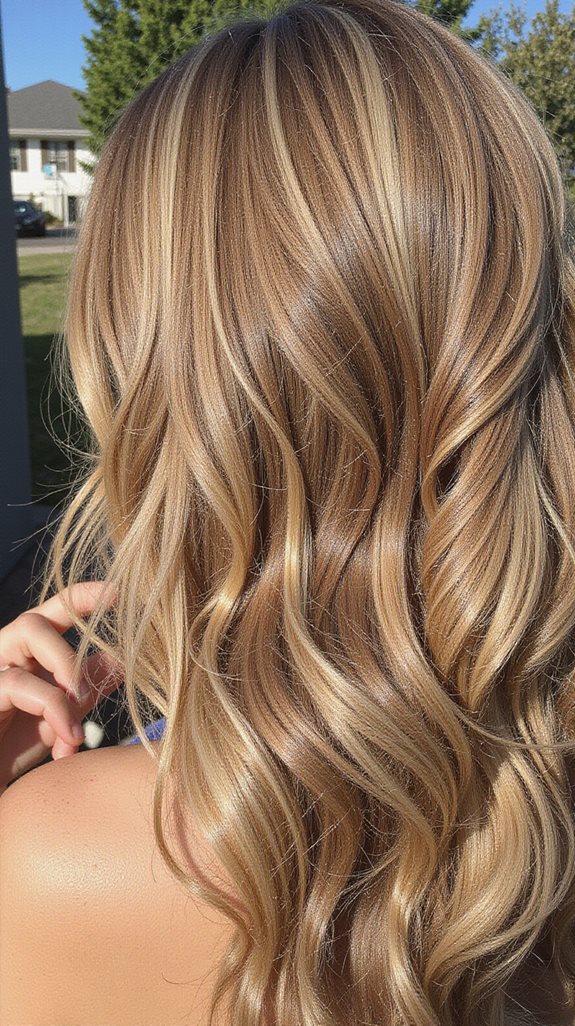
Honey brown hair with ash undertones offers a cooler, more refined take on a classic warm shade.
By blending violet or blue-based toners into the formula, golden pigments are neutralized to create cool honey shades that minimize brassiness while preserving depth and dimension.
This technique works best when applied post-lightening at a pale yellow or gold stage, making it ideal for those with pink, rosy, or olive complexions.
A purple or blue shampoo used every four to six weeks keeps warm pigments from resurfacing and shifting the color back toward a standard golden brown.

Lived-In Honey Brown Color for Low Maintenance
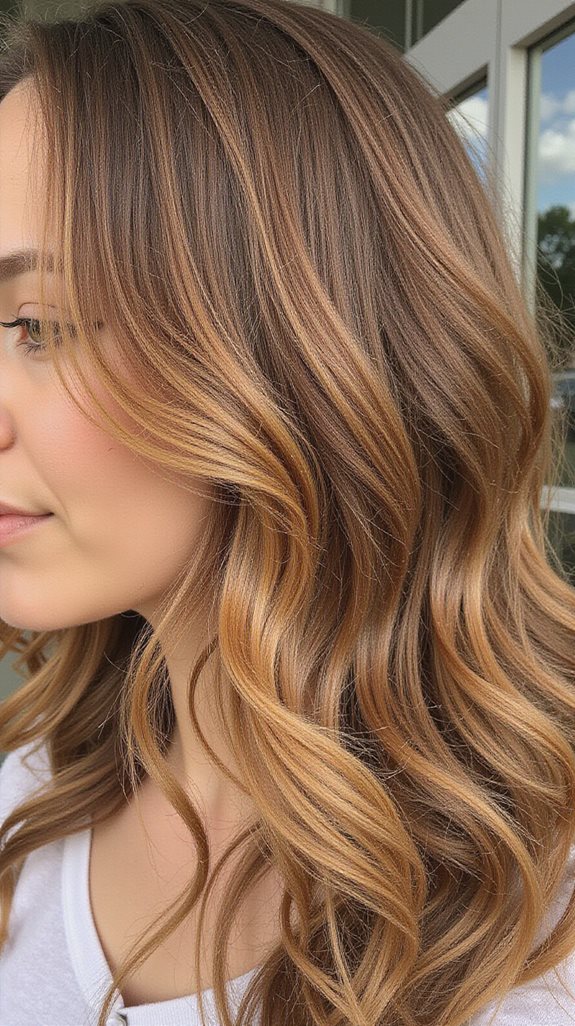
Lived-in honey brown color works by intentionally shadowing the roots with deeper brown pigment while blending warm honey tones through the mid-lengths.
Balayage and smudging techniques eliminate harsh demarcation lines, making regrowth look natural rather than neglected for 10–14 weeks.
Maintaining this color requires a sulfate-free shampoo to preserve tonal warmth and a weekly bond-strengthening mask for mid-length integrity.
Gloss refresh appointments every 8–10 weeks replace the need for full color sessions, cutting chair time significantly.
The precision applied upfront reduces the ongoing effort needed to keep the color looking dimensional and intentional.


Honey Brown Curtain Bang Pairings That Work
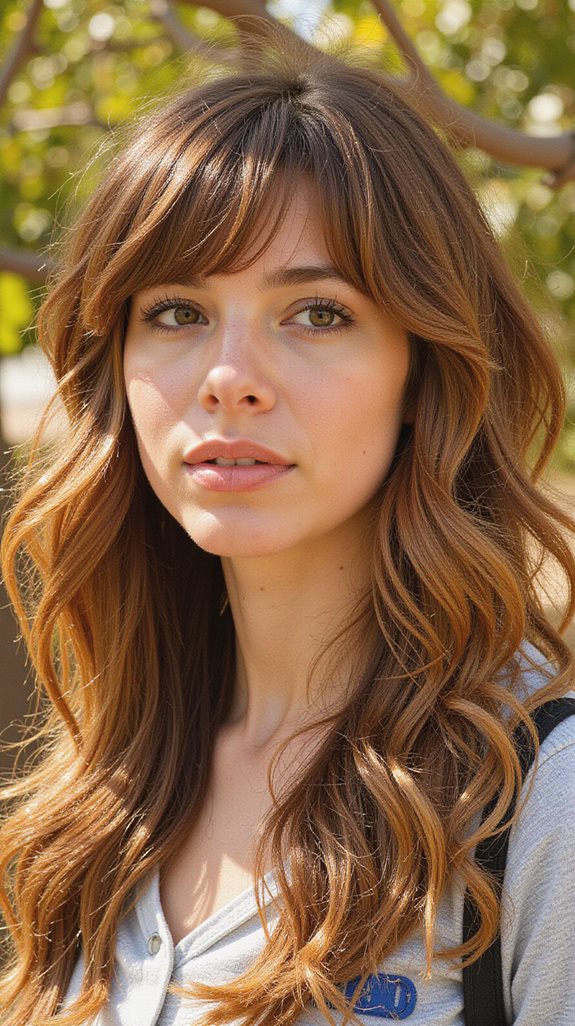
Honey brown curtain bangs create a stunning frame for the face when warmth is strategically concentrated around the bang section.
Golden amber and caramel highlights within the curtains build visual separation from the mid-lengths, enhancing the overall dimension. A skilled colorist can intensify this effect by placing lighter pieces directly where the curtains part.
Styling plays a key role in preserving both the shape and color vibrancy of honey brown curtain bangs.
A round brush with low heat sweeps the sections outward, locking in the signature bend without compromising tonal depth. Keeping flat irons away from highlighted areas protects the warmth that makes this color pairing so effective.

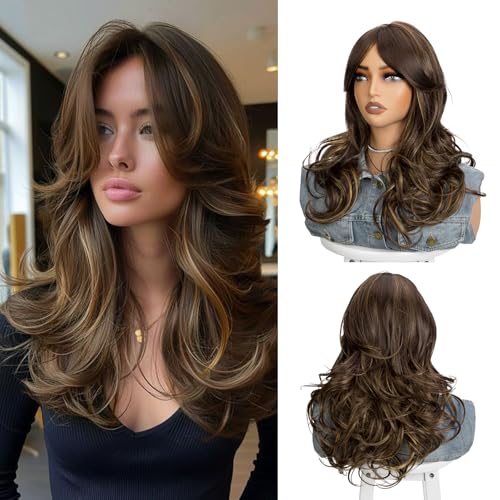

Glossy Honey Brown for Maximum Shine
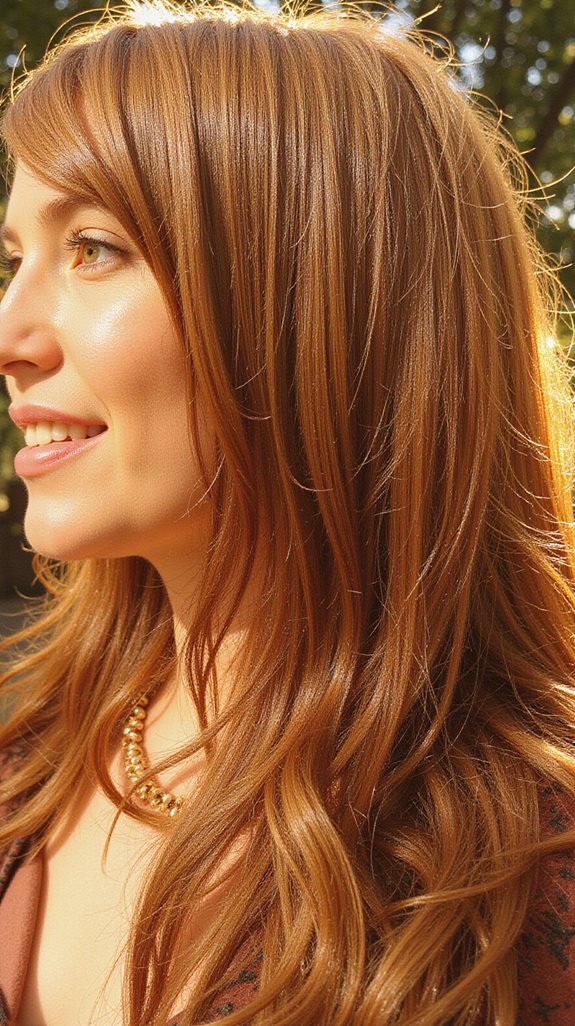
Sealing the cuticle with a gloss treatment over honey brown color creates a mirror-like surface that amplifies light reflection on every strand.
An in-salon gloss applied immediately after coloring locks in pigment while smoothing rough texture for maximum luminosity. Scheduling gloss refresh appointments every four to six weeks keeps the color vibrant and prevents brassiness between sessions.
A sulfate-free shampoo preserves both the tonal integrity and surface smoothness that a gloss treatment delivers.
A lightweight shine serum applied to damp strands before heat styling further enhances the polished finish. Directing airflow downward with a round brush flattens the cuticle, sustaining that high-impact, glossy honey brown result.


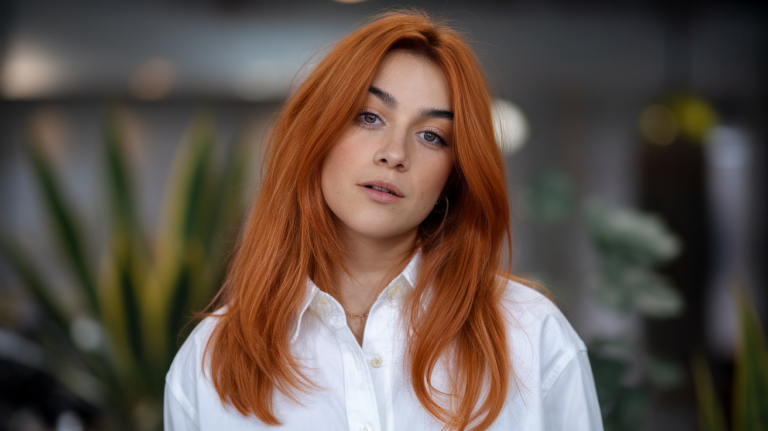
Tinted Honey Brown for Natural Redheads
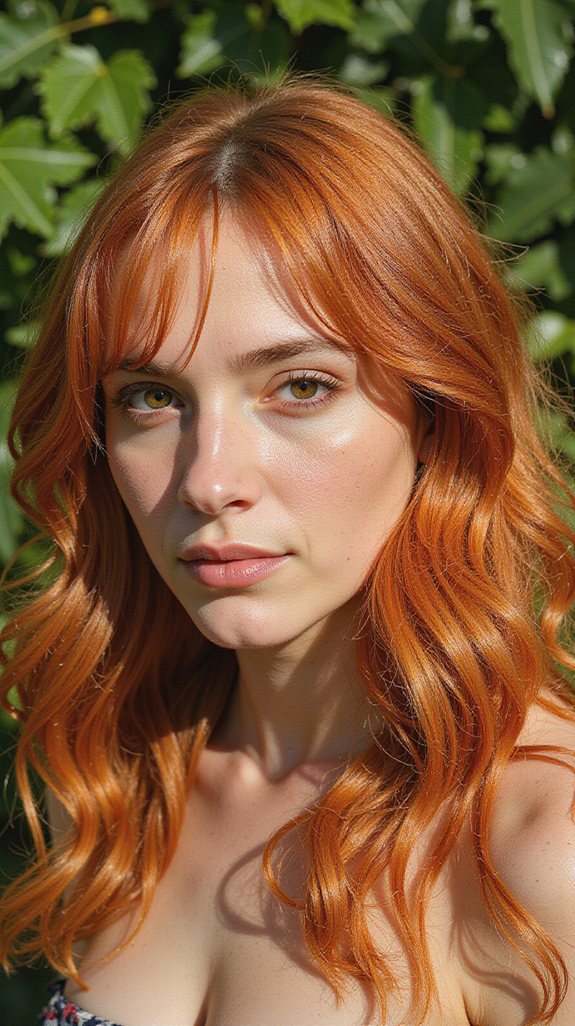
Tinting natural red hair to honey brown is one of the most seamless color transitions available, as your existing warm copper and auburn pigments blend naturally with golden honey shades.
The process requires no harsh bleaching, making it far gentler than similar transformations on darker hair types. This compatibility between red and honey tones creates a rich, dimensional result that looks effortlessly natural.
A gloss treatment with golden and caramel toners applied at the salon neutralizes excessive orange while locking in warmth.
Sulfate-free shampoos extend color vibrancy between appointments, with touch-ups needed only every eight to ten weeks.
Your natural red base actually prolongs the life of the color, making this an exceptionally cost-effective investment.

Sun-Bleached Honey Brown for a Beach Hair Effect
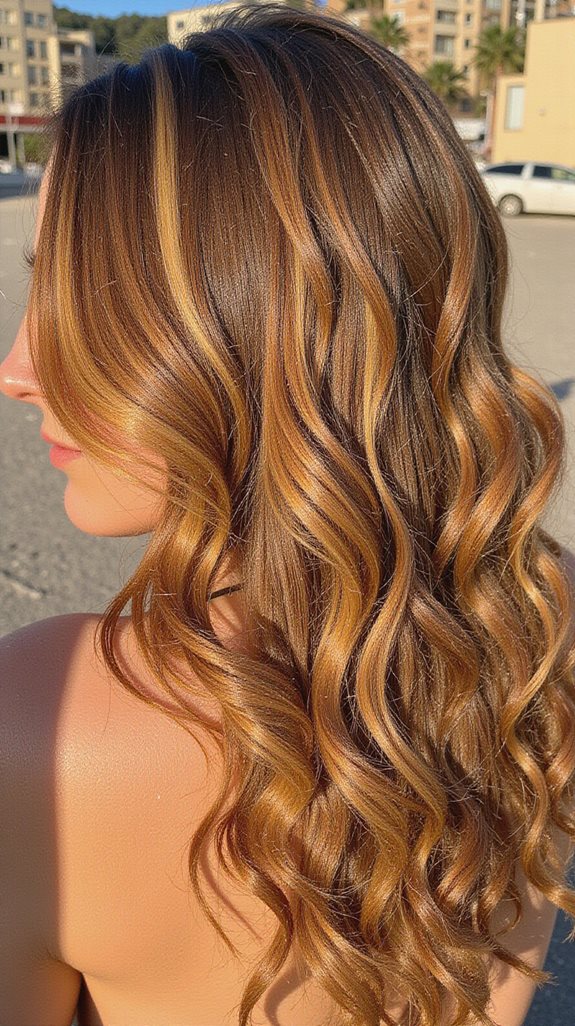
Sun-bleached honey brown replicates the natural lightening effect of prolonged sun exposure, delivering that effortless, lived-in beach aesthetic without actual UV damage.
Your colorist achieves this through strategic balayage placement, concentrating lighter honey tones around the face, crown, and mid-lengths while keeping deeper brown at the roots. The result is a seamless, dimensional color that mimics authentic coastal fading.
To enhance the look, incorporate beachy texture using salt sprays or texturizing creams, which amplify the color contrast and movement.
Maintain the style with purple-toning shampoo bi-weekly to prevent brassiness, and apply UV-protective hair serum before outdoor exposure to preserve the color between appointments.


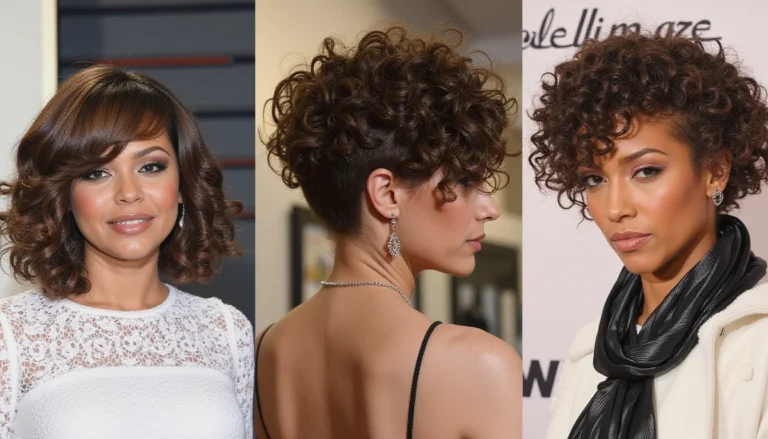
Honey Brown Waves and Curls That Pop in Summer
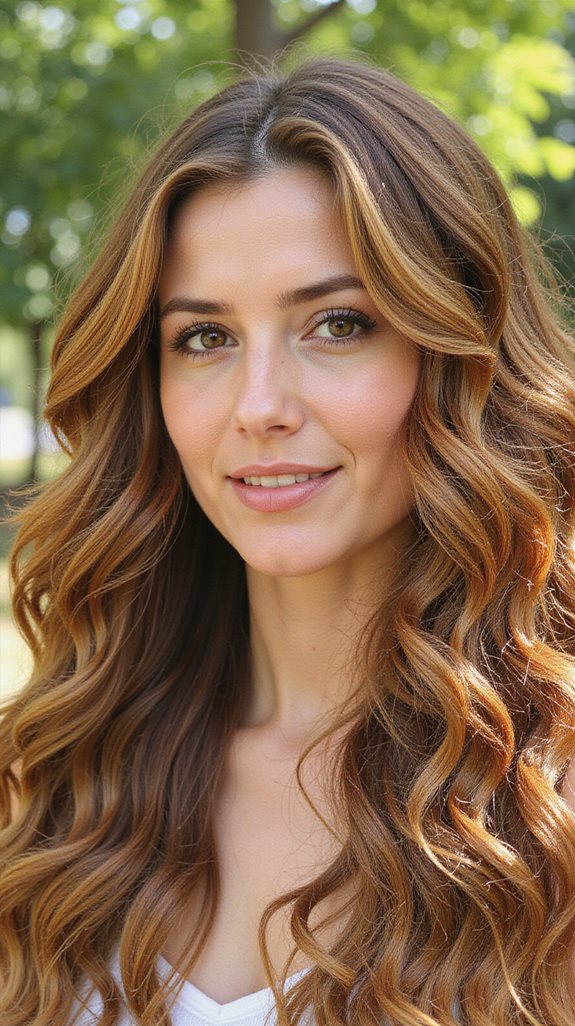
Honey brown hair and natural waves or curls share a powerful visual connection, where the color’s warm, golden tones amplify texture’s depth and movement.
Each curl or wave appears more defined and luminous thanks to honey brown’s multidimensional tones creating striking contrast between highlights and shadows. Summer’s humidity only enhances this effect, activating your natural pattern while sunlight intensifies each curl’s definition for that coveted beachy look.
For summer styling, apply a curl-enhancing cream to damp hair, scrunching upward to encourage your natural pattern, then diffuse on low heat to preserve moisture and prevent frizz.
If you’re enhancing waves rather than curls, a salt spray adds separation and grip with minimal effort. Honey brown’s warmth complements both loose waves and tight coils equally, making it a universally flattering seasonal choice.


Honey Brown Bob With Money Piece Highlights
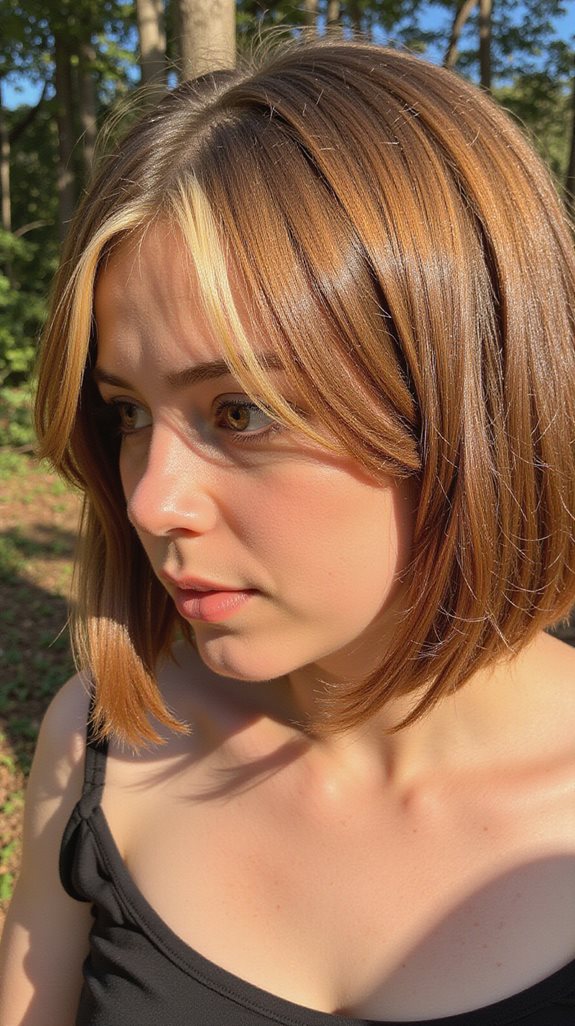
The money piece technique brightens the front sections of a honey brown bob, framing your face with warm golden blonde highlights that create striking contrast against deeper base tones.
Your colorist applies concentrated lightener directly to the two sections flanking your face, then tones them to a rich, luminous blonde. This placement draws immediate attention to your facial features while keeping the rest of the bob grounded in dimensional honey brown.
Blunt and textured bobs benefit most from this technique because the shorter length amplifies the color contrast between the brightened pieces and the deeper lengths.
Blow-dry with a round brush to push those front sections forward, and use a flat iron to sharpen the perimeter for a polished finish.
Schedule a refresh every six to eight weeks to keep the contrast vivid and prevent the lightened sections from blending into the base color.

Honey Brown Pixie Cut Ideas Worth Trying
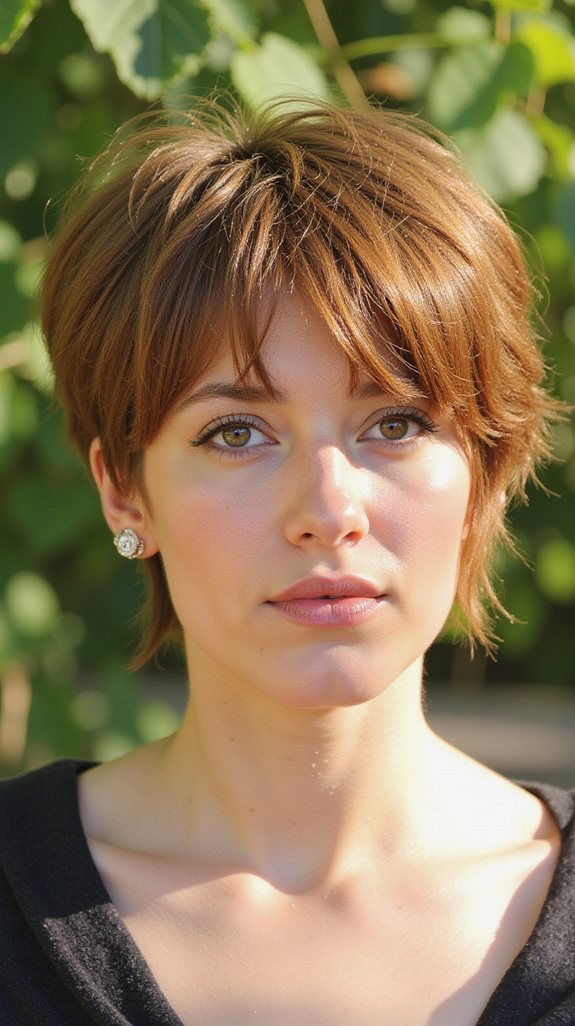
Honey brown pixie cuts are a striking choice that concentrates the warm, golden tones of the color into a bold, high-impact style. The reduced length makes every chestnut and caramel undertone pop, creating a richness that longer styles can sometimes dilute.
Textured layers at the crown or a sleek, polished finish both complement this shade beautifully.
Maintaining a honey brown pixie cut requires less product and styling time compared to longer lengths. Trims every four to six weeks keep the shape crisp and the color looking intentional rather than grown out.


How Long Does Honey Brown Hair Color Last?
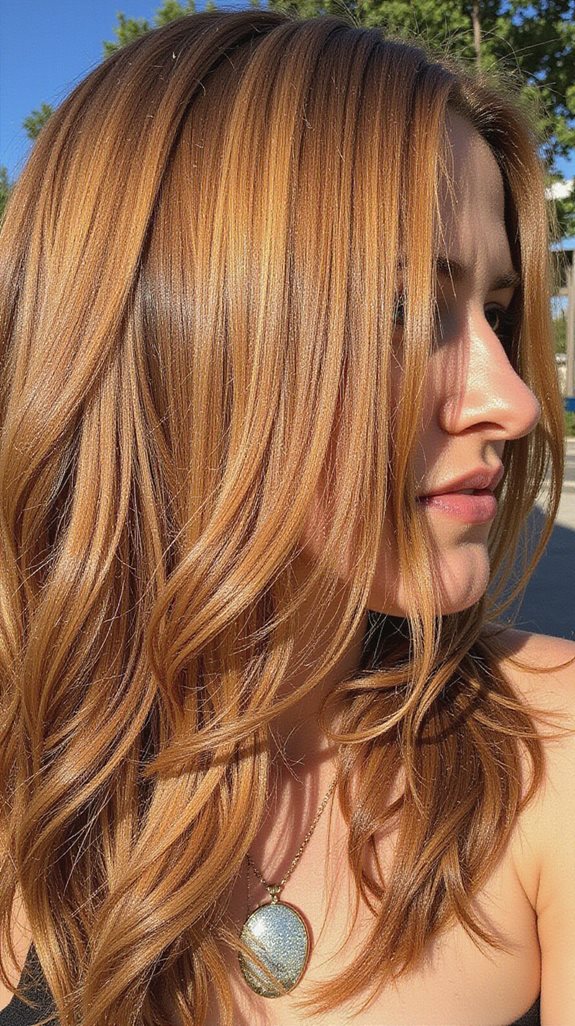
Honey brown hair color longevity depends on your base color, application method, and how well you maintain it afterward. Permanent formulas typically last six to eight weeks before noticeable fading occurs, while semi-permanent options fade faster, usually within four weeks.
Sulfate-free shampoos, cold water rinses, and color-depositing conditioners help extend vibrancy between appointments.
UV exposure, chlorine, and saltwater strip color rapidly, so applying SPF hair sprays and protective oils before sun or swim exposure is essential.
Scheduling touch-up appointments every six to eight weeks keeps your honey brown looking fresh and dimensional.

How to Keep Honey Brown Hair From Fading in Summer?
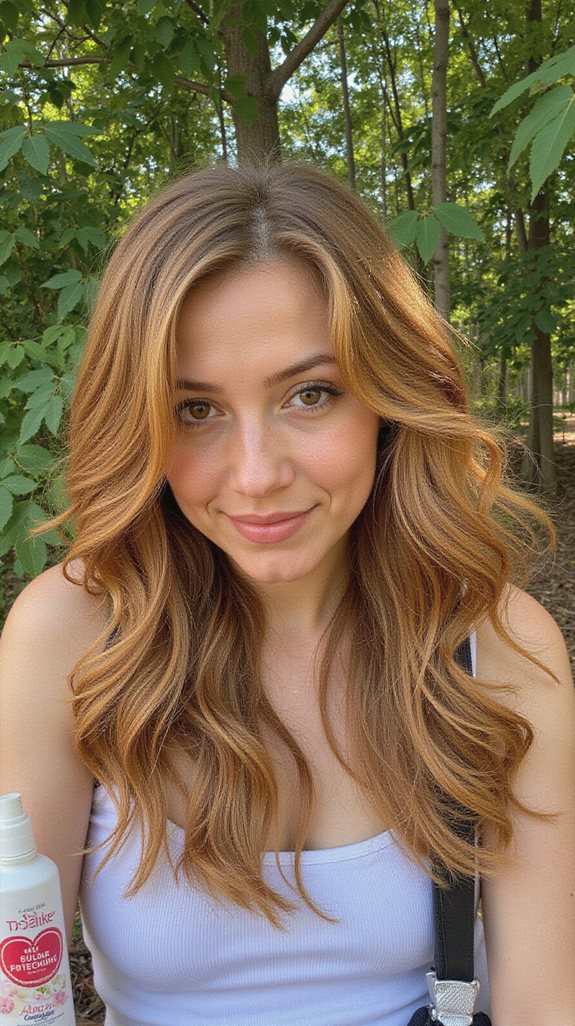
Summer heat, UV radiation, and chlorine exposure accelerate color oxidation, making honey brown hair particularly vulnerable to brassiness and fading.
Applying leave-in products with UV filters before outdoor exposure creates a protective barrier that shields color pigments from breaking down.
Switching to sulfate-free shampoos helps seal the cuticle and preserve the warm, dimensional tones that define honey brown hair.
Weekly moisturizing treatments and post-swim hydration masks work together to counteract chlorine damage and summer dehydration, both of which speed up fade progression.
Limiting hot tool usage reduces oxidative stress on already sun-exposed strands.
Protein-enriched conditioners strengthen the hair shaft, locking color molecules deeper for longer-lasting vibrancy between salon visits.


Frequently Asked Questions
Can Honey Brown Hair Color Be Achieved Without Bleach?
You can achieve honey brown shades without bleach using natural alternatives like henna, chamomile, or honey treatments. They’ll gradually lighten and warm your hair, depositing golden tones effectively on darker bases over time.
Is Honey Brown Hair Color Safe During Pregnancy?
You should consult your doctor before pursuing pregnancy hair color. While honey brown hair safety isn’t fully established, most professionals recommend waiting until your second trimester, as chemical absorption risks remain unclear during early pregnancy.
What Developer Strength Works Best for Honey Brown Color?
For honey brown, you’ll want to use 20 volume developer. It’s ideal for color mixing, lifting 1-2 levels while depositing rich tones. Among developer types, 20 vol balances color saturation and controlled lift perfectly.
Does Honey Brown Hair Color Work on Chemically Relaxed Hair?
Yes, honey brown can work on your chemically relaxed hair, but you’ll need to prioritize hair health. Use a lower-volume developer, deep condition regularly, and commit to strict color maintenance to prevent breakage and dryness.
Can Honey Brown Color Be Done at Home With Box Dye?
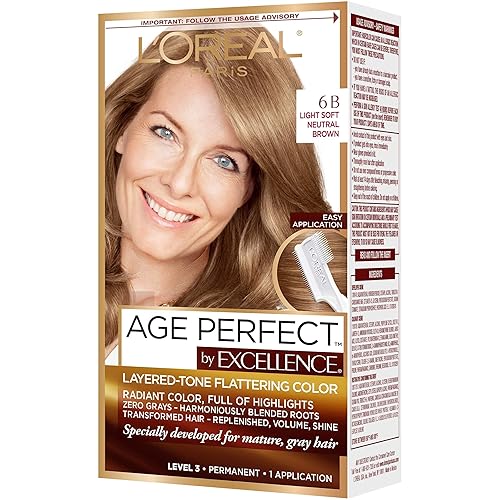
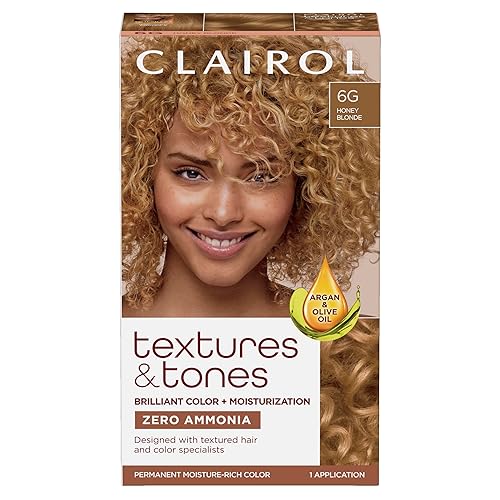
You can achieve honey brown at home using box dye brands like L’Oréal or Clairol. Follow DIY haircare tips: strand-test first, apply evenly, and use a toning gloss to refine warmth.
Finally
Honey brown hair is your ticket to effortless summer radiance, whether you’re choosing a warm balayage, a bold money piece, or a rich all-over color. You’ll need to commit to a solid maintenance routine—sulfate-free shampoos, UV protectants, and regular toning treatments—to preserve your color’s vibrancy.
With the right technique and aftercare, you can keep your honey brown shade looking luminous and freshly styled straight through the season’s end.