How To Master the Art of Accessories: The Ultimate Guide to Transform Your Style
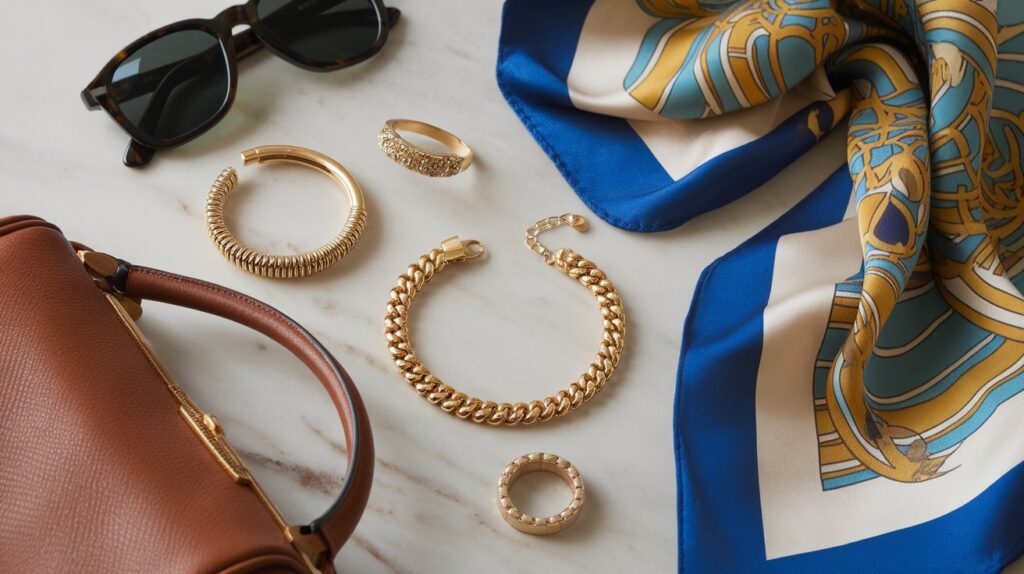
Have you ever looked at your outfit in the mirror and felt like something was missing? That invisible gap between “dressed” and “well-dressed” is exactly where accessories work their magic.
I used to think accessories were just optional add-ons—pretty little extras that didn’t really matter. But here’s what changed everything for me: accessories aren’t the cherry on top; they’re the difference between a house and a home.
Think about it. Two people can wear the exact same white t-shirt and jeans, but one looks effortlessly chic while the other looks… well, basic. The secret? It’s all in the details. A leather cuff bracelet here, a structured crossbody bag there, and suddenly you’re not just wearing clothes—you’re telling a story.
In this comprehensive guide, I’ll walk you through everything you need to know about mastering the art of accessories.
While you’re a complete beginner who’s intimidated by the jewelry counter or someone looking to refine their already-solid style game, you’ll find actionable strategies that actually work in real life.
Understanding the Psychology Behind Accessories {#psychology}
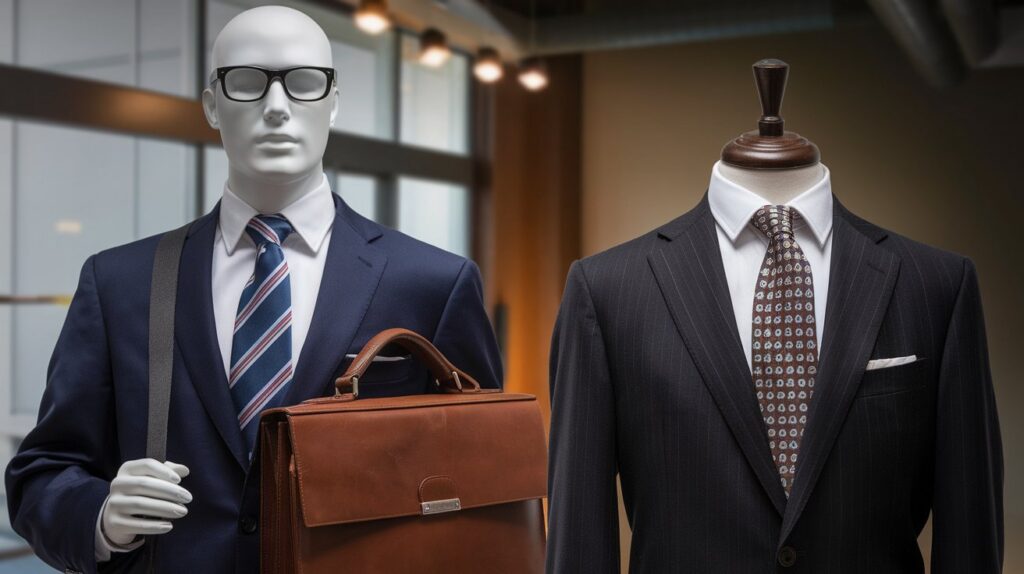
Before we dive into the how-to, let’s talk about the why. Why do accessories have such a powerful impact on our appearance and how others perceive us?
The Halo Effect in Fashion
Research in social psychology reveals something fascinating: people form impressions in less than seven seconds. Accessories contribute significantly to that first impression because they signal intentionality.
When you wear accessories, you’re communicating that you put thought into your appearance—and by extension, people unconsciously assume you bring that same attention to detail to other areas of your life.
According to research published in Personality and Social Psychology Review, clothing, hairstyle, makeup, and accessories fundamentally shape how others perceive us, influencing judgments about our social identities, mental states, status, and aesthetic tastes.
Studies have found that individuals wearing distinctive accessories were rated significantly higher in perceived competence and creativity compared to those wearing identical outfits without accessories. That’s not vanity—that’s strategic self-presentation.
Accessories as Identity Markers
Your accessories tell your story without you saying a word. That vintage watch from your grandfather? It speaks to your appreciation for heritage and craftsmanship.
Those beaded bracelets from your travels? They hint at your adventurous spirit. The minimalist gold studs? They communicate refined elegance and timeless taste.
“Fashion is what you buy. Style is what you do with it. And accessories? They’re your personal signature on the world.” — Fashion Psychologist Dawnn Karen
Understanding this psychological dimension transforms accessorizing from a superficial exercise into a powerful tool for authentic self-expression.
The Essential Accessory Wardrobe: What You Actually Need {#essentials}
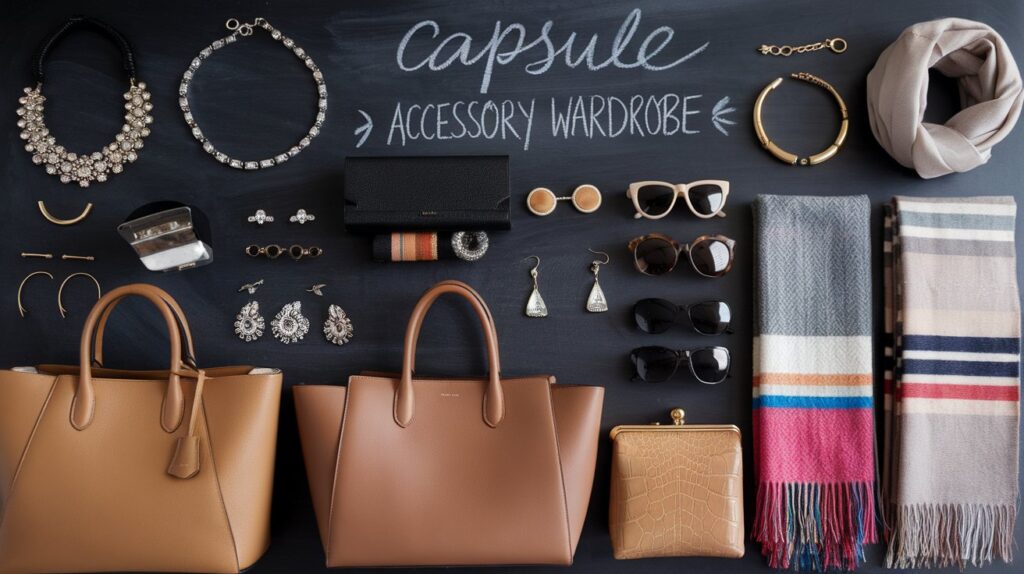
Let’s cut through the clutter. You don’t need 47 statement necklaces collecting dust in your jewelry box. What you need is a thoughtfully curated collection of versatile pieces that work hard for your wardrobe.
The Capsule Accessory Approach
| Accessory Category | Essential Pieces | Why It Matters |
|---|---|---|
| Jewelry | – Simple gold/silver chain<br>- Stud earrings<br>- Statement piece (necklace or earrings)<br>- Everyday watch | Creates a foundation that works across occasions while allowing for personality expression |
| Bags | – Structured tote or work bag<br>- Crossbody for casual days<br>- Evening clutch or mini bag | Covers professional, casual, and formal needs without closet overload |
| Belts | – Classic leather belt (brown)<br>- Classic leather belt (black)<br>- Statement belt for dresses | Defines silhouette and adds polish to countless outfits |
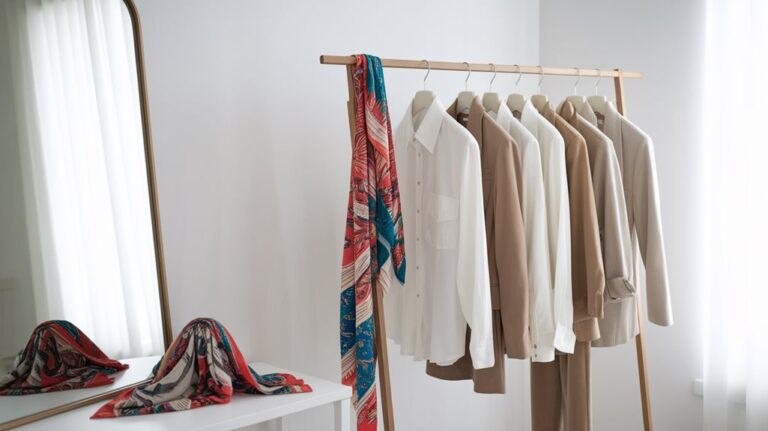
| Scarves | – Lightweight silk scarf<br>- Chunky knit scarf<br>- Neutral pashmina | Incredible versatility across seasons and styling options |
| Eyewear | – Classic sunglasses (aviators or wayfarers)<br>- Statement sunglasses | Instant style upgrade and year-round functionality |
| Hats | – Neutral-colored hat (beanie, fedora, or baseball cap based on your style) | Completes looks and adds dimension |
The Investment vs. Trend Framework
Not all accessories deserve equal investment. Here’s my rule of thumb:
Invest in:
- Quality leather bags that improve with age
- Fine jewelry in classic designs (you’ll wear these for decades)
- Well-crafted belts with timeless buckles
- Premium sunglasses with proper UV protection
Save on:
- Trendy statement pieces that might feel dated next season
- Fashion jewelry in trendy styles
- Costume accessories for experimental looks
- Seasonal hats or scarves in bold patterns
This framework has saved me thousands of dollars and countless hours of regret-shopping.
Accessorizing for Your Body Type {#body-type}
Here’s something most style guides won’t tell you: the “rules” about what you should or shouldn’t wear based on your body type are mostly outdated nonsense. However, understanding proportion and scale is genuinely useful.
The Proportion Principle
The key isn’t about hiding or showcasing—it’s about creating visual balance that makes you feel confident.
Petite Frames (5’4″ and under)
What works: Delicate chains, smaller bags, slim belts, dainty earrings Why: Maintains proportion without overwhelming your frame Pro tip: Don’t feel you can’t wear statement pieces—just opt for statement pieces that are bold in color or design rather than physically large
Tall Frames (5’9″ and above)
What works: Long pendant necklaces, oversized bags, wide belts, large hoops Why: Fills the vertical space and creates balanced proportions Pro tip: Embrace bold accessories—your frame carries them beautifully
Curvy Figures
What works: Longer necklaces that create vertical lines, structured bags, belts at natural waist Why: Creates lengthening effects and defines your silhouette Pro tip: Don’t avoid statement pieces—strategically placed bold accessories draw the eye where you want it
Athletic/Straight Figures
What works: Statement necklaces, chunky bracelets, wide belts, feminine scarves Why: Adds curves and softness to angular lines Pro tip: Layer accessories to add dimension and create the illusion of curves
The Universal Truth
Regardless of body type, confidence trumps all “rules.” If you love it and it makes you feel amazing, wear it. The “rules” are starting points, not commandments.
The Art of Balance: How to Layer Without Overwhelming {#balance}
This is where most people go wrong. They either under-accessorize and look unfinished, or they over-accessorize and look like they’re trying too hard. The sweet spot? That’s the art we’re mastering.
The 3-Point Rule
Your outfit should have no more than three focal points. This doesn’t mean three accessories—it means three places where the eye is drawn.
Example 1:
- Statement earrings (Point 1)
- Simple outfit
- Bold shoes (Point 2)
- Structured bag (Point 3)
Example 2:
- Patterned dress (Point 1)
- Delicate necklace
- Simple shoes
- Statement belt (Point 2)
- Classic watch (Point 3)
Notice how the outfit balances bold and subtle? That’s intentional design, not accidental coordination.
The Metal Mixing Myth
“Don’t mix metals” is one of the most outdated fashion rules still floating around. Here’s the truth: mixing metals looks incredibly chic and modern when done intentionally.
How to mix metals successfully:
- Choose one dominant metal: Let one metal (gold, silver, or rose gold) take the lead
- Add accent pieces in other metals: Layer in complementary metals through smaller pieces
- Use pieces with mixed metals: Bridge the gap with accessories that already combine metals
- Consider warm/cool undertones: Match metal tones to your skin’s undertones for harmony
For example: Gold hoops + silver rings + a mixed-metal watch = effortlessly eclectic, not costume-y confusion.
The Color Coordination Strategy
Option 1: Monochromatic Harmony Choose accessories in varying shades of the same color family as your outfit. This creates a sophisticated, pulled-together look.
Option 2: Complementary Contrast Use accessories to introduce a pop of color opposite your outfit on the color wheel (blue outfit + orange accessories, purple outfit + yellow accessories).
Option 3: Neutral Integration Black, white, nude, brown, and metallics work with literally everything. When in doubt, go neutral with your accessories.
Texture Mixing for Visual Interest
Don’t just think about color—texture matters enormously. Smooth leather with chunky knit. Sleek metal with soft fabric. Polished stones with weathered denim. These contrasts create depth and sophistication.
Seasonal Accessorizing Strategies {#seasonal}
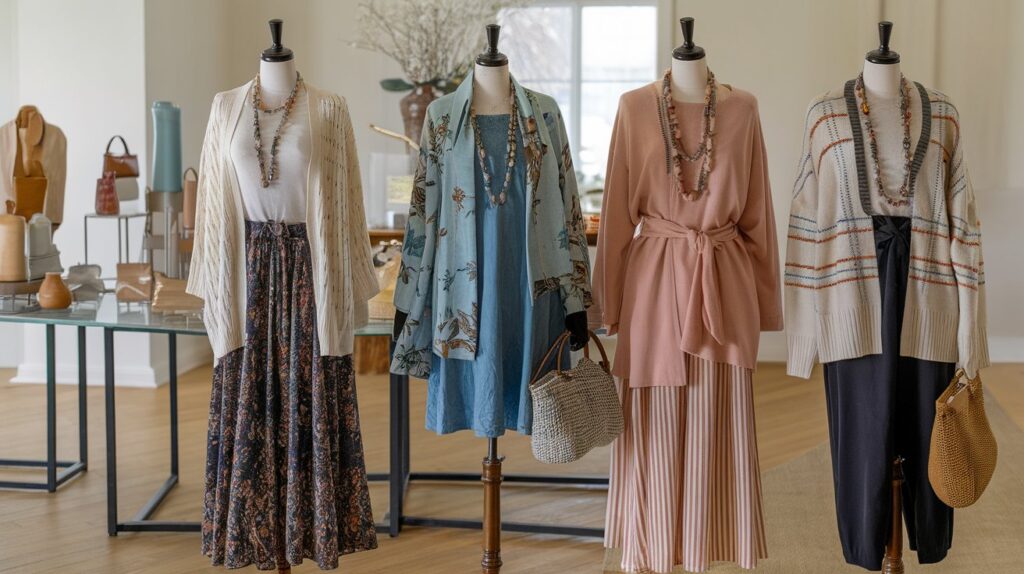
Your accessory game should shift with the seasons—not because fashion magazines say so, but because it’s practical and keeps your style feeling fresh.
Spring: Light, Bright, and Renewed
Key accessories:
- Lightweight silk scarves in floral or pastel prints
- Colorful crossbody bags
- Delicate layered necklaces
- Cat-eye sunglasses
- Woven or straw hats
Styling strategy: Spring is about shedding the heavy layers of winter. Your accessories should feel light and optimistic. Think delicate chains, bright handbags, and pieces that catch the light.
Example outfit: White linen shirt + light-wash jeans + nude sandals + yellow crossbody bag + layered gold necklaces + oversized sunglasses
Summer: Bold, Functional, and Carefree
Key accessories:
- Wide-brimmed hats for sun protection
- Statement earrings (especially for beach vacation vibes)
- Colorful or woven bags
- Layered bracelets
- Stylish sunglasses
Styling strategy: Summer accessories should work as hard as they look good. Choose pieces that serve dual purposes—sun protection that’s also stylish, bags that are practical for beach days but still chic.
Example outfit: Sundress + flat sandals + wide-brimmed straw hat + woven tote + statement earrings + stack of bangles
Fall: Layered, Rich, and Textured
Key accessories:
- Chunky scarves in autumnal colors
- Leather bags in cognac or burgundy
- Felt fedoras or wool berets
- Long pendant necklaces
- Leather belts and watches
Styling strategy: Fall is the golden age of accessorizing. You can layer like crazy without overheating. Focus on rich textures—suede, leather, wool—and earthy tones.
Example outfit: Oversized sweater + skinny jeans + ankle boots + cognac leather bag + plaid scarf + gold pendant + felt hat
Winter: Cozy, Luxurious, and Statement-Making
Key accessories:
- Cashmere or wool scarves
- Leather gloves
- Statement coats (yes, coats are accessories!)
- Beanies or fur-trimmed hats
- Structured bags in rich colors
Styling strategy: Winter is when accessories become necessities. Choose pieces that keep you warm while elevating your look. Don’t hide your accessories under bulky coats—let them complement your outerwear.
Example outfit: Camel coat + black turtleneck + dark jeans + black boots + burgundy leather bag + gray wool scarf + gold jewelry
Budget-Friendly Accessorizing: Looking Expensive on a Budget {#budget}
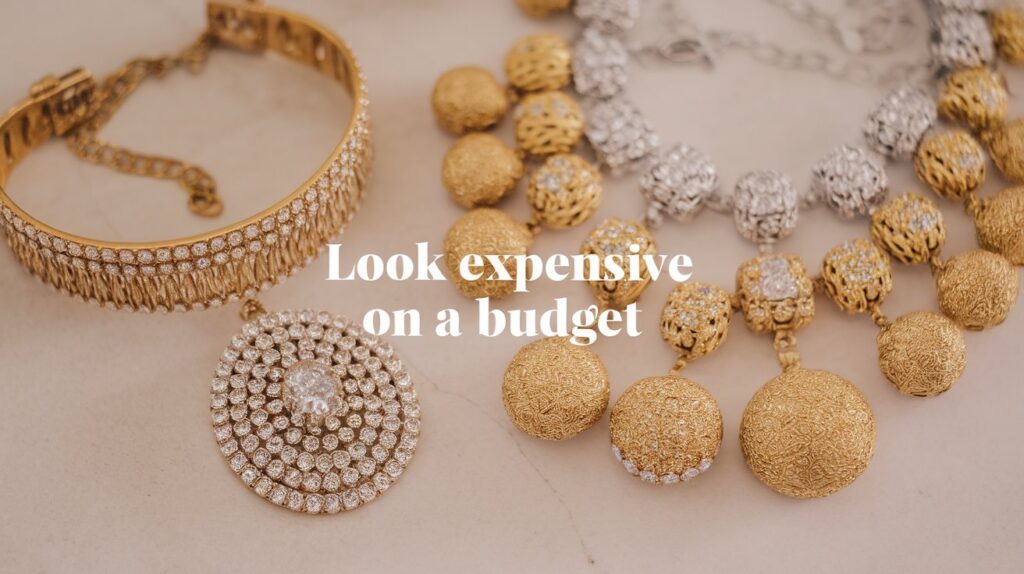
You don’t need a trust fund to look polished. You need strategy. With fashion and accessories contributing to 30% of total e-commerce order volume, the online marketplace has democratized access to stylish pieces at every price point. I’ve spent years figuring out how to look expensive on a Target budget, and I’m sharing all my secrets.
The Expensive-Looking Accessories Checklist
According to the Bureau of Labor Statistics, household spending on accessories averages $655 annually for women’s accessories compared to $406 for men’s, demonstrating the significant role these items play in personal budgets. Here’s how to maximize that investment:
✅ Structured over slouchy: A $40 structured bag looks more expensive than a $200 slouchy one ✅ Simple metals over ornate: Clean, simple metal jewelry reads as more luxe than heavily decorated pieces ✅ Leather (or excellent faux) over fabric: Even affordable leather accessories elevate your entire look ✅ Classic shapes over trendy: Timeless designs never look cheap; ultra-trendy pieces always do ✅ Quality over quantity: Three perfect accessories beat fifteen mediocre ones every time
Where to Splurge vs. Save
The global fashion accessories market is projected to reach $3.67 trillion by 2030, growing at 4.61% annually—a clear indicator that accessories are no longer afterthoughts but essential fashion investments. Smart consumers know where to allocate their budgets for maximum impact.
Splurge on:
- Your everyday work bag (you use it daily—make it count)
- A quality watch (it’s a lifetime investment)
- One pair of perfect sunglasses
- Classic leather belt(s)
Save on:
- Trendy jewelry (costume jewelry has come SO far)
- Seasonal scarves and hats
- Statement pieces you’ll wear occasionally
- Experimental colors or styles
The Thrift Store Goldmine
Vintage and secondhand shops are treasure troves for accessories. I’ve found:
- Designer scarves for $12
- Leather belts for $8
- Vintage brooches for $5
- Coach bags for $30
Pro thrifting tips:
- Go to thrift stores in affluent neighborhoods
- Visit regularly—inventory changes constantly
- Inspect quality carefully (especially on leather goods)
- Don’t overlook the “ugly” pieces—sometimes they just need polish
The DIY Upgrade Trick
Sometimes cheap accessories just need a little love:
- Replace cheap-looking hardware on bags
- Polish tarnished vintage jewelry
- Add leather handles to canvas bags
- Update belt buckles
Common Accessory Mistakes (And How to Avoid Them) {#mistakes}
Let’s talk about the accessorizing disasters I see every day. These mistakes are subtle but impactful—fixing them instantly upgrades your entire look.
Mistake #1: Matching Everything Perfectly
The problem: When your bag matches your shoes matches your belt matches your scarf, you look dated and costume-y.
The fix: Coordinate, don’t match. Choose accessories in complementary tones and textures that work together without being identical. Think “intentional harmony” not “exact replica.”
Mistake #2: Wearing Accessories That Don’t Fit Your Lifestyle
The problem: That gorgeous structured tote makes zero sense if you’re chasing toddlers all day. Those delicate rings are impractical if you work with your hands.
The fix: Build an accessory wardrobe that serves your actual life. Choose pieces that are both beautiful and functional for your daily reality.
Mistake #3: Ignoring Proportion
The problem: Tiny accessories on a large frame or overwhelmingly large pieces on a petite frame throw off your entire look.
The fix: Consider scale. Your accessories should balance your proportions, not fight against them.
Mistake #4: Over-Accessorizing for the Occasion
The problem: Wearing your most dramatic statement necklace + chandelier earrings + stacked bracelets + three rings to a business meeting is… a lot.
The fix: Read the room. Different contexts require different levels of accessorizing. When in doubt, remove one accessory before leaving the house (Coco Chanel was onto something).
Mistake #5: Neglecting Accessory Maintenance
The problem: Tarnished jewelry, worn-out bag straps, and dusty scarves undermine even the most expensive pieces.
The fix: Regular maintenance keeps accessories looking fresh. We’ll cover this more in the next section.
Mistake #6: Following Trends Blindly
The problem: Buying every trendy accessory Instagram tells you to means your style lacks coherence and you waste money on pieces you’ll never wear again.
The fix: Use trends as inspiration, not instruction. Ask yourself: “Does this align with my personal style? Will I wear this in six months?” If not, skip it.
Mistake #7: Forgetting About Versatility
The problem: Buying accessories that only work with one outfit means you need a storage unit for all your stuff and still feel like you have “nothing to wear.”
The fix: Before buying any accessory, mentally pair it with at least three different outfits in your current wardrobe. If you can’t, reconsider the purchase.
Building Your Signature Style {#signature}
This is where accessorizing transcends from skill to art form. Your signature style is what makes people say, “That’s so you!” when they see something.
Finding Your Accessory Identity
Ask yourself these questions:
- What words describe how you want to be perceived? (Polished? Edgy? Bohemian? Minimalist? Eclectic?)
- Which accessories make you feel most confident? (Big earrings? Delicate chains? Structured bags? Flowing scarves?)
- What’s your lifestyle and how do you spend most of your time? (Office environments? Creative spaces? Outdoors? Social events?)
- What colors do you naturally gravitate toward? (Warm tones? Cool tones? Neutrals? Bright colors?)
- Do you prefer timeless classic or on-trend pieces? (Heritage brands? Fast fashion? Vintage finds?)
Your answers reveal your accessory identity. Mine? I realized I’m a “polished minimalist with strategic statement pieces”—which means my everyday accessories are simple and refined (delicate gold jewelry, structured leather bags), but I love one bold element (colorful scarves or statement earrings).
Creating Your Signature Look
Once you understand your identity, you can develop signature elements. Social media platforms have fundamentally transformed how consumers discover and engage with fashion trends, with Instagram, TikTok, and Pinterest serving as key channels for accessory inspiration and personal style development.
Signature Piece Approach: Choose one accessory category where you always make a statement. For example:
- Always wear a bold lip color and coordinating nail polish
- Never leave home without statement earrings
- Build a collection of distinctive vintage brooches
- Make hats your thing
Signature Metal Approach: Commit to one metal tone (gold, silver, or rose gold) and build your collection there. This creates instant cohesion across all your accessories.
Signature Color Approach: Introduce the same accent color across multiple accessories. Someone I know wears something cobalt blue every day—a bag, scarf, watch band, or shoes. It’s become her calling card.
The Evolution Factor
Your signature style isn’t set in stone—it should evolve as you do. I went from bohemian layered necklaces in my twenties to minimalist gold pieces in my thirties. Both felt authentically “me” at the time. Give yourself permission to grow and change.
Care and Maintenance: Making Your Accessories Last {#care}
You’ve invested time, money, and thought into building your accessory collection. Now let’s make sure these pieces last for years (or decades).
Jewelry Care
Gold and Silver:
- Store in anti-tarnish bags or lined jewelry boxes
- Clean regularly with jewelry cleaner or mild soap and water
- Remove before swimming, showering, or exercising
- Polish with a jewelry cloth to restore shine
Costume Jewelry:
- Keep dry—water is the enemy
- Store separately to prevent scratching
- Apply perfume and hairspray BEFORE putting on jewelry
- Clean with a damp cloth (never submerge)
Pearls:
- Wipe with soft cloth after each wear (body oils damage pearls)
- Store separately from other jewelry (pearls scratch easily)
- Wear regularly—pearls benefit from your skin’s natural oils
- Restring annually if worn frequently
Bag Care
Leather Bags:
- Use leather conditioner every 3-6 months
- Store stuffed with tissue paper to maintain shape
- Keep in dust bags when not in use
- Treat stains immediately with leather cleaner
- Rotate bags regularly to prevent wear patterns
Canvas or Fabric Bags:
- Spot clean with mild detergent
- Use protective spray to prevent stains
- Air dry completely before storing
- Check care labels before washing
Suede Bags:
- Brush regularly with suede brush
- Use suede protector spray
- Keep away from water and rain
- Store away from direct sunlight
Scarf Care
Silk Scarves:
- Hand wash in cold water with gentle detergent
- Never wring—roll in towel to absorb moisture
- Iron on lowest setting while slightly damp
- Store flat or gently folded (avoid hanging)
Wool/Cashmere Scarves:
- Dry clean or hand wash in cold water
- Lay flat to dry
- Store with cedar blocks to prevent moths
- Brush to remove pilling
Sunglasses Care
- Clean lenses with microfiber cloth and lens cleaner
- Store in hard case when not wearing
- Never leave in hot car (damages frames and lenses)
- Tighten screws periodically
Belt Care
Leather Belts:
- Condition leather regularly
- Store flat or rolled (never folded)
- Rotate belts to prevent wear
- Clean buckles with appropriate metal cleaner
The Seasonal Rotation System
Organize accessories by season and rotate accordingly:
- Fall/Winter storage: Clean, condition, and store spring/summer pieces
- Spring/Summer storage: Prep and store cold-weather accessories
- Year-round pieces: Keep easily accessible in daily rotation
This system prevents damage, keeps things organized, and makes getting dressed effortless.
Discover Your Accessory Personality
Before we wrap up, take this quick quiz to discover your accessory personality and get personalized recommendations!
✨ Discover Your Accessory Style ✨
Answer 5 quick questions to unlock your personalized accessory recommendations
How would you describe your typical daily outfit?
What’s your go-to shopping approach?
Which statement resonates most with you?
Your lifestyle is best described as:
What draws you most to an accessory?
Your Perfect Accessories:
Final Thoughts: Your Accessory Journey
Mastering the art of accessories isn’t about following rigid rules or emptying your wallet at the latest boutique. It’s about understanding yourself—your body, your lifestyle, your personality—and using accessories as tools for authentic self-expression.
Start small. Choose one category (maybe earrings or scarves) and really explore it. Experiment with different styles, pay attention to what makes you feel confident, and gradually build from there. Your accessory mastery won’t happen overnight, and that’s perfectly fine.
Remember: the best accessory you can wear is confidence. When you feel good in what you’re wearing—whether that’s minimalist studs or maximalist chandelier earrings—it shows. That’s the real art we’re mastering here.
Your Action Plan
Ready to put this into practice? Here’s your step-by-step:
- Audit your current accessories: Spread everything out and honestly assess what you actually wear
- Identify gaps: What essential pieces are missing?
- Define your style: Use the questions in the signature style section
- Make strategic purchases: Prioritize filling gaps with versatile pieces
- Practice daily: Experiment with different combinations
- Maintain your collection: Implement the care routines
- Evolve continuously: Reassess seasonally and as your life changes