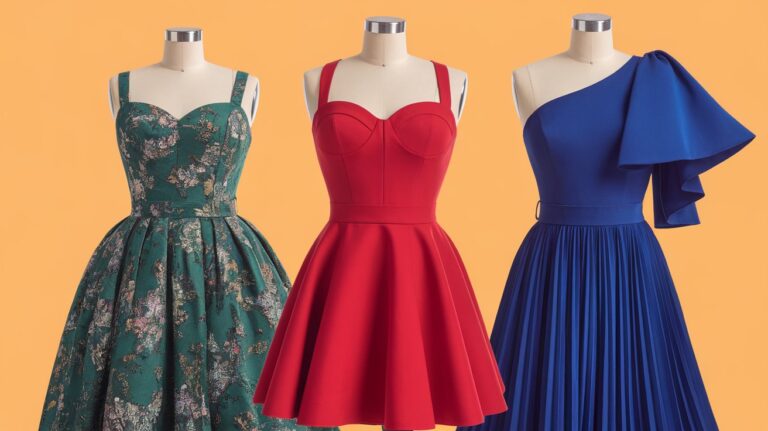
How to Transition Your Wardrobe Between Seasons Like a Pro (Save Money & Look Amazing!)
You know that awkward phase when your weather app can’t decide between 45°F and 75°F in the same week? When your morning coffee requires a cozy sweater, but by lunchtime you’re peeling off layers like an onion? Welcome to seasonal transition chaos—the fashion equivalent of living in purgatory.

But here’s the thing: transitioning your wardrobe between seasons doesn’t have to feel like solving a Rubik’s cube in the dark. Whether you’re moving from winter’s heavy knits to spring’s breezy florals, or swapping summer sandals for fall boots, I’m going to show you exactly how to navigate these changes like the style-savvy person you are.
After years of trial and error (and yes, some fashion disasters involving wool sweaters in 80-degree weather), I’ve cracked the code. And today, I’m sharing everything I’ve learned about making seasonal wardrobe transitions smooth, sustainable, and surprisingly enjoyable.
Why Seasonal Wardrobe Transitions Matter More Than You Think
Let’s get real for a moment. Your closet isn’t just a storage space—it’s a reflection of how you navigate life. A well-transitioned wardrobe means:
- Spending less time standing confused in front of your closet every morning
- Extending the life of your clothes by storing them properly
- Saving serious money by maximizing what you already own
- Reducing decision fatigue because appropriate options are actually accessible
- Feeling confident knowing you’re dressed appropriately for the weather
According to research, the average person owns nearly $300 worth of unworn clothing. That’s not because we don’t have enough clothes—it’s because we’re not organizing and transitioning our wardrobes effectively.
In fact, the U.S. Environmental Protection Agency reports that Americans discarded approximately 11.3 million tons of textile waste in landfills in 2018 alone—representing 7.7% of all municipal solid waste.
The 4-Phase Approach to Seasonal Wardrobe Transitions
Phase 1: The Honest Assessment (Week 1)
Before you touch a single hanger, you need clarity. Set aside a Saturday morning, brew your favorite beverage, and let’s do this properly.
Step 1: Empty Your Closet (Yes, Everything)
I know this sounds extreme, but trust me. Pull out every piece of clothing, every accessory, every belt you forgot you owned. Lay them on your bed or floor. This visual inventory is eye-opening.
Step 2: Create Your Sorting System
Grab some bins, boxes, or designate areas of your room for these categories:
| Category | What Goes Here | Action Required |
|---|---|---|
| Definite Keep | Clothes you wore 3+ times this season, still love, and fit well | Clean and store or keep accessible |
| Donate/Sell | Haven’t worn in 12+ months, doesn’t fit, or doesn’t spark joy | Schedule donation pickup or list online |
| Repair | Good pieces that need minor fixes | Set repair deadline (2 weeks max) |
| Maybe | Unsure items that need a second opinion | Revisit in 24 hours with fresh eyes |
Pro tip: Try on everything in the “maybe” pile. If you hesitate for more than 5 seconds, it goes to donate. Life’s too short for “meh” clothing.
Step 3: Consider Your Lifestyle Changes
Has your lifestyle shifted since last season? Maybe you:
- Started working from home (less formal wear needed)
- Got a new job (more professional pieces required)
- Moved to a different climate
- Changed your exercise routine
- Had a body transformation
Your wardrobe should serve your current life, not your past one or some imaginary future.
Phase 2: Strategic Storage (Week 2)
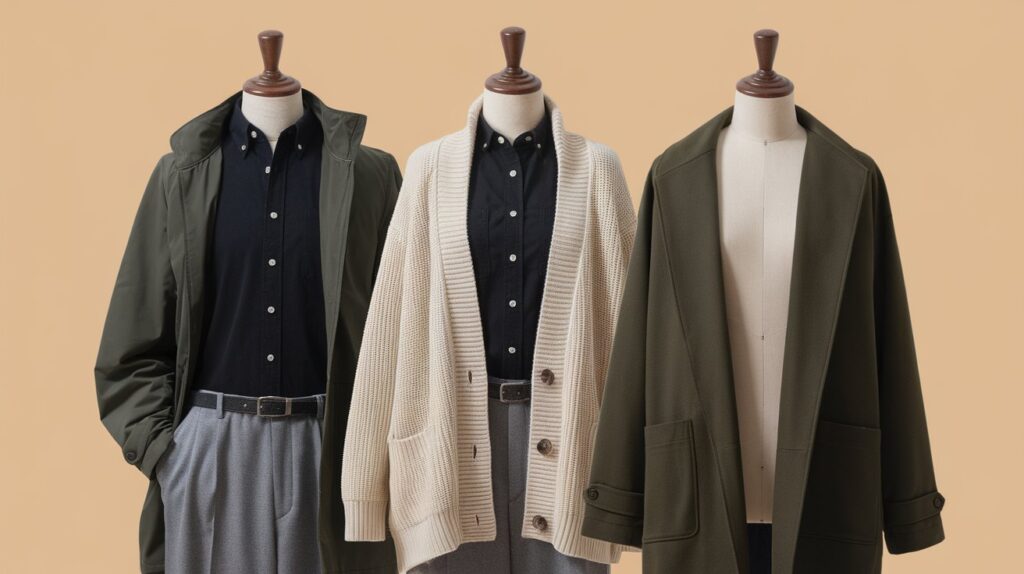
Now that you’ve sorted everything, it’s time to store off-season items properly. This isn’t just about cramming clothes into bins—it’s about preservation and easy retrieval.
The Right Way to Store Seasonal Clothes
For Delicate Items (Silk, Cashmere, Wool):
- Clean everything before storing (stains set over time)
- Use breathable garment bags, not plastic
- Add cedar blocks or lavender sachets to deter moths
- Store in climate-controlled spaces when possible
For Bulky Items (Coats, Heavy Sweaters):
- Vacuum-seal bags can compress volume by 75%
- Never vacuum-seal leather, fur, or down—they need air circulation
- Store in under-bed containers or overhead shelves
For Everyday Pieces:
- Clear plastic bins work great (you can see contents)
- Label everything clearly: “Winter Sweaters,” “Summer Dresses,” etc.
- Include a written list inside each bin’s lid
- Photograph bin contents and store photos on your phone
Sarah’s Storage Hack: “I photograph each storage bin’s contents and create an album on my phone labeled ‘Off-Season Wardrobe.’ When I need something specific mid-season, I don’t have to dig through 5 bins—I just check my phone first.”
Where to Store Everything
Not everyone has a walk-in closet or spare bedroom. Here are solutions for every living situation:
- Under-bed storage: Perfect for flat-packed sweaters and off-season shoes
- Vacuum bags in hall closets: Maximize vertical space
- Overhead shelving: Great for rarely-accessed formal wear
- Storage ottoman: Doubles as seating and holds accessories
- Garment racks in guest room: Cover with a sheet for a clean look
Phase 3: Building Your Transitional Wardrobe (Weeks 3-4)
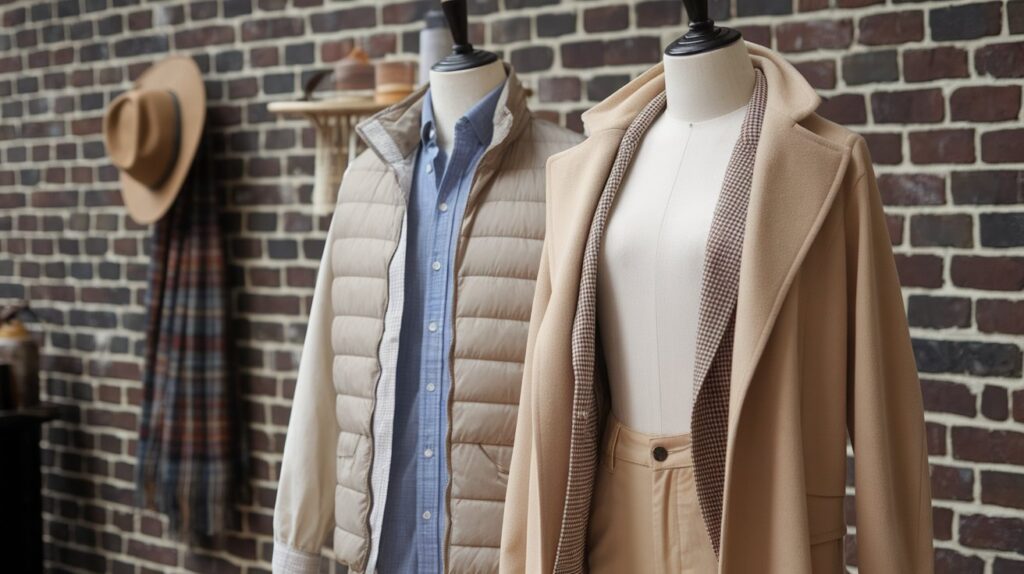
This is where the magic happens. Your transitional wardrobe consists of versatile pieces that work across temperature ranges—the Swiss Army knives of your closet.
The 15 Essential Transitional Pieces Everyone Needs
| Item | Why It’s Essential | How to Style It |
|---|---|---|
| White Button-Down Shirt | Works layered or solo, all seasons | Under sweaters in winter, sleeves rolled in summer |
| Dark Denim Jeans | Temperature-neutral fabric | With boots in fall, sandals in spring |
| Lightweight Cardigan | Perfect layering piece | Over tees, under jackets, solo with tank tops |
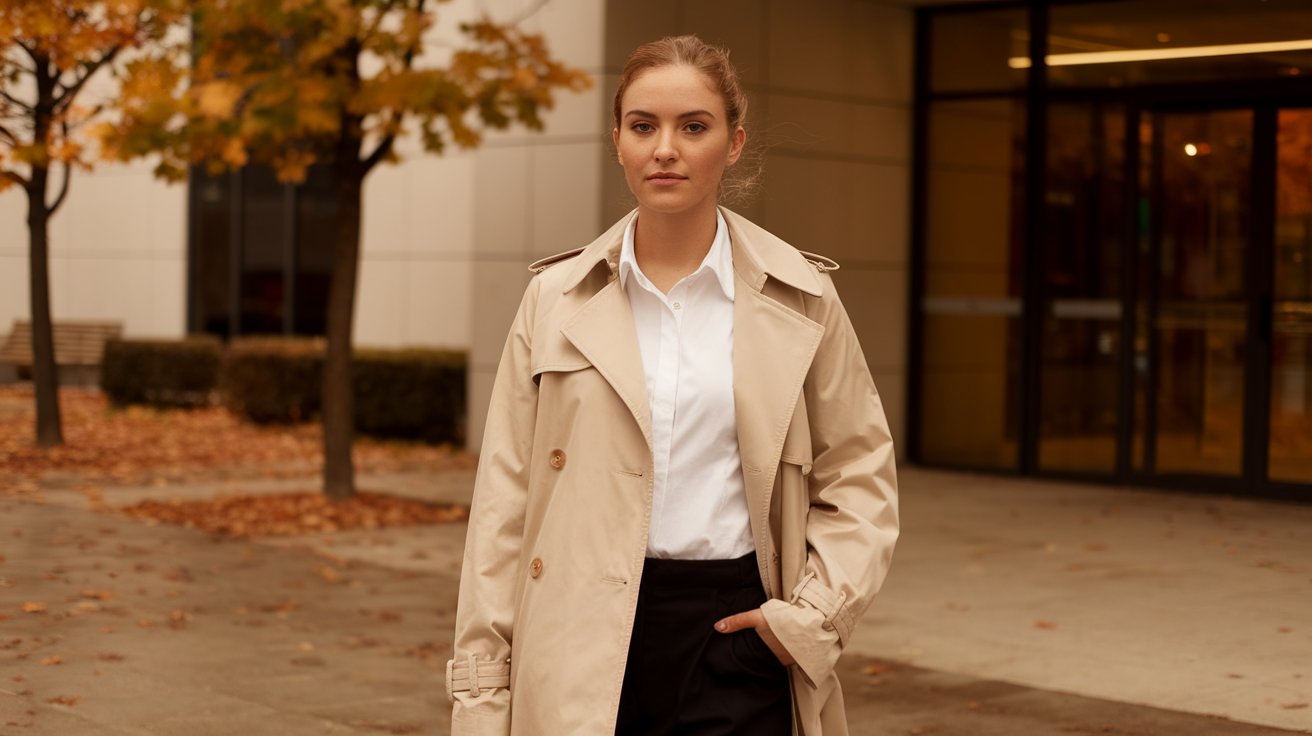
| Classic Trench Coat | Water-resistant, works 3 seasons | Over sweaters or light dresses |
| Ankle Boots | Transitional footwear | With tights in cold, bare legs in mild weather |
| Midi Dress | Versatile length | Bare in summer, with tights and cardigan in fall |
| Neutral Blazer | Adds structure, moderate warmth | Over everything from tees to dresses |
| Basic Tees (White, Black, Gray) | Infinite layering possibilities | Foundation for any outfit |
| Black Leggings/Slim Pants | Comfortable, weather-adaptable | Layer under dresses or pair with tunics |
| Denim Jacket | Classic layering piece | Over dresses, with sweaters underneath |
| Silk Scarf | Lightweight warmth, style element | Around neck, in hair, on bags |
| White Sneakers | All-season footwear | Casual looks year-round |
| Leather Bag | Durable, timeless | Crossbody or tote options |
| Neutral Tank Tops | Layering foundation | Under cardigans, jackets, or solo |
| Lightweight Knit Sweater | Moderate warmth | Over button-downs or with jeans |
Layering Like a Fashion Pro
The secret to successful transitional dressing? Master the art of layering. Here’s your foolproof formula:
The 3-Layer System:
- Base Layer: Fitted tee, tank, or camisole
- Middle Layer: Button-down, lightweight sweater, or cardigan
- Outer Layer: Jacket, blazer, or coat
Temperature Guidelines:
- 60-70°F: Base + Middle layer
- 50-60°F: All three layers
- 40-50°F: Add scarf, consider warmer base layer
- Below 40°F: Heavy coat replaces light jacket
Real-Life Example: My go-to spring-to-summer transition outfit:
- Base: White tank top
- Middle: Chambray button-down (tied at waist when warm)
- Bottom: Dark skinny jeans
- Shoes: White sneakers
- Bag: Cognac leather crossbody
This works from March through May in most climates. When it’s cooler, I wear the button-down closed and add a denim jacket. When it warms up, I tie the chambray around my waist or carry it.
Phase 4: The Color Shift Strategy
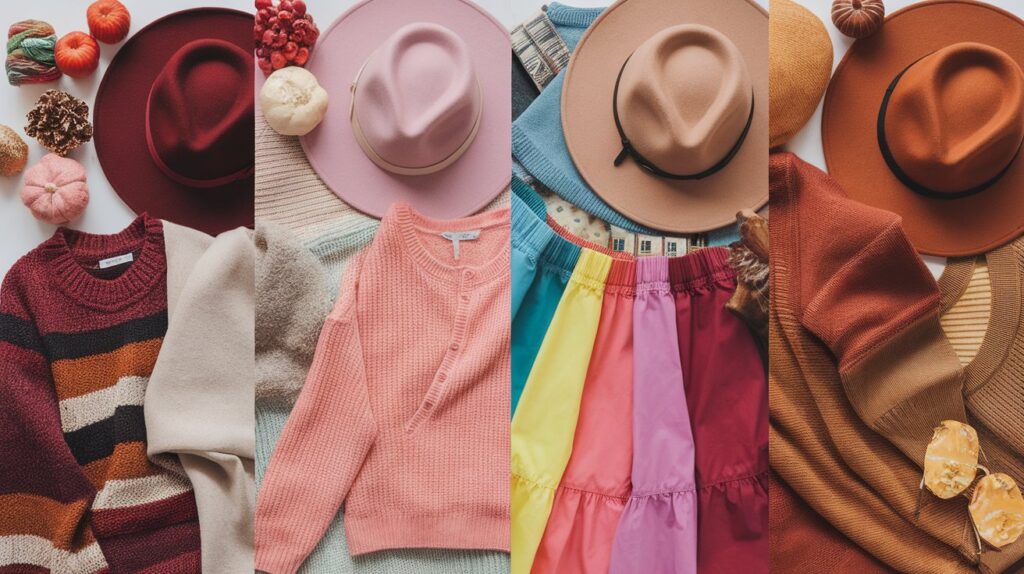
Your wardrobe’s color palette should subtly shift with the seasons. This doesn’t mean buying all new clothes—it means being strategic about which colors you showcase.
Seasonal Color Palettes
Winter → Spring Transition:
- Pack away: Deep burgundies, forest greens, charcoal grays
- Bring out: Soft pinks, mint greens, light blues, cream
- Bridge colors: Navy, camel, white (work year-round)
Spring → Summer Transition:
- Pack away: Heavy knits in any color, dark tights
- Bring out: Bright corals, yellows, turquoise, white
- Bridge colors: Denim blue, khaki, pastels
Summer → Fall Transition:
- Pack away: Neon brights, stark whites, light pastels
- Bring out: Rust, olive, mustard, burgundy, camel
- Bridge colors: Navy, gray, denim
Fall → Winter Transition:
- Pack away: Lighter textures in warm tones
- Bring out: Deep jewel tones, blacks, rich browns
- Bridge colors: Gray, camel, burgundy
“I don’t change my entire closet overnight. Instead, I gradually introduce seasonal colors through accessories first—a burnt orange scarf in September, a blush pink bag in March. It makes the transition feel natural, not forced.” – Emily, Fashion Blogger
Season-Specific Transition Strategies
Winter to Spring: Shedding Layers Gracefully
Timeline: Start mid-February, complete by early April
Key Moves:
- Week 1-2: Remove heavy winter coats, snow boots, thick scarves
- Week 3-4: Swap wool sweaters for cotton knits and cardigans
- Week 5-6: Introduce lighter shoes (ankle boots, loafers)
- Week 7-8: Bring out spring dresses, lighter fabrics
Don’t Pack Yet: Light sweaters, jeans, ankle boots—spring weather is unpredictable!
What to Buy (If Needed): A lightweight trench coat, pastel accessories, comfortable flats
Spring to Summer: Embracing Minimalism
Timeline: Start late April, complete by early June
Key Moves:
- Week 1-2: Store long-sleeve shirts, heavy jeans
- Week 3-4: Bring out shorts, sundresses, sandals
- Week 5-6: Switch from closed-toe to open-toe shoes
- Week 7-8: Maximize sleeveless options, pack away cardigans
Don’t Pack Yet: One light cardigan for air-conditioned offices, a denim jacket for evenings
What to Buy (If Needed): Quality sunglasses, a straw tote, breathable basics
Summer to Fall: The Art of Adding Layers
Timeline: Start mid-August, complete by late September
Key Moves:
- Week 1-2: Remove sleeveless tops you won’t layer, shorts
- Week 3-4: Bring out long-sleeve tees, light sweaters
- Week 5-6: Introduce boots, closed-toe shoes
- Week 7-8: Add jackets, blazers, scarves to accessible areas
Don’t Pack Yet: Short-sleeve tees (perfect under cardigans), summer dresses (add tights!)
What to Buy (If Needed): Opaque tights, ankle boots, a versatile moto jacket
Fall to Winter: Building Your Defense
Timeline: Start late October, complete by early December
Key Moves:
- Week 1-2: Store anything sleeveless, light dresses
- Week 3-4: Bring out heavy sweaters, winter coats
- Week 5-6: Add gloves, scarves, winter boots to daily rotation
- Week 7-8: Maximize warm layers, thermal wear if needed
Don’t Pack Yet: Your favorite jeans, neutral sweaters, ankle boots
What to Buy (If Needed): Quality winter coat, thermal layers, waterproof boots
Advanced Transition Techniques
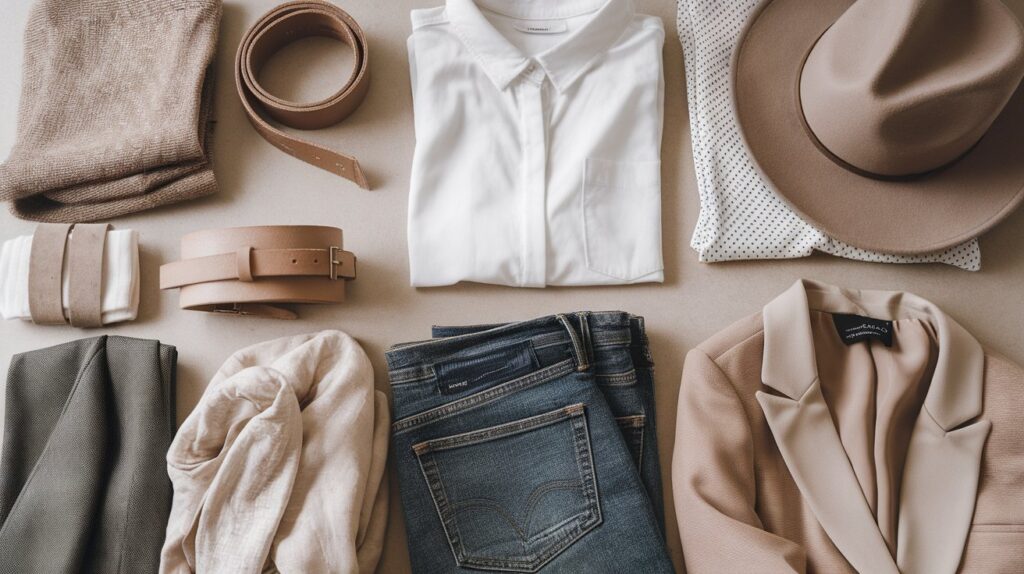
The Capsule Wardrobe Approach
If you want to take your transitional wardrobe to the next level, consider creating seasonal capsules. A capsule wardrobe typically contains 30-40 pieces that all coordinate together.
Benefits:
- Easier decision-making
- Everything matches everything
- Less clutter
- More intentional purchases
How to Build a Transitional Capsule:
- Choose a color palette (3-4 neutrals + 2-3 accent colors)
- Select 5-7 bottoms (mix of pants, skirts, jeans)
- Choose 8-10 tops (variety of sleeves and styles)
- Add 3-4 layering pieces (cardigans, blazers, jackets)
- Include 5-6 pairs of shoes
- Select 5-7 accessories (bags, scarves, jewelry)
The Outfit Formula Method
Instead of thinking about individual pieces, think in complete outfits. Before storing seasonal items, photograph 10-15 complete outfits for the upcoming season.
Why This Works:
- Eliminates morning guesswork
- Ensures you actually use what you keep
- Identifies gaps before shopping
- Creates a visual lookbook
I keep these photos in an album on my phone labeled “Spring Outfits 2025” or “Fall Looks 2025.” Game changer.
Climate Considerations
Your transition strategy should adapt to your specific climate:
Hot, Dry Climates (Southwest US):
- Longer summer season, shorter winter
- Focus on lightweight, breathable fabrics year-round
- Invest in quality sundresses and sandals
- Layer lightly even in “winter”
Cold, Snowy Climates (Northeast US, Midwest):
- Extended winter requiring substantial warm wardrobe
- Short but intense summer season
- Quality winter coats are non-negotiable
- Waterproof boots essential fall through spring
Humid Climates (Southeast US):
- Moisture-wicking, breathable fabrics crucial
- Mildew prevention in storage important
- Lighter color palettes reflect heat
- Year-round shorts-appropriate weather
Temperate Climates (Pacific Northwest):
- Layering is king year-round
- Rain jackets more important than heavy coats
- Transitional pieces get most wear
- Versatile boots are essential
Tropical Climates:
- Minimal seasonal variation
- Focus on wet vs. dry season
- Lighter fabrics, fewer heavy pieces needed
- Storage concerns include humidity control
Common Mistakes to Avoid
Mistake #1: The Premature Pack-Away
The Problem: Storing winter coats in March, then freezing during an April cold snap.
The Fix: Keep one versatile jacket accessible until temps consistently hit 60°F+. In my closet, my trench coat stays out year-round because it works in any season.
Mistake #2: The “I’ll Fit Into It Eventually” Trap
The Problem: Keeping clothes that don’t currently fit, hoping they will someday.
The Fix: Store these separately from your active wardrobe. If they still don’t fit after one year, donate them. Your present self deserves clothes that fit now.
Mistake #3: Ignoring Accessories
The Problem: Focusing only on clothes, forgetting that accessories signal seasonal changes.
The Fix: Transition accessories too! Swap straw bags for leather, switch from sandals to boots gradually, trade sunglasses for beanies.
Mistake #4: The All-or-Nothing Approach
The Problem: Changing your entire wardrobe in one weekend marathon session.
The Fix: Spread the transition over 4-6 weeks. This gives you time to adapt, test outfits, and adjust as needed.
Mistake #5: Neglecting Proper Storage
The Problem: Throwing clothes in garbage bags, creating wrinkles, mustiness, and moth buffets.
The Fix: Invest in proper storage solutions. A $30 garment bag will protect a $200 coat for years. That’s $170 in savings.
Budget-Friendly Transition Tips
You don’t need a new wardrobe every season. Here’s how to transition stylishly on any budget:
The No-Buy Challenge
Try transitioning without purchasing anything new. You’ll be surprised what you already own. This approach aligns with current consumer trends—according to Business of Fashion’s 2025 State of Fashion report, over 80% of shoppers plan to spend the same or less on clothing, footwear, and accessories, signaling a shift toward more mindful consumption.
- Shop your closet: Rediscover forgotten pieces
- Swap with friends: Host a clothing swap party
- Get creative: Dye a faded piece, add patches, update buttons
- Accessorize differently: A new belt or scarf changes everything
Strategic Secondhand Shopping
When you do need something, consider:
- Thrift stores: Great for basics and vintage pieces
- Consignment shops: Higher quality, gently used items
- Online marketplaces: Poshmark, Depop, ThredUp, Vinted
- Facebook Marketplace: Local deals, try before buying
The Rule of Three
Before buying any new piece, ask:
- Can I wear this with at least 3 items I already own?
- Will I wear it at least 3 times per season?
- Does it fill a specific gap in 3 scenarios (work, casual, dressy)?
If you can’t answer yes to all three, put it back.
Investment vs. Trend
Know the difference:
Worth Investing In:
- Quality winter coat (10+ year lifespan)
- Classic leather boots
- Well-fitting jeans
- Timeless blazer
- Cashmere sweater
Okay to Buy Cheap:
- Trendy pieces you’ll wear one season
- Basic tees (they’ll get stained eventually)
- Seasonal colors
- Lounge wear
- Costume jewelry
Sustainable Wardrobe Transitions
The fashion industry is one of the world’s biggest polluters. Your transition strategy can be part of the solution.
According to the European Parliament, the textile sector was the third largest source of water degradation and land use in 2020, and it takes approximately 2,700 liters of fresh water to make a single cotton t-shirt—enough to meet one person’s drinking needs for 2.5 years.
Care for What You Have
Proper washing extends clothing life:
- Wash cold (90% of clothing energy use comes from heating water)
- Air dry when possible
- Turn garments inside out
- Use mesh bags for delicates
- Button buttons and zip zippers before washing
Taking care of your clothes is crucial for sustainability. A 2025 U.S. Government Accountability Office report highlights that textile waste causes harmful environmental effects including greenhouse gas emissions and contaminant leaching as fabrics decompose in landfills—making proper care and extended garment life essential for reducing environmental impact.
Repair, Don’t Replace
Common fixes anyone can do:
- Sew loose buttons (takes 5 minutes)
- Patch holes with iron-on patches
- Replace broken zippers (or pay a tailor $15)
- Remove pills with a fabric shaver
- Hem pants with fabric tape (no sewing!)
Donate Responsibly
Not all donations are equal:
Best Options:
- Local shelters: Directly help those in need
- Dress for Success: Professional wear for job seekers
- Women’s shelters: Often need quality basics
- Buy Nothing groups: Hyperlocal giving
- Textile recycling: For truly unwearable items
Avoid: Dumping poor-quality fast fashion on donation centers. They can’t sell it and it ends up in landfills anyway. Interestingly, research published in Nature Scientific Reports found that secondhand consumption is positively correlated with new clothing purchases, meaning that buying secondhand doesn’t always reduce overall consumption unless done mindfully.
Making It a Ritual You’ll Actually Enjoy
Let’s face it: closet organization can feel like a chore. Here’s how to make it something you look forward to:
Create the Right Atmosphere
- Play energizing music: My personal favorite is 80s hits
- Pour your favorite beverage: Coffee in the morning, wine in the evening
- Good lighting: Natural light shows colors accurately
- Comfort: Wear comfy clothes, take breaks
Make It Social
- Invite a friend: They’ll help you make tough decisions
- Video call a long-distance friend: Chat while you work
- Join an online community: Share progress on Instagram or Reddit
Reward Yourself
After completing your seasonal transition:
- Treat yourself to one new accessory that works with your refreshed wardrobe
- Professional photos: Document your new favorite outfits
- Closet reveal: Share before/after photos (motivation for next time!)
Your Seasonal Transition Checklist
Print this out and stick it on your closet door:
6-8 Weeks Before Season Change:
- [ ] Check weather patterns for upcoming season
- [ ] Assess current wardrobe condition
- [ ] Make note of needed repairs
- [ ] Create preliminary shopping list
4 Weeks Before:
- [ ] Begin decluttering process
- [ ] Try on “maybe” items
- [ ] Take photos of outfit combinations
- [ ] Order any needed storage solutions
2 Weeks Before:
- [ ] Clean all items going into storage
- [ ] Pack away off-season clothes
- [ ] Bring out next season’s pieces
- [ ] Organize closet with new layout
Week Of Season Change:
- [ ] Final closet arrangement
- [ ] Donate/sell unwanted items
- [ ] Update outfit photo album
- [ ] Purchase any critical missing pieces
Ongoing:
- [ ] Weekly outfit photos for future reference
- [ ] Monthly closet maintenance check
- [ ] Quarterly reassessment of what’s working
The Bottom Line
Transitioning your wardrobe between seasons isn’t about having the perfect closet or unlimited budget. It’s about working smart with what you have, making intentional choices, and creating a system that supports your daily life.
Remember these key principles:
- Start early: Give yourself 6-8 weeks for a gradual transition
- Be honest: Keep only what fits and makes you feel confident
- Store properly: Protect your investment with good storage
- Build versatility: Invest in pieces that work across seasons
- Color strategically: Shift palettes gradually, not overnight
- Layer intelligently: Master the 3-layer system
- Think sustainably: Repair, donate, and buy intentionally
- Make it enjoyable: Create a ritual you actually look forward to
Your closet should be a tool that simplifies your life, not a source of daily stress. With these strategies, you’ll glide through seasonal transitions like a fashion editor, armed with exactly what you need and nothing you don’t.
Now get in there and show that closet who’s boss. And when you’re standing there next spring in the perfect transitional outfit—comfortable, confident, and pulling pieces from three different seasons—you’ll thank yourself for putting in this work.
What’s your biggest seasonal wardrobe challenge? Drop a comment below and let’s solve it together!
Wardrobe Transition Planner
Use this interactive tool to plan your wardrobe transition timeline based on your location and season:
Frequently Asked Questions
Q: How far in advance should I start transitioning my wardrobe? A: Start 6-8 weeks before the season officially changes. This gives you time to make the transition gradually and adjust as temperatures fluctuate.
Q: What’s the minimum number of pieces I need for a transitional wardrobe? A: With 15-20 versatile pieces, you can create dozens of outfits that work across temperature ranges. Quality over quantity is key.
Q: Should I dry clean everything before storage? A: Clean everything, but dry cleaning isn’t always necessary. Most items can be machine washed on gentle cycles. Always check care labels.
Q: How do I transition my wardrobe on a tiny budget? A: Focus on accessories first—they’re cheaper and instantly update looks. Shop your own closet, organize clothing swaps with friends, and master layering with what you have.
Q: What if I don’t have storage space? A: Use vertical space (overhead shelves), under-bed storage, vacuum bags, and multi-purpose furniture like storage ottomans. You need less space than you think with proper compression.
Q: Can I transition my wardrobe in one weekend? A: You can, but it’s not ideal. Spreading it over several weeks allows you to test outfits, adjust to weather patterns, and avoid overwhelming yourself.
Q: What temperature range works for transitional pieces? A: Most transitional pieces work best in the 50-70°F range. Below 50°F, you’ll need heavier layers. Above 70°F, lighter fabrics are more comfortable.