Sustainable Fashion: How to Build a Conscious Wardrobe
We started paying closer attention to sustainable fashion after noticing a pattern in our own closets: a handful of older, better-made pieces kept getting worn on repeat, while most of what we’d bought on impulse fell apart or fell out of rotation within a season. That gap between what looked good on the rack and what actually held up is what this guide is built around.
What is Sustainable Fashion? Understanding the Movement That’s Changing How We Dress
Sustainable fashion represents far more than just a passing trend—it’s a fundamental shift in how we produce, consume, and think about clothing.
At its core, sustainable fashion aims to create a clothing industry that respects both people and planet, addressing the environmental damage and human exploitation that have become synonymous with modern fashion production.
Think of sustainable fashion as clothing that considers its entire lifecycle: from the field where cotton is grown, through the factory where garments are sewn, all the way to what happens when you’re finally done wearing it. It’s fashion that asks, “What’s the true cost of this t-shirt?”
The answer to that question has pushed sustainable fashion from niche boutiques into mainstream consciousness. With the fashion industry responsible for 10% of global carbon emissions and consuming more energy than aviation and shipping combined, the need for change has never been more urgent.
The Three Pillars of Sustainable Fashion
Environmental Responsibility Sustainable fashion minimizes ecological impact through careful material selection, water-conscious production methods, and reduced chemical usage. This means choosing organic cotton over conventional, natural dyes instead of toxic chemicals, and designing for longevity rather than disposability.
Social Accountability True sustainability ensures fair wages, safe working conditions, and respect for garment workers’ rights. It’s about recognizing that behind every piece of clothing is a human being who deserves dignity and fair compensation.
Economic Viability Sustainable fashion must also be economically sustainable—creating business models that work for brands, workers, and consumers without relying on exploitation or environmental destruction.
The Dark Reality of Fast Fashion: Why Change is Non-Negotiable
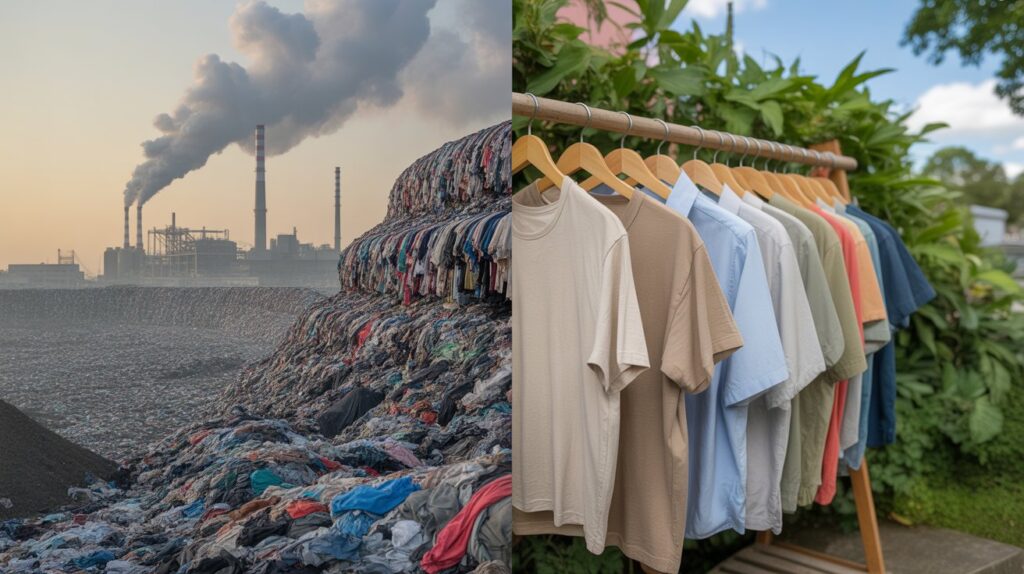
Before we can appreciate sustainable fashion, we need to understand what we’re moving away from. Fast fashion has revolutionized the clothing industry, but at an unconscionable cost.
Fast Fashion by the Numbers
The statistics paint a sobering picture:
- 100 billion garments are produced annually worldwide
- 87% of clothing (approximately 40 million tons) ends up in landfills or incinerators
- The average person buys 60% more clothing than 15 years ago but keeps each item half as long
- Garments are worn an average of just 10 times before disposal
- Only 1% of discarded clothing is actually recycled into new garments
- The fashion industry produces 4% of global greenhouse gas emissions—equivalent to Germany, France, and the UK combined (McKinsey & Company, 2020)
The Environmental Toll
Fast fashion’s environmental impact spans the entire production chain:
Water Crisis It takes approximately 2,700 liters of water to produce a single cotton t-shirt—enough drinking water for one person for 2.5 years. The UN Environment Programme reports that the fashion industry is the second-largest consumer of water globally.
Meanwhile, textile dyeing is the second-largest polluter of water globally, with toxic chemicals dumped directly into rivers and streams in production countries.
Microplastic Pollution Synthetic fabrics, which make up 69% of all clothing, shed microplastic fibers with every wash. These microplastics account for 35% of oceanic microplastic pollution and have been found in human bloodstreams, with 80% of tested individuals showing plastic contamination.
Deforestation and Biodiversity Loss The fashion industry razes 300 million trees annually for cellulosic fabrics like rayon and viscose. Leather production drives deforestation in the Amazon, while cotton farming degrades soil and depletes aquifers.
Carbon Emissions Polyester production alone accounts for 40% of fashion’s carbon emissions, with production expected to grow 47% over the next decade. According to Earth.org research, a single polyester t-shirt generates 5.5 kg of CO2 emissions compared to 2.1 kg for cotton. By 2050, the industry could consume more than a quarter of the world’s carbon budget if current trends continue.
The Human Cost
Beyond environmental damage, fast fashion extracts a terrible human price:
- Workers in countries like Bangladesh, China, and Vietnam earn as little as $0.04-$0.18 per garment
- Many garment workers labor 18-hour days with only one day off per month
- At least 25 million people work in garment manufacturing, the majority of whom are women facing exploitative conditions
- Exposure to toxic chemicals and unsafe working conditions leads to long-term health problems
The 2013 Rana Plaza collapse in Bangladesh, which killed 1,134 garment workers, starkly illustrated the deadly consequences of prioritizing speed and cost over human safety.
The Sustainable Fashion Solution: Materials That Matter
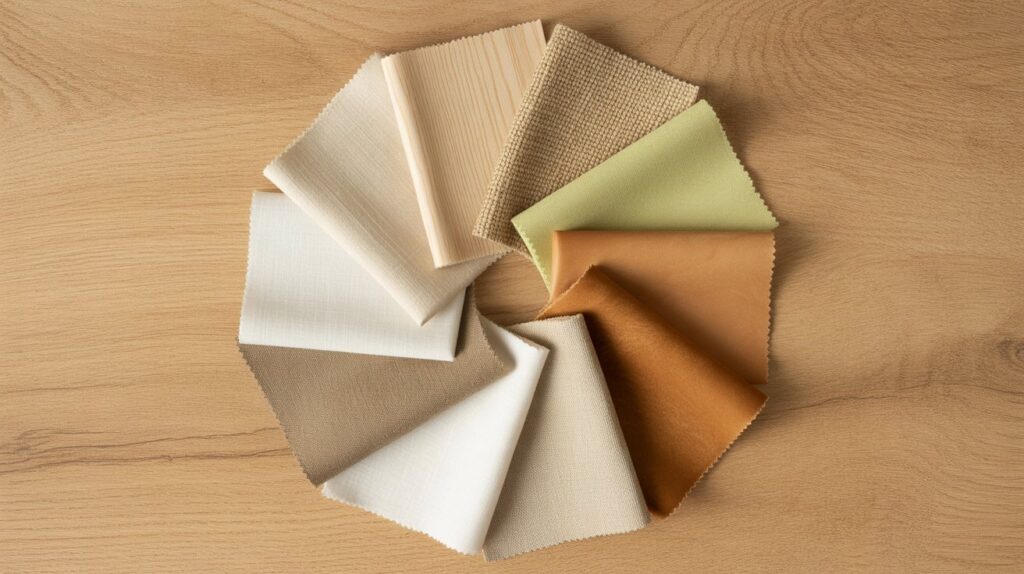
One of the most significant ways to reduce fashion’s impact is through material innovation and conscious fiber choices. Not all fabrics are created equal.
Natural Fibers: The Good, The Bad, and The Organic
Organic Cotton
The Problem with Conventional Cotton: Cotton accounts for 50% of clothing fiber globally but uses 25% of the world’s insecticides and 10% of pesticides. Each pound of conventional cotton requires 1/3 pound of synthetic fertilizers.
The Organic Solution: Organic cotton uses 88% less water and 62% less energy than conventional cotton. It eliminates toxic pesticides, supporting healthier ecosystems and farming communities. Look for certifications like GOTS (Global Organic Textile Standard) to ensure authenticity.
Hemp
Often called “the wonder plant,” hemp requires minimal water, naturally resists pests (reducing pesticide need to zero), and actually improves soil health. Hemp fibers are 8 times stronger than cotton and 4 times more durable, meaning garments last significantly longer.
Linen
Made from flax plants, linen is naturally biodegradable and requires far less water than cotton. Flax grows in poor-quality soil and needs minimal fertilizers or pesticides. The entire plant can be used, creating zero waste.
Bamboo (With Caveats)
While often marketed as sustainable, bamboo’s processing into fabric typically requires toxic chemicals similar to rayon production. However, closed-loop bamboo production (where chemicals are captured and reused) offers a more sustainable option. Always look for “bamboo linen” or “bamboo lyocell” rather than generic “bamboo fabric.”
Innovative Materials: The Future is Here
The most exciting developments in sustainable fashion come from material innovation:
Mushroom Leather
Mycelium (mushroom root structure) can be grown into leather alternatives in just weeks. Companies like Bolt Threads create Mylo™, a carbon-neutral leather alternative already used by brands like Stella McCartney and Adidas.
Pineapple Leather (Piñatex)
Created from pineapple leaf fibers (agricultural waste), Piñatex provides livelihoods for farming communities while creating a vegan leather alternative. It requires no additional land, water, or pesticides.
Bacterial Cellulose
SCOBY (symbiotic culture of bacteria and yeast)—yes, the same culture that makes kombucha—can be grown into leather-like material. Though still in development, this biotech solution could revolutionize sustainable materials.
Recycled Polyester
While not biodegradable, recycled polyester (made from plastic bottles and textile waste) reduces petroleum dependence and gives second life to existing plastics. Look for brands using certified recycled polyester from sources like Repreve or Econyl (made from fishing nets and carpet waste).
Material Comparison Table
| Material | Water Usage | Chemical Use | Durability | Biodegradable | Carbon Footprint |
|---|---|---|---|---|---|
| Organic Cotton | Low | None | Medium | Yes | Low |
| Conventional Cotton | Very High | Very High | Medium | Yes | High |
| Hemp | Very Low | None | Very High | Yes | Very Low |
| Linen | Low | Low | High | Yes | Low |
| Polyester | Low | High | High | No | Very High |
| Recycled Polyester | Very Low | Medium | High | No | Medium |
| Tencel/Lyocell | Low | Low (closed-loop) | Medium | Yes | Low |
| Wool | Medium | Medium | High | Yes | Medium-High |
Circular Fashion: Rethinking the Fashion Lifecycle
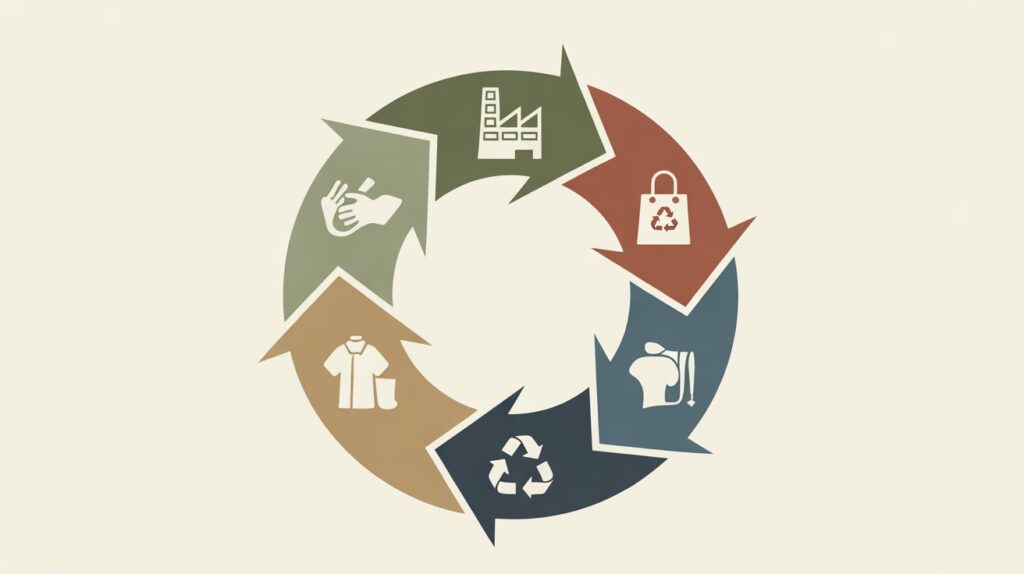
The future of sustainable fashion isn’t just about better materials—it’s about reimagining the entire system. Circular fashion applies circular economy principles to clothing, creating a system where nothing becomes waste.
The Ellen MacArthur Foundation’s “A New Textiles Economy” report provides a comprehensive blueprint for transforming the fashion industry from its current linear model to a circular one.
The Linear vs. Circular Model
Linear Fashion (Current Model): Take → Make → Use → Dispose
This “throwaway culture” treats clothing as disposable, with the average garment worn just 7-10 times before ending up in a landfill.
Circular Fashion (Future Model): Design → Use → Return → Remake → Reuse
Circular fashion keeps materials in use as long as possible, extracting maximum value before safely returning biological materials to nature or continuously cycling technical materials.
The 9 R’s of Circular Fashion
- Refuse – Say no to unnecessary purchases
- Reduce – Buy fewer, better items
- Reuse – Give clothes multiple lives
- Repair – Fix rather than discard
- Refurbish – Update and refresh existing pieces
- Rent – Access fashion without ownership
- Resell – Give clothes a second owner
- Recycle – Transform into new materials
- Rot – Compost natural fibers at end of life
Circular Fashion Business Models in Action
According to the Ellen MacArthur Foundation’s research on circular fashion, circular business models such as repair, resale, rental and remaking could be worth $700 billion by 2030, making up 23% of the global fashion market.
Rental Services Companies like Rent the Runway and By Rotation allow you to access designer fashion without ownership, maximizing garment usage while minimizing waste.
Resale Platforms ThredUp, Depop, Vestiaire Collective, and The RealReal have transformed secondhand fashion into a booming market expected to reach $350 billion by 2027.
Take-Back Programs Brands like Patagonia, Eileen Fisher, and H&M (through their Conscious collection) offer take-back programs, accepting used garments for repair, resale, or recycling.
Clothing Swaps Community-organized clothing swaps let you refresh your wardrobe without buying new, building community while reducing waste.
Slow Fashion: The Antidote to Fast Fashion
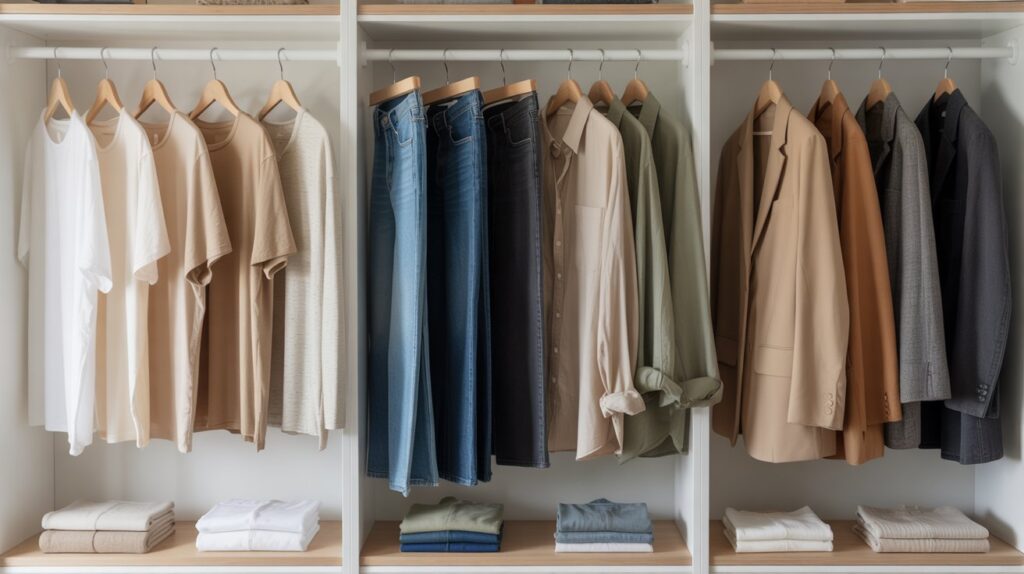
If fast fashion is a problem, slow fashion is the solution. Coined by Kate Fletcher in 2007, slow fashion advocates for a fundamental shift in how we relate to clothing.
The Slow Fashion Philosophy
Slow fashion isn’t about being “slow” in the literal sense—it’s about:
- Quality over Quantity – Investing in well-made pieces that last years, not seasons, the same logic behind packing a versatile travel wardrobe instead of overpacking
- Timeless Design – Choosing classic styles over trend-driven pieces, the same principle behind an old money aesthetic
- Ethical Production – Supporting brands with transparent, fair supply chains
- Mindful Consumption – Considering each purchase carefully
- Emotional Connection – Building relationships with your clothes
Building a Slow Fashion Wardrobe
The Capsule Wardrobe Approach
A capsule wardrobe typically consists of 30-40 versatile pieces that all work together, creating hundreds of outfit combinations. Our guide to building a capsule wardrobe covers this approach in more depth. This approach:
- Reduces decision fatigue
- Ensures everything gets worn regularly
- Encourages investment in quality over quantity
- Minimizes waste
Key Components:
- 5-7 tops (mix of casual and dressy)
- 3-4 bottoms (jeans, trousers, skirts)
- 2-3 dresses
- 2-3 outerwear pieces
- 5-7 pairs of shoes
- Accessories to personalize
The 30-Wear Test
Before buying anything, ask: “Will I wear this at least 30 times?” This simple question eliminates impulse purchases and ensures investment in pieces you’ll truly love and use.
Cost Per Wear Calculation
Sustainable fashion often costs more upfront, but the cost-per-wear (CPW) calculation reveals the true value:
CPW = Total Cost ÷ Number of Times Worn
A $200 jacket worn 100 times (CPW: $2) represents better value than a $50 jacket worn 5 times (CPW: $10).
How to Shop Sustainably: A Practical Guide
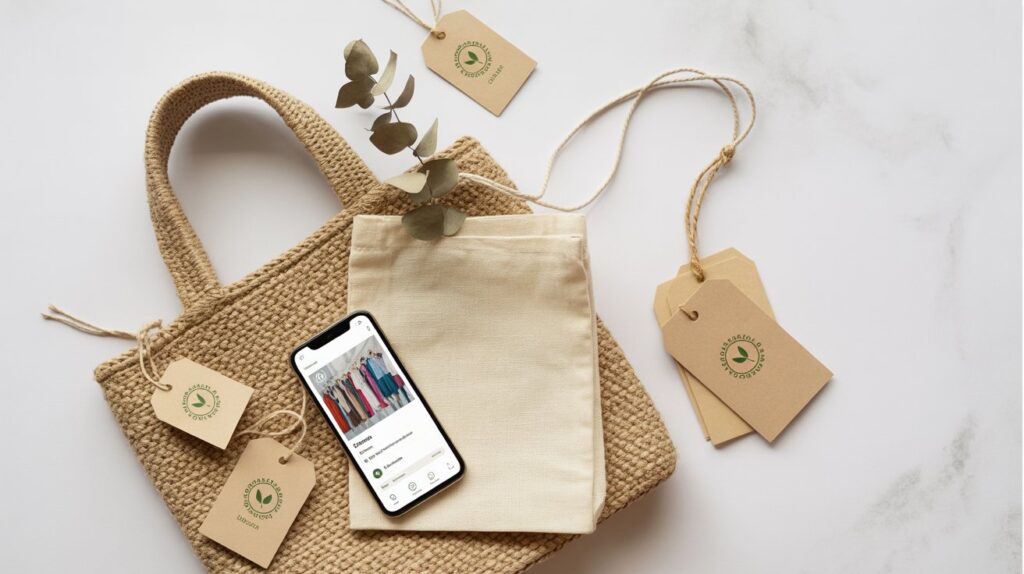
Transitioning to sustainable fashion doesn’t mean throwing out your entire wardrobe tomorrow. Here’s how to make the shift practically and affordably.
Step 1: Audit Your Current Wardrobe
Before buying anything new, understand what you already own:
- Empty your closet completely
- Try on everything and assess condition, fit, and whether you’ll wear it
- Create three piles: Keep, Mend, Donate/Sell
- Identify gaps in your wardrobe
This exercise often reveals you have more than enough—you just need to organize and maintain what you have. If you’re auditing ahead of a seasonal switch, our guide on transitioning your wardrobe between seasons covers that process directly.
Step 2: Master the Art of Care
Extending garment life is the single most effective way to reduce fashion’s environmental impact:
- Wash less frequently – Spot clean when possible; most clothes don’t need washing after every wear
- Wash cold – 90% of washing’s energy goes to heating water
- Air dry – Dryers wear out fabrics and consume enormous energy
- Store properly – Use cedar blocks instead of mothballs; store off-season clothes clean and dry
- Learn basic repairs – YouTube tutorials make sewing buttons and fixing hems accessible
Step 3: Shop Secondhand First
The most sustainable garment is the one that already exists. Secondhand shopping has been revolutionized by:
Online Platforms:
- ThredUp (curated secondhand)
- Poshmark (peer-to-peer)
- Depop (trendy, younger demographic)
- Vestiaire Collective (luxury items)
- The RealReal (authenticated luxury)
Local Options:
- Thrift stores (Goodwill, Salvation Army)
- Consignment shops (higher-end, curated)
- Vintage stores (unique, quality pieces)
- Church and community sales
Pro Tips for Secondhand Shopping:
- Go with specific items in mind but stay open
- Check fabric content and care labels
- Inspect for stains, holes, broken zippers
- Consider tailoring costs in your budget
- Visit upscale neighborhoods for better finds
Step 4: Support Sustainable Brands
When buying new, choose brands committed to sustainability:
How to Identify Truly Sustainable Brands:
- Transparency – They openly share supplier information and production processes
- Certifications – Look for GOTS, Fair Trade, B Corp, Bluesign, OEKO-TEX
- Materials – Primarily use organic, recycled, or innovative sustainable materials
- Fair Labor – Provide living wages and safe conditions
- Longevity – Focus on quality and timeless design
- Circular Initiatives – Offer repair, take-back, or recycling programs
Certifications That Matter:
- GOTS (Global Organic Textile Standard) – Certifies organic fibers and ethical production
- Fair Trade – Ensures fair wages and working conditions
- B Corporation – Certifies overall social and environmental performance
- Bluesign – Ensures safe chemical use in production
- OEKO-TEX – Tests for harmful substances in textiles
- Cradle to Cradle – Certifies circular design principles
- 1% for the Planet – Companies donate 1% of revenue to environmental causes
Step 5: Beware of Greenwashing
As sustainability becomes mainstream, some brands fake commitment for profit—a practice called greenwashing.
Red Flags:
- Vague claims like “eco-friendly” or “conscious” without specifics
- “Sustainable collections” that are tiny portions of overall offerings
- Green marketing without certified standards
- Claims of carbon neutrality without transparent offsetting
- Lack of supply chain transparency
- Rapidly changing “sustainable” collections (still fast fashion)
How to Spot Greenwashing:
- Demand specifics: What percentage of materials is sustainable?
- Check for third-party certifications
- Use resources like Good On You app for brand ratings
- Read Fashion Revolution’s Transparency Index
- Look for science-based targets, not vague goals
Sustainable Fashion Brands Worth Supporting
Here’s a curated list of brands genuinely committed to sustainability across different price points:
Premium/Investment Brands
Patagonia
- B Corp certified
- Fair Trade certified factories
- Worn Wear program for repairs and resale
- 1% of sales to environmental causes
- Transparent supply chain
Eileen Fisher
- Focus on timeless, quality design
- Organic and recycled materials
- Vision2020 goal for sustainable fibers
- Robust take-back and resale program
- Fair wages throughout supply chain
Stella McCartney
- Lifetime vegetarian, no leather or fur
- Pioneer in sustainable luxury
- Uses innovative materials like Mylo mushroom leather
- Carbon neutral operations
- Transparent impact reporting
Mid-Range Brands
Reformation
- Carbon neutral operations
- RefScale tracks each item’s environmental impact
- Vintage-inspired, trend-aware designs
- Transparent sustainability practices
- Inclusive sizing
Everlane
- “Radical transparency” model
- Shows true costs and factory conditions
- Focus on quality basics
- Sustainable materials
- Fair working conditions
Tentree
- Plants 10 trees for every item sold
- 1 billion trees planted so far
- Uses sustainable materials exclusively
- Transparent supply chain
- Climate positive operations
Affordable Options
Pact
- 100% organic cotton
- Fair Trade certified
- Affordable basics
- Carbon neutral shipping
- Transparent pricing
Organic Basics
- Sustainable basics at reasonable prices
- Organic and recycled materials
- GOTS certified
- Minimal waste production
- Copenhagen-based design
thredUP
- Online secondhand marketplace
- Quality-checked items
- Wide range of brands and prices
- Convenience of online shopping
- Sustainability by default
Activewear
Girlfriend Collective
- Made from recycled plastic bottles
- Ethically produced in factories with fair wages
- Inclusive sizing (XXS-6XL)
- Transparent practices
- Pre-loved program for resale
Patagonia
- Technical performance with sustainability
- Recycled and organic materials
- Repair program
- Environmental activism
- Lifetime guarantee
The Impact of Your Choices: Why Individual Actions Matter
It’s easy to feel that individual choices can’t compete with massive industry problems. But consumer demand drives supply, and collective individual actions create systemic change.
The Ripple Effect
When you choose sustainable fashion, you:
- Send market signals – Brands track buying patterns and adapt
- Fund better practices – Your money supports ethical brands
- Inspire others – Visible choices influence your community
- Reduce demand – Less fast fashion demand = less production
- Build momentum – Individual actions compound into movements
Beyond Shopping: Advocacy Matters
Your voice matters beyond your wallet:
- Contact brands – Ask about sustainability initiatives
- Share knowledge – Educate friends and family
- Support legislation – Back policies for industry regulation
- Social media activism – Use hashtags like #WhoMadeMyClothes
- Community action – Organize clothing swaps, repair cafes
The Future of Sustainable Fashion: Innovations and Trends
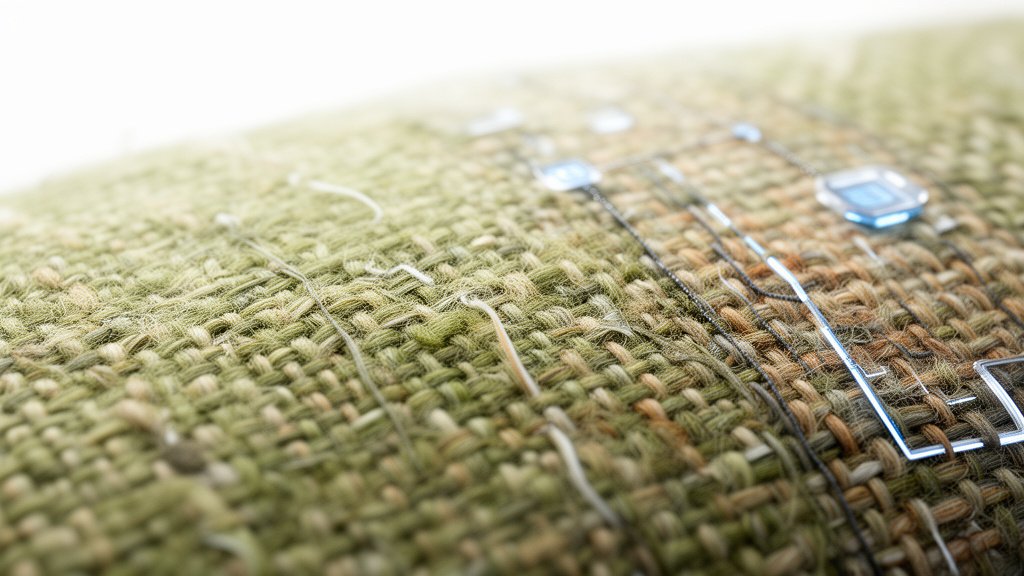
The sustainable fashion movement continues evolving with exciting innovations and growing momentum.
Technological Innovations
AI and Digital Design 3D design software and AI reduce sample production, minimizing waste before garments even reach production. Digital fashion shows and virtual try-ons reduce travel and physical sampling.
Blockchain Transparency Blockchain technology creates transparent, immutable supply chain records, allowing consumers to trace garments from fiber to finished product.
Waterless Dyeing Technologies like AirDye and CO2 dyeing eliminate water use and chemical runoff from the dyeing process, which currently accounts for 20% of global water pollution.
Automated Recycling Fiber identification and automated sorting technologies make textile-to-textile recycling feasible at scale, potentially driving 80% circularity in fashion.
Biodegradable Synthetics Research into synthetics that perform like polyester but biodegrade like natural fibers could eliminate microplastic pollution from synthetic clothing.
Policy and Regulation
Europe Leading the Way
- EU Strategy for Sustainable Textiles mandates durability requirements and eco-design
- France’s AGEC law bans destruction of unsold goods and requires transparency
- Digital Product Passports will track products’ sustainability credentials
Extended Producer Responsibility (EPR) California and other jurisdictions are implementing EPR programs requiring brands to fund recycling infrastructure and take responsibility for end-of-life disposal.
Living Wage Legislation Growing pressure for mandatory living wages in supply chains, with some jurisdictions moving toward supply chain due diligence laws.
Market Trends
- Secondhand market growing 3x faster than overall fashion market
- Gen Z driving demand for sustainability (62% prefer sustainable brands)
- Rental market expected to reach $2.5 billion by 2028
- Circular fashion projected to be $5 trillion market opportunity
Common Myths About Sustainable Fashion (Debunked)
Myth 1: “Sustainable Fashion is Too Expensive”
Reality: While some sustainable brands cost more upfront, remember:
- Quality pieces last 5-10x longer than fast fashion
- Cost-per-wear makes them cheaper long-term
- Secondhand sustainable fashion can be very affordable
- Fast fashion’s “cheap” price doesn’t reflect true environmental and social costs
Myth 2: “Sustainable Fashion Means No Style”
Reality: Sustainable fashion encompasses every style from minimalist basics to avant-garde design. Brands like Stella McCartney, Reformation, and Marine Serre prove sustainability and style coexist beautifully.
Myth 3: “It’s Too Hard to Find”
Reality: Sustainable options are more accessible than ever:
- Major retailers now carry sustainable lines
- Online platforms aggregate sustainable brands
- Apps like Good On You rate brands
- Secondhand options are everywhere
Myth 4: “One Person Can’t Make a Difference”
Reality: Individual actions compound. Your choices influence family, friends, and social networks. Brands track consumer behavior and adapt. Movements start with individuals taking action.
Myth 5: “All ‘Eco’ Claims Are Equal”
Reality: Not all sustainability claims are equal. Look for third-party certifications, specific metrics, and transparency. Greenwashing is real, but so are genuinely sustainable brands.
Your Sustainable Fashion Action Plan: Starting Today
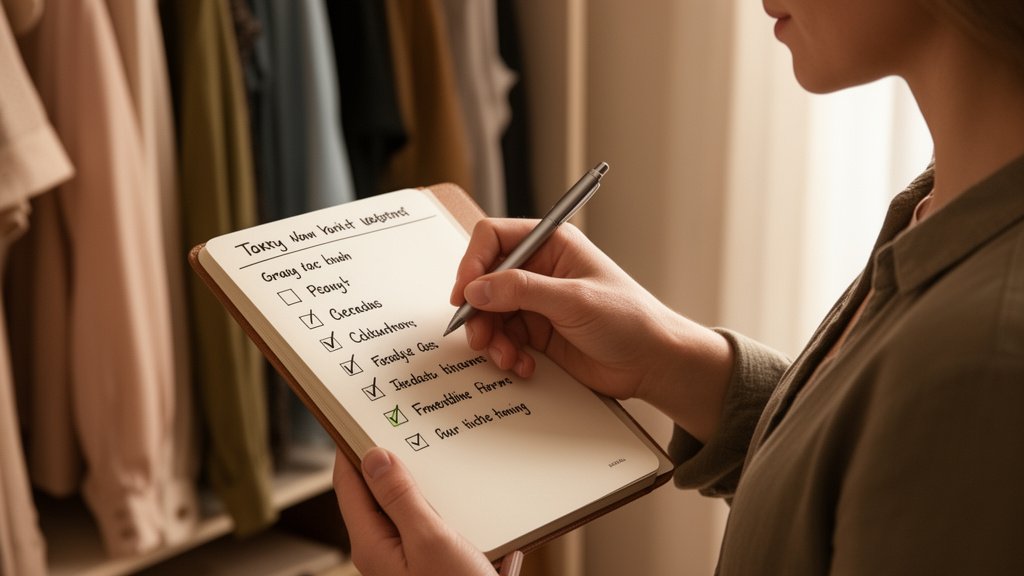
Ready to embrace sustainable fashion? Here’s your practical, step-by-step action plan:
This Week
- [ ] Audit your wardrobe using the method above
- [ ] Learn to repair: sew a button, fix a hem (YouTube is your friend)
- [ ] Wash one full load in cold water instead of hot
- [ ] Research one sustainable brand that fits your style
This Month
- [ ] Buy one item secondhand instead of new
- [ ] Organize a clothing swap with friends
- [ ] Calculate the cost-per-wear of your most expensive item
- [ ] Clean out your closet and donate/sell items you don’t wear
- [ ] Follow sustainable fashion influencers on social media
This Quarter
- [ ] Replace one fast fashion purchase with a sustainable alternative
- [ ] Start building a capsule wardrobe
- [ ] Learn one new repair skill (visible mending, darning, etc.)
- [ ] Visit a local repair café or tailor
- [ ] Share your sustainable fashion journey on social media
This Year
- [ ] Reduce new clothing purchases by 30%
- [ ] Buy exclusively secondhand or sustainable for one category (e.g., all denim)
- [ ] Calculate your cost-per-wear for all purchases
- [ ] Organize a community clothing swap
- [ ] Contact 3 favorite brands about their sustainability practices
Long-Term Habits
- Before every purchase, ask:
- Do I need this?
- Will I wear it 30+ times?
- What’s the true cost (environmental and social)?
- Can I find it secondhand first?
- Does this brand align with my values?
- Regular practices:
- Mend items as soon as damage occurs
- Wash clothing only when truly necessary
- Air dry everything possible
- Shop seasonally (not impulsively)
- Sell or donate items you no longer wear
Final Thoughts: Fashion as a Force for Good
The fashion industry stands at a crossroads. The current system is broken—environmentally destructive, socially unjust, and ultimately unsustainable. But fashion also holds incredible potential for positive change.
Every garment you buy is a vote for the kind of world you want to live in. When you choose sustainable fashion, you’re not just buying clothes—you’re supporting:
- Cleaner water and air
- Healthier ecosystems
- Fair wages for workers
- Innovation in materials and production
- A circular economy
- A livable planet for future generations
Sustainable fashion isn’t about perfection. It’s about making better choices when you can, learning continuously, and being part of a movement toward systemic change.
The clothes we wear tell stories—stories of where they came from, who made them, and what we value. Make sure your wardrobe tells a story you’re proud of.
Remember: The most sustainable garment is the one already in your closet. Wear what you own, love what you have, and when you do buy new, choose wisely.
The future of fashion is sustainable, circular, and just. And it starts with each of us making conscious choices, one garment at a time.
Additional Resources
Apps and Tools
- Good On You – Rates brands on ethics and sustainability
- Clear Fashion – Scans barcodes for brand impact ratings
- Wardrobe – Digital closet for outfit planning and waste reduction
- Depop/Poshmark/ThredUp – Secondhand shopping platforms
Organizations to Follow
- Fashion Revolution
- Remake
- Clean Clothes Campaign
- Fibershed
- Ellen MacArthur Foundation (Circular Economy)
Documentaries and Books
- “The True Cost” (documentary)
- “Fashionopolis” by Dana Thomas
- “To Die For: Is Fashion Wearing Out the World?” by Lucy Siegle
- “Loved Clothes Last” by Orsola de Castro
- “Wardrobe Crisis” podcast by Clare Press
Online Communities
- r/SustainableFashion on Reddit
- #SustainableFashion on Instagram
- Fashion Revolution social media
- Sustainable fashion bloggers and influencers
Interactive Carbon Footprint Calculator
Below is an interactive tool to calculate your fashion carbon footprint and see how sustainable choices make a difference:
🌍 Fashion Carbon Footprint Calculator
Discover your fashion’s environmental impact and learn how to reduce it
Average person buys 60+ items per year