23 Modern Pixie Cuts For Older Women
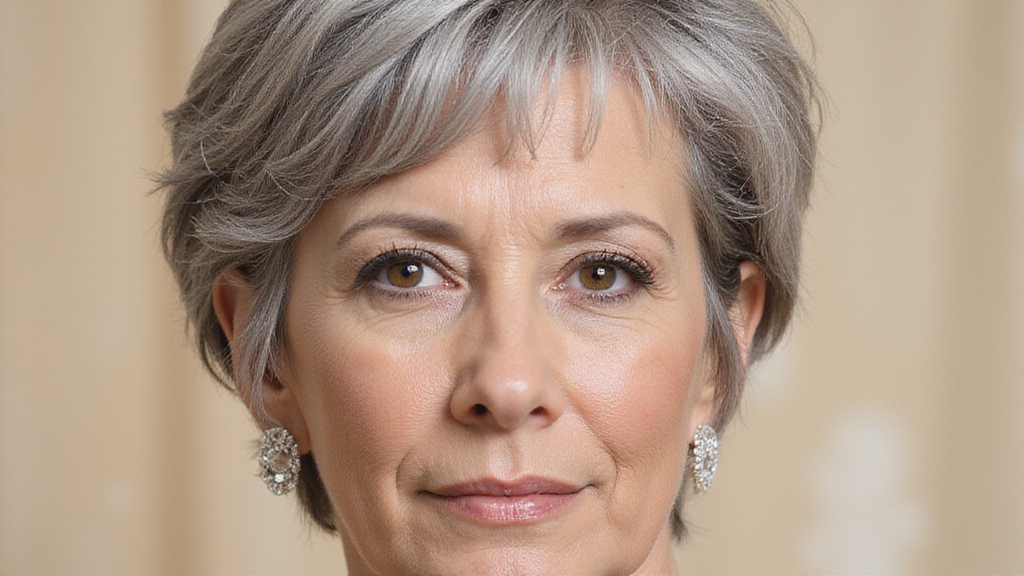
The pixie cut survives every hair trend cycle because it adapts. Modern versions add softer layers and texture instead of chasing one fixed shape.
“A modern pixie cut stands out because it combines simplicity with enough texture and shape to feel fresh and distinctive.”
Some of the 23 cuts below suit fine hair that needs lift. Others suit thick or curly hair that needs less bulk. Pick based on your texture first, then the look you want.
The Classic Short Pixie for Fine Hair
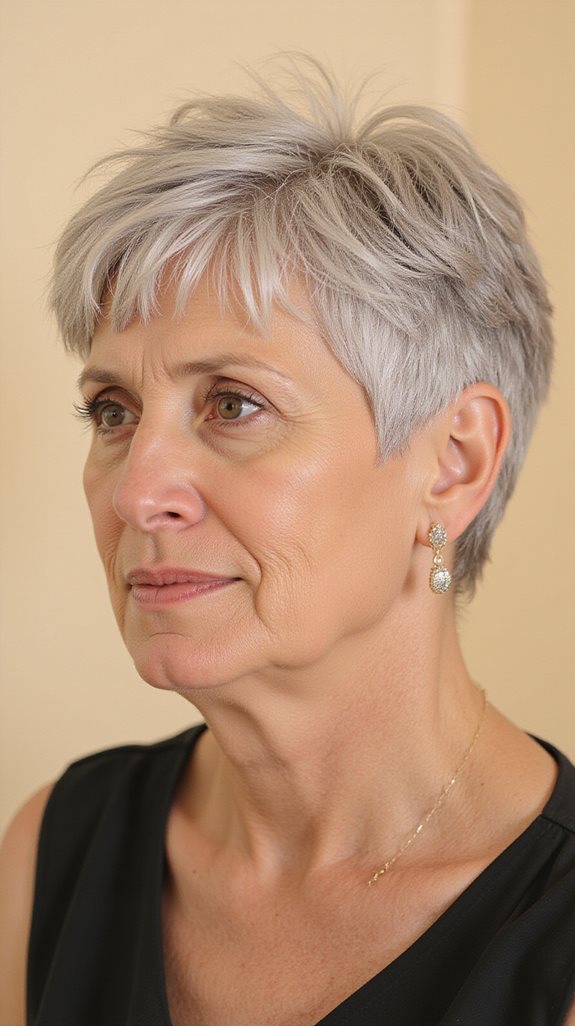
Fine hair loses shape under length. Cut it short and the weight problem disappears. The classic short pixie keeps sides and back close while leaving a bit more on top, which builds the look of denser hair.
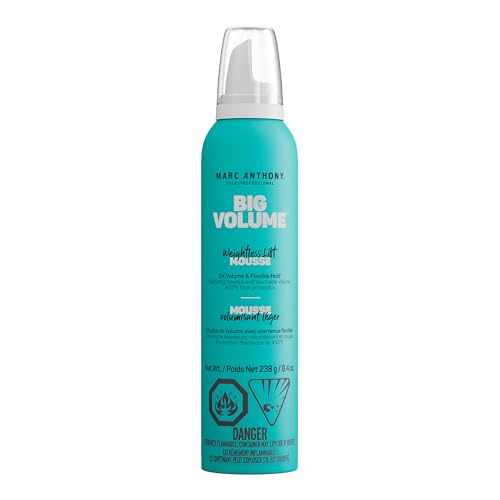
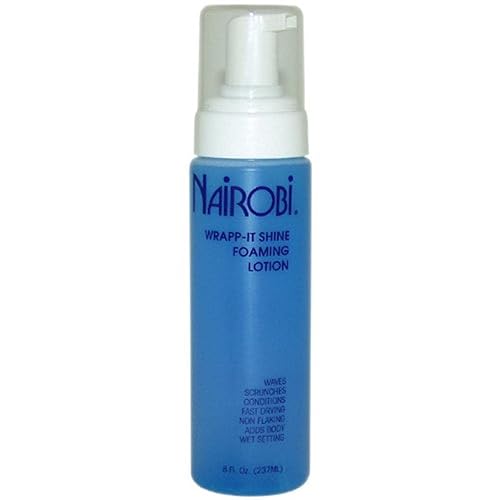
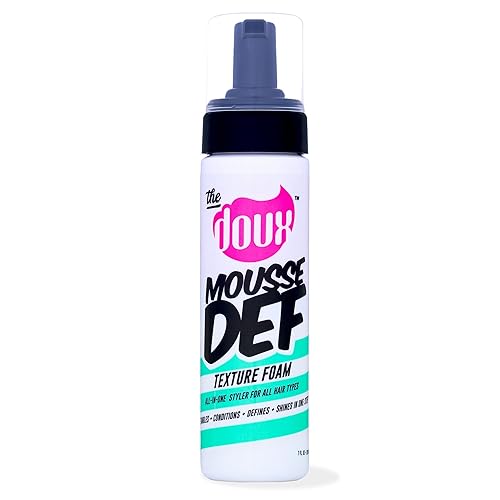
Point-cutting softens the edges. A lightweight mousse on damp hair before you blow-dry lifts the crown. Book a trim every six to eight weeks; the shape holds well between visits. Our more edgy pixie cuts built for fine hair has more variations on this same base.


Textured Pixie Cuts That Add Volume and Depth
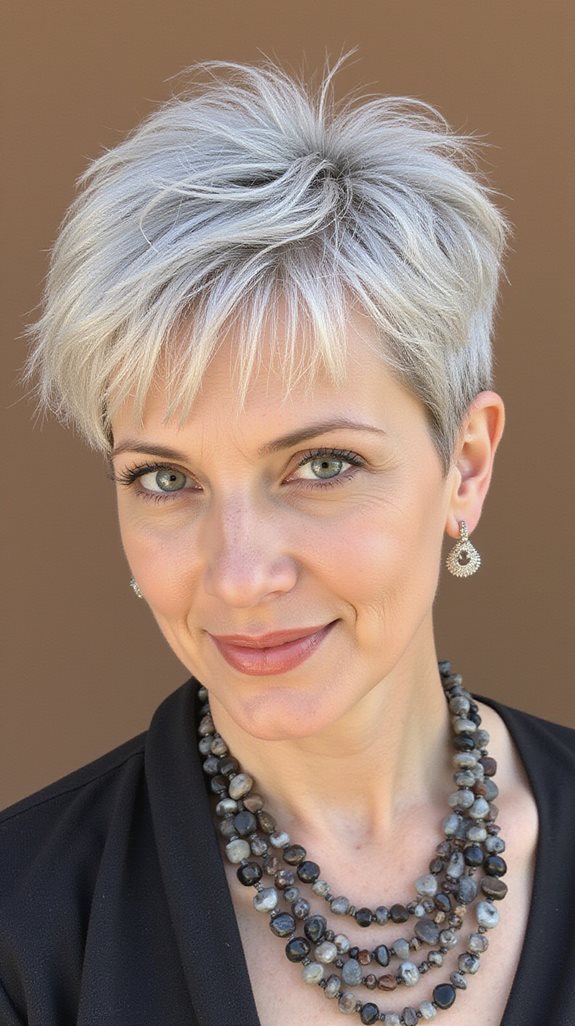
A razor or shear-over-comb technique builds dimension a flat cut can’t match. Your stylist should shape the layers around your hair type, fine, coarse, or wavy, and your face shape.
Apply mousse or texturizing spray to damp hair, then scrunch or diffuse for lift. Highlights or balayage add depth inside the cut itself. Trim every four to six weeks to keep the shape sharp.


The Asymmetric Pixie for a Bold, Modern Edge
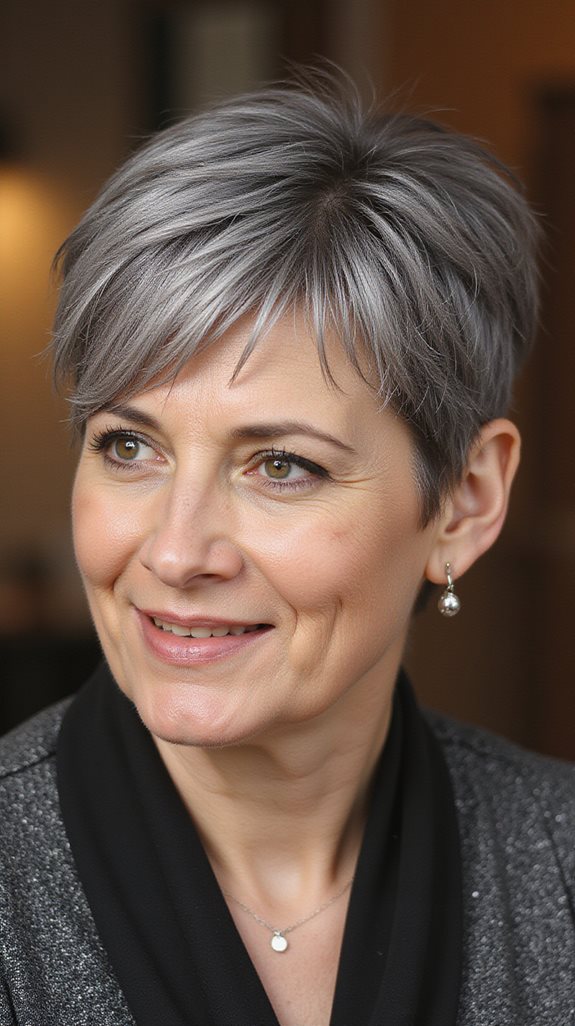
One side stays short, the other stays long: that split reads as a choice, not an accident. For older women, the longer side can fall across the forehead or cheekbone and soften the features underneath.
Ask your stylist to taper the short side clean against the scalp instead of blending it. A light pomade or texture spray defines the longer section.


Soft Pixie Cuts That Flatter Round Faces
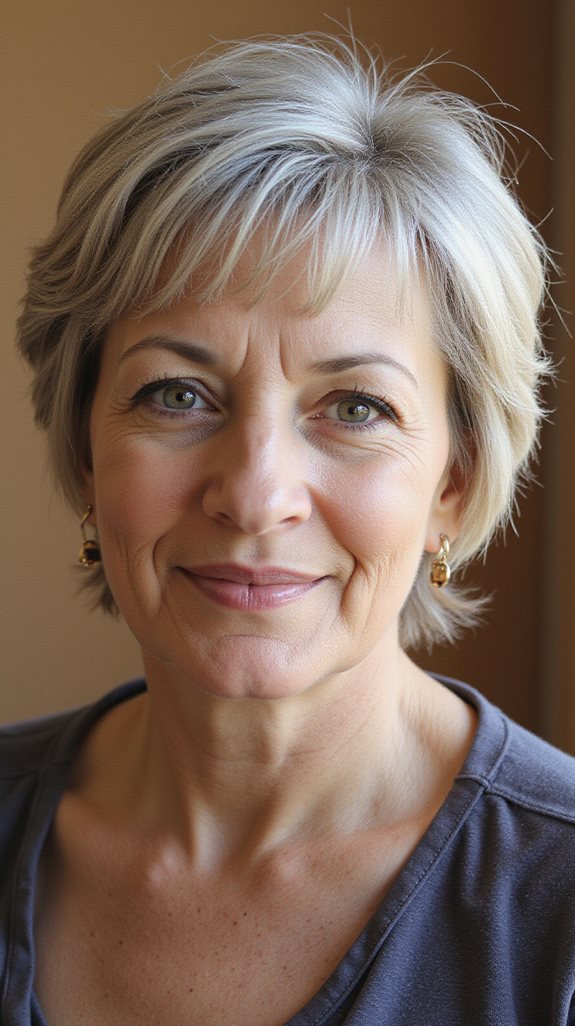
Volume at the crown, a side-swept fringe, and tapered sides work together to add length to a round face. Face-framing layers and a graduated neckline balance proportion without adding width.
Highlights at the crown build the illusion of length. Mousse at the roots lifts where it counts, and a lightweight pomade defines texture at the ends.


The Long Pixie: More Length, Just as Chic
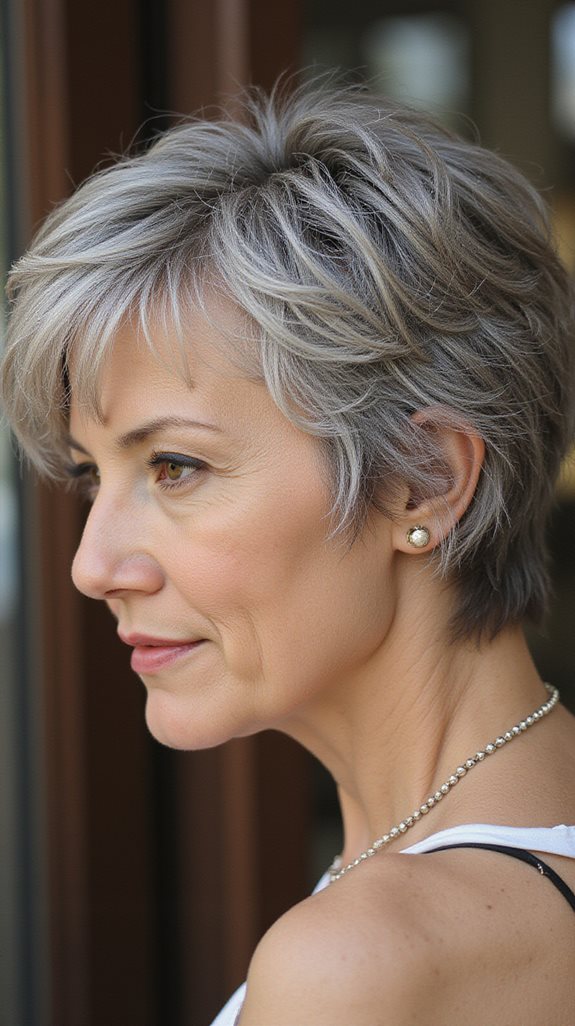
Two to three inches on top, close-cropped sides and back: that’s the whole formula. It opens up swept-back looks and casual, tousled texture with the same haircut.
A pomade or texturizing cream defines movement without weight. Book a trim every five to six weeks; grays and highlights both hold up well at this length.
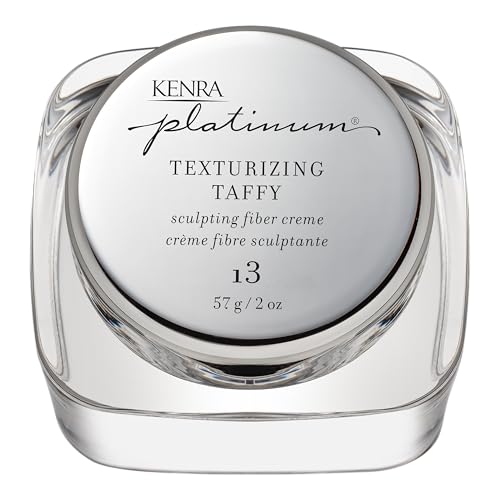


Undercut Pixie Styles for Older Women Who Dare
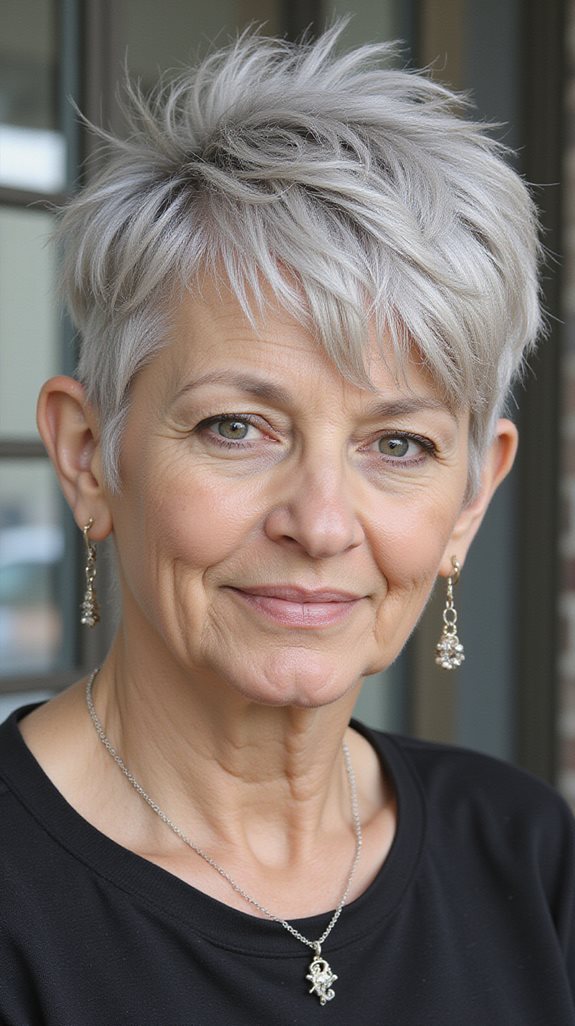
Shaving or clipping the hair beneath the top layer creates contrast a regular cut can’t. Fine hair loses bulk here while gaining the look of volume on top; thick hair gets lift without extra weight.
Ask your stylist to customize the undercut’s depth and placement to match your hair type.

Silver and Gray Pixie Cuts That Own the Room
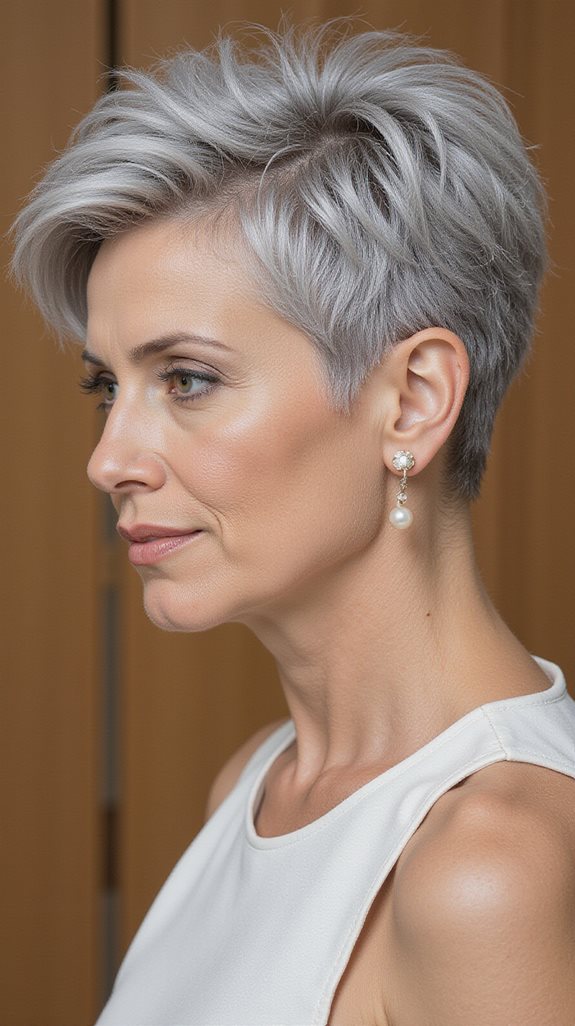
Gray hair paired with a textured, tapered cut creates contrast colored hair can’t replicate. A skilled stylist adds piece-y layers at the crown for movement and depth.
A cool toner neutralizes yellow undertones and sharpens the whole look. Our our full guide to gray hair color covers more tone options if you’re planning the transition.


The Wispy Pixie for a Light, Feminine Finish
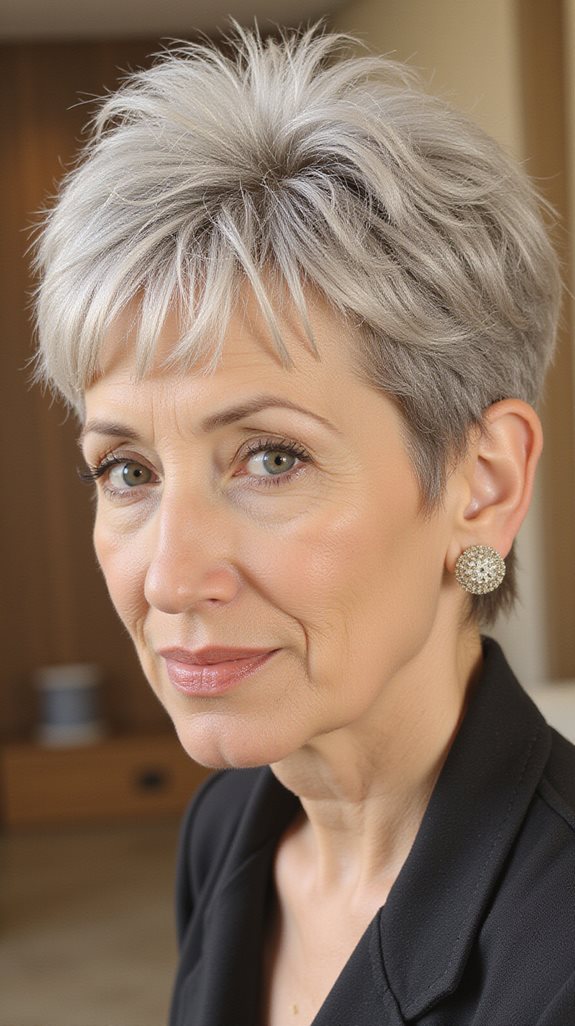
Point-cut layers reduce bulk and create feathered movement around the face. Texturized ends catch light in a way blunt cuts don’t.
This suits fine or thinning hair well, since the wispy layers build volume without added weight. A light-hold cream or texture spray on damp hair, then a diffuser, keeps the effect intact through the day.


Pixie Cuts With Side-Swept Bangs That Frame Your Face
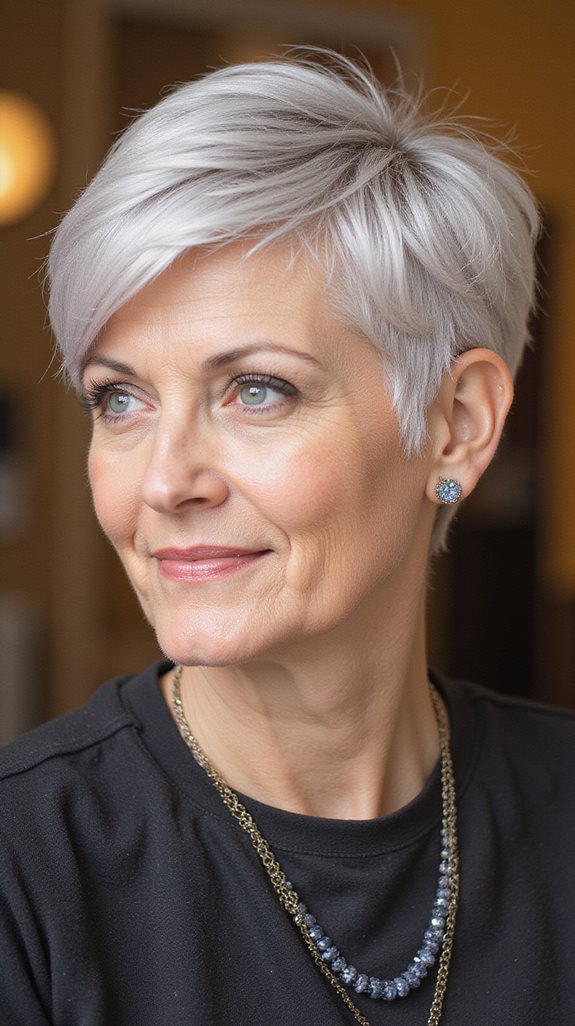
A bang cut at an angle falls across the brow instead of straight down, adding movement to the whole shape. This softens forehead lines and gives the cut a younger look.
Push the angle deeper for drama, or keep it subtle for an everyday version. Either way, a pomade or texturizing spray guides the sweep without stiffness.


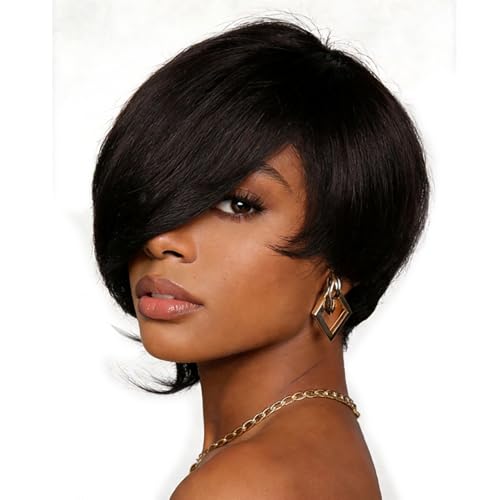
The Tousled Pixie for Effortless, Everyday Style
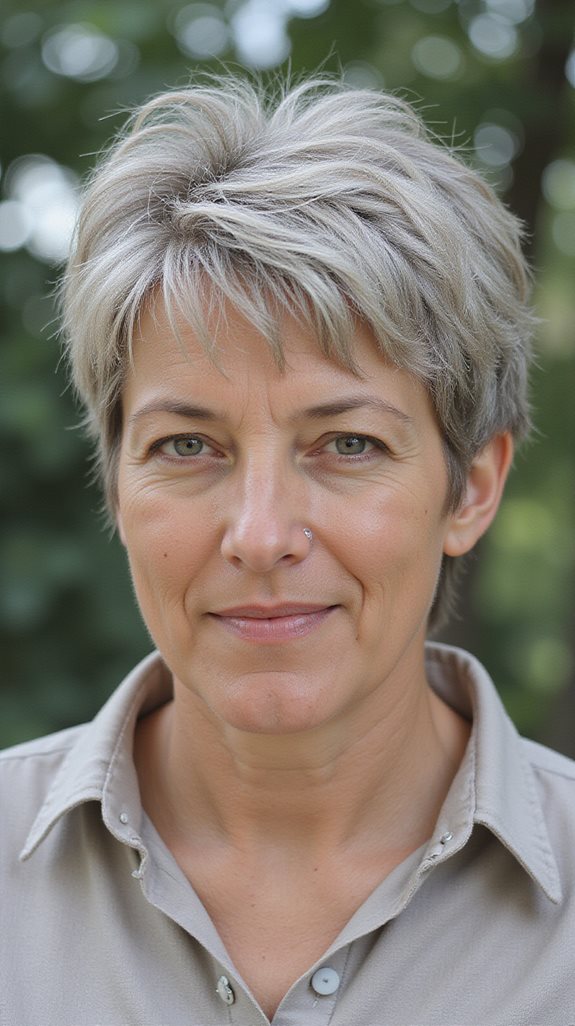
This cut looks undone on purpose, not unkempt. Soft layers create movement and hold a relaxed shape through the day.
A dab of texturizing paste worked into damp hair activates the texture with no extra steps. Wear it from a morning errand into a dinner without redoing anything.

Sleek and Polished Pixie Cuts for a Refined Look
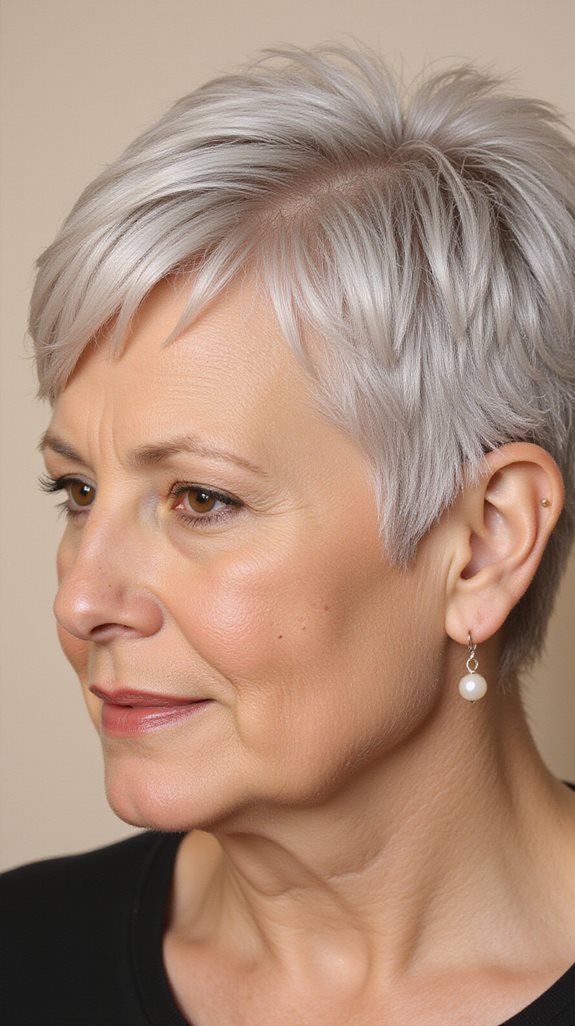
Clean lines and a smooth finish replace texture here. Precision cutting hugs the shape of the head and removes bulk around the face.
A smoothing serum or light pomade controls frizz. Trim every four to five weeks to keep the edges sharp.


Curly Pixie Cuts That Celebrate Natural Texture
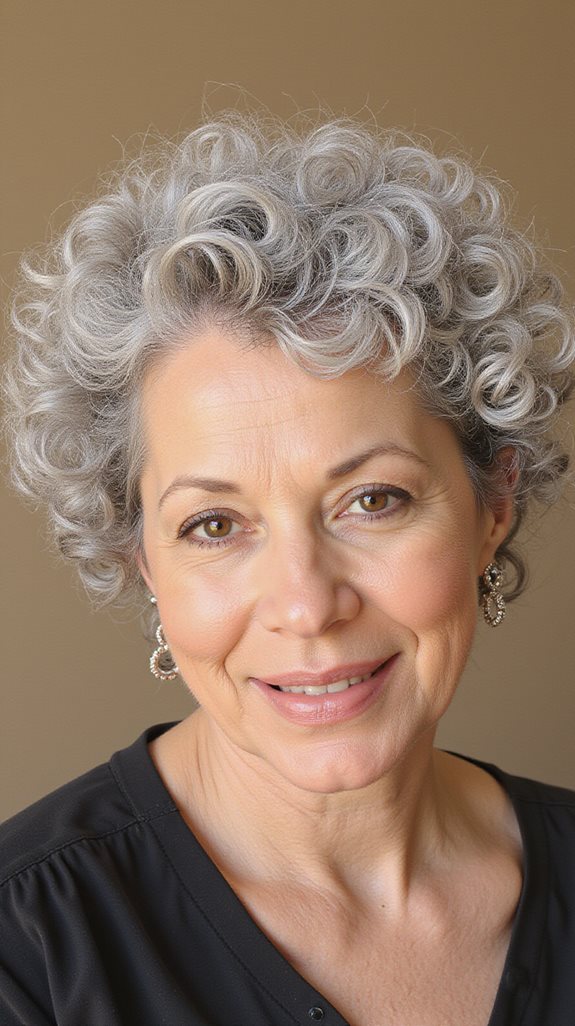
Curl pattern and density become part of the cut’s design instead of something to fight. Layers build around coil formation while keeping volume where your face needs it.
Textured bangs frame the forehead with soft curls rather than blunt lines. For older women, this style skips the tension and pulling that thinning hair doesn’t need, and the result is a wash-and-go cut with real shape.


The Layered Pixie for Movement and Dimension
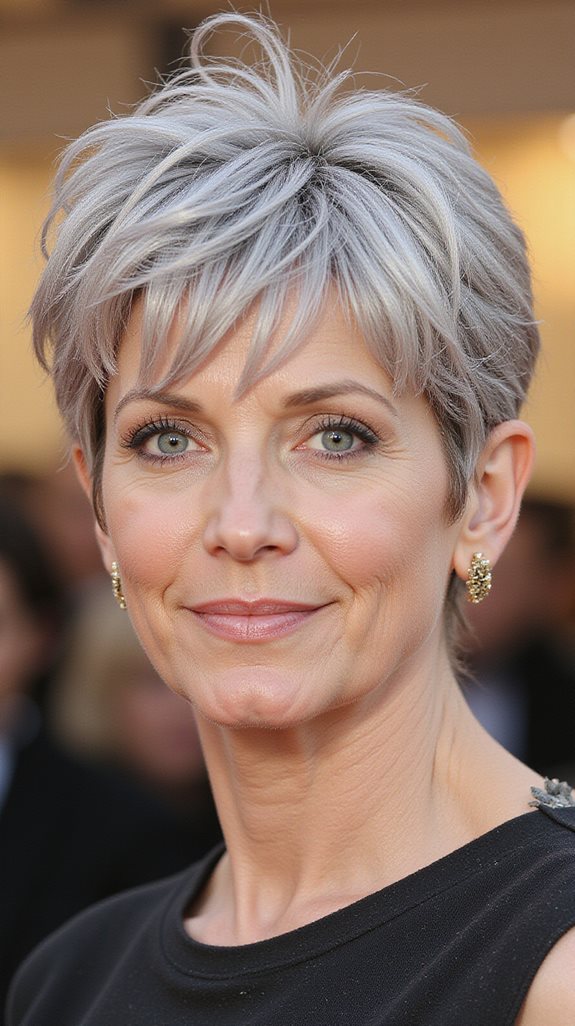
Layers pull weight out of specific sections so hair falls instead of sitting flat. Fine hair gets crown lift; thick hair gets shape control.
Each layer responds to product and heat on its own, which makes styling variations easy. Talk to your stylist about placing layers around your face shape and growth pattern.


Pixie Cuts That Work for Thin or Thinning Hair
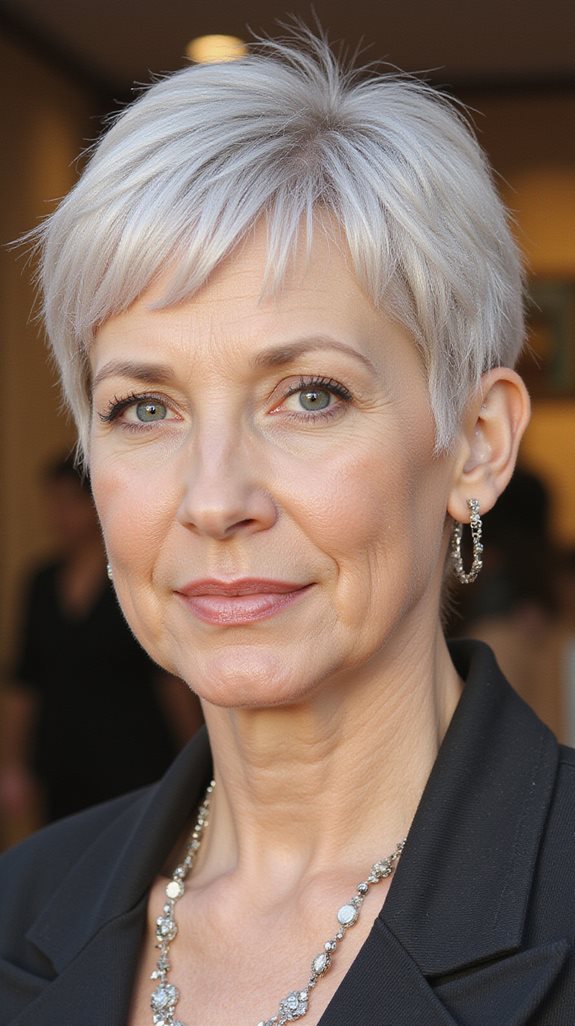
Shorter length removes the weight that pulls fine strands flat, which is the whole reason a pixie suits thinning hair. A textured, piece-y cut with varied lengths at the crown builds shape without needing density.
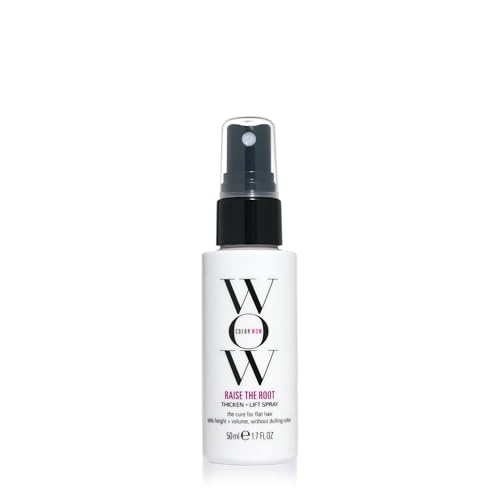
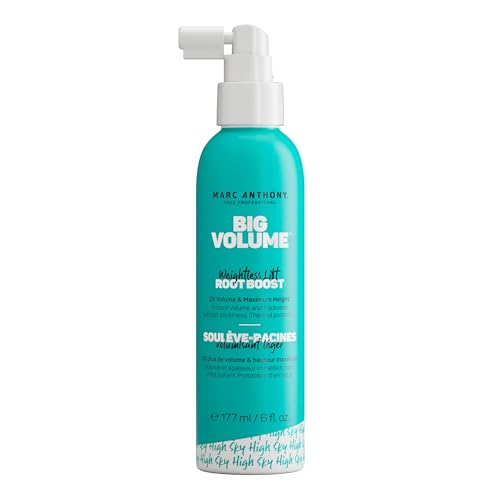
Skip heavy conditioner on the roots. Use a lightweight mousse or root-lifting spray before you blow-dry on low heat, and point the airflow at the scalp rather than the ends. Our haircuts that work well for thinning hair covers more cuts built the same way.

Edgy Pixie Styles With a Disconnected Top
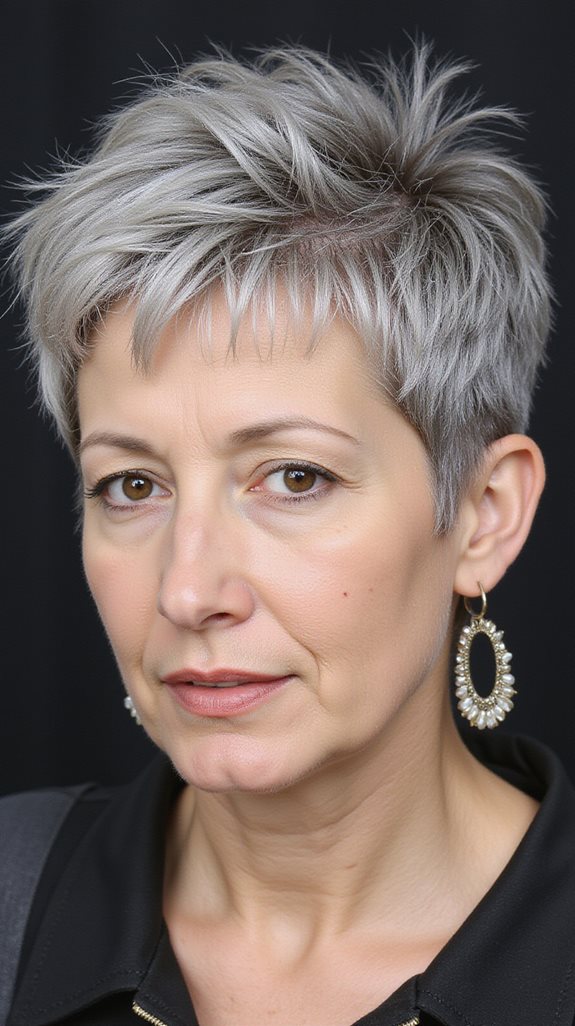
The crown stays long and separate from tight-cropped or shaved sides, with no blending between the two zones. Razor-sliced ends, tousled pieces, or a forehead sweep push the contrast further.
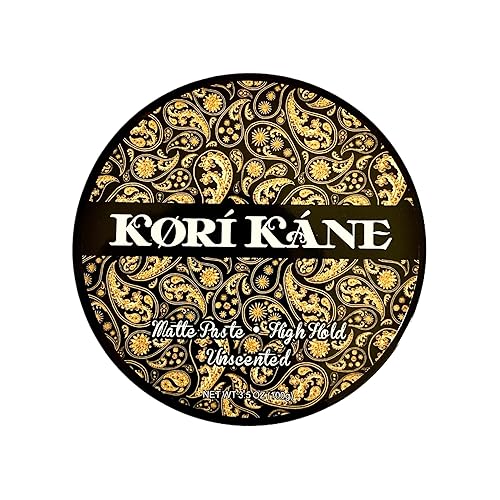
A clipper fade on the sides keeps the split sharp. Dense hair holds the crown volume best for this one.


The Feathered Pixie for a Soft, Retro-Inspired Look
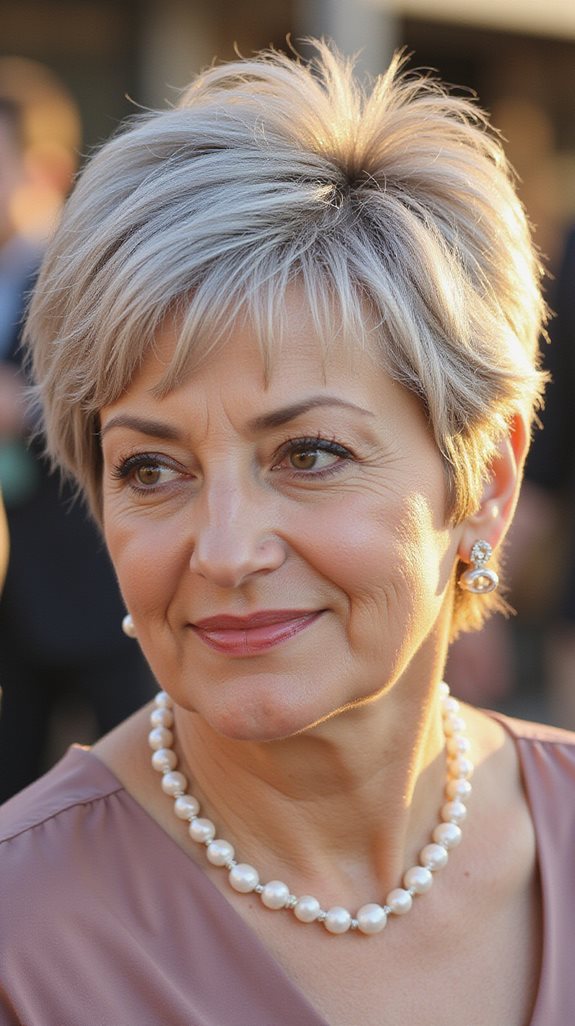
Layered ends angle away from the head for a light, flutter silhouette borrowed from ’70s styling. On mature hair, that feathered texture adds the look of volume without bulk.
Point-cut ends at the temples and crown create the signature movement. A light pomade or texture spray defines each section without weight.
Pixie Cuts With Color Highlights Worth Trying
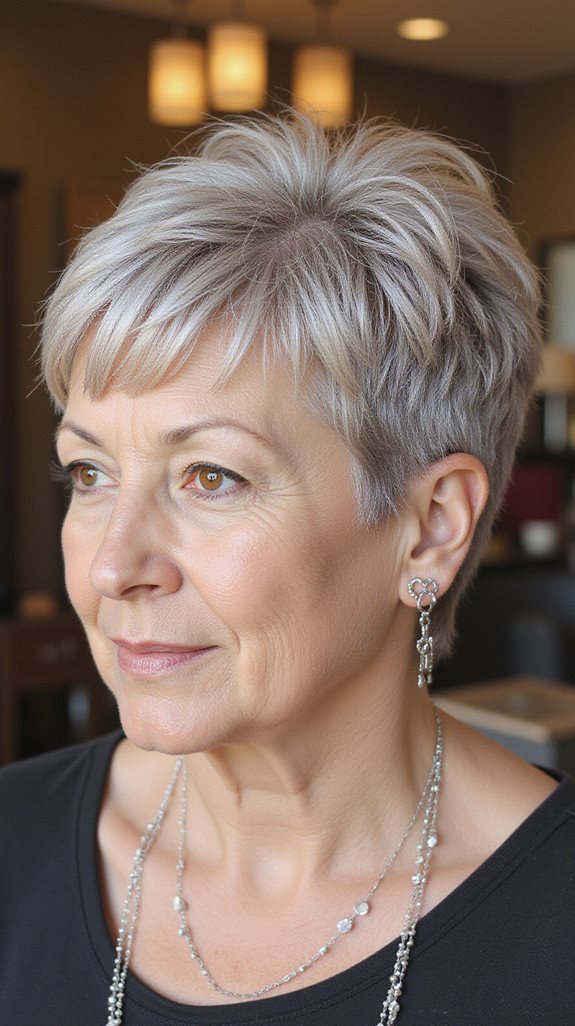
Strategic highlight placement adds depth and works with your bone structure instead of against it. Warm skin tones suit golden hues; cooler tones suit ash or platinum.
A bold contrast color makes a statement; a subtle highlight adds quieter dimension. Talk to your colorist about tones that hold up between appointments.


The Tapered Pixie for a Clean, Polished Neckline
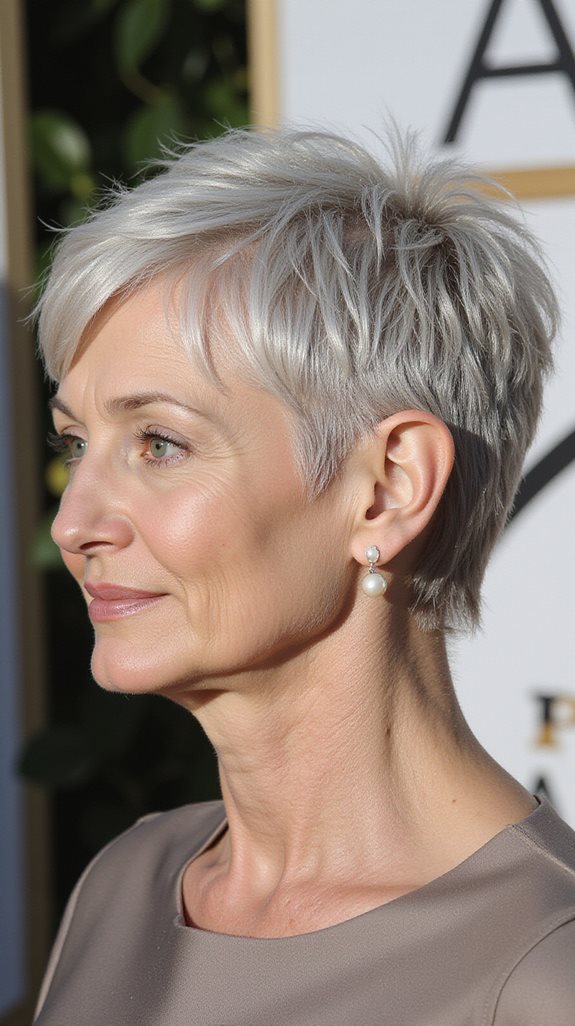
Hair blends shorter toward the neckline, which sharpens the whole silhouette and lengthens the neck. Clippers or precision shears control the weight through the back and sides.
For older women, this reduces bulk while keeping fullness on top. Book a trim every four to six weeks so the taper stays crisp instead of growing shapeless.


Wash-and-Go Pixie Cuts for Low-Maintenance Mornings
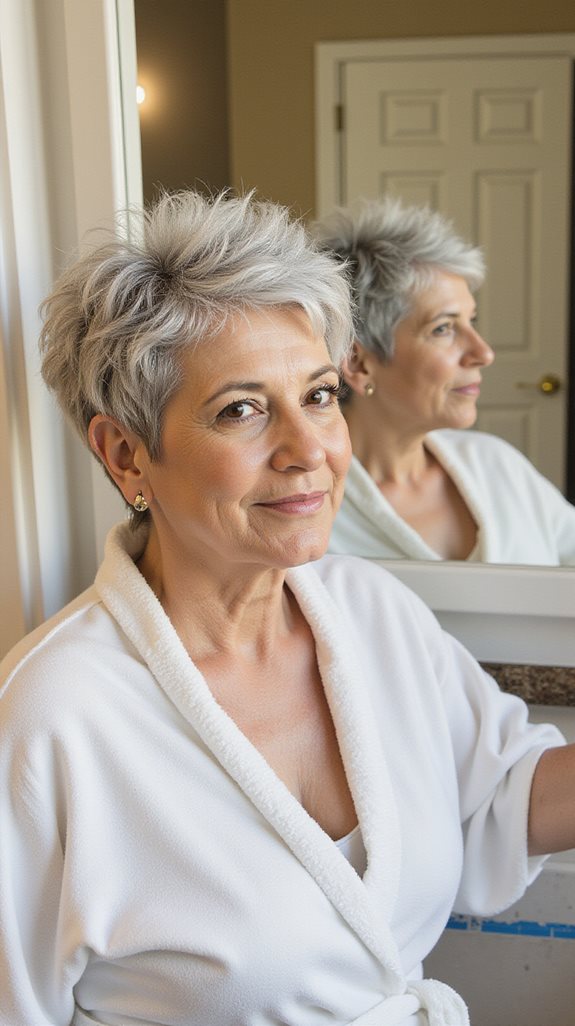
Texture gets cut into the shape itself, so the style holds up after a wash with no real styling routine. A lightweight curl cream or texturizing mousse, scrunched in and left to dry, is the whole process.
Skip the blow dryer or use a diffuser to keep frizz down. This works for fine and coarse hair alike. Our these low-maintenance hairstyle ideas has more cuts built around the same no-fuss routine.

Pixie Cuts That Complement Strong Jawlines
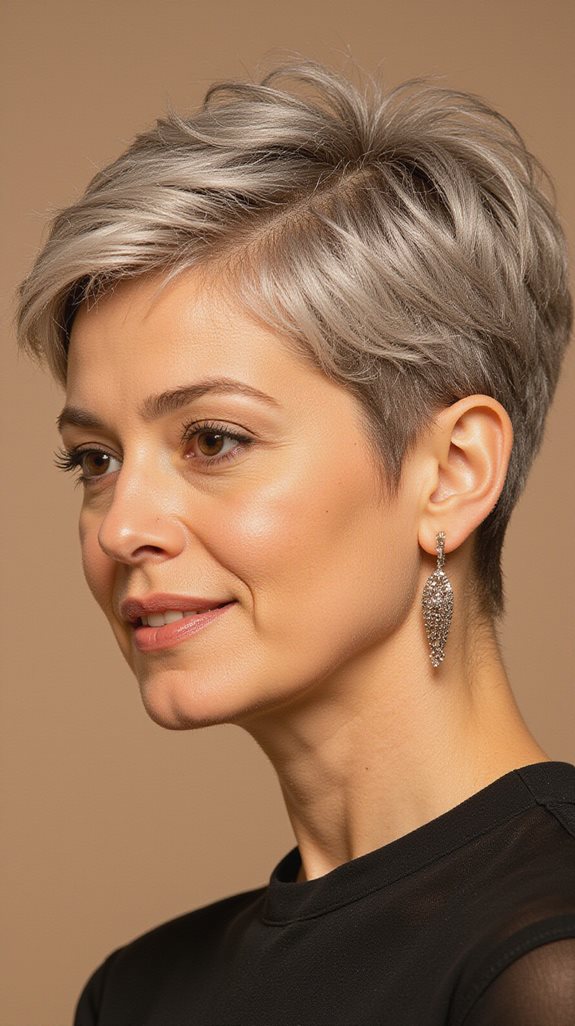
Volume at the crown draws the eye up and away from a strong jaw instead of adding width at the sides. Keep the sides close and skip blunt, horizontal lines near the jaw.
Soft, wispy layers angled toward the cheekbones redirect attention upward. A textured fringe swept to one side softens the jaw without hiding it.
The Shaggy Pixie for a Relaxed, Carefree Vibe
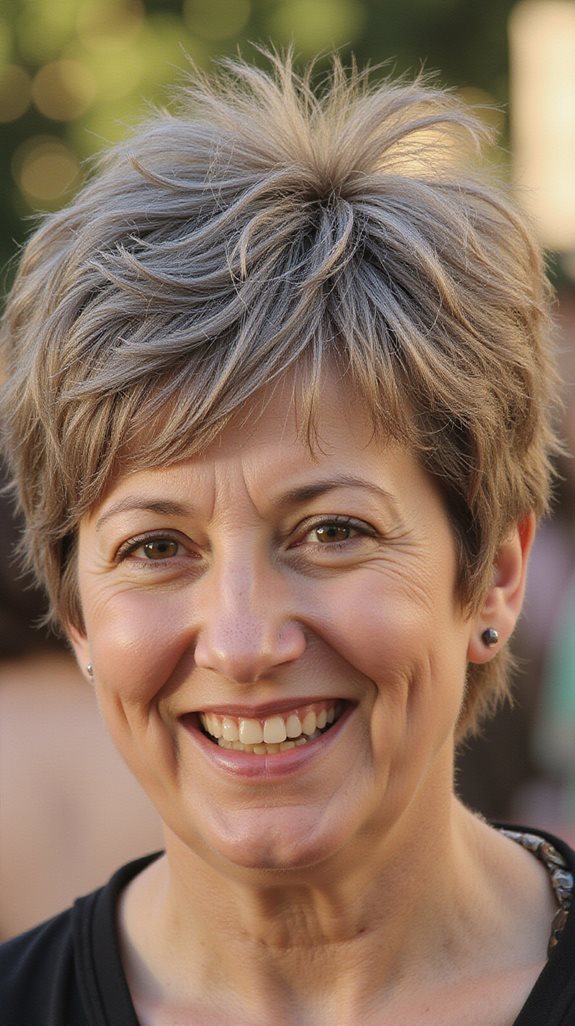
Fragmented layers soften facial lines and build depth that reads as intentional, even though the shape looks undone. Point-cutting and razor work create that lived-in texture.
A small amount of pomade or texturizing paste, scrunched through damp hair and air-dried, activates it. Fine and medium hair benefit most from the added volume the layering creates.
Pixie Cuts That Grow Out Gracefully
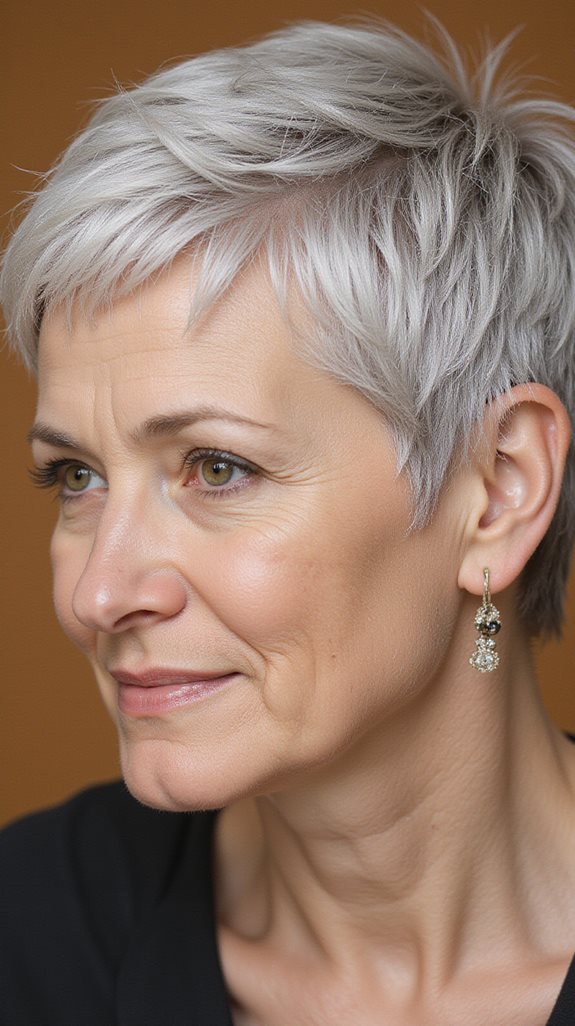
The right shape starts by planning for growth instead of fighting it. Strategic layers on the sides and back keep every growth stage looking intentional.
Book a trim every six to eight weeks to remove bulk while keeping length. Tuck longer sections behind the ears or add a side part to bridge the time between appointments.
Frequently Asked Questions
Can a Pixie Cut Make You Look Younger or Older?
A pixie cut can make you look younger. The result depends on your texture and how your stylist shapes it around your face; done well, it lifts the whole look.
How Often Should Older Women Get Their Pixie Cut Trimmed?
Book a trim every four to six weeks. Hair grows about half an inch a month, and that pace keeps the shape from losing its edge between visits.
Are Pixie Cuts Appropriate for Professional or Formal Work Environments?
Pixie cuts work in professional settings. Kept clean, the cut reads as confident and put-together in most formal offices.
Can You Wear a Pixie Cut With Glasses or Hearing Aids?
Glasses and hearing aids both work with a pixie cut. Keep the sides tapered so frames show clean and hearing aids stay visible without extra styling around them.
Do Pixie Cuts Require Special Shampoo or Conditioner Products?
Pixie cuts don’t need special shampoo. A lightweight volumizing product works best, since anything heavier weighs down short, precision-cut layers.
Final Thoughts
A well-cut pixie lifts your features and sharpens your silhouette, whatever direction you pick, textured, asymmetric, or soft and face-framing.
Bring your favorites to a stylist you trust, talk through the maintenance schedule up front, and commit to the cut.