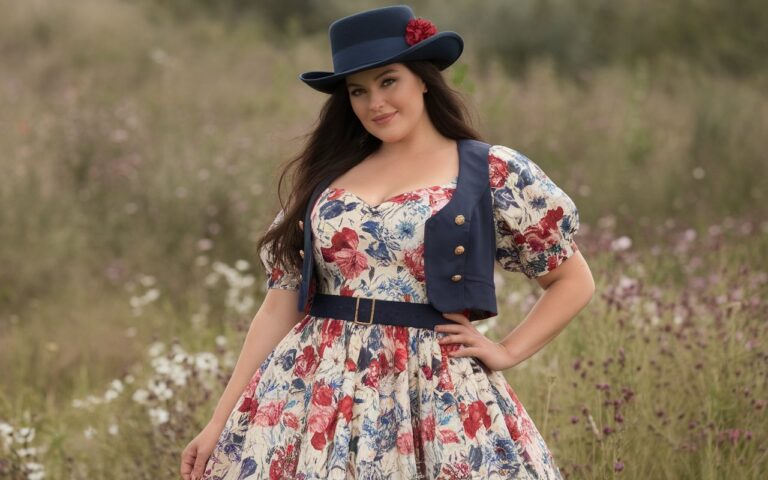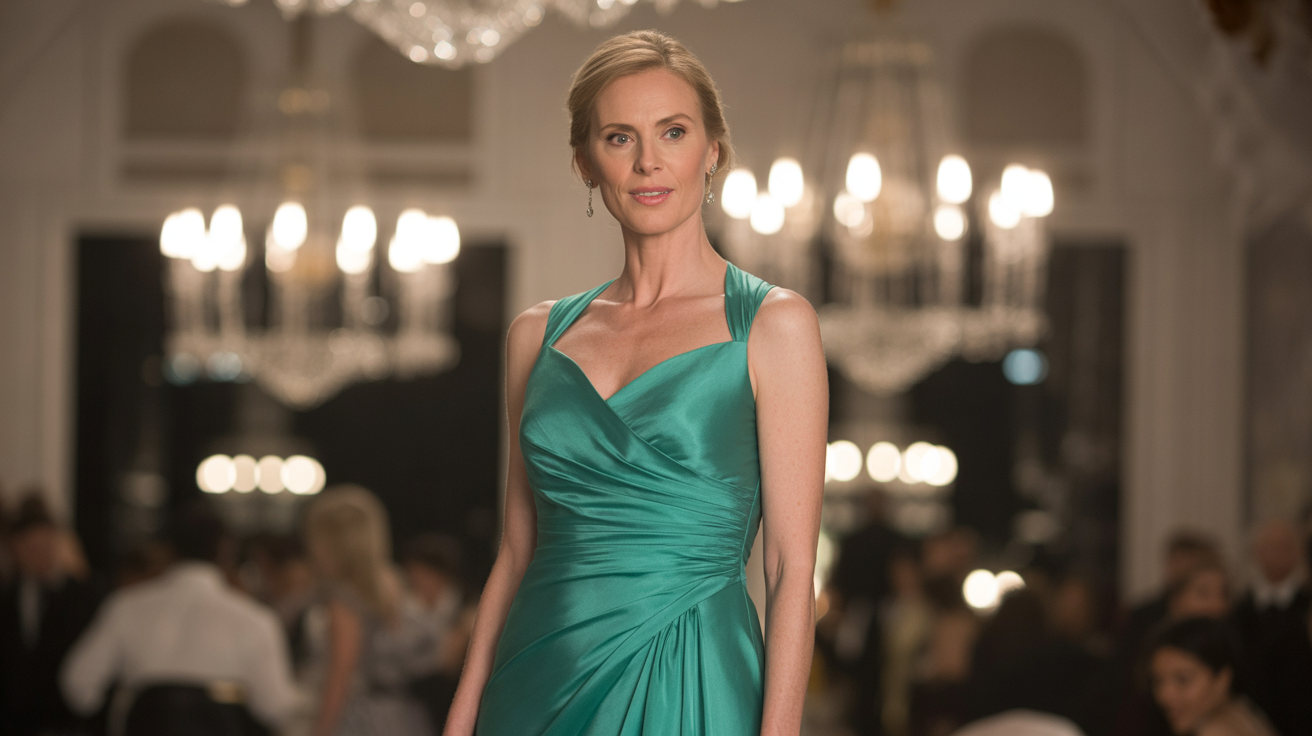
21 Modern Mother Of The Bride Dresses
A mother of the bride dress needs to hold up through photos, dancing, and a full day on your feet, which modern designs handle better than the boxy, overly formal styles from a decade ago. Elegant silhouettes, easy fabrics, and details suited to the specific venue and season now do more of the work than a strict dress code ever did.
The most flattering occasion dress is usually the one you stop noticing by the time the ceremony ends and the dancing starts.
From floor-length gowns to contemporary midi dresses and separates, the 21 options below cover a range of venues and formality levels. Some suit a formal ballroom reception; others are built for an outdoor or afternoon wedding, and we’ve noted which is which. If you want more floor-length options specifically, our full lineup of long mother-of-the-bride dresses is worth a look too.
Elegant A-Line Gowns
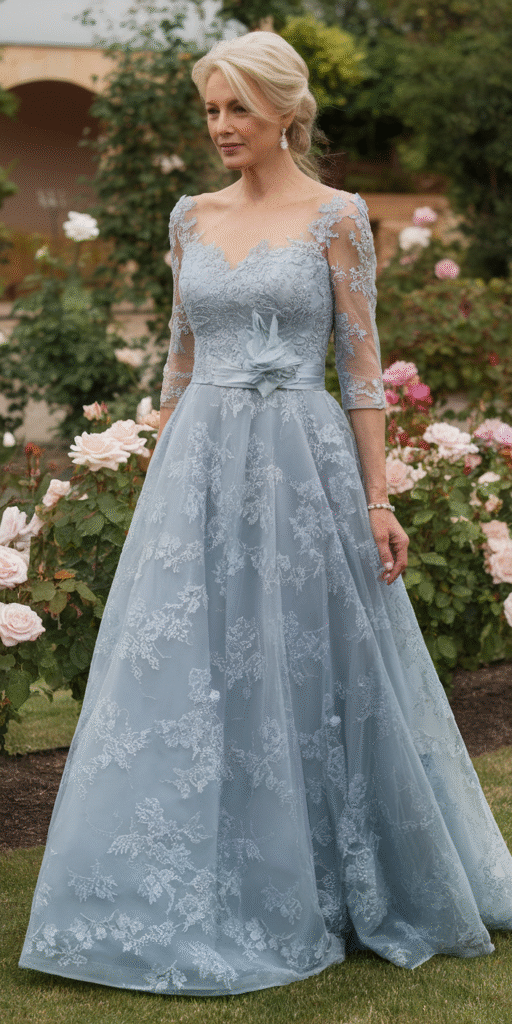
An A-line cut is the safest place to start if you’re not sure what silhouette flatters you, since it skims rather than clings at the waist and hip.
Silk or chiffon in this shape drapes better than a stiffer fabric, and a V-neck or bateau neckline elongates the upper body without adding boning that can feel restrictive during a long reception.
One trade-off worth knowing: A-line skirts use more fabric than a sheath, so expect a slightly higher price at the same quality level. For help narrowing down a cut before you start trying dresses on, see our guide to dressing for your body type.
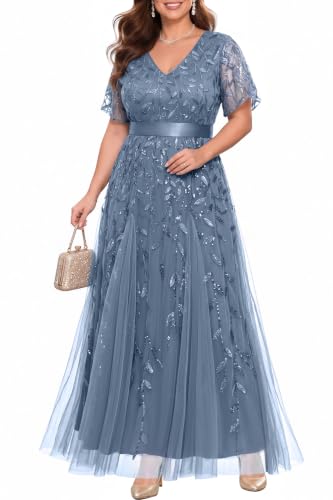


Chic Off-The-Shoulder Designs
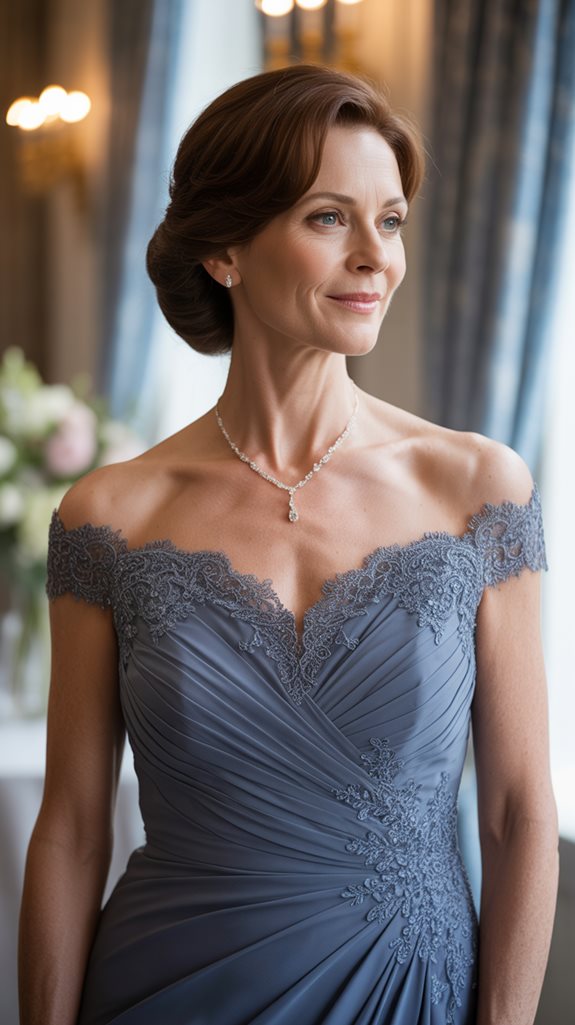
An off-the-shoulder neckline puts more emphasis on the shoulders and collarbone than a traditional strap, which works well if that’s the area you want to highlight. The style comes in nearly any fabric or color, so it adapts to whatever the wedding’s dress code calls for.
One practical note: off-the-shoulder cuts can slip during a long day of dancing, so look for a style with interior boning or a snug underarm fit before you commit to it for an all-day event.


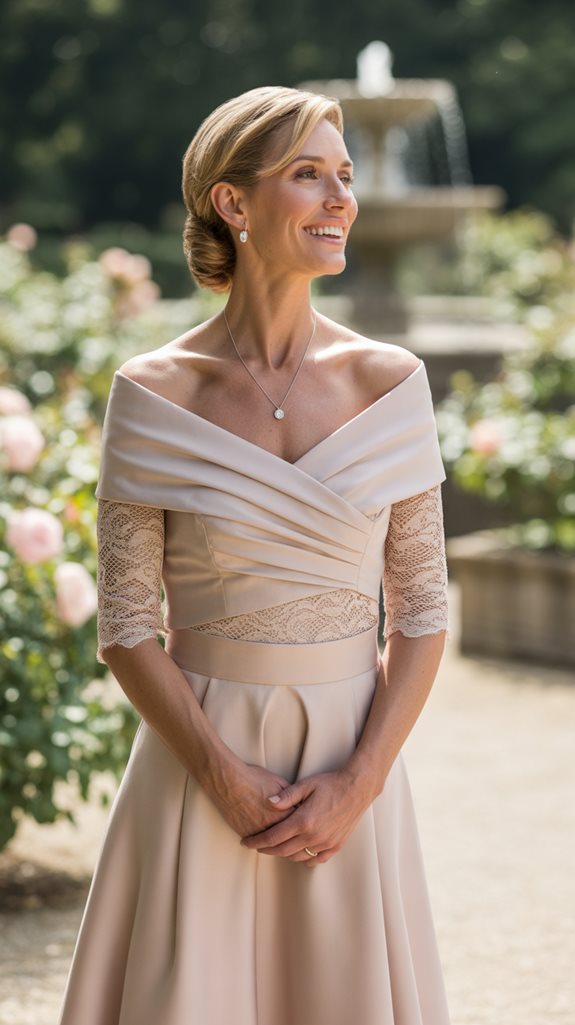
Timeless Lace Creations
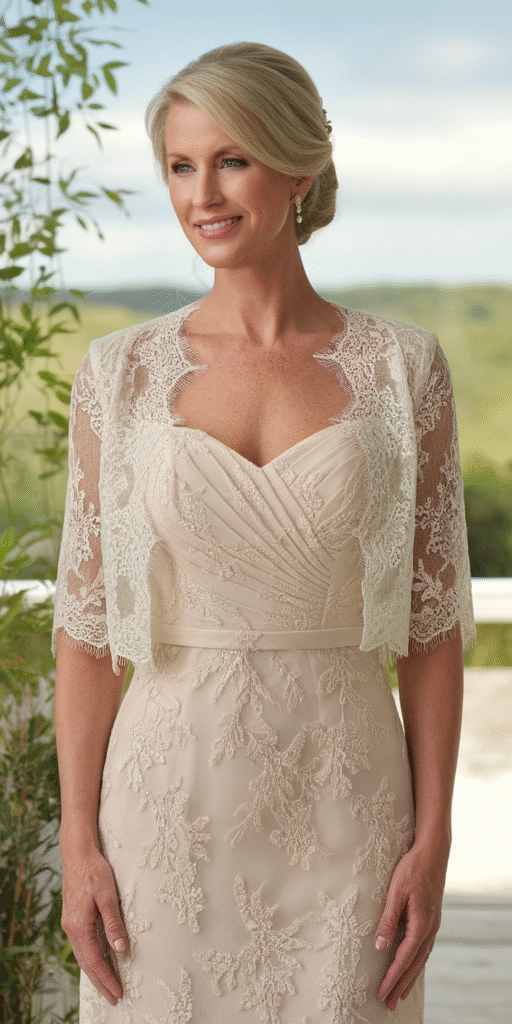
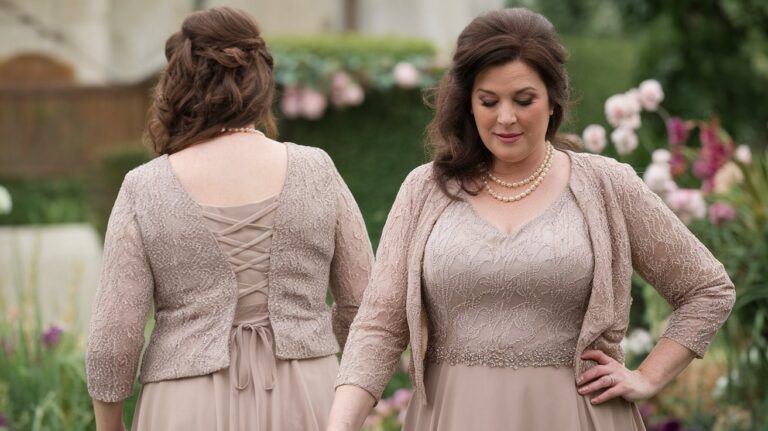
Lace works because it adds texture without adding color or pattern, which makes it easy to pair with almost any accessory. A lace overlay on the bodice reads more formal than lace sleeves alone, so match the amount of lace to how dressy the venue is.
Soft pastels let the lace pattern show more clearly than a saturated jewel tone, where the detail tends to get lost.


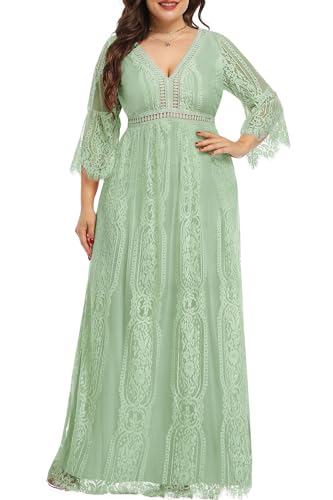
Modern Jumpsuit Options
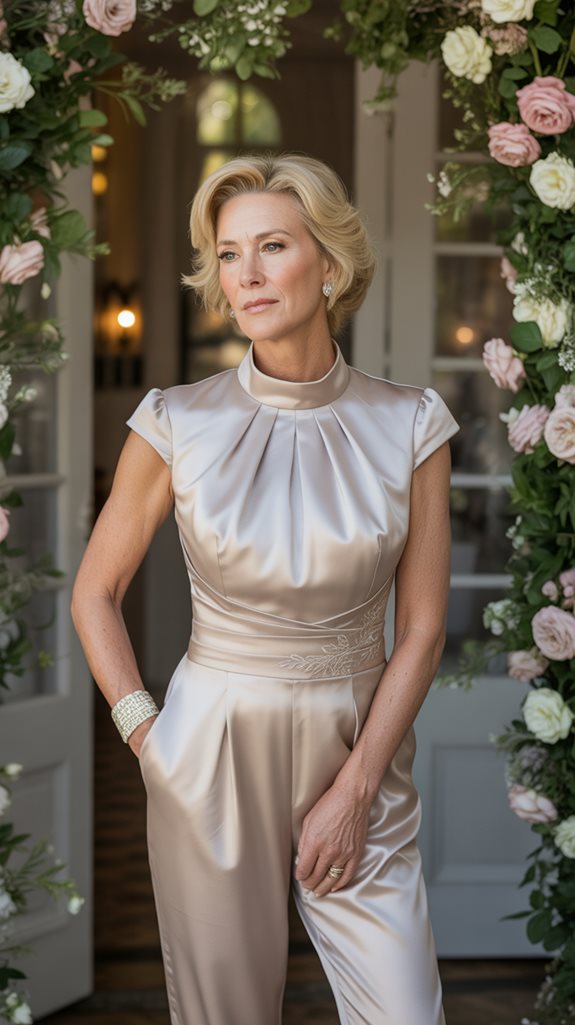
A jumpsuit solves the fit problem a lot of gowns create: no waist seam to get exactly right, and no hem length to guess at before the final fitting.
Crepe or silk crepe holds a cleaner line than a stretch knit, and a wide sash or structured belt gives it shape instead of letting the fabric hang straight down. Wide-leg cuts work better with heels than flats, since flats can make the length look too long.


Sophisticated High-Low Hemlines
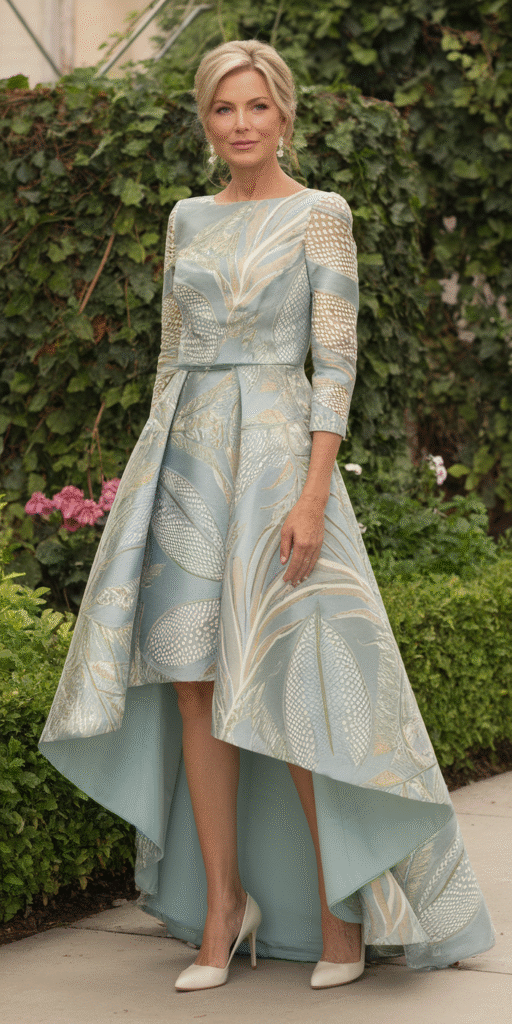
A high-low hem shows more leg while keeping length in the back, which is a reasonable middle ground if you can’t decide between a short dress and a full gown.
The cut adds movement on the dance floor that a straight hemline doesn’t. Pair it with a heel rather than a flat, since the front hem needs the extra height to sit correctly at the ankle.
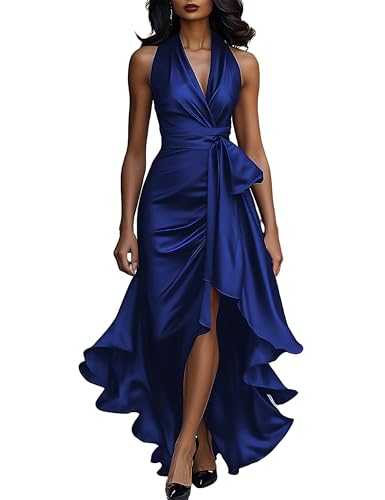


Glamorous Sequin Embellished Dresses
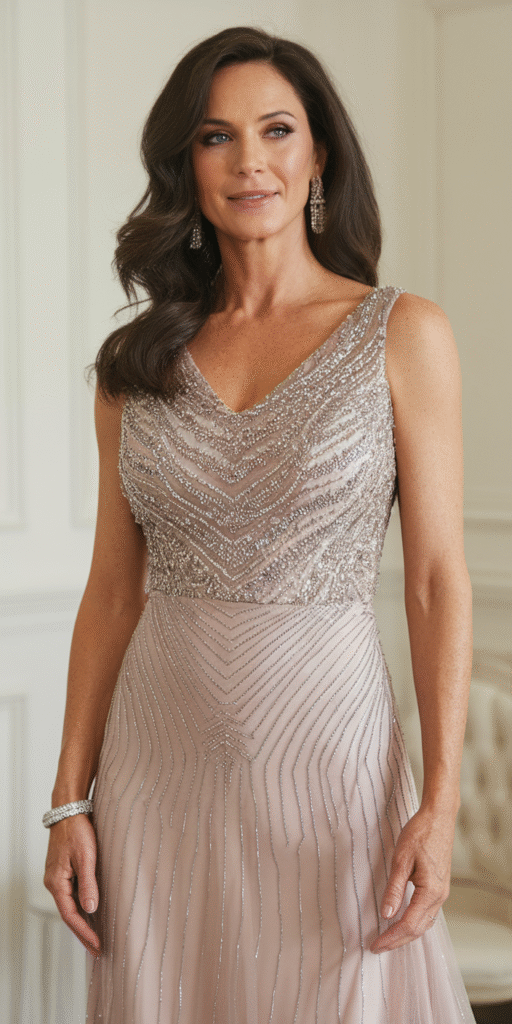
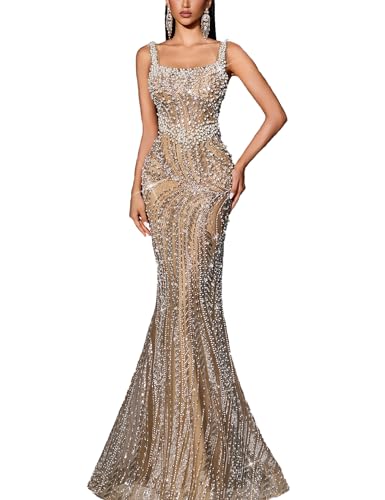
Sequins photograph well under flash and low light, which is worth knowing if the reception runs into the evening. Silver, gold, midnight blue, and deep emerald all read as formal without going loud on camera.
Keep the rest of the outfit plain, since a sequin dress with a busy necklace or bag competes with itself. One thing to know: sequins can snag on delicate fabrics nearby, so plan seating and hugs accordingly.


Bold and Bright Color Choices
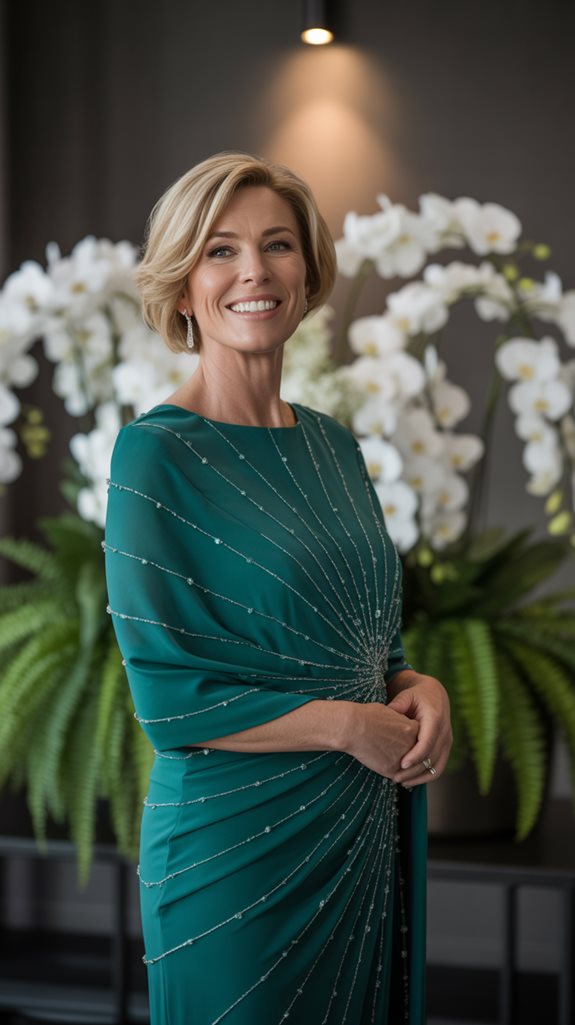
Cobalt blue or coral stands out in photos in a way that black or navy doesn’t, and it signals you’re comfortable being seen rather than blending into the background.
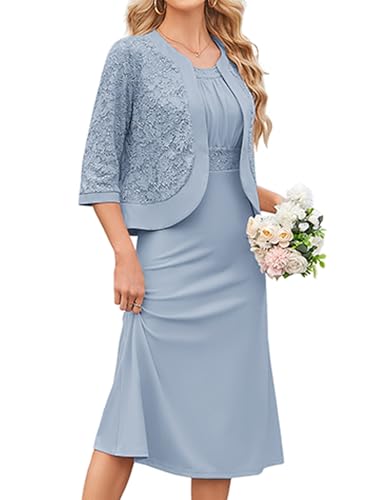
Check with the wedding party first if a bold color might clash with the bridesmaids’ palette. A geometric or abstract print adds a second layer of interest if solid color feels too plain, but skip a loud print and a loud color in the same dress.


Floral Patterns for a Fresh Look
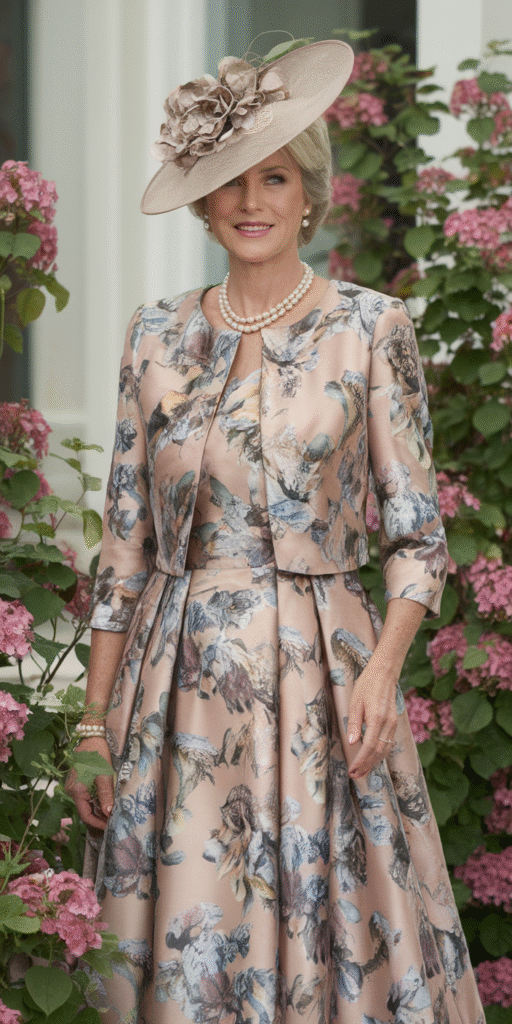
Floral prints work especially well for spring and summer weddings, where a solid color can look heavier than the season calls for. Chiffon or silk in a floral print moves more naturally than a stiffer cotton blend.
Go with muted, smaller-scale florals for a formal evening event, and save the bold, large-scale prints for daytime or garden settings.


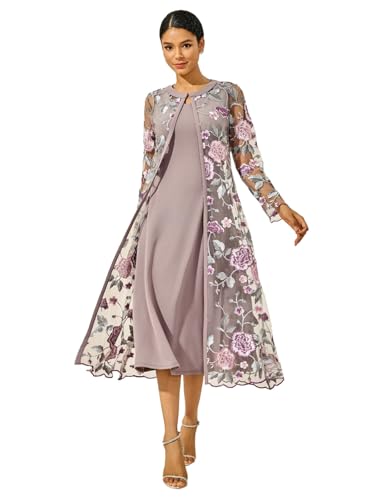
Classic Black and White Combinations
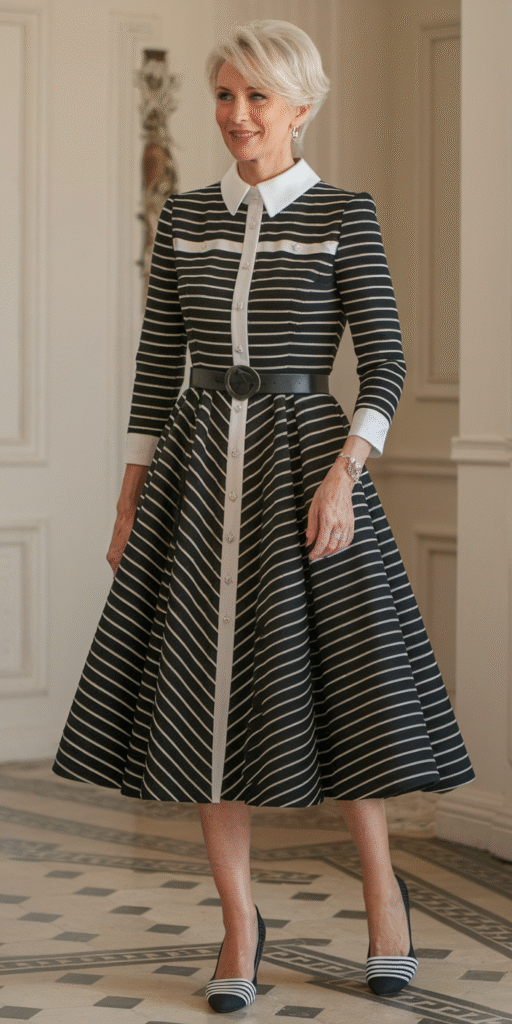
Black and white reads formal at almost any wedding, which makes it a safe choice if you don’t know the dress code in advance. A black dress with sleek lines works for evening; pairing black with a lace or satin white panel softens it for daytime.
One thing to check first: some venues ask guests to avoid all-black, so confirm before committing to a solid black gown.

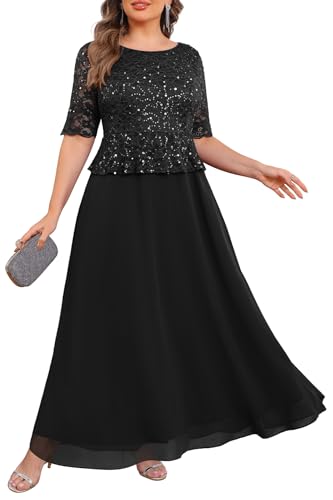
Sleek Mermaid Silhouettes
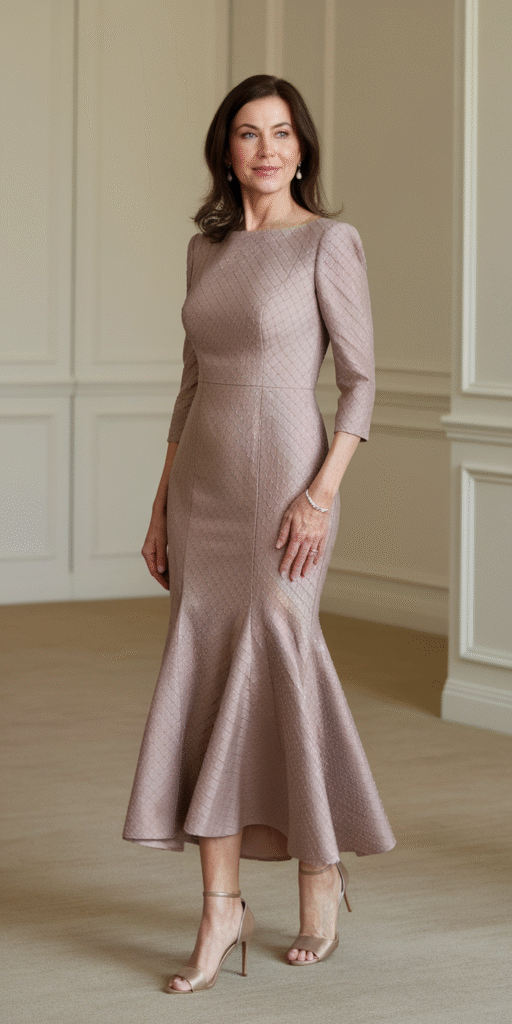
A mermaid cut fits close through the hip and thigh before flaring out near the knee, which flatters a defined waist more than a straight A-line does.
The fitted section means less room to eat comfortably during a seated dinner, worth considering if the reception includes a full meal. Shimmer fabric or lace both work in this cut; the fit matters more than the material. If you’re shopping plus sizes, our plus-size mother-of-the-bride dress ideas covers fits built around curves specifically.

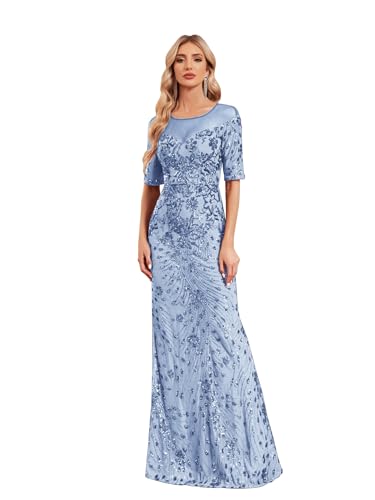

Luxurious Velvet Selections
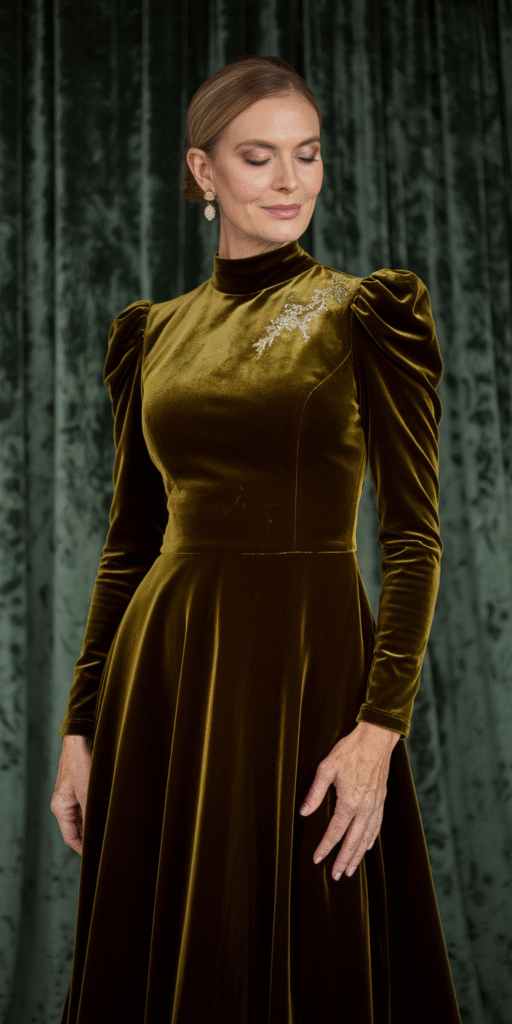
Velvet suits a fall or winter wedding better than a summer one, since the fabric traps more heat than silk or chiffon. Deep emerald and burgundy both photograph rich under warm indoor lighting.
The fabric also shows crush marks from sitting for long periods, so a slightly looser cut hides that better than a fitted one.


Stylish Tea-Length Dresses
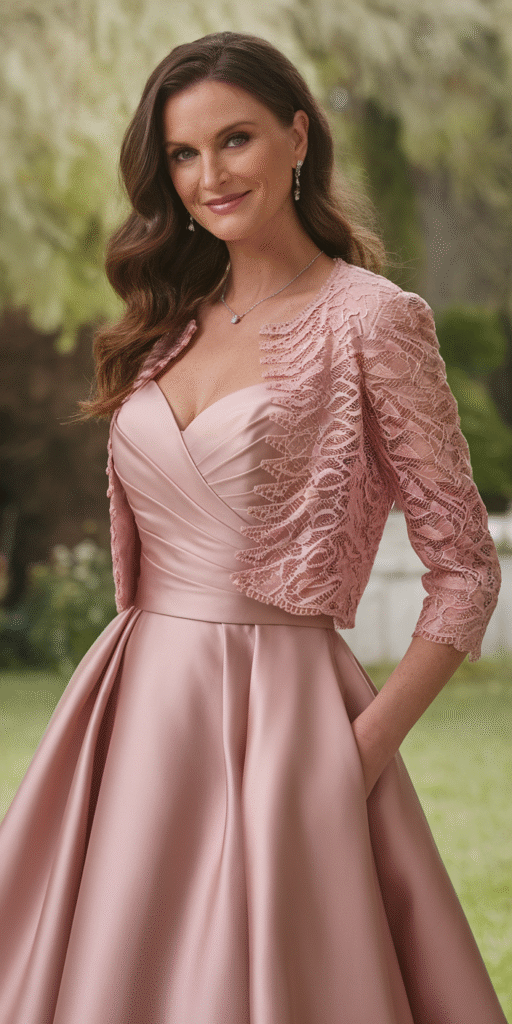
A tea-length hem, hitting mid-calf, splits the difference between a full gown and a short cocktail dress, and it’s easier to dance in than a floor-length skirt.
Silk adds more structure, lace adds texture, and chiffon moves the most; pick based on how much you want the skirt to catch the air on the dance floor. Sequins or embroidery at the neckline dress it up without adding length.


Minimalist Sheath Styles
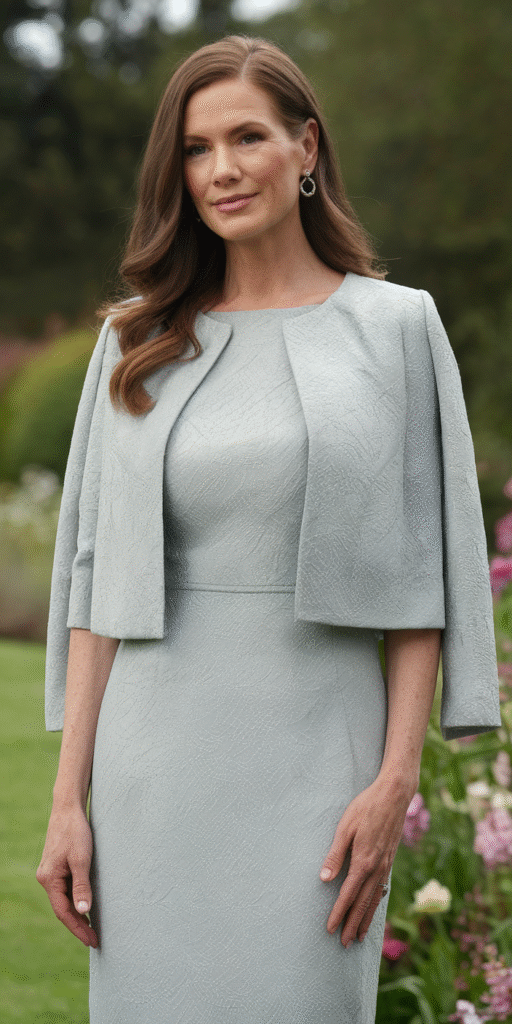
A sheath skips the extra fabric of an A-line or ballgown, which means less bulk under a fitted jacket if the venue runs cold. Sustainable fabric options in this cut are more common now, since the simple shape uses less material to begin with.
The straight line only works if the fit through the waist is close to exact, so budget for a tailoring appointment rather than buying off the rack and hoping.


Romantic Pastel Hues
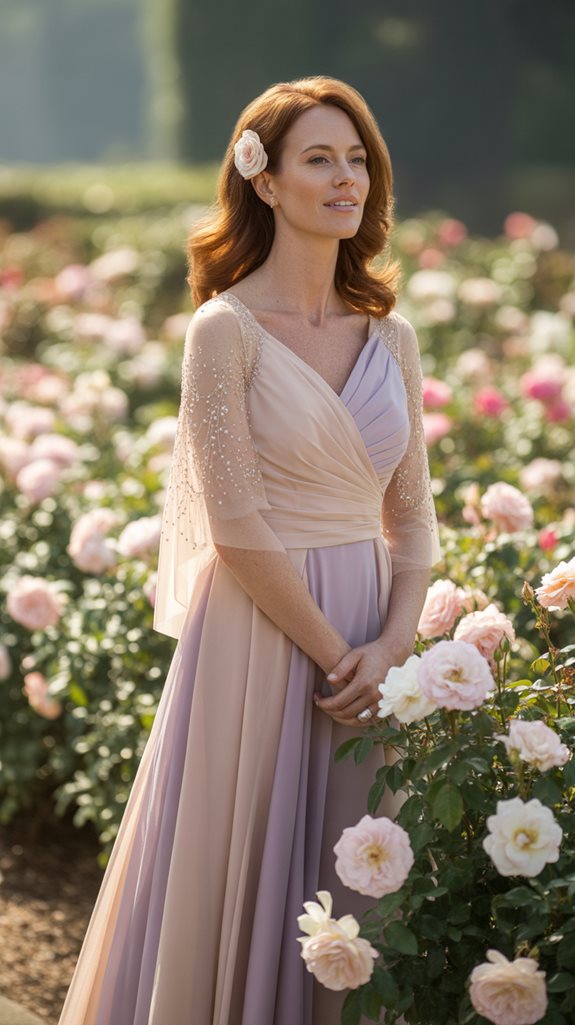
Blush and mint both photograph softer than white without competing with the bride’s dress, which is the main reason pastels work so well for this specific role.
Silk chiffon holds pastel color better than a matte cotton, which can look washed out in the same shade. Pastels read more casual than jewel tones, so they suit a daytime or garden wedding better than a formal evening one.

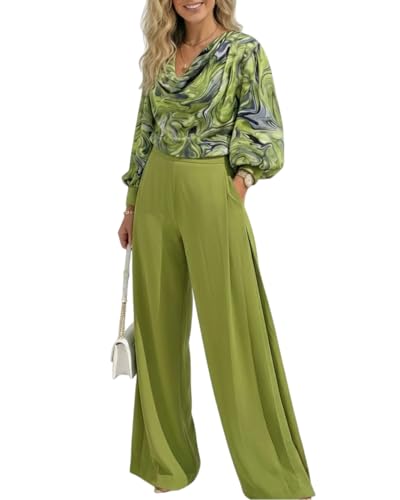
Contemporary Two-Piece Ensembles
A separate top and skirt, or top and trouser, means you can mix sizes if you’re not the same size on top and bottom, which a one-piece gown doesn’t allow.
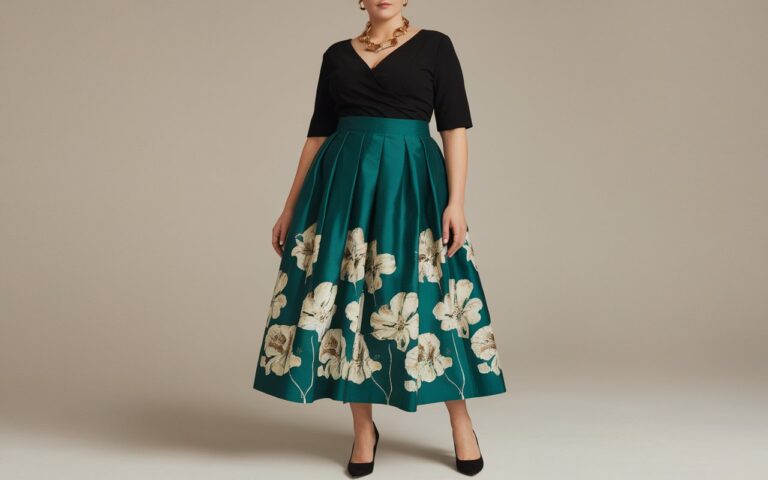
Color blocking, a solid top with a patterned skirt or vice versa, adds interest without needing print on print. Wide-leg trousers photograph better standing than sitting, so keep that in mind if there’s a long seated dinner.


Vintage-Inspired Designs
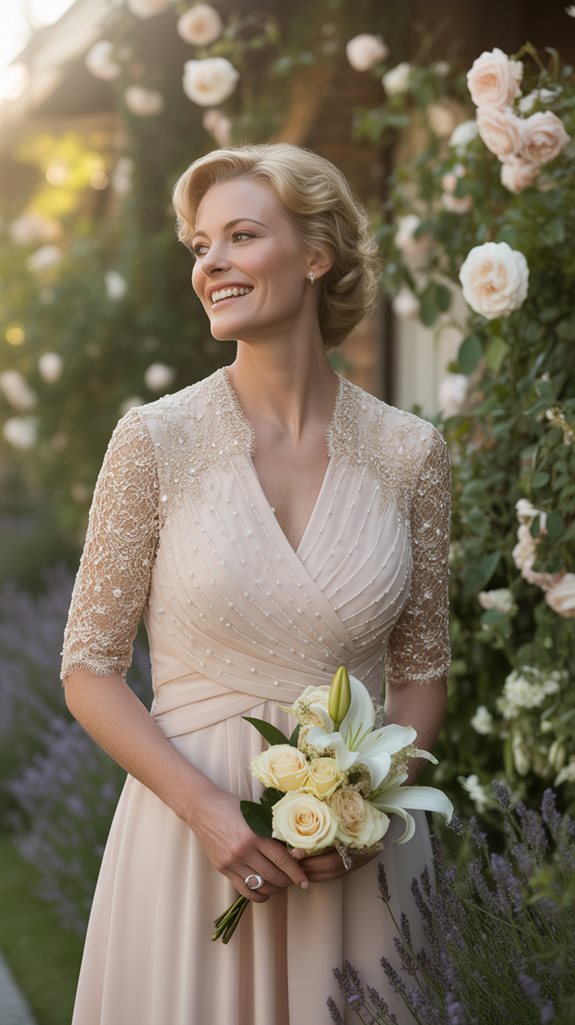
Vintage lace patterns from the 1950s and 60s tend to be denser and more structured than the sheer lace common now, which reads as more formal.
A cinched waist and tea-length hem both nod to mid-century silhouettes without looking like a costume. Pair with one statement piece, pearls or a brooch, rather than several vintage accessories at once. Our more unique and elegant mother-of-the-bride styles has more options in this same understated-glamour direction.


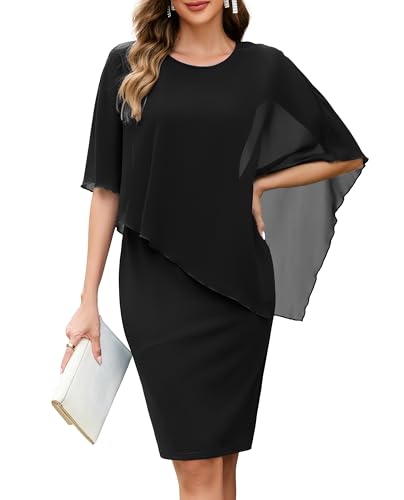
Dramatic Cape-Style Dresses
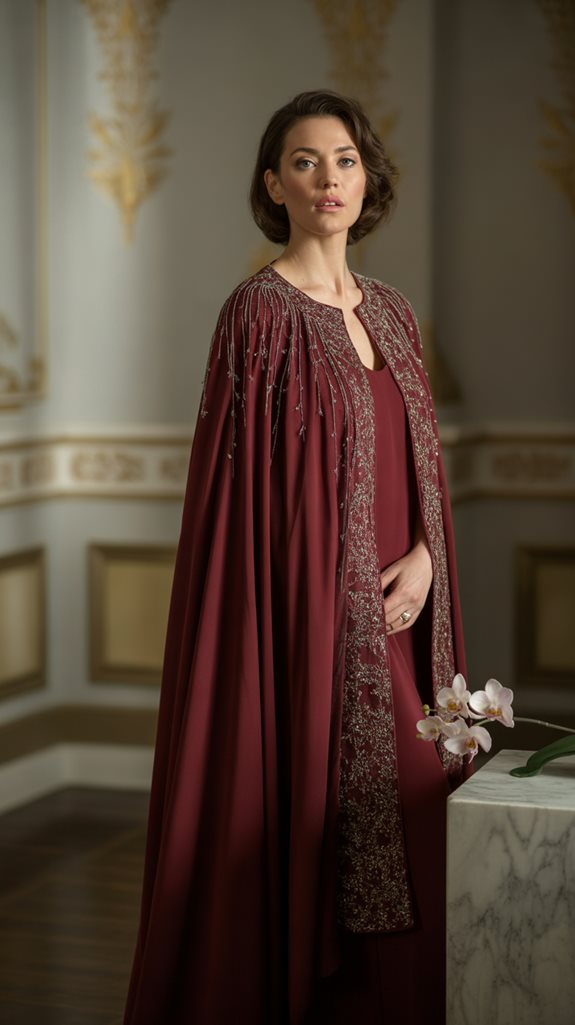
A cape adds visual height and drama without adding sleeves, which matters if you want coverage but don’t want long sleeves in a warm venue. Deep emerald or navy holds the cape’s shape better than a lighter color, which can look flat under indoor lighting.
Removable capes give you the dramatic entrance photo, then let you take it off for the reception if the room gets warm.


Intricate Beaded Details
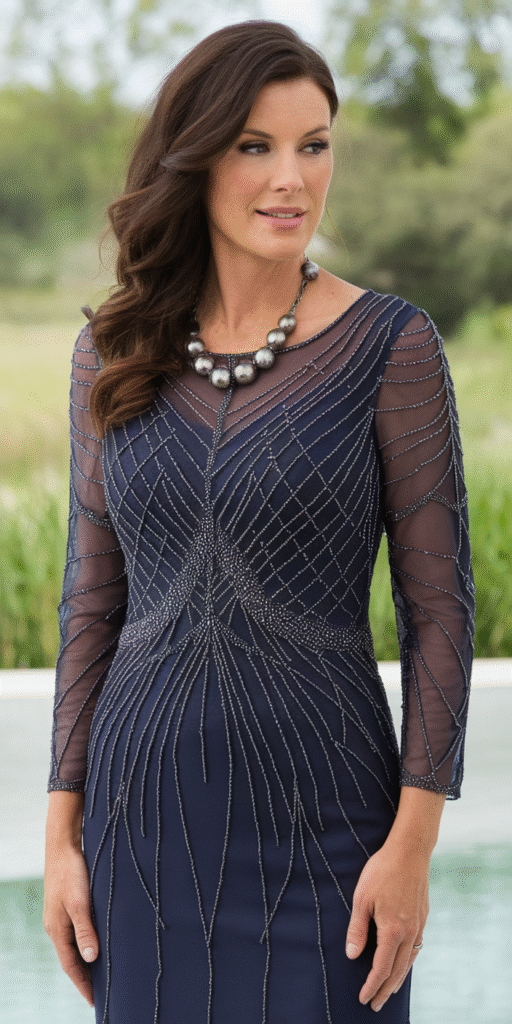
Beading adds weight to a dress, sometimes several pounds depending on coverage, which is worth trying on before you commit to a fully beaded gown for an all-day event.
Crystal and sequin beading catch more light than matte glass beads, if a strong sparkle under photography flash is what you want. Floral or swirl beading patterns show up better on a solid color than on a print, since the two compete otherwise.


Playful Ruffled Accents
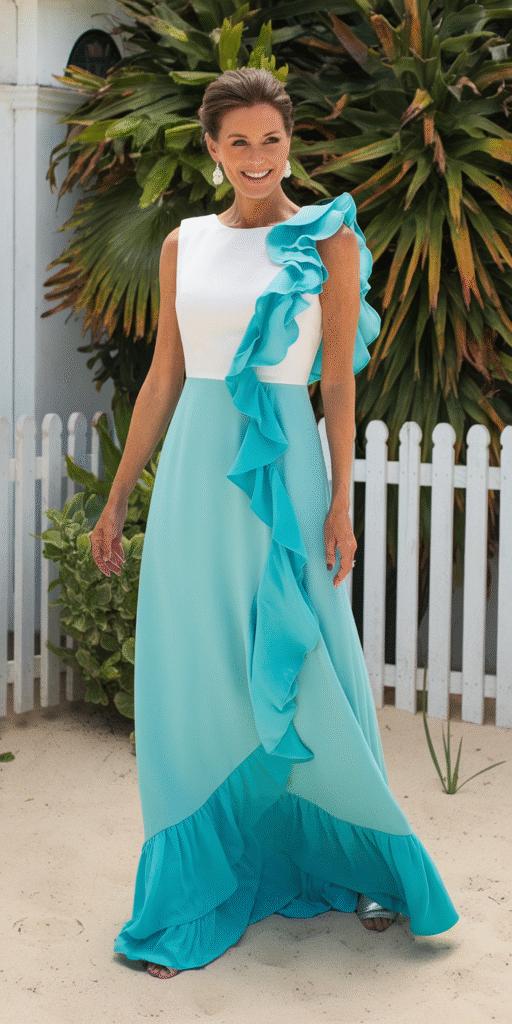
Ruffles add movement without adding structure, which makes them lighter-weight than beading or sequins if you want visual interest without extra dress weight.
Cascading ruffles down a skirt read more formal than a single ruffled sleeve or hem detail. Chiffon and silk both hold a ruffle’s shape better than a heavier cotton blend, which can make it sit flat instead of moving.

Statement-Making Metallics
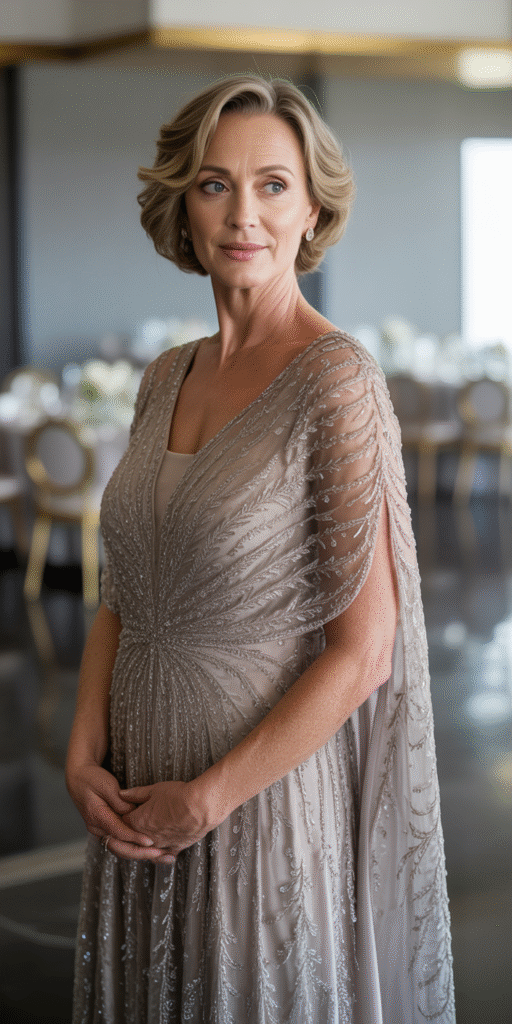
Silver and gold metallics work with nearly any wedding color scheme, since they read as neutral rather than competing with a specific palette.
Keep other accessories minimal, one bold clutch or a pair of earrings, since the fabric already does the job jewelry usually does. Choose a matte metallic over a high-shine one if you want the dress to hold up in photos for years rather than look dated quickly.


Sophisticated Long Sleeve Options
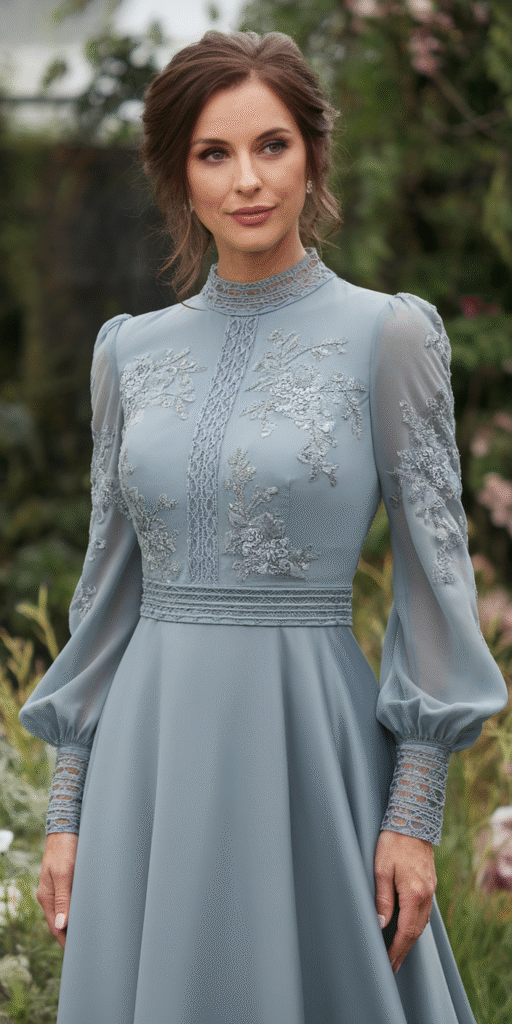
Long sleeves solve the arm-coverage question some venues have, churches especially, without requiring a separate wrap or shrug.
Chiffon sleeves add coverage without adding the warmth a heavier satin sleeve would, which matters for an outdoor wedding in warm weather. A fitted sleeve reads more formal; a bell or flutter sleeve softens the look for a daytime event.