The Second-Hand Fashion Boom: Why 58% of Shoppers Are Ditching Fast Fashion for Thrifted Style
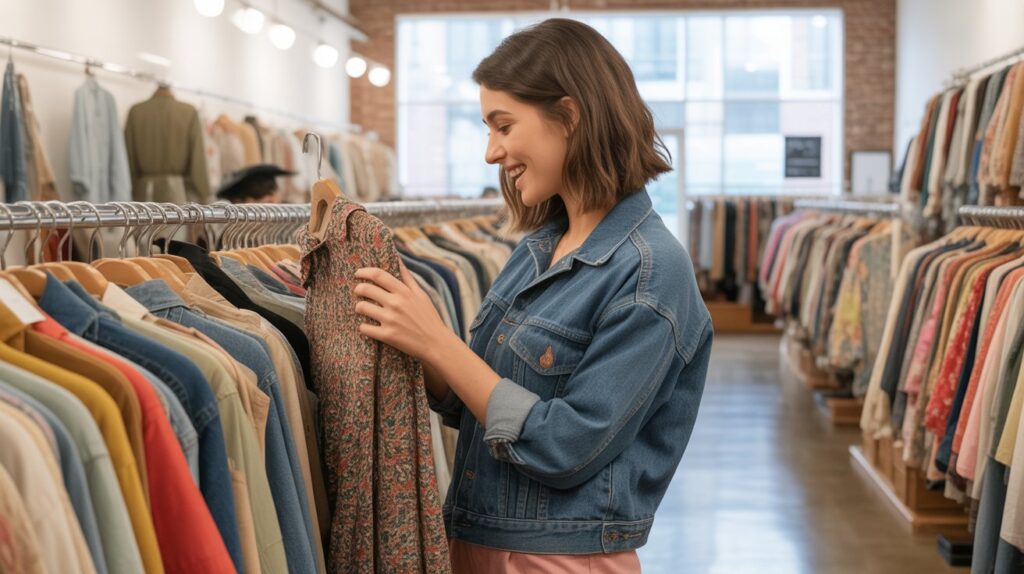
Remember when buying second-hand clothes meant rummaging through musty thrift stores, hoping to stumble upon a hidden gem? Those days are long gone. The second-hand fashion boom has transformed pre-loved clothing from a niche market into a global powerhouse that’s reshaping how we shop, dress, and think about fashion itself.
If you’ve noticed more friends sporting vintage finds or scrolling through Depop instead of Zara’s website, you’re witnessing a revolution. The numbers don’t lie: the global second-hand apparel market is set to reach a staggering $367 billion by 2029 according to ThredUp’s 2025 Resale Report, growing at a pace 2.7 times faster than the traditional fashion industry.
But this isn’t just about numbers—it’s about a fundamental shift in how we value clothing, express our style, and engage with the planet. Whether you’re a sustainability advocate, a budget-conscious shopper, or someone who craves unique pieces that tell a story, the second-hand fashion boom has something for you.
Let’s dive deep into this fashion revolution and discover why pre-loved clothing is no longer the alternative—it’s becoming the mainstream.
The Explosive Growth: Breaking Down the Numbers
The second-hand fashion market isn’t just growing; it’s exploding. Here’s what the latest data reveals:
Market Size and Projections
| Year | Global Market Value | Growth Rate |
|---|---|---|
| 2024 | $177 billion | 15% YoY |
| 2025 | $211 billion (est.) | 10% CAGR |
| 2027 | $351 billion | – |
| 2029 | $367 billion | – |
In 2024 alone, the second-hand market grew by 15%, now accounting for 9% of global apparel spending according to Statista’s secondhand apparel market data. To put this in perspective, that’s growing eight times faster than traditional retail clothing in the same period.
The U.S. market leads this charge, expected to reach $74 billion by 2030, with resale growing at a compound annual growth rate (CAGR) of 9%—five times faster than conventional retail.

The Digital Revolution
Online resale is the real game-changer here. Digital platforms captured 88% of total resale spending in 2024, and this channel is projected to nearly double by 2029, hitting $40 billion with an annualized growth rate of 13%.
“The secondhand revolution is no longer a niche trend but a core pillar of the fashion ecosystem.” – ThredUp Resale 2025 Report
Why Everyone’s Jumping on the Second-Hand Fashion Bandwagon
The second-hand fashion boom isn’t happening in a vacuum. Multiple powerful forces are converging to create this perfect storm of change.
1. Sustainability Isn’t Just a Buzzword Anymore
Let’s face it: the fashion industry has a dirty secret. It produces 100 billion new garments annually, with 70-80% ending up in landfills or being burned according to research from The Ellen MacArthur Foundation. In the UK alone, 10,000 items hit the landfill every five minutes. Yikes.
Young consumers, especially Gen Z and Millennials, are acutely aware of this environmental catastrophe. They’re not just talking about change—they’re buying it, literally.

The Environmental Impact of Second-Hand Shopping:
- Each second-hand purchase displaces 8 kg of CO2 emissions
- Reduces emissions by 82% compared to buying new
- 42% less climate change impact per use
- 53% less water scarcity footprint
- 42% less cumulative energy demand
When you buy that vintage leather jacket instead of a new one, you’re not just making a fashion statement—you’re making an environmental one.
2. Your Wallet Will Thank You
In an era of rising inflation and economic uncertainty, second-hand fashion offers high-quality style at a fraction of the cost. Why pay $60 for a new blouse when you can snag a designer piece for $10?
A 2024 survey revealed that 62% of consumers said if new government policies made apparel more expensive, they’d turn to cheaper alternatives, including second-hand options. Cost-saving isn’t just a nice benefit—it’s a primary driver, with 62% of second-hand shoppers citing affordability as their top motivation.
Second-hand shopping also democratizes fashion, making luxury brands and high-quality pieces accessible to people who couldn’t otherwise afford them. That Burberry trench or those Levi’s 501s? Totally within reach now.
3. Stand Out from the Crowd
In a world of fast fashion uniformity where everyone’s wearing the same Shein haul, second-hand clothing offers something precious: uniqueness.
Shopping second-hand transforms retail from a mundane transaction into a treasure hunt. You’re not just buying clothes; you’re curating a collection of pieces with history, character, and stories. That 1970s band tee? The vintage silk scarf? The perfectly broken-in leather boots? You won’t see them on three other people at the same party.
4. Quality Over Quantity
Here’s an interesting trend: people are buying fewer clothes, but they’re buying better ones. The average number of times a garment is worn before disposal has decreased by 36% globally in the past 15 years. Fast fashion trained us to view clothes as disposable, but the pendulum is swinging back.
Second-hand shoppers are rediscovering the joy of well-made garments that last. That vintage Levi’s denim? It’s still going strong after 30 years because it was built to last. Compare that to fast fashion jeans that pill after three washes.
The Generational Shift: Gen Z and Millennials Lead the Charge
If you want to understand the second-hand fashion boom, you need to understand Gen Z. This generation isn’t just participating in the trend—they’re driving it at full speed.
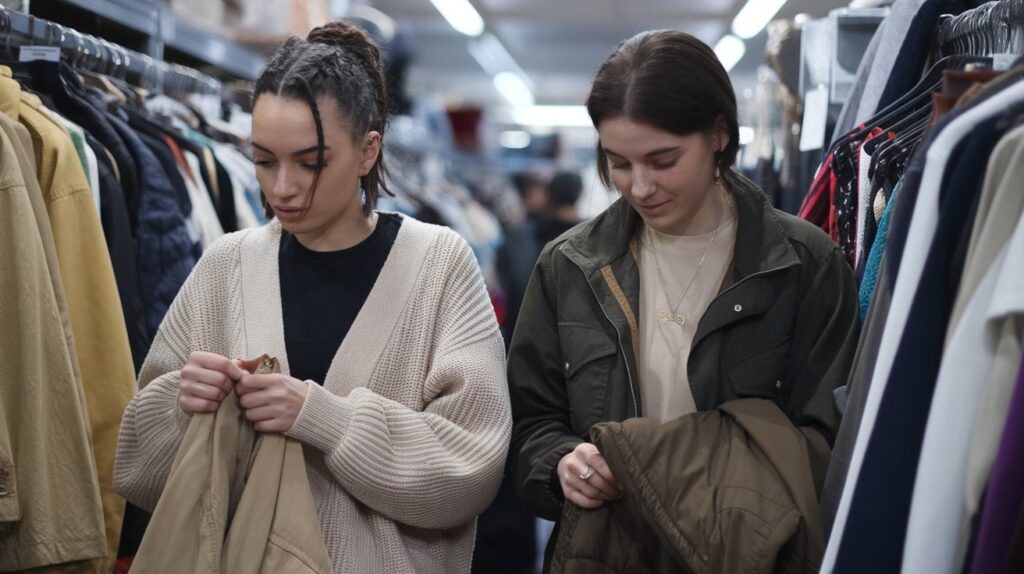
The Numbers Tell the Story
- 58% of consumers purchased second-hand apparel in 2024 (a record high) according to GlobalData’s consumer survey research
- Among younger consumers (18-44), 48% look to second-hand first when shopping for apparel
- That’s an increase of 7 percentage points since 2022
- Over half of second-hand shoppers in the UK are from the post-millennial generation
Why Gen Z is All-In on Second-Hand
1. Social Media Influence
TikTok and Instagram have turned thrifting into entertainment. Hashtags like #ThriftHaul, #VintageFashion, and #SecondHandFinds generate millions of views. When Love Island promoted ‘pre-loved’ clothes in 2022, eBay saw a 7,000% increase in searches for second-hand clothing. Seven. Thousand. Percent.
Influencers showcase their thrift finds, DIY fashion projects, and styling tips, making second-hand shopping aspirational rather than budget-driven. It’s not about necessity; it’s about being cool, conscious, and creative.
2. Values-Driven Shopping
Gen Z doesn’t just want products; they want to support their values with their purchases. They’re skeptical of greenwashing and demand transparency. Interestingly, research shows a drop in consumers saying they’d buy new “sustainable” clothing, partly due to confusion about what brands consider sustainable and concerns about greenwashing.
Second-hand shopping cuts through this confusion. There’s no greenwashing when you’re giving an existing garment a second life. It’s authentically sustainable, transparently so.
3. The Side Hustle Economy
Second-hand fashion isn’t just about buying—it’s about selling too. Fashion flipping (buying second-hand clothes and reselling them) has become a legitimate side hustle for young consumers. eBay reported sellers were up 22% year-over-year, with many young entrepreneurs building businesses around curating and reselling vintage pieces.
Technology: The Great Enabler
The second-hand fashion boom wouldn’t be possible without technology. Digital platforms have transformed thrifting from a local, luck-based activity into a convenient, accessible, global marketplace.

The Rise of Resale Platforms
The digital transformation of second-hand fashion has been explosive, with platforms creating seamless buying and selling experiences that rival traditional retail, as reported by Business of Fashion’s retail analysis.
Major Players and Their Growth:
| Platform | Key Stats | Specialization |
|---|---|---|
| Vinted | Revenue up 50%+ in 2022 | Peer-to-peer everyday fashion |
| Depop | 8% growth, 464K monthly downloads (Dec 2023) | Youth-oriented, unique pieces |
| ThredUp | Leading U.S. online thrift store | Curated, quality-checked items |
| Poshmark | Millions of active users | Social shopping experience |
| The RealReal | Focus on authenticated luxury | High-end designer pieces |
| eBay | 22% increase in sellers YoY | Everything from vintage to luxury |
Online vs. Brick-and-Mortar: Both Are Thriving
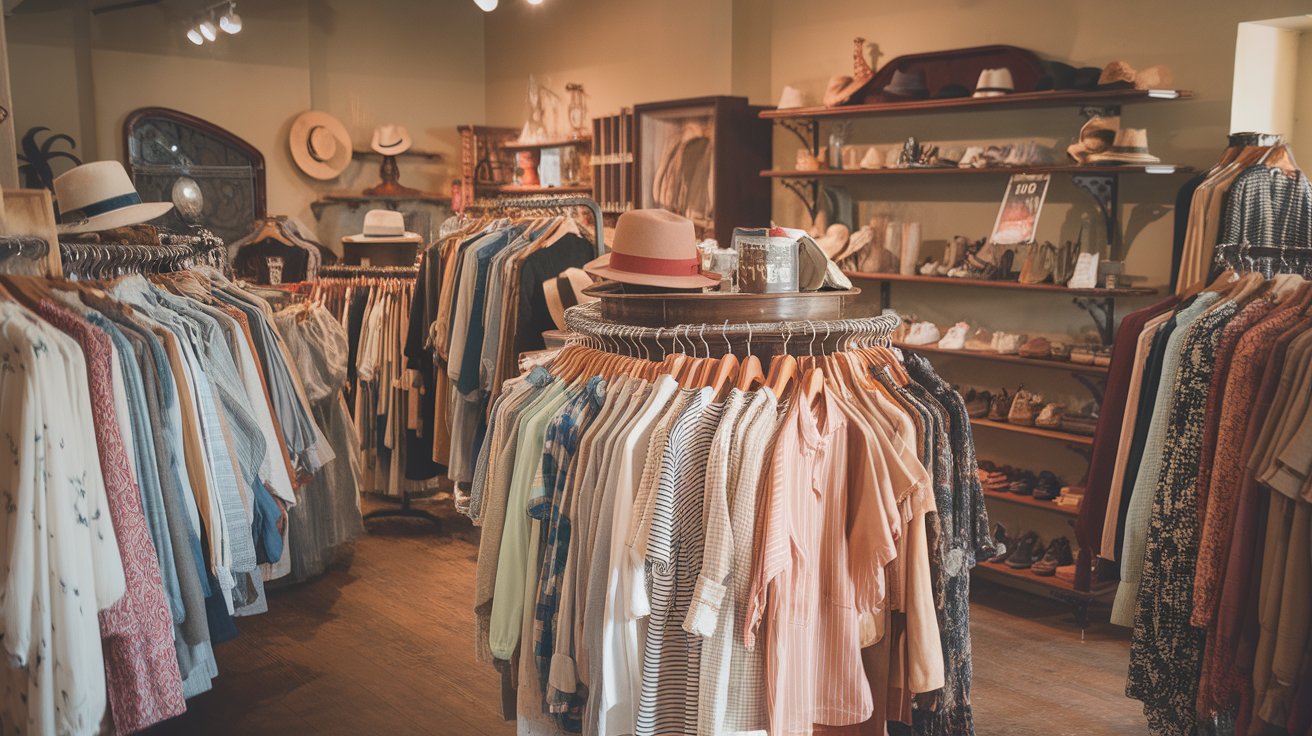
Here’s a surprise: despite the digital boom, physical second-hand stores are flourishing too. In the U.S., brick-and-mortar resale shops grew by 7% over the past two years.
Why? Because 63% of consumers who bought second-hand in 2024 made their purchases online, but that still leaves a massive cohort who prefer the tactile, immediate experience of in-person shopping.
As one vintage shop owner in New York put it: “A sample sale happens and then all of a sudden the resale store looks like the Balenciaga store the next week.”
Physical stores offer:
- The ability to touch fabrics and try items on
- Immediate gratification (take it home today)
- The treasure-hunt experience
- Expert curation and advice
- Community and social connection
Social Commerce: Shopping Where You Scroll
Perhaps the most exciting development is social commerce—buying directly through social media platforms. In 2024, 39% of younger consumers made second-hand purchases through Instagram and TikTok Shop.
This seamless integration of discovery, inspiration, and purchase is reshaping how we shop. You see a vintage Chanel bag in your feed, click through, and buy it—all without leaving the app. Retailers recognize this shift, with 76% stating that social commerce will be instrumental in driving resale adoption within their brands.
AI: Making Thrifting Less Overwhelming
Let’s be honest: traditional thrifting can be overwhelming. Racks of unorganized clothes, inconsistent sizing, hours of searching for that perfect piece.
Enter artificial intelligence. AI is revolutionizing the second-hand shopping experience by:
- Refining search capabilities (find exactly what you want faster)
- Personalizing recommendations based on your style and size
- Streamlining authentication processes (ensuring that Gucci bag is real)
- Dynamic pricing based on demand and condition
- Visual search (upload a photo, find similar items)
These tools are removing the friction from second-hand shopping, making it as convenient as—or even more convenient than—buying new.
The Business Opportunity: Brands Join the Revolution
Smart brands aren’t fighting the second-hand fashion boom—they’re embracing it. And why wouldn’t they? The opportunity is enormous.
Why Brands Are Launching Resale Programs
94% of retail executives acknowledge that their customers are already participating in the second-hand market. The question isn’t whether to engage but how.
Benefits for Brands:
Short-term:
- Customer acquisition
- Revenue diversification
- Access to price-sensitive consumers
Long-term:
- Enhanced sustainability credentials (without greenwashing)
- Greater control over brand perception in the secondary market
- Increased brand loyalty (47% of consumers are more likely to make a first-time purchase with a brand offering trade-in programs)
Brand Collaborations and Programs
Major retailers are getting creative:
- Macy’s and Urban Outfitters partnered with resale platforms to add second-hand sections
- River Island collaborated with Reskinned and eBay to resell pre-loved pieces
- Levi’s, Patagonia, and Eileen Fisher launched their own take-back and resale programs
- Luxury brands are carefully entering the space, maintaining control over their brand image
The Challenges
Not everyone’s diving in headfirst. 86% of executives who haven’t launched resale programs cite uncertainty in execution. Valid concerns include:
- Logistics and operations (reverse supply chains are complex)
- Quality control (ensuring items meet standards)
- Pricing strategy (how to value used items)
- Cannibalization fears (will resale eat into new sales?)
- Brand perception (maintaining luxury positioning)
Many brands are solving this by partnering with third-party service providers who handle the heavy lifting, allowing brands to participate without building everything from scratch.
The Environmental Impact: Real Change or Just a Feel-Good Trend?
This is the million-dollar question: Does the second-hand fashion boom actually help the environment, or does it just make us feel better while we continue consuming?
The Positive Environmental Impact
The data supports real environmental benefits, as documented by Fashion Revolution’s sustainability research:
Carbon Footprint Reduction:
- Buying second-hand instead of new can result in 42% less climate change impact per use
- Each second-hand purchase displaces 8 kg of CO2 emissions
- 82% reduction in emissions compared to producing a new garment
Resource Conservation:
- 42% less cumulative energy demand
- 53% less water scarcity footprint
- Extends the life of garments, keeping them out of landfills
Waste Reduction:
- Increases the number of times a garment is worn before disposal
- Diverts textiles from landfills (remember those 10,000 items every 5 minutes in the UK alone)
- Reduces demand for virgin materials and production
The Criticism: Does It Enable Overconsumption?
Not everyone’s convinced. Some critics argue that second-hand shopping might actually encourage excess consumption by making clothes even more accessible and affordable.
Research bears out this concern. Interviews with young American women who regularly use platforms like Poshmark revealed they saw second-hand clothing as a way to access both cheap goods and items they ordinarily couldn’t afford.
They didn’t necessarily view it as an alternative to new clothing or a way to decrease overall consumption—they saw it as additional consumption.
This is the “rebound effect” in action: the money saved by buying second-hand gets spent on buying more items overall.
The Verdict
The truth likely lies somewhere in the middle. Second-hand shopping offers genuine environmental benefits when it replaces new purchases. If you buy a second-hand jacket instead of a new one, that’s a win.
But if you buy a second-hand jacket in addition to the new one you were going to buy anyway, the environmental benefit is less clear.
The key is mindful consumption—whether you’re shopping new or second-hand. The question to ask isn’t just “Should I buy this second-hand?” but “Do I need this at all?”
The Global Landscape: Regional Differences and Trends
The second-hand fashion boom is global, but it looks different depending on where you are.
United States: The Pioneer
- Expected to reach $74 billion by 2030
- Resale growing 5x faster than traditional retail
- Strong presence of major platforms (ThredUp, Poshmark, The RealReal)
- Both online and brick-and-mortar thriving
United Kingdom: Following Fast
- Second-hand sector worth over £7 billion
- 25% of fashion transactions involve second-hand clothing
- Anticipated CAGR of 9.3% through 2034
- London accounts for 35% of UK’s second-hand apparel market share
Europe: Sustainability Leaders
- Strong regulatory push for circular fashion
- Platforms like Vinted dominating (50%+ revenue growth)
- Primary motivations: cheaper and more environmentally friendly
- Cultural acceptance of second-hand shopping higher than in some other regions
Asia: Emerging Market
- Japan has a famously robust second-hand fashion market
- Growing interest in other Asian countries
- Online platforms expanding rapidly
- Unique challenge: cultural attitudes toward used goods in some markets
Challenges and Pain Points: It’s Not All Smooth Sailing
The second-hand fashion boom is real, but it’s not without challenges—for both consumers and businesses.
For Consumers
1. Inconsistent Inventory You can’t always find what you want when you want it. That’s the nature of second-hand shopping. Unlike fast fashion’s endless stock of the same item in every size, second-hand is limited by what’s available.
2. Sizing Nightmares Vintage sizing differs from modern sizing. A size 8 from the 1970s isn’t a size 8 today. Plus, clothing wears and stretches over time. Online shopping exacerbates this issue—you can’t try it on first.
3. Quality Variability Not all second-hand items are created equal. Some are barely worn gems; others are worn out. Quality checking is crucial but time-consuming.
4. Lingering Stigma While attitudes are changing rapidly, some people still face judgment for wearing “used” clothes. This stigma is strongest among older generations and in certain cultural contexts.
5. Time Investment Finding the perfect piece takes time. You can’t just walk into a store and grab your size off the rack. It requires patience, persistence, and sometimes luck.
For Businesses
1. Reverse Logistics Getting inventory from consumers back into the system is complex and expensive. You need systems for collection, quality checking, cleaning, repair, photography, listing, storage, and shipping.
2. Authentication Concerns Especially for luxury items, ensuring authenticity is critical but challenging. Counterfeit goods damage brand reputation and consumer trust.
3. Pricing Strategy How do you price a used item? Too high, and it doesn’t sell. Too low, and you’re leaving money on the table. Dynamic pricing algorithms help but aren’t perfect.
4. Technology Integration Building or integrating the tech infrastructure for a smooth resale experience requires significant investment.
5. Regulatory Uncertainty As the market grows, regulations are evolving. Questions about warranties, returns, consumer protection, and labeling requirements are still being worked out.
The Future: What’s Next for Second-Hand Fashion?
Where is this all heading? Let’s look at the trends shaping the future.
Prediction 1: Second-Hand Will Outpace Fast Fashion by 2030
The numbers suggest that second-hand will be twice the size of fast fashion by 2030. Fast fashion is predicted to be worth $40 billion, while resale hits $84 billion globally.
This represents a fundamental shift in fashion’s power structure. The secondary market is becoming primary.
Prediction 2: Every Brand Will Have a Resale Component
Just as every brand now needs a website and social media presence, resale programs will become standard. The question won’t be “Should we do resale?” but “How should we do it?”
54% of retail executives already view resale as a more stable and predictable source of inventory, especially given supply chain disruptions and tariff pressures.
Prediction 3: AI Will Personalize the Experience
Expect AI to get much better at understanding your style, size, and preferences. Future platforms might show you only items that fit your exact specifications, eliminating the overwhelm of endless options.
Virtual try-on technology using augmented reality will also improve, helping solve the sizing challenge.
Prediction 4: Circular Fashion Will Become the Norm
The future isn’t just about resale—it’s about circular fashion: designs that are made to be remade, repaired, and recycled. Brands will design with the entire lifecycle in mind.
This includes:
- Designing for durability and timelessness
- Using materials that can be easily recycled
- Offering repair services
- Creating take-back programs
- Implementing rental and subscription models
Prediction 5: Regulatory Push
Governments are increasingly interested in fashion’s environmental impact. Expect more regulations requiring:
- Extended producer responsibility
- Transparency in supply chains
- Circular design principles
- Restrictions on textile waste
These regulations will further accelerate the shift toward second-hand and circular models.
Prediction 6: The Luxury Market Will Fully Embrace Resale
Luxury brands have been cautious about resale, worried about brand dilution. But they’re realizing that the secondary market exists with or without their participation. By engaging directly, they can:
- Maintain quality standards
- Control brand perception
- Capture value from the secondary market
- Attract younger consumers who prioritize sustainability
Expect more luxury brands to launch authenticated resale platforms.
How to Start Shopping Second-Hand: Your Practical Guide
Ready to jump into the second-hand fashion boom? Here’s your roadmap to successful thrifting, whether online or in-person.
Step 1: Define Your Style and Needs
Before you start, get clear on:
- What pieces are you actually looking for?
- What’s your style aesthetic?
- What’s your budget?
- What brands fit you well?
This focus prevents impulsive “but it’s so cheap!” purchases that you’ll never wear.
Step 2: Choose Your Channels
Online Platforms:
- Depop: Youth-oriented, unique vintage finds
- Vinted: Peer-to-peer, everyday fashion, great for basics
- Poshmark: Social shopping, wide variety
- ThredUp: Curated online thrift store, quality-checked
- The RealReal: Authenticated luxury pieces
- Vestiaire Collective: International luxury marketplace
- eBay: Vintage treasures, wide selection
Physical Stores:
- Local thrift stores (Goodwill, Salvation Army)
- Consignment shops (curated, often higher-end)
- Vintage boutiques (themed collections, expert curation)
- Warehouse-style stores (Crossroads Trading, Buffalo Exchange)
Step 3: Know Your Measurements
This is crucial for online shopping. Measure:
- Bust, waist, and hips
- Inseam for pants
- Shoulder width for jackets
- Length measurements
Compare these to the garment measurements listed (not the size label).
Step 4: Research Quality Indicators
Learn to identify:
- Quality fabrics: Natural fibers (wool, silk, cotton, linen) vs. synthetics
- Construction quality: Finished seams, secure buttons, even stitching
- Brands known for durability: Levi’s, Patagonia, vintage Burberry
- Condition descriptors: “Like new” vs. “good” vs. “fair”
Step 5: Master the Art of the Search
Online searching tips:
- Use specific keywords (brand names, styles, colors)
- Set up saved searches and alerts
- Check listings daily for new arrivals
- Don’t be afraid to make offers
- Read seller ratings and reviews
In-person shopping tips:
- Go during off-peak hours
- Check stores regularly (inventory changes constantly)
- Don’t be discouraged by messy racks—treasures are hidden
- Bring a friend for second opinions
- Try everything on (sizes can be misleading)
Step 6: Inspect Before You Buy
Online:
- Request additional photos if needed
- Read descriptions carefully
- Check return policies
- Ask questions before purchasing
In-person:
- Check for stains, holes, missing buttons
- Test zippers and closures
- Look at seams and hems
- Check armpits for wear
- Smell the item (musty odors are hard to remove)
Step 7: Think About Care and Alterations
- Can you wash it at home, or does it need dry cleaning?
- Will it need alterations? (Factor in the cost)
- Is it worth the investment, even second-hand?
Step 8: Sell Your Own Items
Complete the circle! Sell pieces you no longer wear:
- Take good photos in natural light
- Write detailed, honest descriptions
- Price competitively
- Ship promptly and package well
- Build a positive reputation
Frequently Asked Questions About Second-Hand Fashion
Q: Is buying second-hand actually more sustainable?
A: Yes, when it replaces buying new. Each second-hand purchase reduces CO2 emissions by 82% compared to buying new and displaces 8 kg of CO2. However, if second-hand shopping just adds to your overall consumption, the environmental benefit is diminished. The key is mindful consumption.
Q: How do I know if second-hand luxury items are authentic?
A: Buy from reputable platforms with authentication guarantees (The RealReal, Vestiaire Collective). Learn to spot fakes by researching specific brands. Check for quality of materials, stitching, hardware, labels, and serial numbers. When in doubt, get items authenticated by a professional service.
Q: Is there a hygiene concern with second-hand clothes?
A: Reputable platforms clean items before listing. For any second-hand purchase, wash or dry clean before wearing. Modern detergents and sanitizing methods effectively clean clothing. Most concerns about second-hand hygiene are unfounded—clothes don’t retain previous owners’ germs or issues.
Q: How much cheaper is second-hand compared to new?
A: It varies widely. You can find items for 70-90% off retail prices, especially for basics and everyday pieces. Luxury items might be 30-60% off. Vintage and rare pieces might actually cost more than new equivalents due to scarcity. On average, expect to save 50-70% compared to buying new.
Q: What items should I always buy new?
A: Personal preference varies, but many people prefer to buy new: underwear, swimwear, socks, and safety equipment (helmets, car seats). Everything else is fair game for second-hand shopping!
Q: Will second-hand shopping hurt new clothing brands?
A: It’s more complicated than that. While resale does compete with new sales, it also introduces people to brands they might not have tried otherwise (47% of consumers are more likely to make a first-time purchase with brands offering trade-in programs). Smart brands are integrating resale rather than fighting it.
Q: How do I start selling my own clothes?
A: Start with one platform (Depop, Poshmark, or Vinted are good beginner choices). Take quality photos in natural light, measure items accurately, describe condition honestly, price competitively, and ship promptly. Build your reputation through good communication and reliable service.
The Bottom Line: Why This Boom Matters
The second-hand fashion boom represents more than a trend—it’s a fundamental reimagining of fashion consumption.
We’re moving from:
- Linear to circular: From take-make-waste to use-reuse-recycle
- Mass to individual: From everyone wearing the same fast fashion to curated personal style
- Disposable to durable: From throwaway culture to valuing quality and longevity
- New to renewed: From prioritizing newness to appreciating history and story
The market trajectory is clear:
- $367 billion by 2029
- Growing 2.7x faster than traditional fashion
- 58% of consumers already participating
- Younger generations leading the charge
But beyond the numbers, this boom represents a shift in values. We’re collectively deciding that sustainability matters, that uniqueness is valuable, that quality trumps quantity, and that our purchases should align with our principles.
The fashion industry has long been associated with waste, pollution, and exploitation. The second-hand fashion boom offers a path toward redemption—not perfect, not without challenges, but meaningfully better.
Whether you’re thrifting on a budget, hunting for vintage treasures, selling your closet overstock, or launching a brand resale program, you’re part of this transformation.
The future of fashion isn’t just sustainable—it’s second-hand. And that future is already here.
Interactive CO2 Savings Calculator
Second-Hand Fashion Impact Calculator
Discover your environmental savings from shopping second-hand
Your second-hand fashion choices have saved: