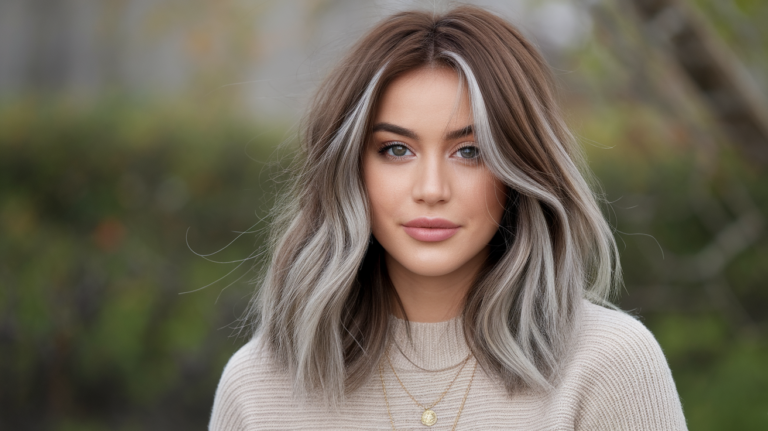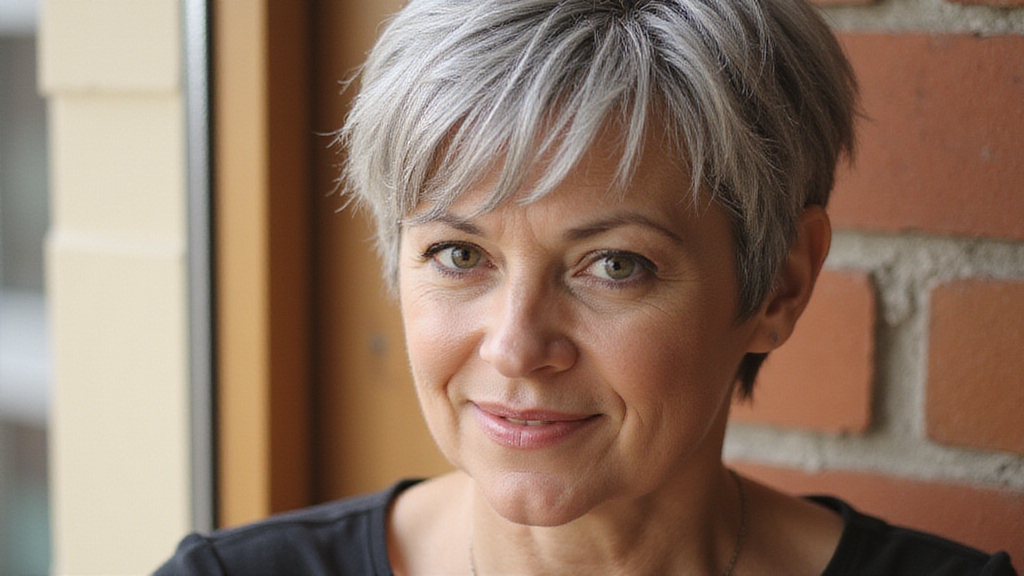
23 Youthful Short Haircuts for Women Over 50
Turning 50 doesn’t mean settling for safe — it means choosing smarter. Short haircuts like textured pixies, modern bobs, and soft face-framing layers can add volume, reduce bulk, and highlight your best features.
You’ll want to match your cut to your face shape, hair texture, and lifestyle. Maintenance schedules, the right products, and a good stylist consultation make all the difference. The styles ahead will show you exactly how to pull it off.
The Classic Pixie Cut That Never Ages
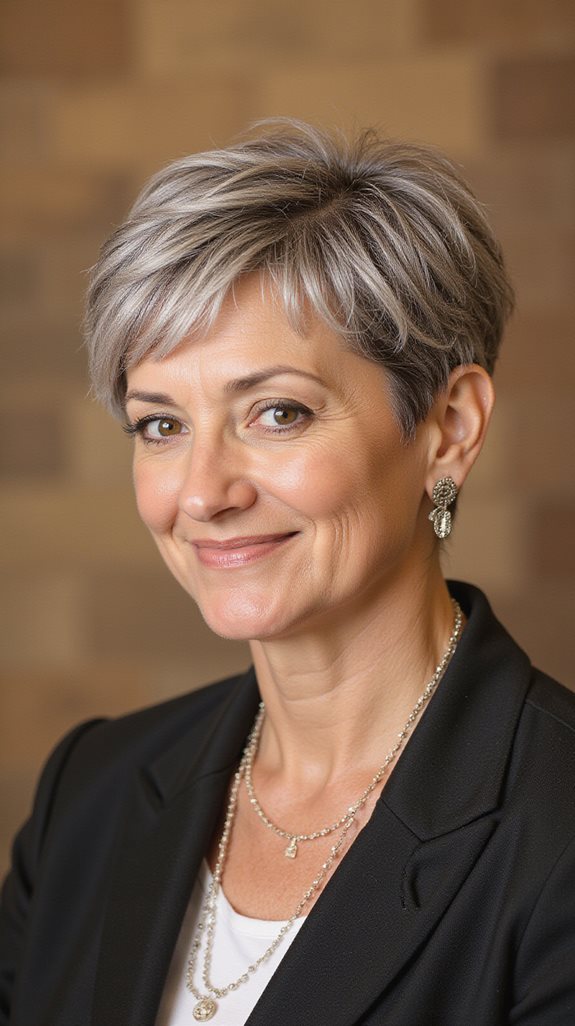
The pixie cut is one of the most structurally flattering short styles for women over 50, as its cropped silhouette draws attention upward toward the face.
It eliminates bulk that can weigh down fine or thinning hair, making it a practical yet polished choice.
Textured pixies add dimension to flat hair, side-swept versions soften angular jawlines, and asymmetrical cuts deliver modern edge without sacrificing elegance.
Scheduling trims every four to six weeks preserves the shape’s clean architecture and keeps the style looking intentional.
A volumizing mousse at the roots and a light pomade help define texture beautifully.
Asking your stylist to razor-cut the ends builds natural movement and prevents the cut from appearing overly stiff or structured.
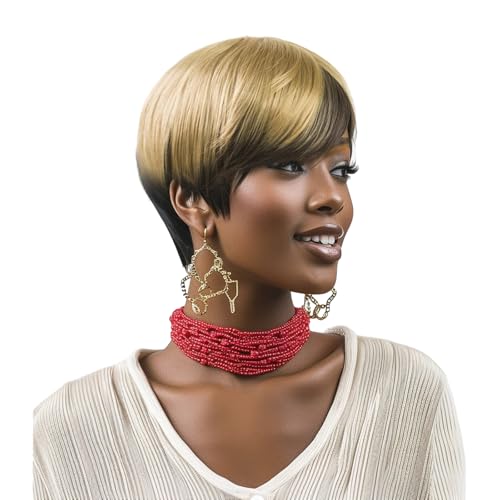


A Textured Pixie for Fine or Thinning Hair
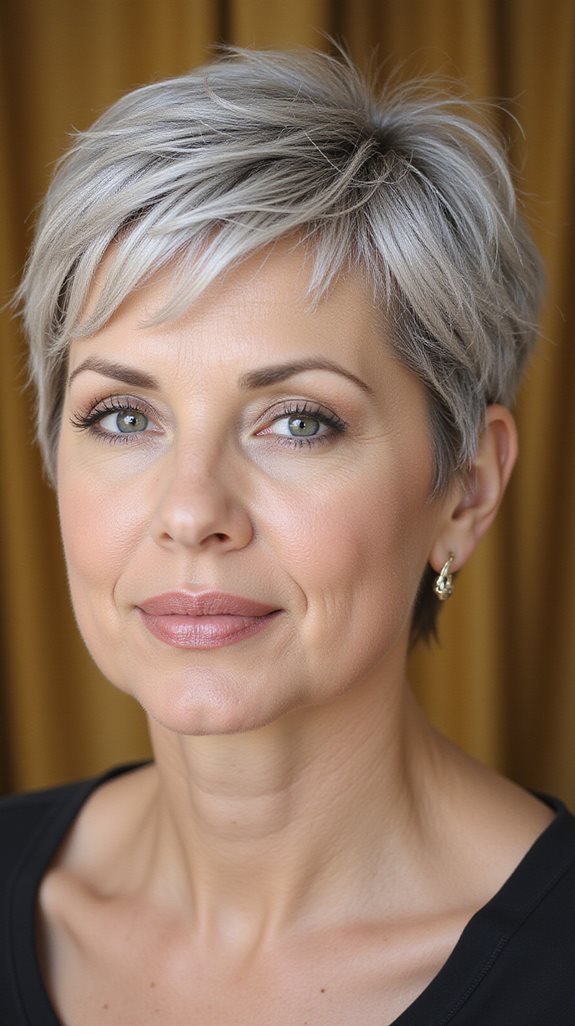
A textured pixie cut is one of the most flattering choices for fine or thinning hair, as strategic layering creates the illusion of fullness and lift.
Point-cutting and razor techniques remove bulk while building movement throughout the crown and sides. Longer, piece-y sections on top can be styled upward with a light pomade or texturizing spray for maximum volume.
Keeping the nape clean and close-cropped creates a deliberate contrast that makes the fuller crown appear even more pronounced.
Touch-up appointments every four to six weeks are essential to preserve the layering structure, since grown-out texture quickly loses its shape. This cut delivers noticeable density without depending heavily on product.


The Bold Undercut Pixie for Women Over 50
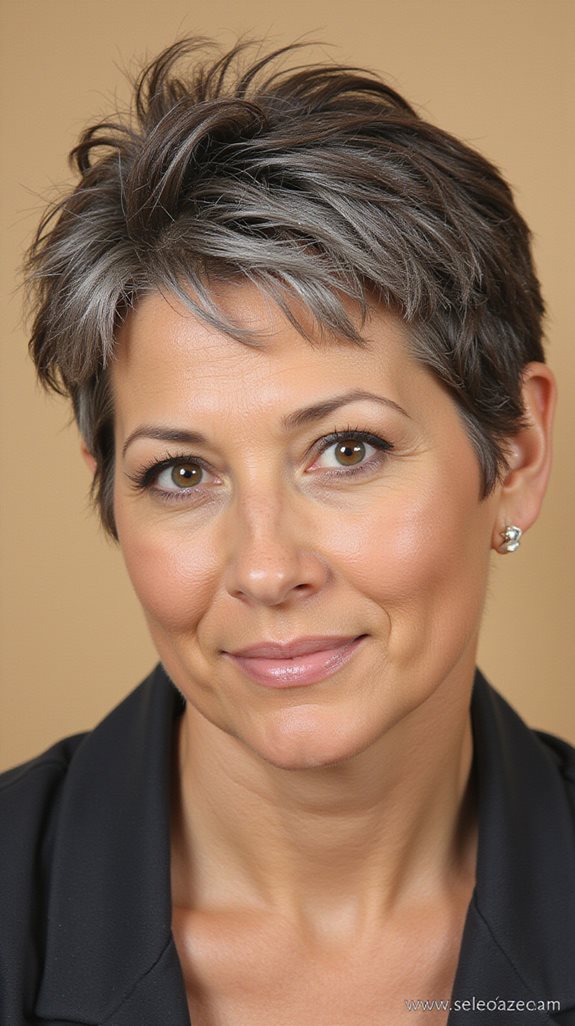
The bold undercut pixie is a striking cut that pairs shaved or closely cropped sides and nape with longer, styled length on top.
This contrast creates a sharp, edgy look that still carries an air of sophistication for women over 50. It ranks among the most statement-making styles available, offering a confident, modern edge.
Asking your stylist for a fade or hard undercut will sharpen the division between sections for maximum impact.
Styling the top with a texturizing paste or pomade and sweeping it to one side adds volume, making it a smart choice for thinning hair.
Touch-up appointments every three to four weeks keep the lines clean and the look intentional.


Soft Pixie Cuts That Frame Your Face Beautifully
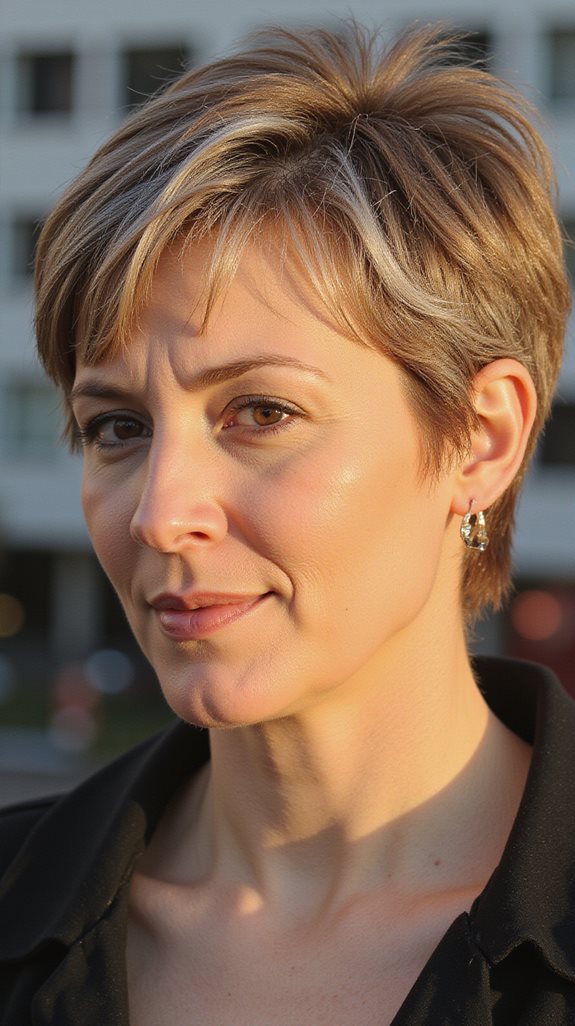
Soft pixie cuts offer a gentle, flattering alternative for women who prefer understated elegance over bold, dramatic styles. Face-framing layers draw attention to the eyes and cheekbones while minimizing visual weight around the jaw.
Longer swept pieces at the temples and forehead paired with a clean tapered back create a balanced, refined silhouette.
Texture is key to making this cut feel effortless and natural rather than stiff or structured. Point-cutting and razor finishing add movement and softness, while a lightweight cream or mousse keeps shape without rigidity.
This style suits oval, heart, and round face shapes best and should be refreshed every five to six weeks.


The Modern Bob Every Woman Over 50 Should Consider
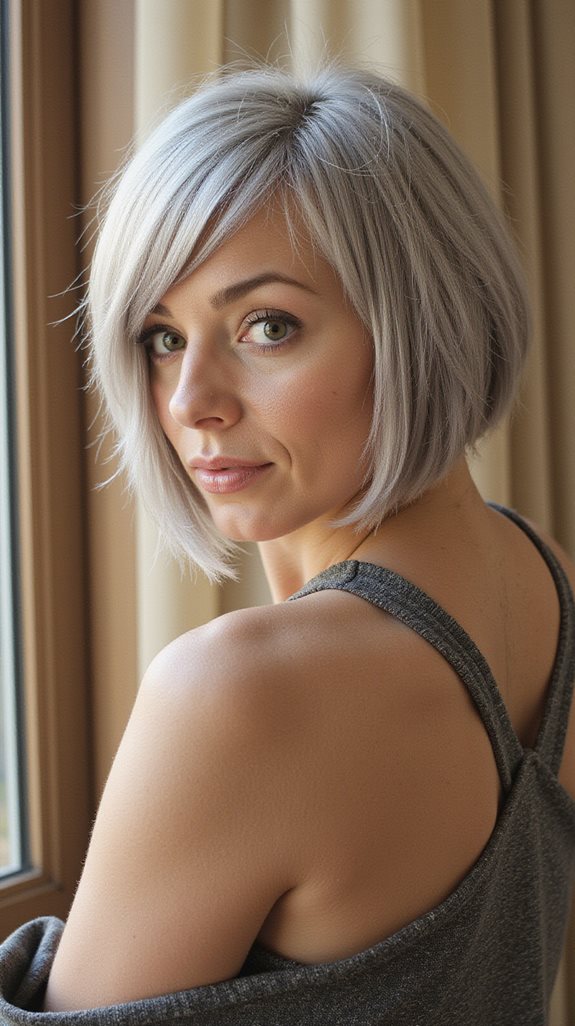
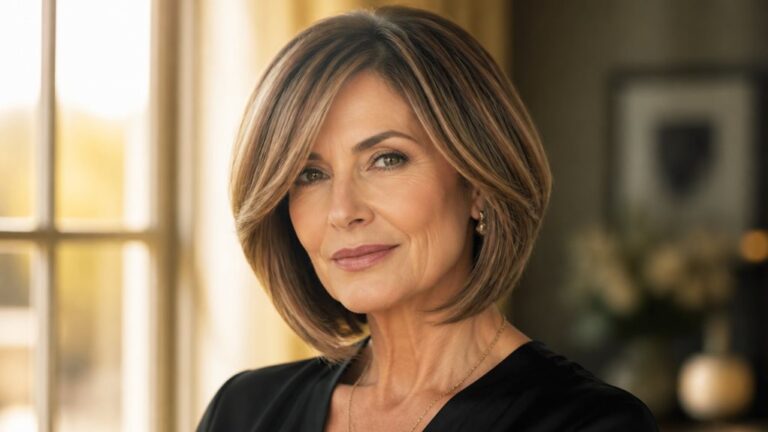
The modern bob has evolved far beyond its classic roots, offering women over 50 one of the most versatile and low-maintenance silhouettes available today.
Subtle asymmetry, textured ends, and strategic layering work together to lift facial features while minimizing heaviness around the jawline. A slight undercut or nape taper reduces bulk without sacrificing the overall shape.
Flattering bob lengths typically fall in the jaw-to-collarbone range, a zone that optimizes cheekbone definition and elongates the neck beautifully.
A lived-in finish over rigid lines creates softer edges that age gracefully and require fewer salon visits. This cut works exceptionally well across fine, coarse, straight, and wavy hair textures alike.

A Layered Bob That Adds Volume and Movement
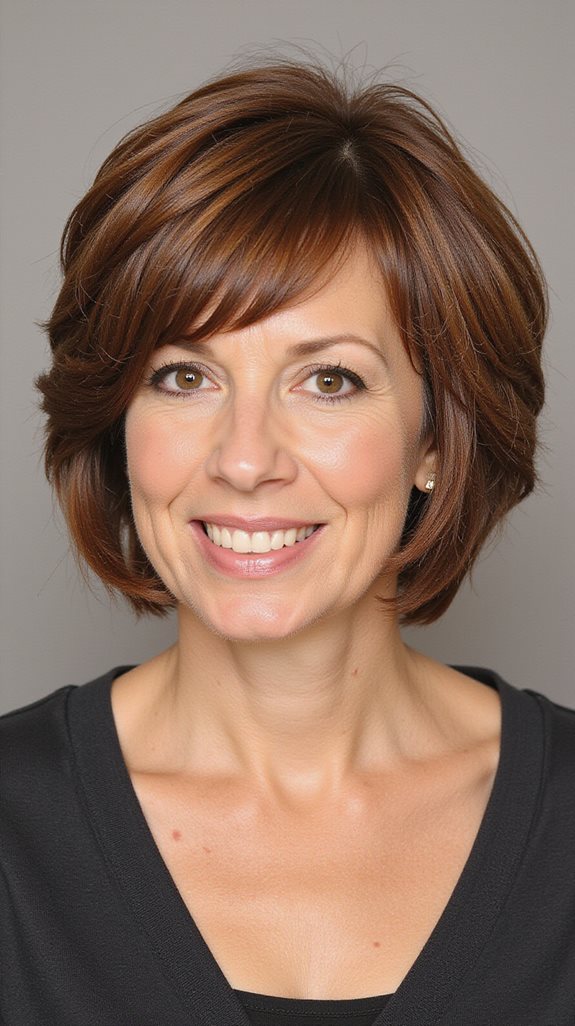
A layered bob is a go-to solution for fine or thinning hair, using precision-cut graduated layers to distribute weight and create the illusion of fuller, denser hair. The layers catch light at different angles, adding texture and visual depth throughout the cut.
Internal layers starting at the jaw line and working upward in 1-inch increments generate bouncy movement that flat, one-length cuts can’t achieve.
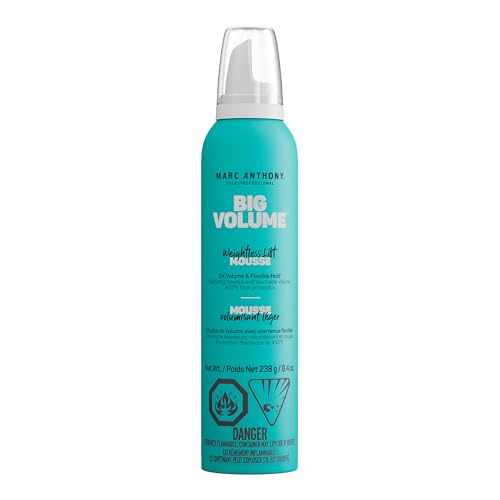
The solid outer perimeter frames the face while interior graduation handles the volume work. A lightweight volumizing mousse applied at the roots and blow-dried with a round brush locks in shape and sustains movement all day.


The Inverted Bob for a Sleek, Polished Look
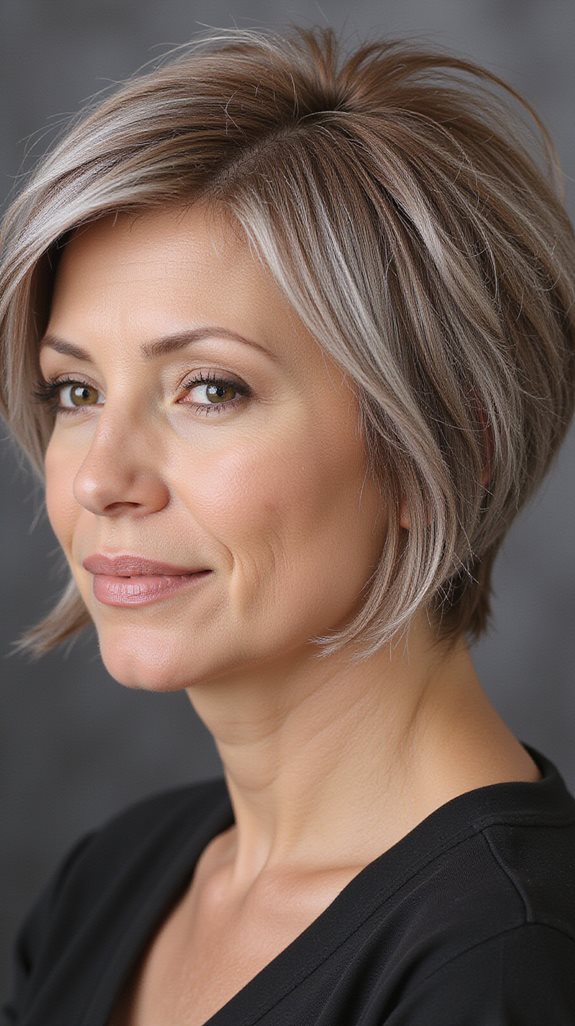
The inverted bob creates a sleek, structured silhouette by stacking weight at the back nape while keeping front panels longer to frame the face.
This distinctive wedge shape is achieved through a steep cutting angle of 45 degrees or more, tapering dramatically shorter at the back. The result is a deliberately polished look that exudes sophistication without requiring excessive daily styling effort.
This cut works best on straight and wavy hair textures, making it a technically sound choice for women over 50 seeking refined structure.
A smoothing serum paired with a flat iron brings out the full impact of the shape. The precision of this cut delivers consistent elegance that leans toward structured sophistication rather than a casual, tousled finish.


Wavy Lob Cuts That Feel Effortlessly Youthful

Wavy lob cuts bring a naturally refreshing energy to women over 50, combining precision layering with soft movement that reads as both polished and relaxed.
The strategic placement of layers at the ends prevents bulk while amplifying texture, giving the hair a bouncy, lived-in quality. A diffuser and light mousse complete the look with minimal effort, producing beachy waves that stay elegant throughout the day.
Your stylist can angle the layers subtly downward to soften jawline definition while preserving a modern silhouette that feels genuinely youthful.
This cut adapts beautifully to natural wave patterns or heat-styled results, making it a consistently reliable choice. The wavy lob delivers effortless femininity without requiring high-maintenance styling routines.


The Shaggy Bob for Women Who Love Texture
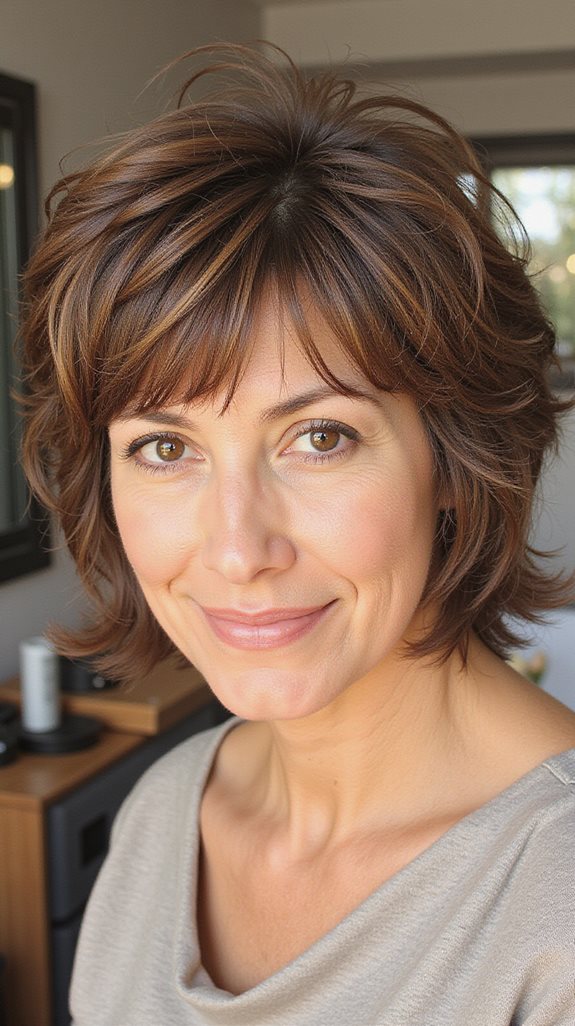
The shaggy bob is built on intentional dishevelment, making it a perfect match for women over 50 who want serious texture without losing structure.
Modern layers cut throughout the crown and ends build movement that reads as deliberate, not dated. Point-cutting and razor work create those signature shaggy textures that separate cleanly without bulk.
Keep the length landing between the chin and collarbone so the layers have enough weight to fall correctly.
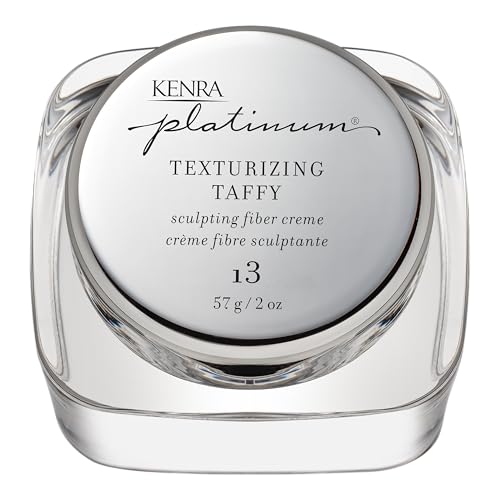
Styling stays minimal — work a texturizing paste through damp hair, scrunch, and diffuse for natural dimension.
This cut performs especially well on fine or medium hair, where strategic layering creates the illusion of fullness and youthful movement.


Side-Swept Bangs That Soften Mature Features
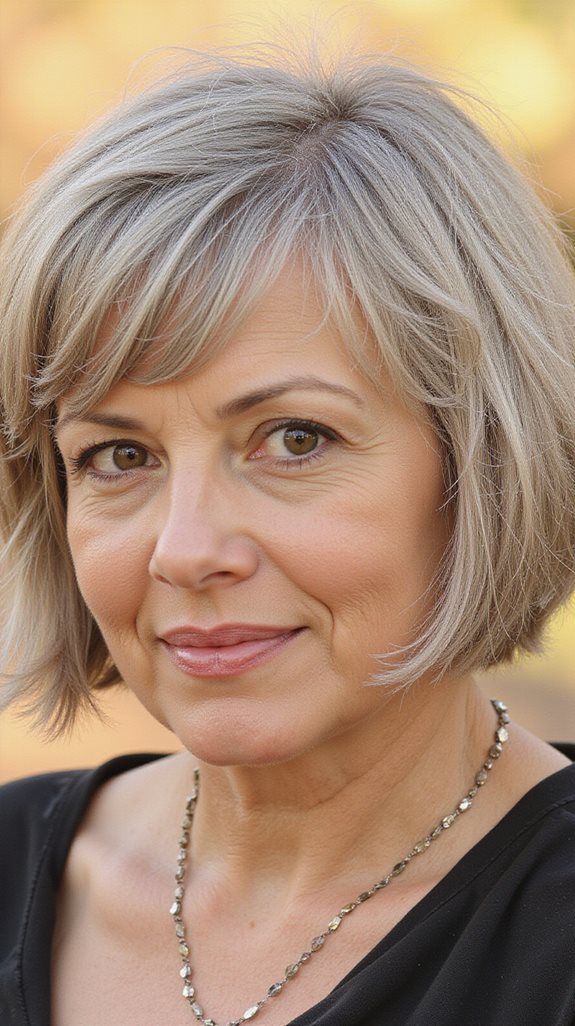
Side-swept bangs are a flattering choice for women over 50, as they gently soften angular or hollowed facial features that naturally develop with age.
Cut at a graduated angle, they redirect visual attention diagonally across the forehead, creating a more youthful and delicate facial silhouette.
Pairing side-swept bangs with face-framing layers adds depth and movement to the overall cut.
Ask your stylist to point-cut the ends for a modern, textured finish, and style them with a round brush swept toward your stronger brow for the most flattering effect.


Blunt Bangs on Short Hair : Do They Work After 50?
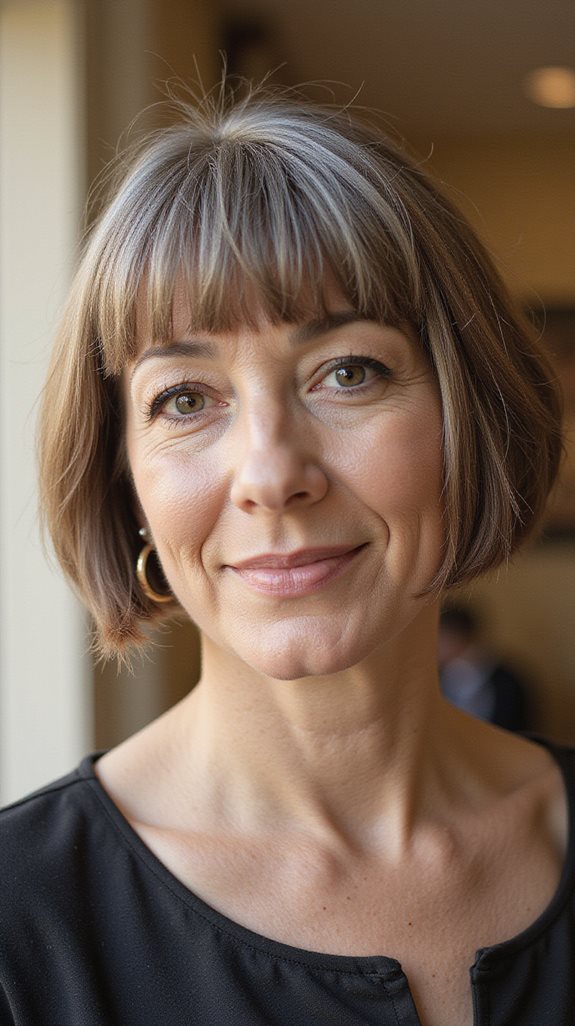
Blunt bangs on short hair can work beautifully after 50 when placement and density are handled correctly.
Landing just above the brow with a slightly tapered thickness prevents a harsh line across the face. Pairing blunt bangs with a textured pixie or cropped bob balances the strong geometric shape effectively.
A skilled stylist will point-cut the ends to soften the blunt edge without losing that bold, directional look.
This technique accommodates fine or thinning hair common after 50 while maintaining a contemporary aesthetic. Blunt bangs, executed with precision, project confidence and modern style at any age.

Curly Short Haircuts That Celebrate Your Natural Texture
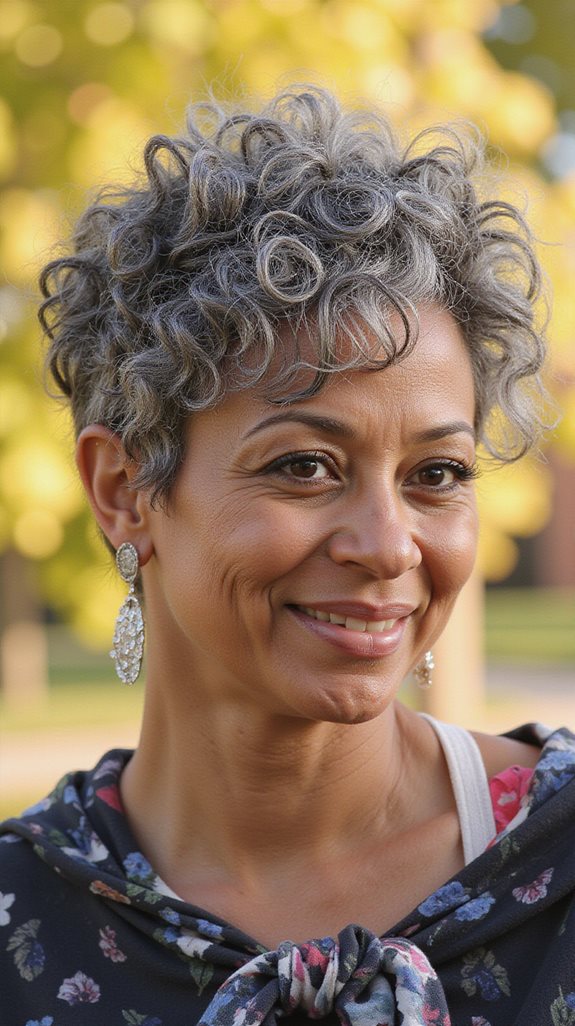
Curly short haircuts are a game-changer for women over 50, letting your natural texture do the heavy lifting. A well-cut curly pixie or tapered curl cut removes bulk while maximizing bounce and definition.
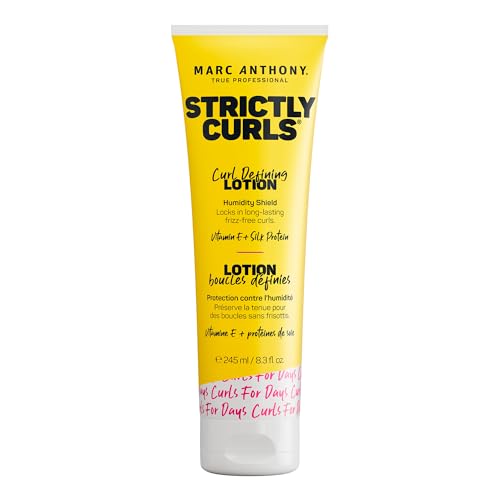
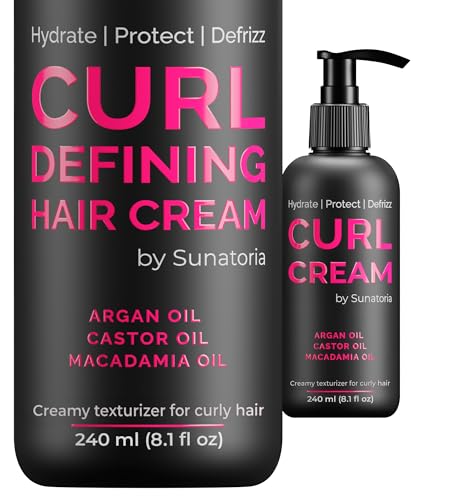
Consistent care makes all the difference — diffuse instead of towel-drying, sleep on satin pillowcases, and refresh curls with a light curl-activating cream or leave-in conditioner. Always request a dry cut so your stylist shapes curls in their natural state.
Shorter curly styles appear fuller and more youthful than longer, stretched-out lengths, so embrace shrinkage rather than fighting it.

The Best Short Cuts for Thick Hair Over 50
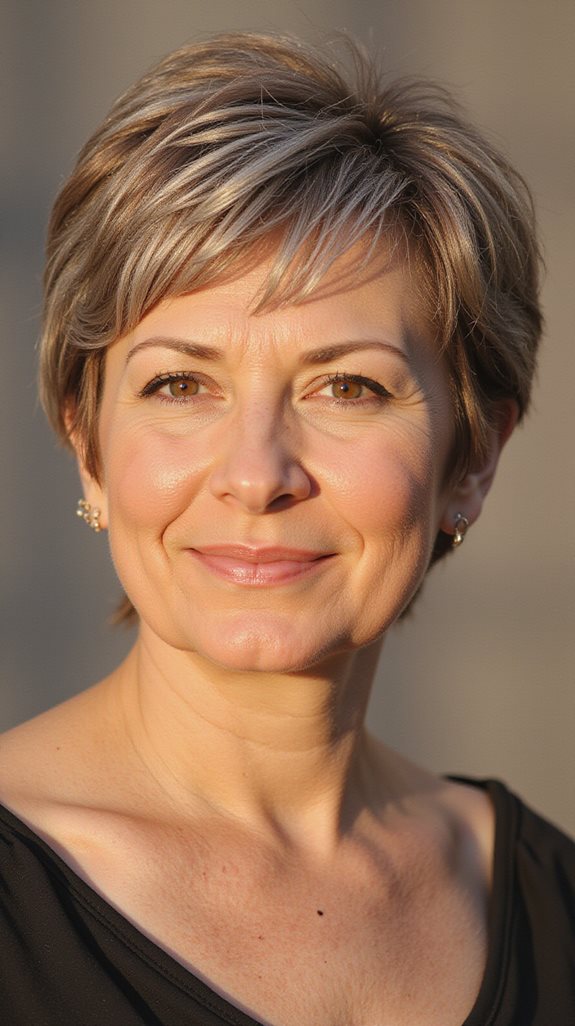
Thick hair over 50 is a genuine asset, but without the right cut, it can read as heavy, dated, or difficult to manage. The right thick haircuts remove bulk strategically rather than uniformly. Ask your stylist for point-cutting and internal texturizing to eliminate weight without sacrificing density.
A stacked bob or disconnected pixie works exceptionally well, creating movement while controlling volume techniques that prevent puffiness. Layered architecture redirects volume upward and inward, keeping sides tapered and the crown lightly razored for polish.
With thick hair, the goal isn’t reduction — it’s intelligent distribution that keeps your style feeling modern, effortless, and entirely your own.


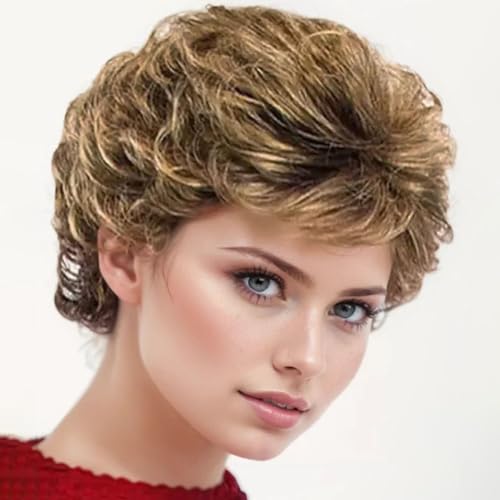
Short Hairstyles That Work With Gray or Silver Hair
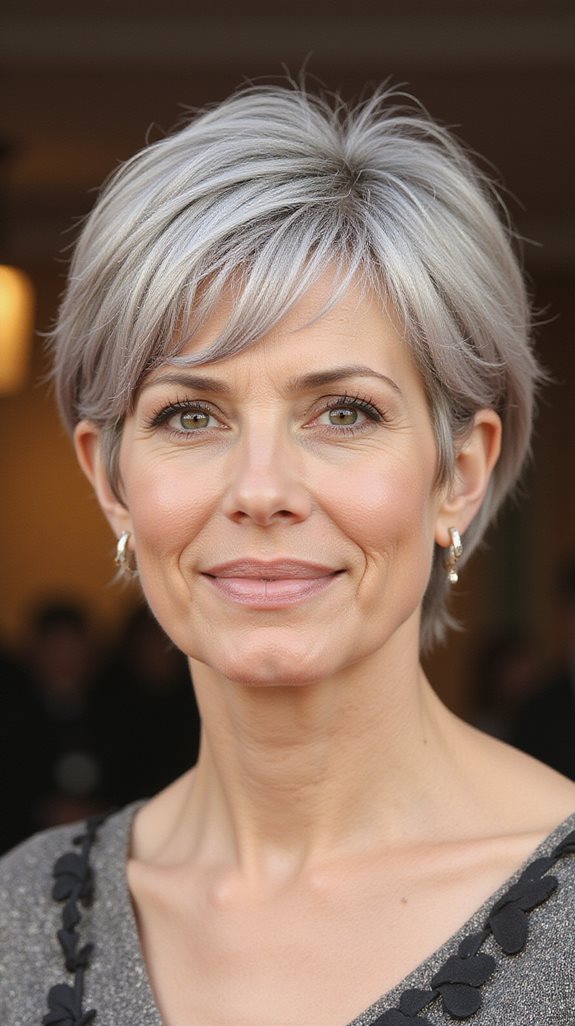
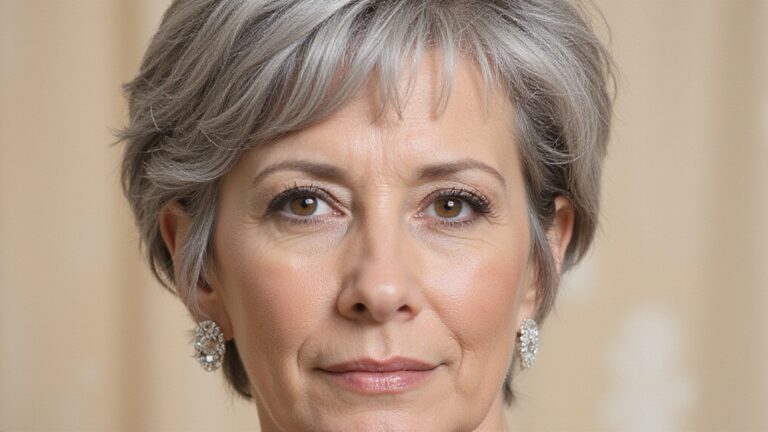
Gray and silver hair carries a natural luminosity that short cuts can highlight with the right shape and texture. Pixie cuts with layered texture catch light to make silver tones look dimensional, while a sleek bob with sharp lines plays up salt-and-pepper contrast beautifully.
Cuts with movement — like tapered napes or razored ends — keep silver hair from reading flat or heavy.
Styling gray hair calls for lightweight serums or glossing sprays rather than heavy creams that mute natural sheen. Purple or blue toning shampoos used weekly neutralize yellowing and preserve the brightness of silver tones.
These small maintenance steps keep short gray hairstyles looking polished, intentional, and unmistakably modern.


Balayage and Highlights on Short Hair Over 50
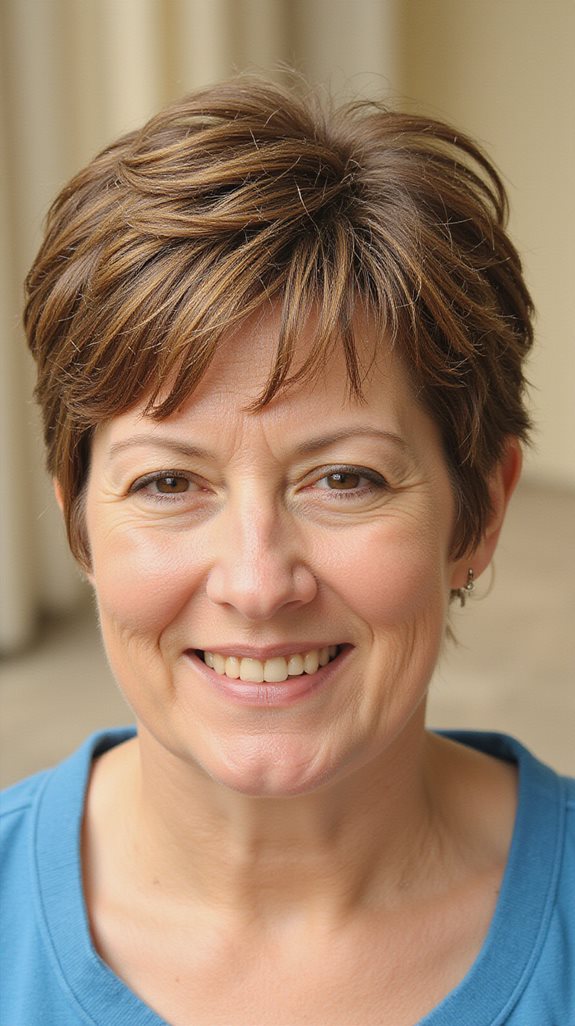
Balayage and highlights add beautiful dimension and depth to short hair over 50, drawing light toward the face to flatter aging skin tones. Warm caramel, champagne, or cool ash tones work best, complementing your complexion rather than competing with it.
Techniques like babylights and face-framing pieces blend seamlessly into pixies and bobs for a natural, polished finish.
Spacing color appointments every eight to twelve weeks keeps hair healthy while allowing color to grow out gracefully with minimal upkeep.
UV-protective products help preserve tone and maintain vibrancy between salon visits. Dimensional brunette and smoky silver are trending shades that elevate short cuts without demanding constant maintenance.

Low-Maintenance Short Cuts for a Busy Lifestyle
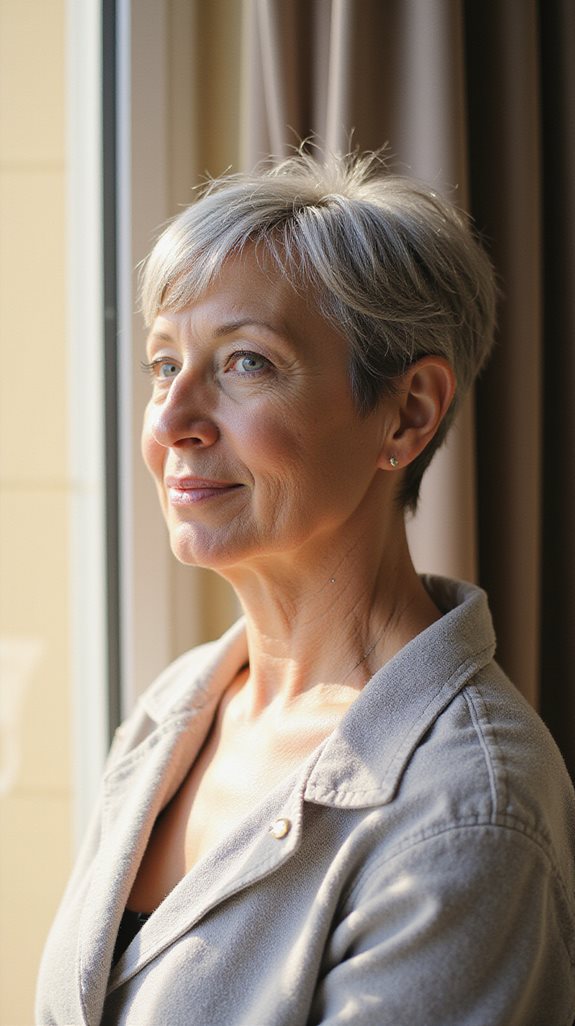
Low-maintenance short cuts are designed to simplify your routine without compromising on style. Options like the textured pixie, tapered bob, and cropped layers are engineered to work with your natural texture, cutting down your morning prep time significantly.
Precision cutting builds structure into the style itself, meaning product use stays minimal. A tapered neckline or undercut keeps the look sharp longer between salon visits, which typically fall every six to eight weeks.
A lightweight pomade or texturizing spray is all you need to keep these cuts looking polished daily.

Wash-and-Go Short Styles That Actually Look Styled
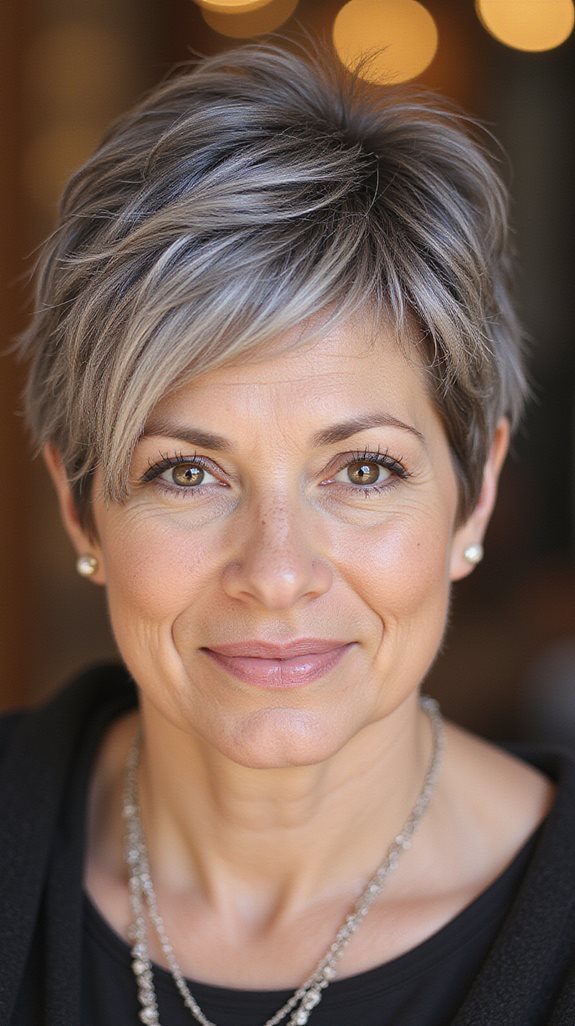
Wash-and-go short styles work best when the cut itself does the heavy lifting. Pixies with longer tops and tapered sides hold their shape as hair dries, reducing the need for constant restyling.
Point-cutting and razor work built into the cut create texture that moves naturally without product dependency.
Moisture retention is key to making these styles land right every time. Apply a curl-enhancing cream or light pomade to damp hair and allow it to air-dry for definition without stiffness.
Blunt, one-length cuts collapse when wet, so intentional layering is non-negotiable for a consistently polished result.


Which Short Haircut Suits Your Face Shape?
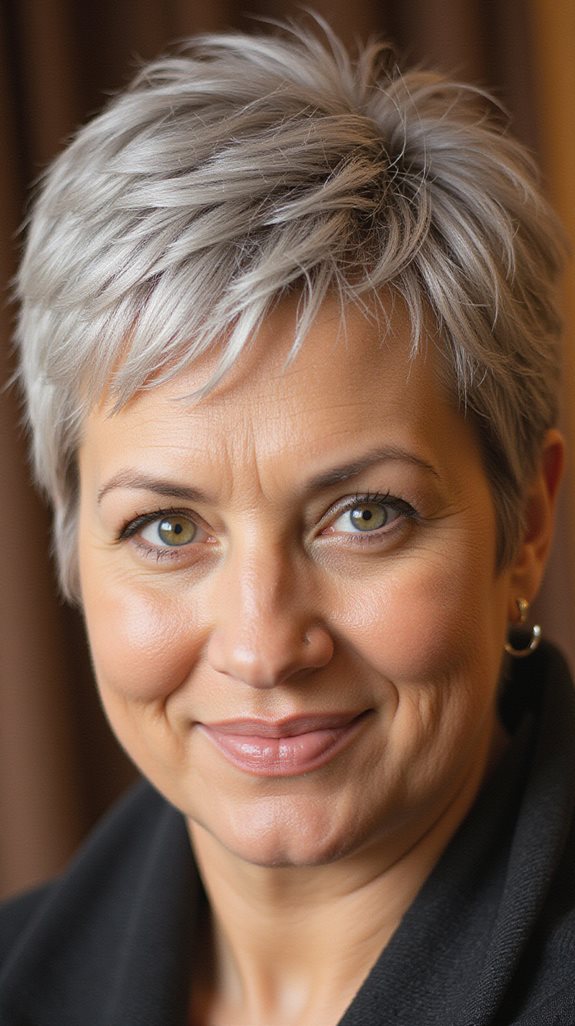
Your haircut’s success depends not just on texture or length, but on how its silhouette complements your natural face shape.
Stylists use face shape assessments during consultations to strategically place structure, volume, and softness where they matter most.
Oval faces can pull off nearly any short style, while square faces benefit from soft, textured layers that soften the jawline.
Round faces need crown height with minimal side width, and heart-shaped faces balance best with chin-grazing cuts or side-swept bangs.
Oblong faces need added width rather than height, making tall pixie tops a style to skip.
You can measure your face shape at home with a mirror and tape, then bring those findings to your next hairstyle consultation for precise recommendations.


Short Hairstyles That Complement Glasses
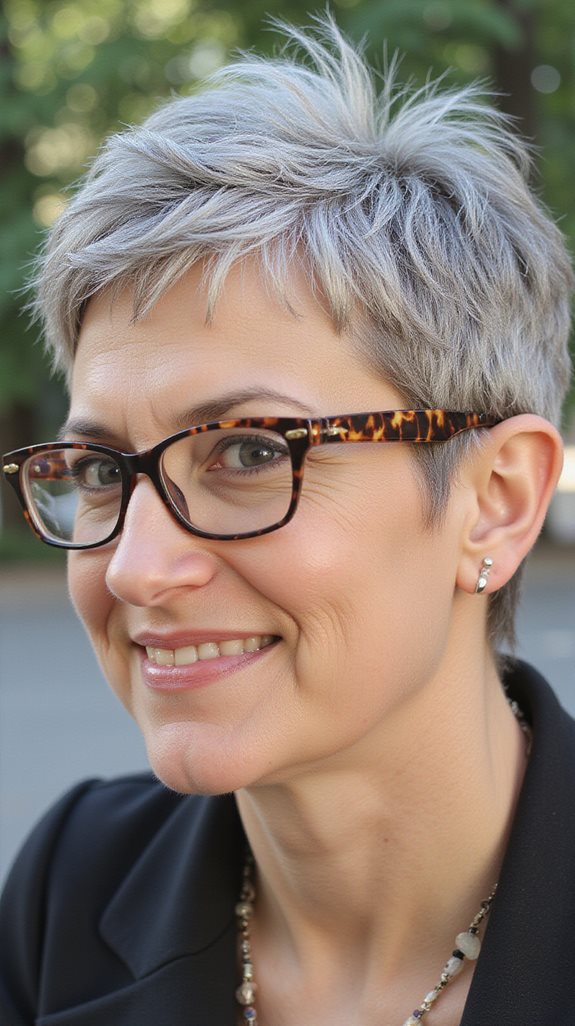
Glasses are a dominant facial feature, and your short haircut needs to work with your frames, not compete against them. Bold glasses styles, like thick cat-eye or oversized frames, pair best with textured pixie cuts or tousled bobs that balance their visual weight.
Delicate wire-frame glasses call for sleek, polished styles that keep the focus on your frames.
Avoid heavy, voluminous cuts around the temples, as they clash with wider frames — keep the sides tapered and add height at the crown instead. Side-swept bangs work particularly well, drawing attention upward and creating a harmonious visual line with your frames.
Statement frames already do the heavy lifting, so let your haircut complement rather than compete.


How to Ask Your Stylist for the Right Short Cut
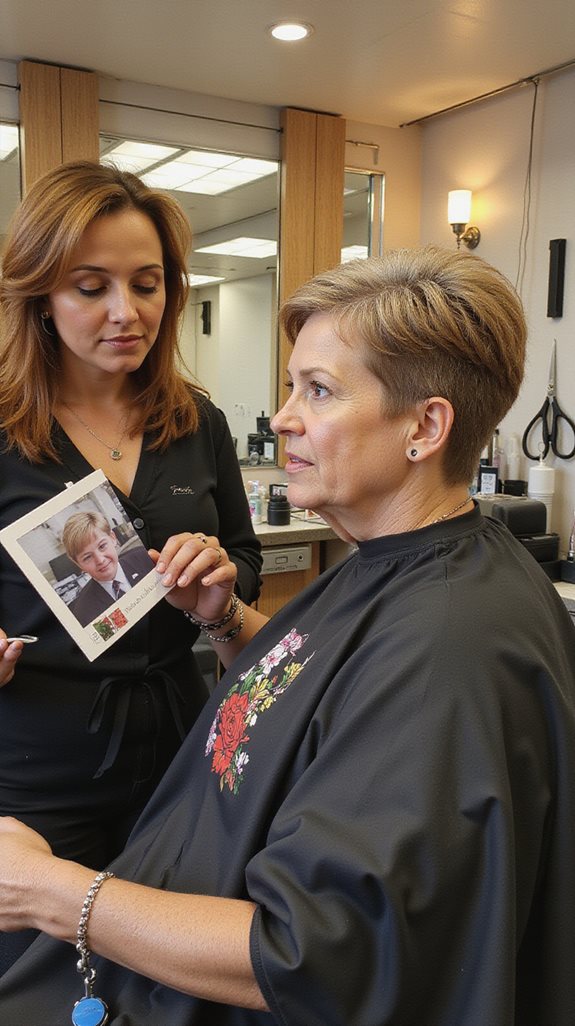
Communicating clearly with your stylist is the difference between walking out with the cut you envisioned and spending weeks growing out a mistake.
Master basic haircut terminology before your appointment, knowing whether you want a pixie, bob, lob, or undercut. Understand the difference between texturizing and thinning before you sit in that chair.
Bring reference photos showing multiple angles and be specific about length using inches rather than vague descriptors. Discuss your face shape, hair texture, and lifestyle openly, including how much time you’ll realistically spend styling each morning.
Ask about maintenance frequency and upkeep costs upfront, and raise any questions before scissors ever touch your hair.


Growing Out a Short Haircut Gracefully After 50
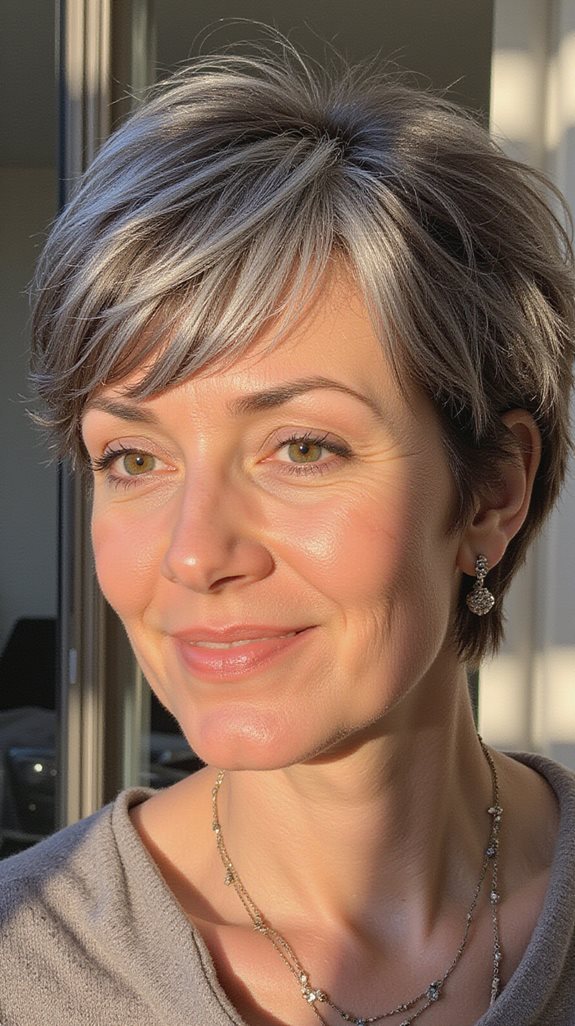
Growing out a short haircut after 50 means working with your stylist to maintain shape while letting length develop.
Scheduling trims every six to eight weeks prevents the dreaded awkward phases and keeps your style looking intentional throughout the process.
Hair growth averages about half an inch per month, so patience paired with a smart plan makes all the difference.
Knowing your face shape helps determine whether a bob or lob suits you best during the transition, keeping every stage polished and age-defying.

Celebrity Short Haircuts Proving 50 Is Fabulous
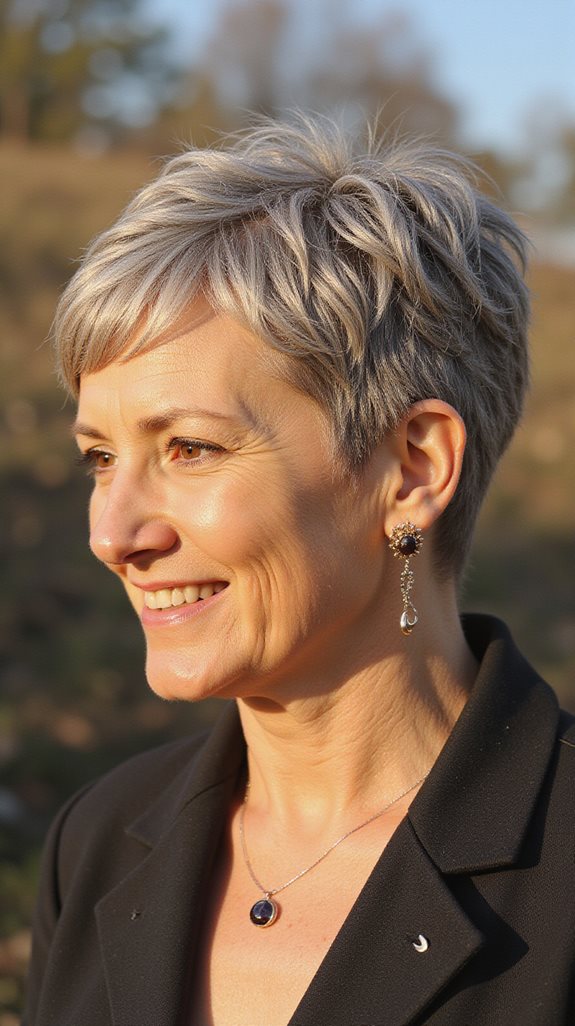
Short hair after 50 can look polished, powerful, and undeniably chic — and Hollywood proves it consistently. Halle Berry’s tapered pixie, Helen Mirren’s textured crop, and Sharon Stone’s sleek silver layers all demonstrate that precision cutting transforms mature hair beautifully.
These looks succeed because every element works together deliberately — facial structure, texture management, and color placement all play a role.
Replicating that intentionality starts with bringing reference photos to your stylist, specifying your face shape, and discussing your hair’s current density. A Hollywood budget isn’t required — just the right strategy and confidence.


The Right Hair Products for Short Hair Over 50
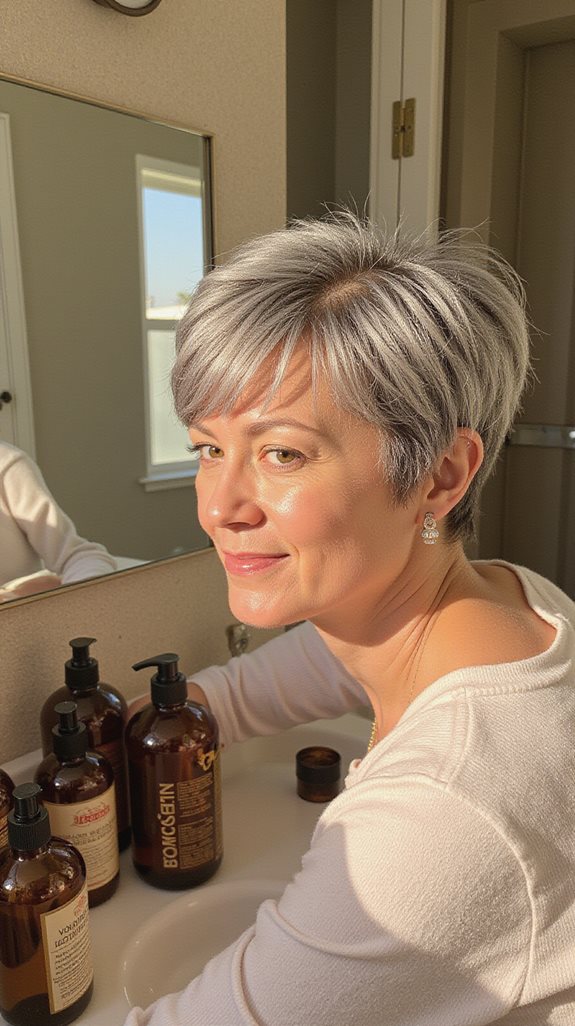
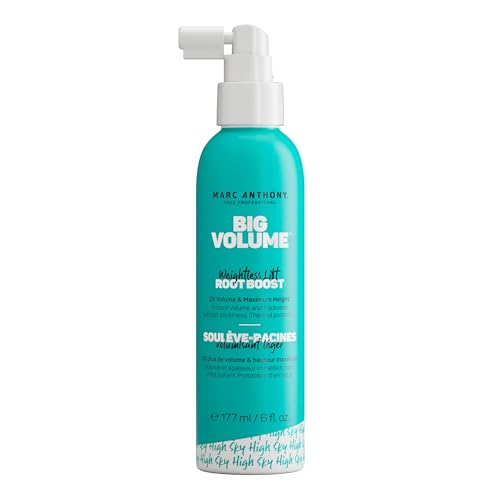
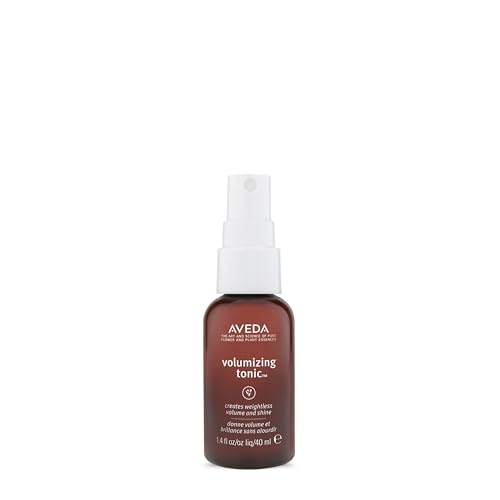
The right products make all the difference for short hair over 50, where texture changes and fine strands require a more intentional approach.
A volumizing, sulfate-free shampoo paired with a lightweight conditioner applied mid-shaft keeps hair moisturized without weighing it down.
Flexible-hold creams or mousse replace heavy waxes to maintain structure without flattening fine hair.
A thermal protectant shields strands during heat styling, and a micro-mist hairspray locks in movement without stiffness.


Frequently Asked Questions
Can Hormone Changes After Menopause Affect How Short Haircuts Hold Their Shape?
Yes, hormonal impact post-menopause affects your hair’s texture and density, making hairstyle maintenance trickier. You’ll need stronger-hold products and more frequent trims to keep your short cut looking polished and youthful.
Are There Specific Scalp Care Routines Recommended Alongside Wearing Short Hairstyles?
Yes, you’ll want to prioritize scalp exfoliation weekly to remove buildup and boost circulation. Apply hydrating masks monthly to combat dryness. These targeted steps keep your scalp healthy, ensuring short styles look polished and hold their shape effectively.
How Does Hair Porosity Impact Styling Short Cuts for Women Over 50?
Your hair porosity directly shapes your styling techniques. If you’ve got low porosity, use lightweight serums; high porosity needs heavier creams to seal moisture. Tailor your approach for polished, youthful short cuts.
Can Short Haircuts Affect How Younger or Older a Woman’s Neck Appears?
Yes, short haircuts absolutely influence neck elongation through hairstyle illusions. You’ll appear younger by choosing styles that taper at the nape, creating vertical lines that lengthen your neck and minimize horizontal width.
Do Short Haircuts Require More Frequent Trims Than Longer Hairstyles Typically Do?
Yes, short haircuts demand higher trim frequency than longer styles. You’ll need haircut maintenance every 4–6 weeks to keep your cut’s shape crisp, whereas longer hairstyles typically allow 8–12 weeks between salon visits.
Finally
You’ve now got everything you need to choose a short haircut that works *for* you after 50—not against you. From precision pixies to textured bobs, you’re equipped with the cuts, the styling products, and the stylist communication strategies that’ll keep you looking current.
Don’t settle for outdated styles that age you. Use what you’ve learned here, book your appointment, and step into a sharper, more confident version of yourself.