25 Bob Haircuts for Women Over 50
A bob lifts the face by ending right at the jaw, and most versions style in ten minutes with a round brush. The word covers two dozen very different cuts, though, and the wrong one can make fine hair look thinner or thick hair puff out into a triangle.
These bob haircuts for women over 50 come with notes on which ones suit fine, thick, curly and gray hair, plus what to tell your stylist so you leave with the cut in the photo.
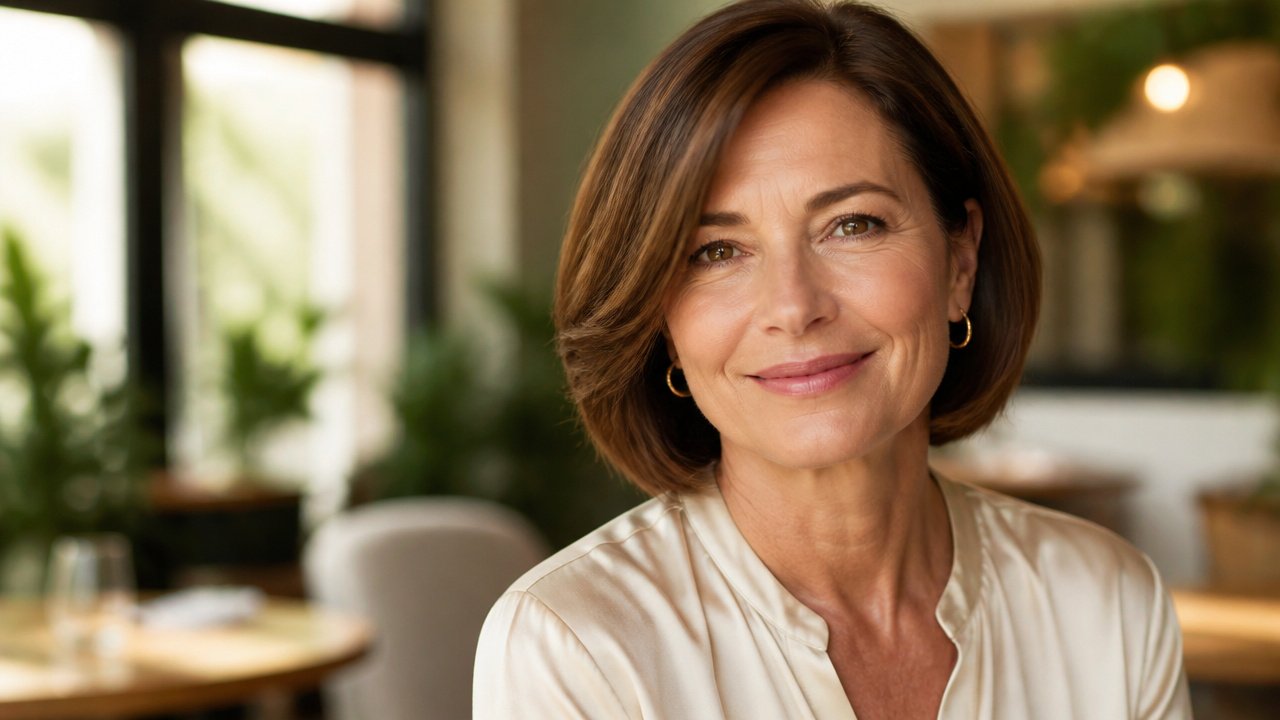
1. Classic Chin-Length Bob

Start here if you’ve never had a bob. A blunt, one-length cut that ends at the chin makes fine hair look thicker, because every strand stops at the same line and the ends look full.
Put the hemline at the bottom of your chin rather than the jawbone. That half inch keeps the cut from looking severe.
A blunt line shows every week of growth. Plan on a trim every six to eight weeks to keep it clean.


2. Soft Layered Bob
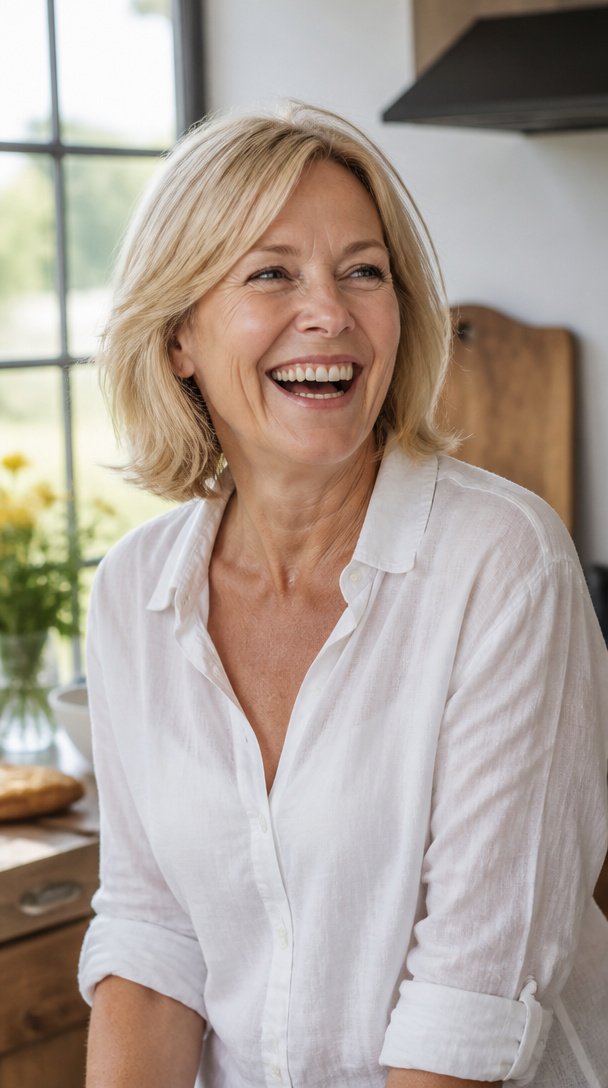
Layers cut into the crown give fine hair lift without teasing. Keep them long and few, starting below the cheekbone, so the ends still look full.
Short choppy layers take too much hair away from a fine bob and leave the ends wispy. For more shapes built around this hair type, the bob hairstyles for fine hair gallery shows 24 of them.
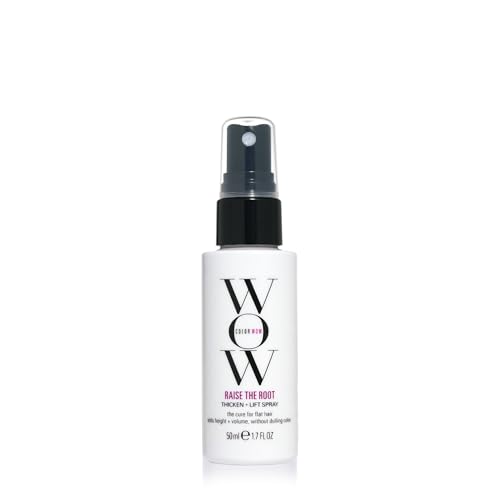
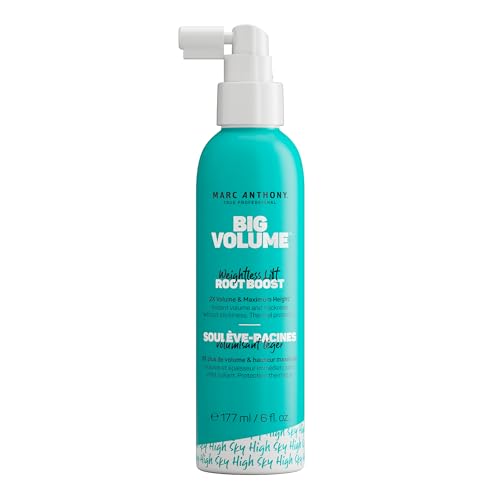
Mist a volumizing spray at the roots and blow-dry with your head flipped upside down. That gets most of the height in two minutes.

3. Stacked Bob
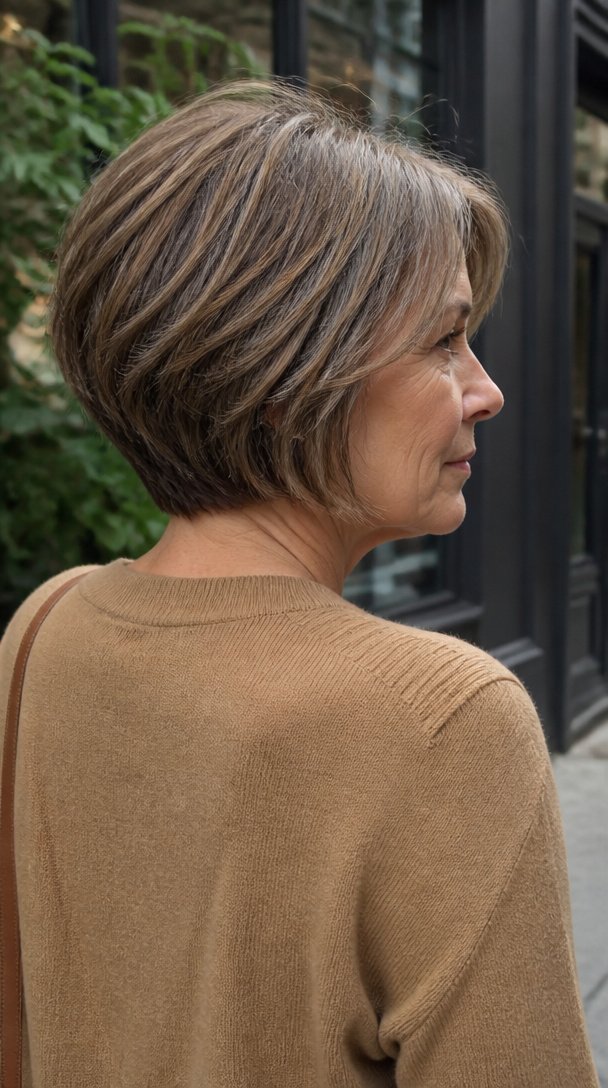
A stacked bob builds height at the back of the head with short graduated layers at the nape. From the side, it gives the head a rounded shape that flat hair at the crown often lacks.
The nape needs a confident hand with clippers or scissor-over-comb work. Look at photos of a stylist’s stacked cuts before you book.
The back grows out fast, and you’ll notice the shape softening around week five.


4. Inverted A-Line Bob
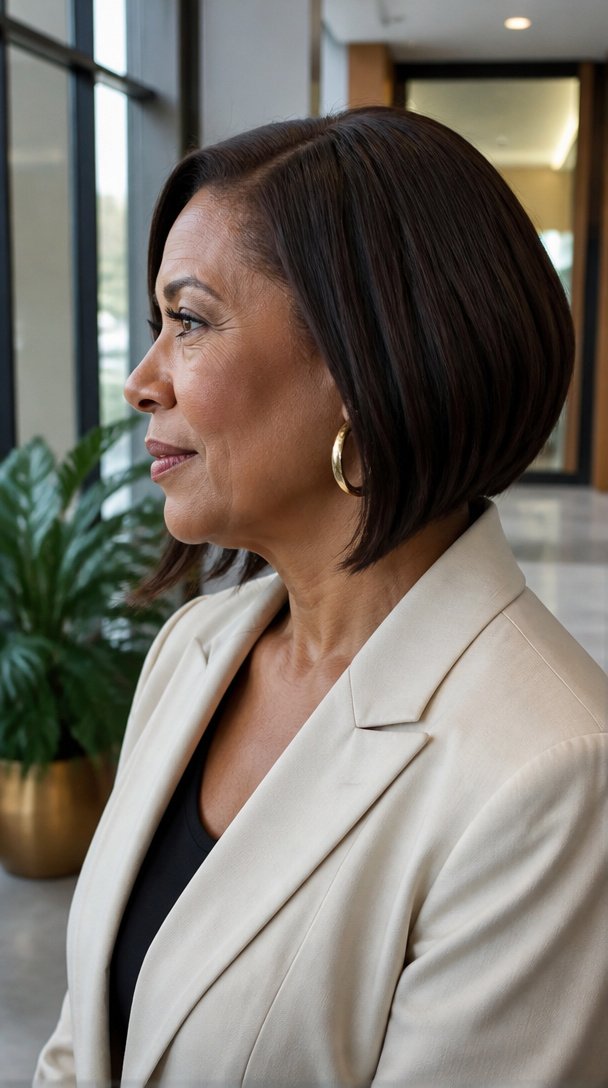
Hair that’s thick at the nape and thinner at the sides is the best match for an A-line. The cut keeps the back short and lets the front fall past the chin, which balances the weight.
Relaxed or straight hair shows the angle best. A smoothing serum and one pass of a flat iron over the front pieces keep the line crisp.
The front pieces brush your collar and can flip up against a high neckline. Bend them in with the flat iron and they stay put.


5. French Bob With Bangs
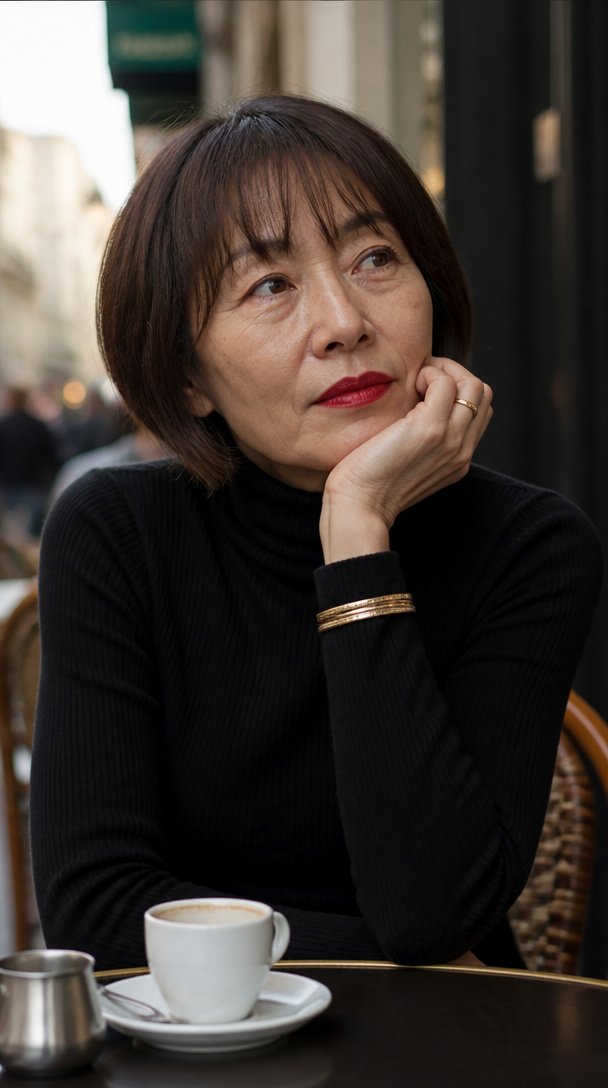
The French bob is the shorter of the two European bobs, cut at or above the chin with bangs that graze the brows. It’s meant to look a little undone, so it suits straight hair or soft natural waves.
Bangs soften forehead lines and pull attention to the eyes. Red lipstick and a black turtleneck finish the look.
Bangs need a trim every three to four weeks to stay out of your eyes. Many salons offer quick bang trims between full cuts.


6. Natural Wavy Bob
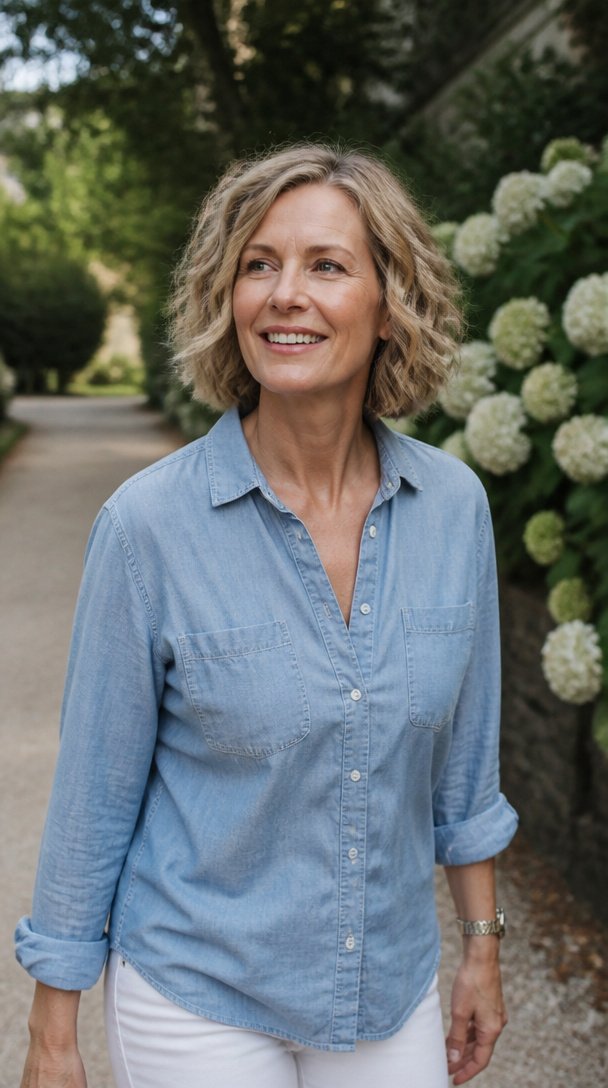
If your hair has a natural wave, a chin-length bob lets it show. Long hair pulls waves straight under its own weight. Cut shorter, the same hair springs up.
Scrunch a wave cream into damp hair and air-dry or diffuse. Keep the brush away once it’s dry.
Humidity pushes waves into frizz. Mist an anti-humidity spray before you head out on muggy days.


7. Silver Blunt Bob
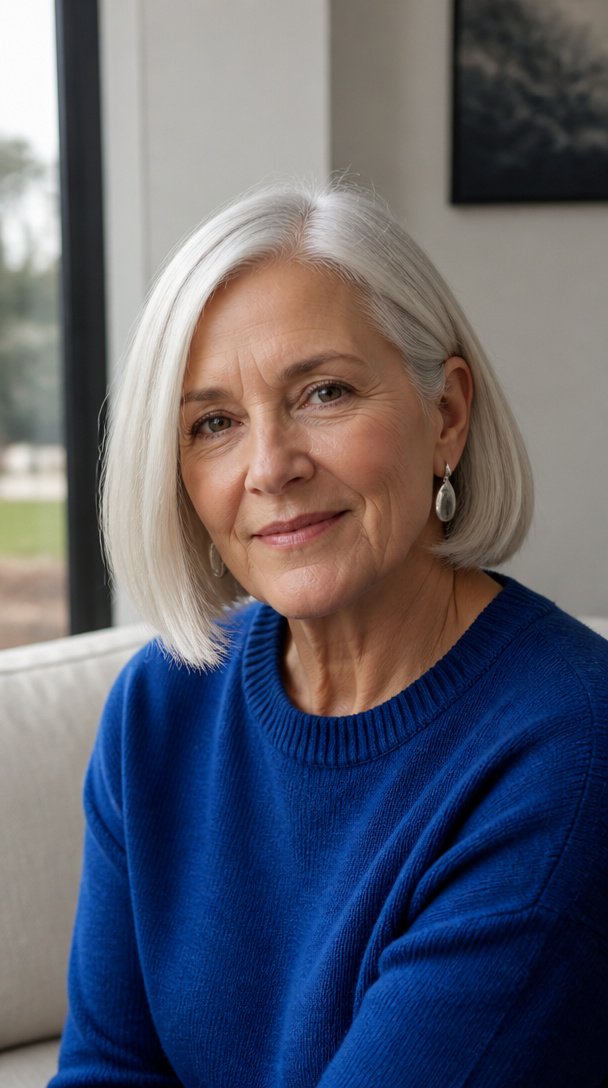
A crisp blunt line makes silver hair look chosen rather than grown out. The sharper the cut, the more polished the gray looks.
Growing out dyed hair? A short cut clears the old color faster than long hair does, and it skips the hard band where gray meets dye.
Silver picks up a yellow cast from heat and hard water, and a weekly purple shampoo keeps it bright. There are 22 more silver looks in the guide to gray hairstyles for women over 50.


8. Shaggy Bob
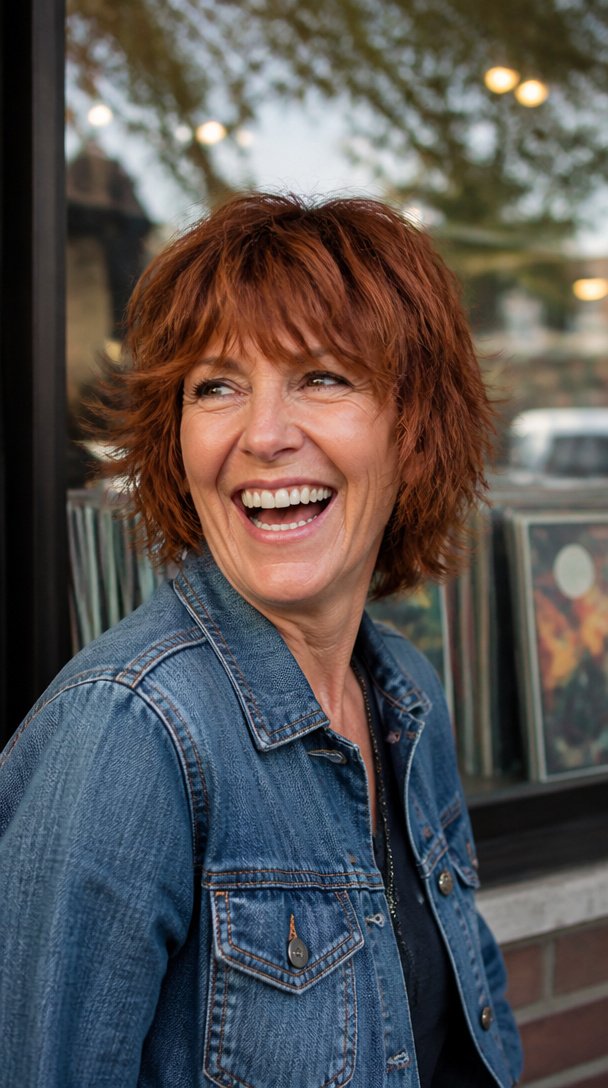
Choppy layers all over and a wispy fringe give a shaggy bob its rock-and-roll texture. It suits thick or wavy hair with enough body to show the layers.
Rough-dry with your fingers, then twist a few pieces around a curling wand. It’s supposed to look messy.
On fine hair, a shag thins the ends too much. Fine hair gets movement from the soft layered version without losing fullness.


9. Deep Side-Part Bob
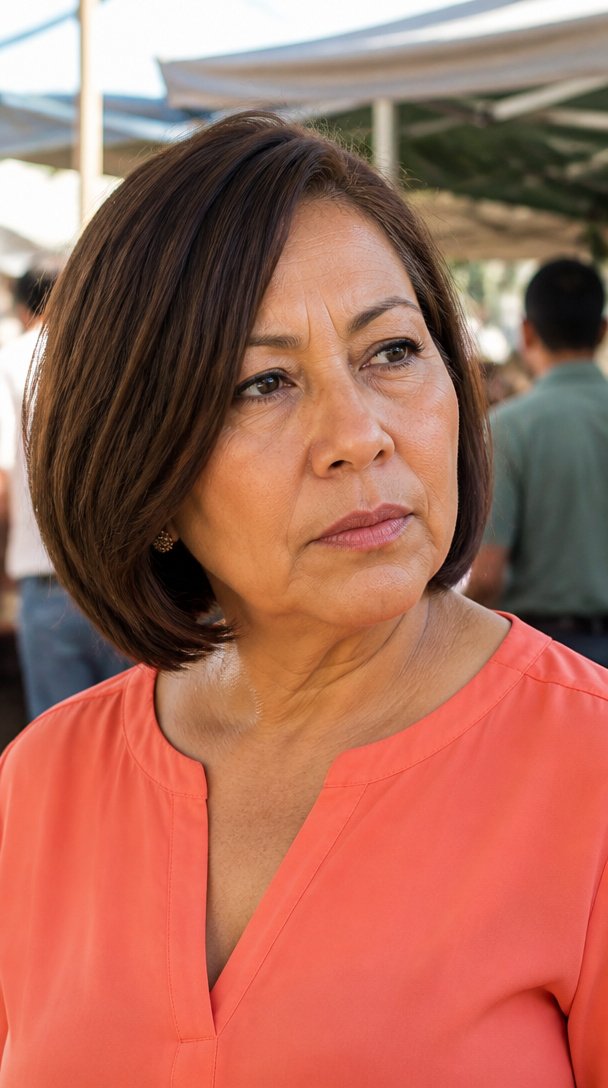
A deep side part changes a bob without a new cut. The heavier side sweeps across the forehead, and the shorter side shows off the cheekbone.
This one works on round faces, because the diagonal line breaks up the width.
A part that’s sat in the middle for years will fight you at first. Blow-dry it to the new side while it’s wet, every wash, and it settles within a week or two.


10. Collarbone Bob

A collarbone bob is the longest cut that still counts as a bob. It suits women who want a change and still like the option of a ponytail.
A soft bend at the ends keeps it from looking like a grown-out cut. Use a large round brush or a 1.5-inch curling iron.
Go much past the collarbone and you’re into lob territory, which cuts and styles differently. The bob vs lob comparison breaks down which length suits your face.


11. Natural Curly Bob
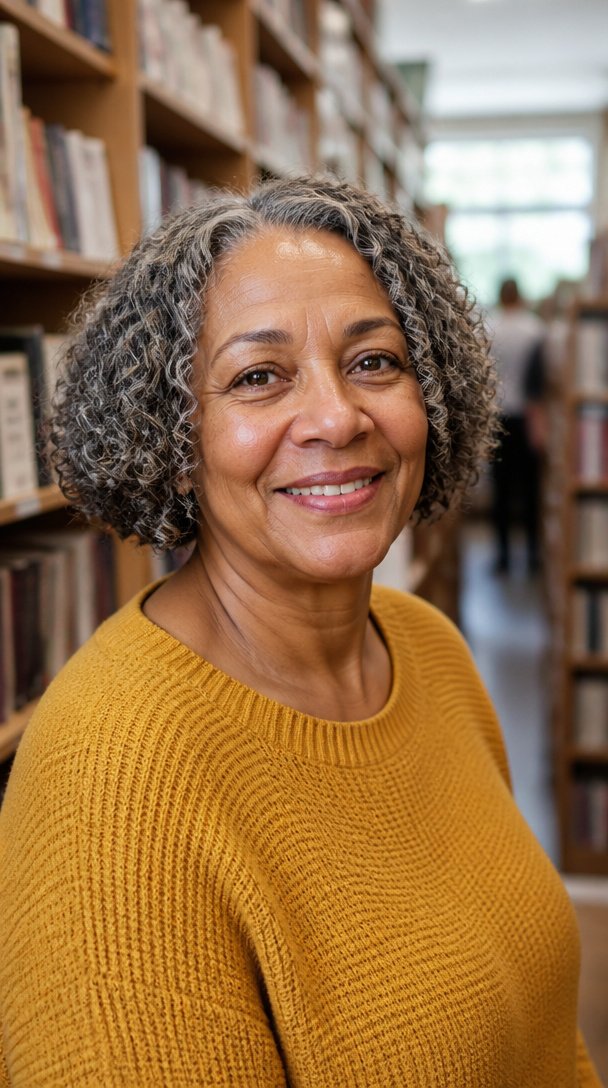
Curly hair needs a different kind of bob. A stylist carves the curls so they nest together, which keeps the cut from puffing out into a triangle.
Book a dry cut. Curls shrink as they dry, and a wet cut can leave the bob two inches shorter than you planned.
Gray coils tend to be drier, so work a leave-in conditioner through on wash days. The curly bob hairstyles gallery has 23 more shapes for different curl patterns.


12. Asymmetrical Bob
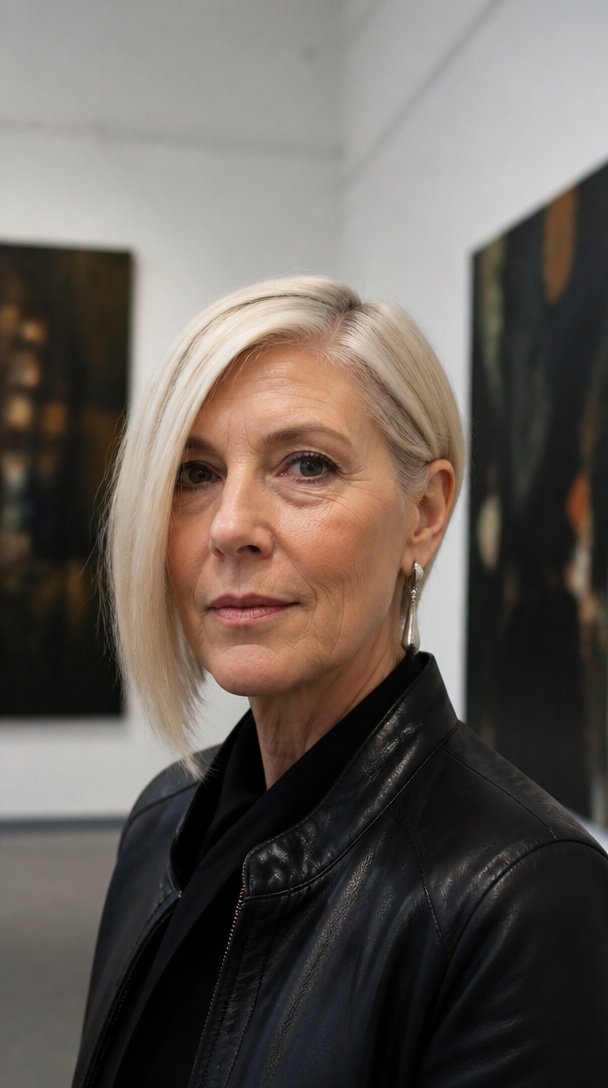
One side tucked short, the other falling past the chin. An asymmetrical bob is the boldest cut on this list, and texturing the ends removes weight and damaged tips in the same appointment.
Platinum and icy blonde show the line best. On very dark hair, the shape can get lost against a dark top.
You’ll be committed for a while. Evening out an asymmetrical cut takes two or three trims.


13. Bob With Curtain Bangs

Curtain bangs split in the middle and sweep out to the cheekbones, so they frame the face without covering it the way straight bangs do.
They grow out into face-framing layers, which makes them a low-risk way to try bangs for the first time. Blow-dry each side with a small round brush, rolling away from your face.
A cowlick at the hairline can split curtain bangs in odd places. Mention any cowlick to your stylist before the scissors come out.

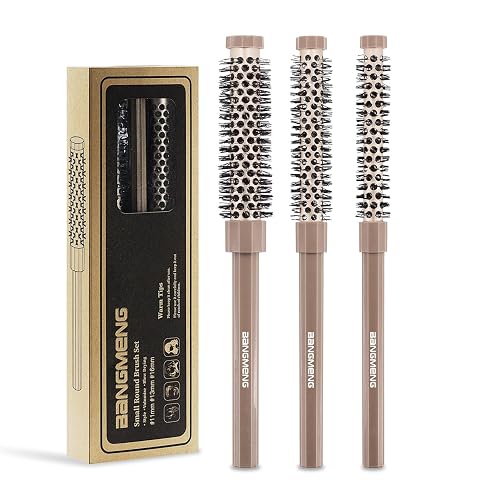

14. Textured Bob for Thick Hair
Thick hair cut into a plain blunt bob can look like a helmet. A stylist thins the inside with texturizing shears or a razor so the ends look light.
The cut keeps its shape at chin length and loses the bulk you’d otherwise feel on the back of your neck.
Heavy choppy layers on very dense hair stack up and make the cut wider. Internal thinning keeps the outline smooth.

15. Italian Bob
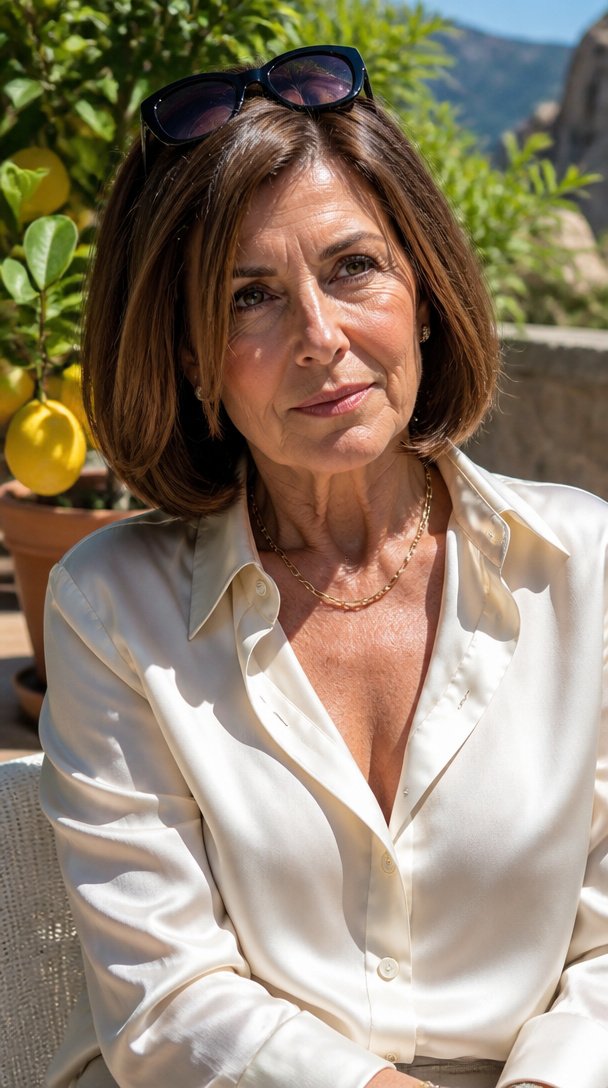
The Italian bob sits between the chin and the collarbone and is all about volume. The ends are cut heavy and rounded, so the hair swings when you move.
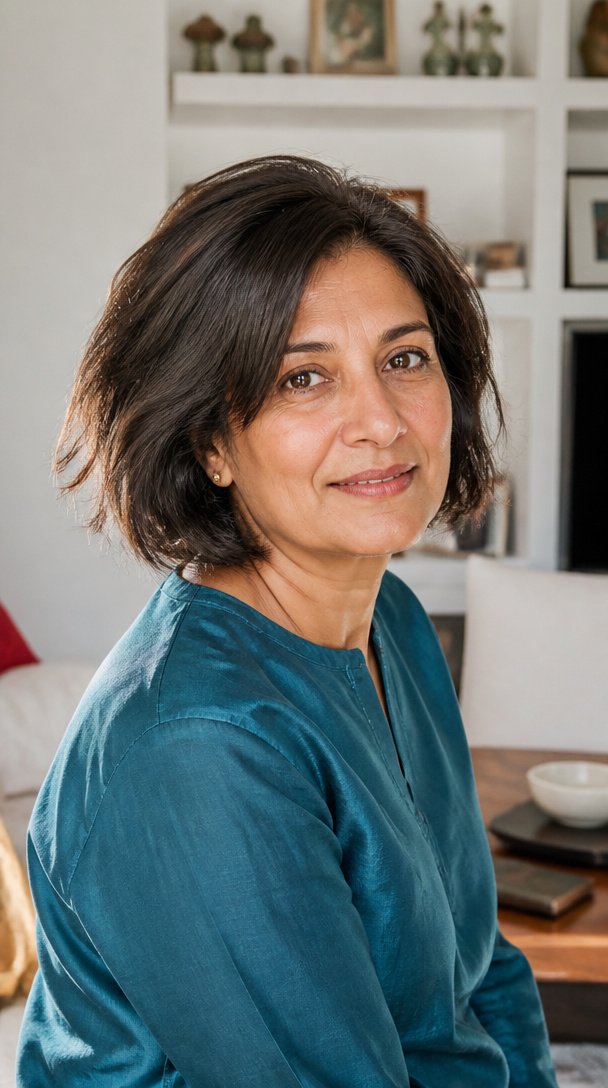
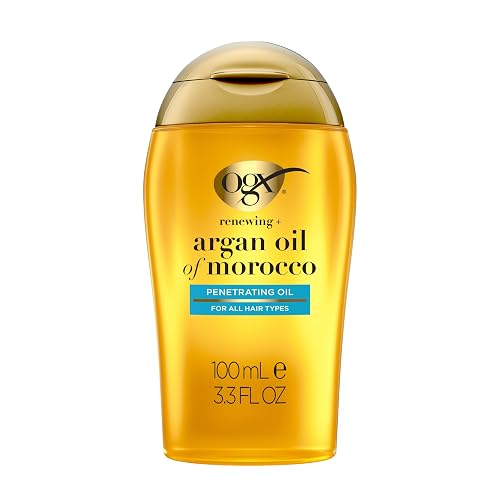
Thick, wavy and coarse hair carry it best. A big round-brush blow-dry and a touch of shine oil finish it.
Fine hair can wear it with volumizing mousse, but the fullness drops by afternoon. Keep a round brush handy for a midday refresh.


16. Bob That Works With Glasses

Glasses and a bob share the space around your ears. A chin-length cut with soft layers clears the arms of your frames so hair doesn’t bunch over them.
Keep any fringe above the top of the frames. Bangs resting on the frames hide your eyes.
For 20 more cuts that work with frames, see the list of short hairstyles for women over 50 who wear glasses.


17. Salt-and-Pepper Bob With Lowlights
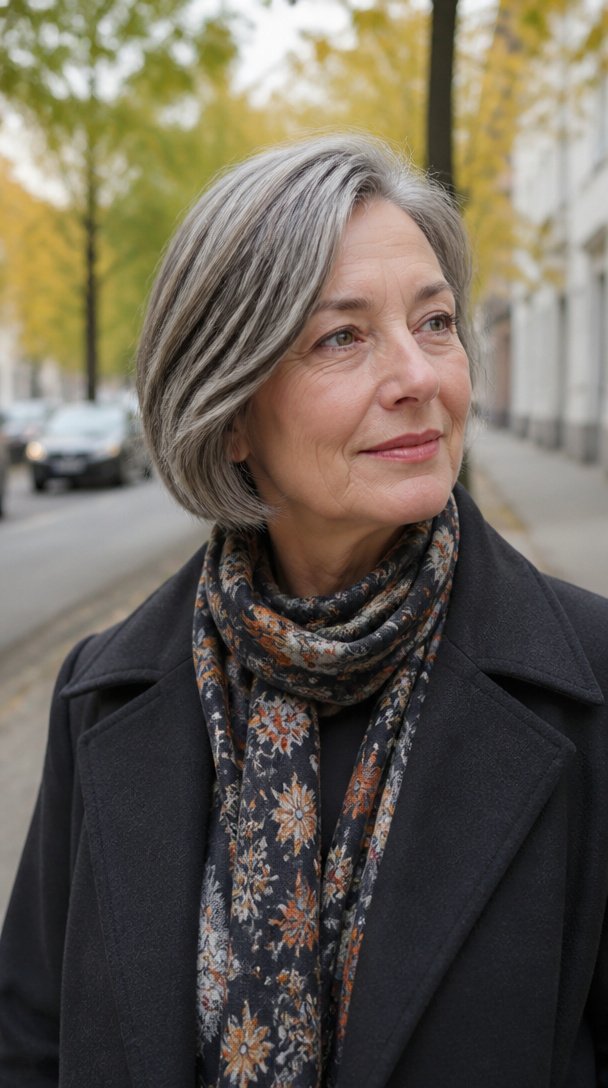
Gray blending threads darker lowlights through natural gray so the change looks gradual. On a bob, those lowlights add the depth that flat gray can lack.
Tell your colorist you want to grow out your gray, not cover it. Lowlights fade without a hard line, so the time between appointments can stretch longer than with full color.
Treat it as a halfway step. If you love the gray underneath, let the lowlights grow out for an all-natural finish.


18. Pixie Bob
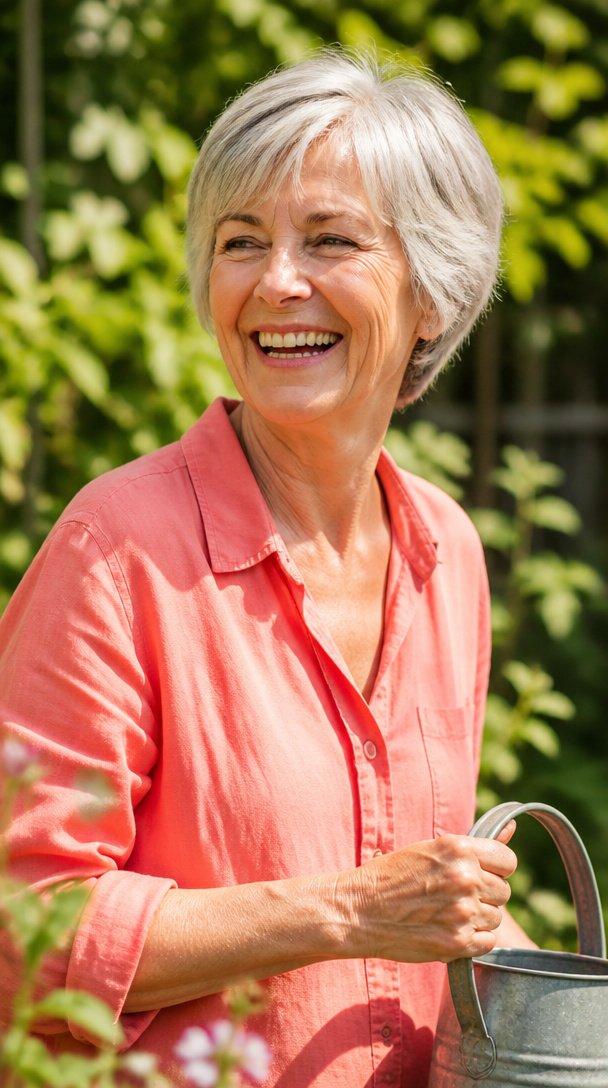
Shorter than a bob and longer than a pixie, the pixie bob ends just below the ears. It’s a gentle way to try short hair without the full commitment.
Feathered bangs and a tapered nape keep it soft. A pea-size amount of styling cream is all the product it needs.
Short hair loses its shape sooner, so book a cut every five to six weeks.


19. Sleek Tucked Bob

Tuck one side behind your ear and a plain jaw-length bob looks polished. It suits the office and shows off a good pair of earrings.
Straight, glossy hair works best here. A smoothing cream and a flat paddle brush give the shine.
Hair tucked behind the ear all day leaves a kink. Tuck the other side the next morning, or smooth the kink out with one pass of the flat iron.


20. Flipped-End Bob
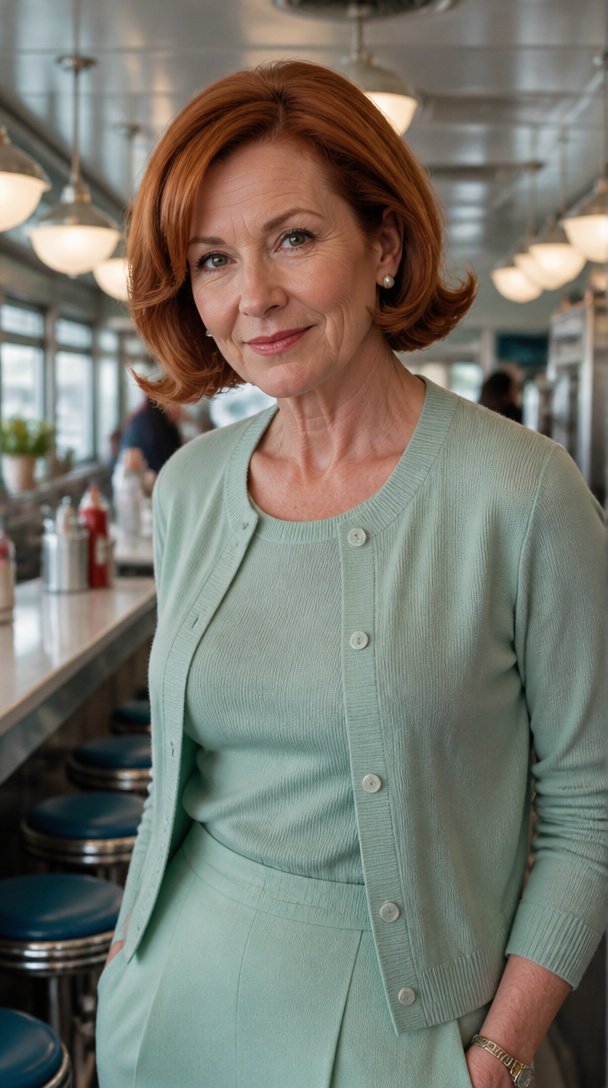
A sixties flick turns the ends of a bob out instead of under. It feels playful and works best on medium-thick hair with some body.
Bend the last inch of hair outward with a flat iron or round brush, then hold it with a light hairspray.
Fine hair drops the flip after a few hours. Set the ends on Velcro rollers for ten minutes to give it more staying power.


21. Balayage Bob
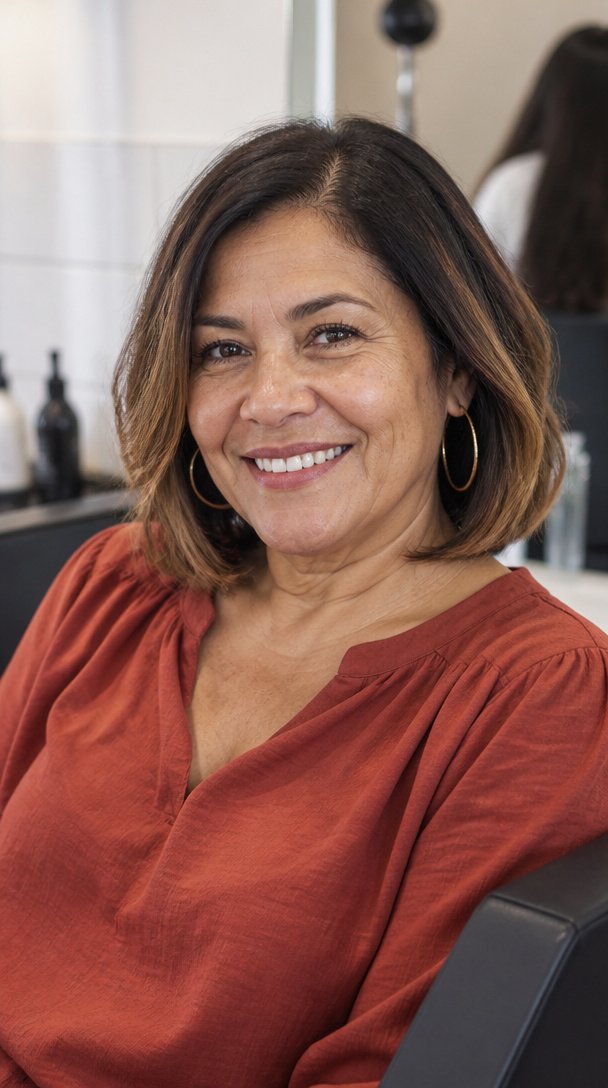
Balayage on a bob puts lighter color on the ends and front pieces, so the roots grow out without a harsh line. It brightens the face without the upkeep of all-over highlights.
Caramel and honey tones suit brunettes with warm skin. Keep the lightest pieces closest to your face for the most lift.
Lighter ends dry out faster on a short cut. A color-safe shampoo and a weekly mask keep the caramel from turning brassy.


22. Bob With an Undercut Nape
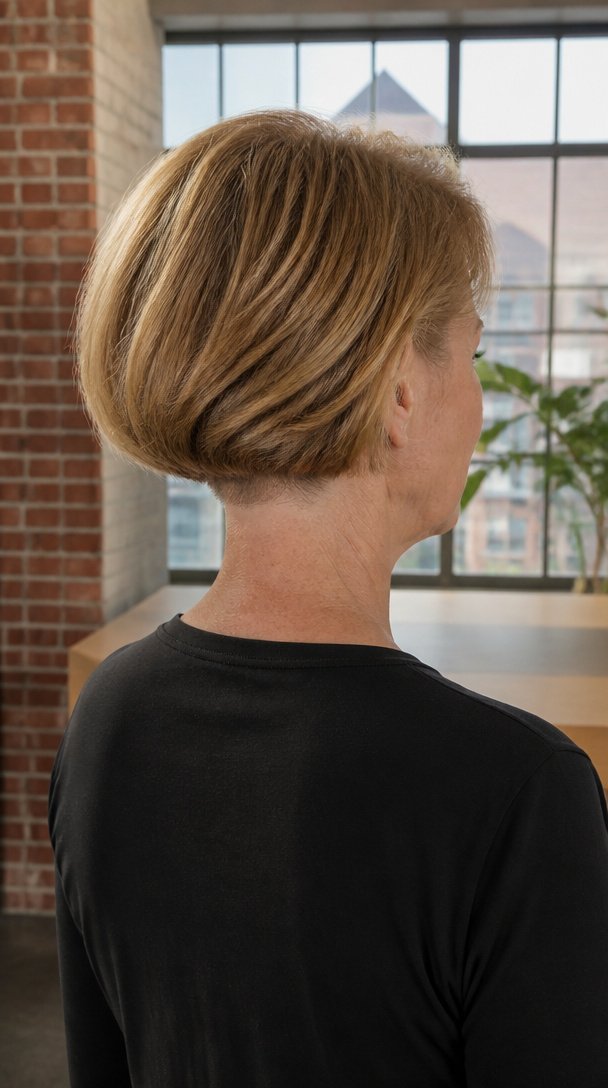
Very thick hair can carry a hidden undercut. Your stylist clips a short section at the nape, and the bob falls smooth over the top.
You lose bulk at the back without changing how the cut looks from the front. Lift your hair and the clipped section shows.
The clipped section needs a quick buzz every four weeks. Skip this cut if you wear your hair up often and don’t want the short part on show.


23. Glass-Hair Straight Bob
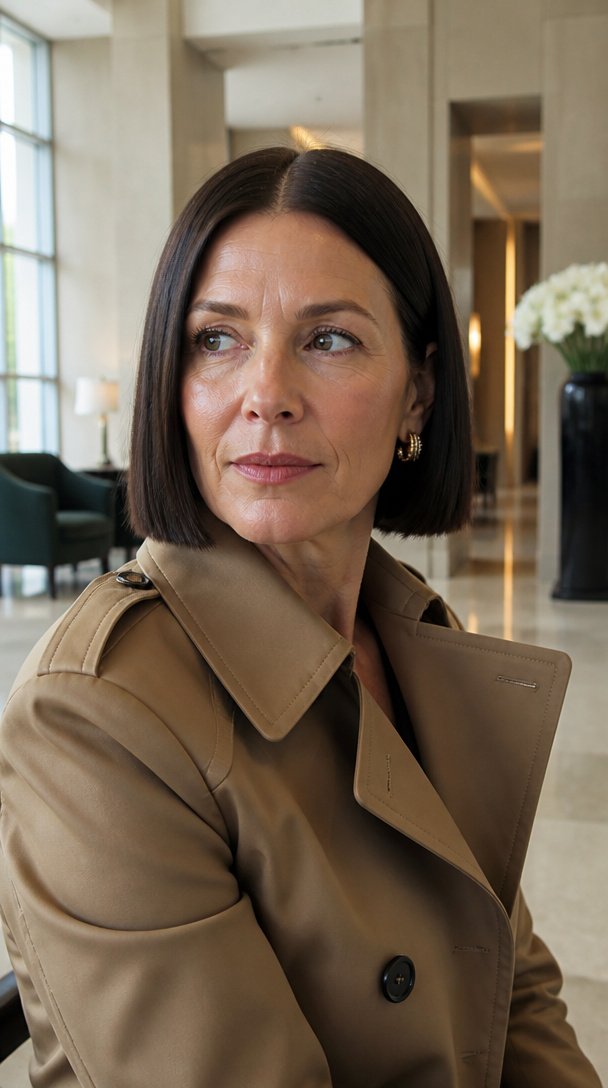
Glass hair means a mirror shine on pin-straight hair. On a blunt bob, that shine makes dark hair seem healthier and fuller.
Blow-dry with a flat paddle brush, then run a flat iron over each section once on a low setting. Finish with a drop of shine serum.
Glass hair needs healthy ends. Split ends scatter light and look dull, so get the trim first.


24. Wash-and-Go Bob

For zero styling, a wash-and-go bob is cut to fall into place on its own. Your stylist works with your natural texture, wave or straight, so you don’t have to fight it.
Towel-dry, rake through a light styling cream and leave it.
The cut does all the work, so it has to be precise. Six-week trims keep it falling right.


25. Rounded Volume Bob
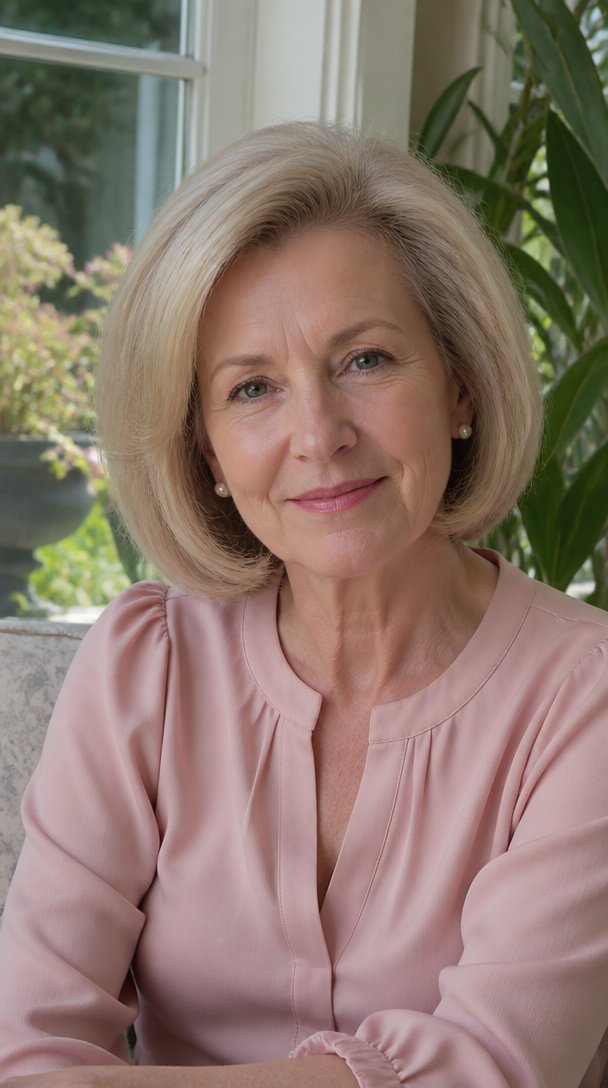
Fine hair that falls flat looks fuller in a rounded bob. The ends are beveled under so they curve toward the neck, and the crown is cut for lift.
Roll the ends under with a round brush as you blow-dry. Pinning a few clips at the crown while the hair cools adds height.
The shape suits oval and long faces. On a very round face, add a side part to break up the curve.


How to Choose Bob Haircuts for Women Over 50
Match the cut to your hair before your face. Fine hair looks fullest with a blunt or rounded line. Thick hair needs internal thinning. Curls need a dry, carved cut.
Then look at face shape. A round face does well with a side part or a longer front, and a long face suits chin length with a fringe.
Bring two photos to your consultation, one from the front and one from the back. “Bob” means something different to every stylist, and the back view settles it.
Frequently Asked Questions
What Is the Most Flattering Bob for Women Over 50?
It depends on your hair. A chin-length blunt bob flatters fine hair, a textured or Italian bob suits thick hair, and a carved curly bob works for natural curls.
Is a Bob Good for Thin Hair Over 50?
Yes. A blunt or rounded bob makes thin hair appear thicker because the ends stay full. If the thinning is at the crown or part, the guide to haircuts for thinning hair over 50 covers cuts that disguise it.
How Often Should You Trim a Bob?
Every six to eight weeks for most bobs. Stacked bobs, pixie bobs and cuts with bangs need attention sooner, around every four to six weeks.
Can You Wear a Bob With Gray Hair?
A bob is one of the easiest ways to wear gray. A blunt silver bob looks sharp, and lowlights on salt-and-pepper hair soften the change if you’re growing out color.
Book the Cut
Pick two or three cuts from this list that suit your hair type, then save a front and back photo of your favorite.
Show both at the consultation, point to where you want the hemline to fall, and book your first trim before you leave the salon.