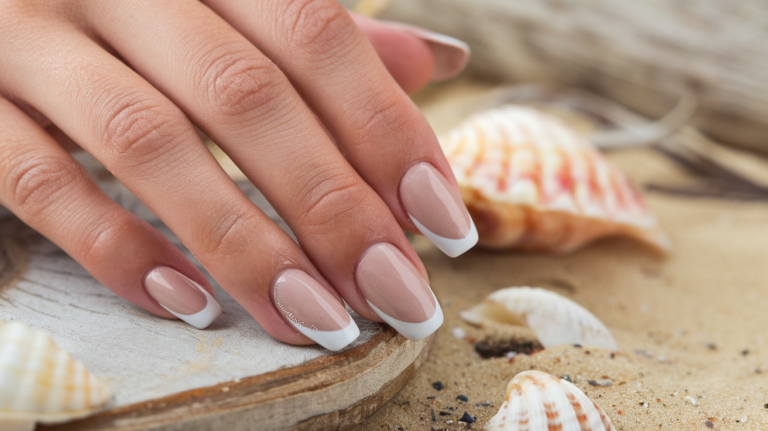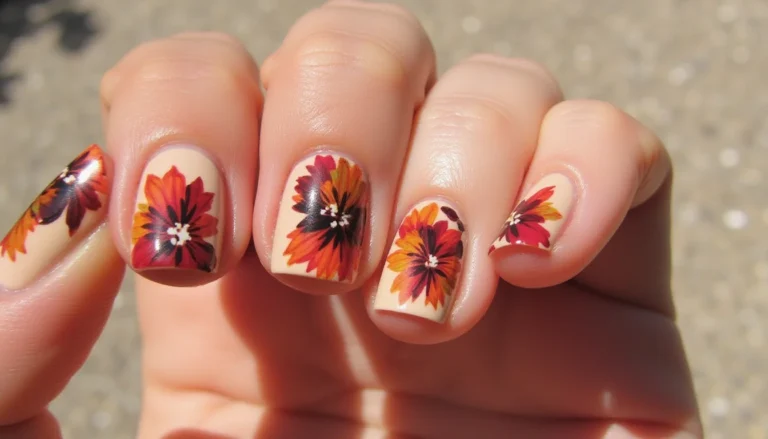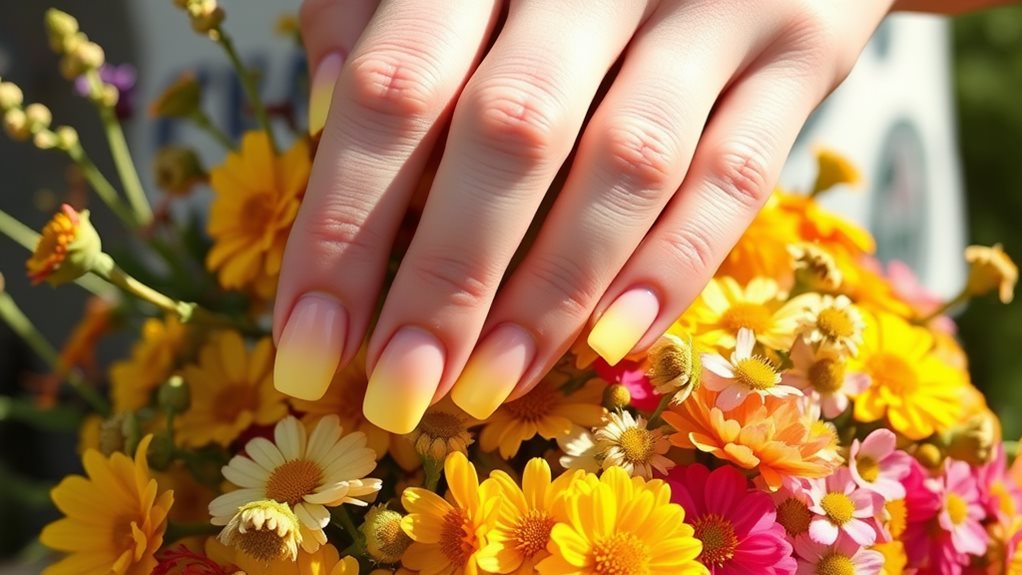
24 Summer French Tip Nails
French tip nails get reinvented every summer, trading the plain white line for whatever color or texture is trending that year. A neon ombre tip gets noticed from across the pool deck, while a glitter accent stays office-appropriate. Twenty-four takes are collected below, from pastel rainbow arcs to crystal-studded tips, so there’s a version that matches your polish skills and your calendar.
Some of these need only a striping brush and a steady hand. Others, like the geometric and abstract designs, go faster with tape or a stencil kit. Skim ahead to whichever style fits the time you actually have for a manicure this week.
Neon Ombre French Tips
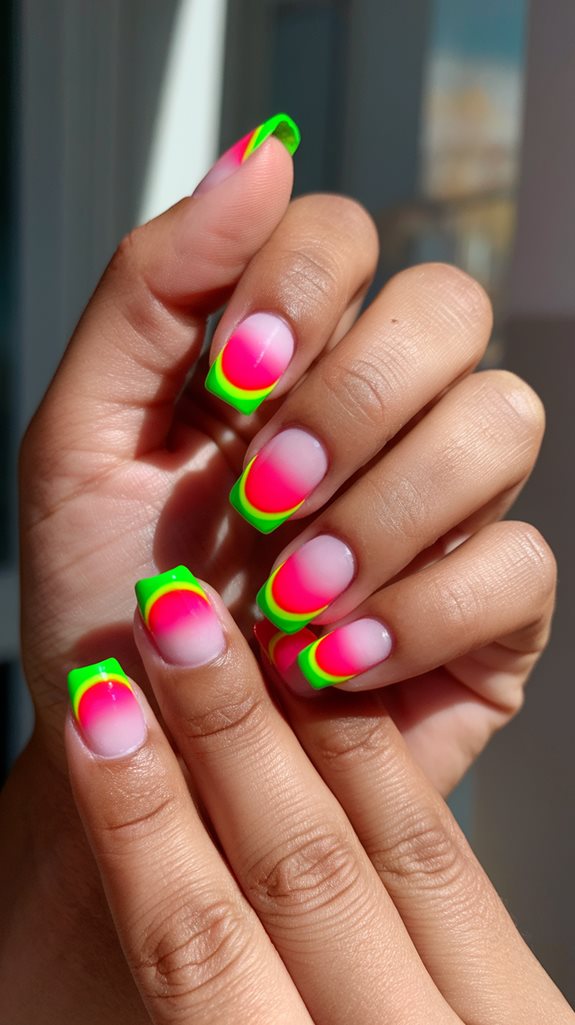
Neon ombre is the tip to reach for when a plain French mani feels too quiet for summer. Pick two or three shades, electric pink, bright yellow, or vivid green, and blend one into the nail bed instead of painting a hard line.
A makeup sponge dabbed over the blend point smooths the transition better than a brush alone. Neon polish runs sheer, so plan on two coats for full opacity before sealing it with top coat.
The color fades faster in chlorine and saltwater than a classic French tip does, so expect a touch-up after a week of daily pool time. If a hard color block feels like too much commitment, these ombre French tip designs blend a softer, all-season version of the same technique.
Glitter Accent French Tips
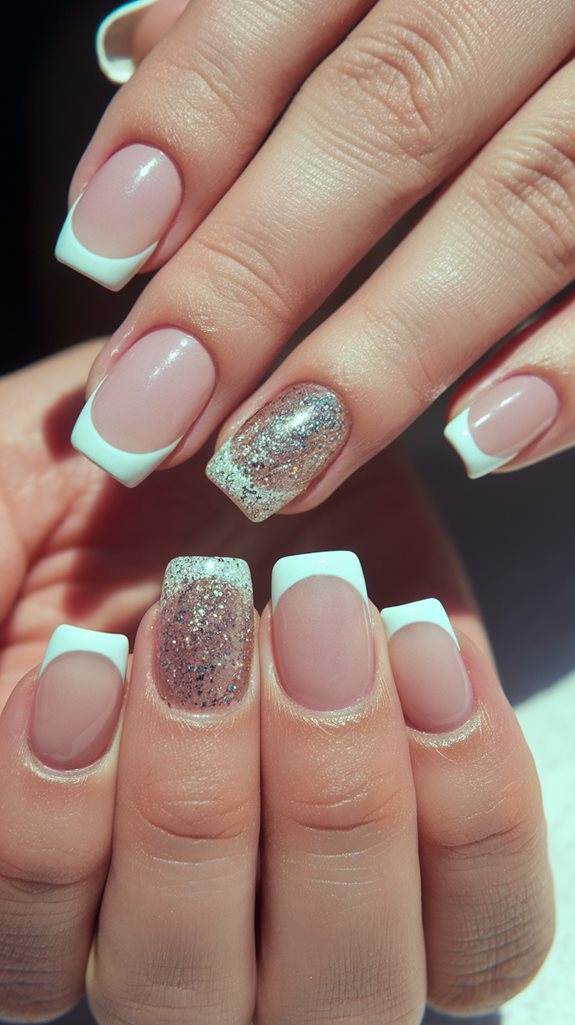
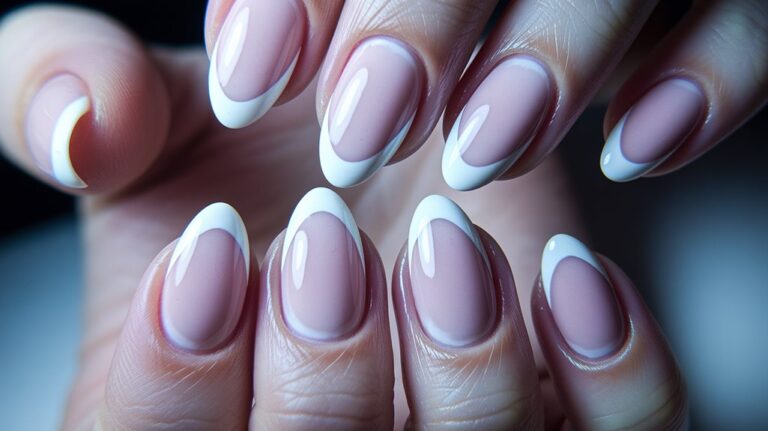
This design keeps the classic French shape and adds glitter instead of swapping the color out entirely. Start with a clear or pale pink base coat so the traditional tip line still reads underneath.
Silver, gold, and multicolor glitter polishes all work; apply it along the tip with a small angled brush rather than the bottle’s own applicator for a cleaner edge.
Chunky glitter builds texture fast, so one thin coat is usually plenty. A dense second coat can leave a gritty edge that catches on fabric.
Pastel Rainbow French Tips
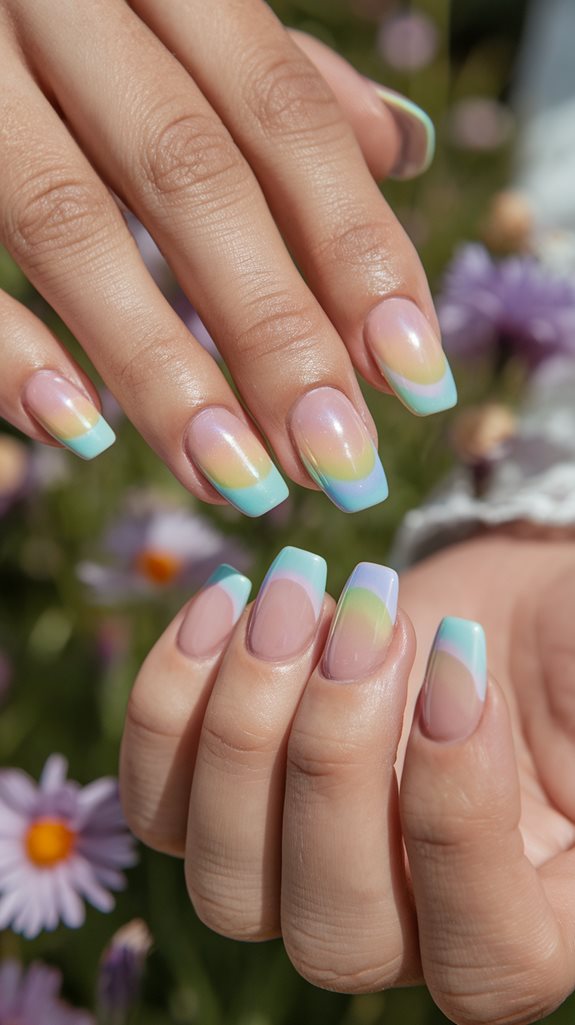
Instead of one accent color, this version puts a different pastel on each nail: soft pink, blue, green, and yellow across the set. A neutral base lets each shade stay light instead of muddy.
A thin brush is enough to apply each color in a neat arc; the pastel finish forgives small wobbles better than a bold color would, so it’s a reasonable design to try if you’re new to freehand tips.
This pairing works with both casual and dressy outfits without looking like it’s trying too hard, which is part of why it holds up as a repeat summer choice.
Floral French Tip Design
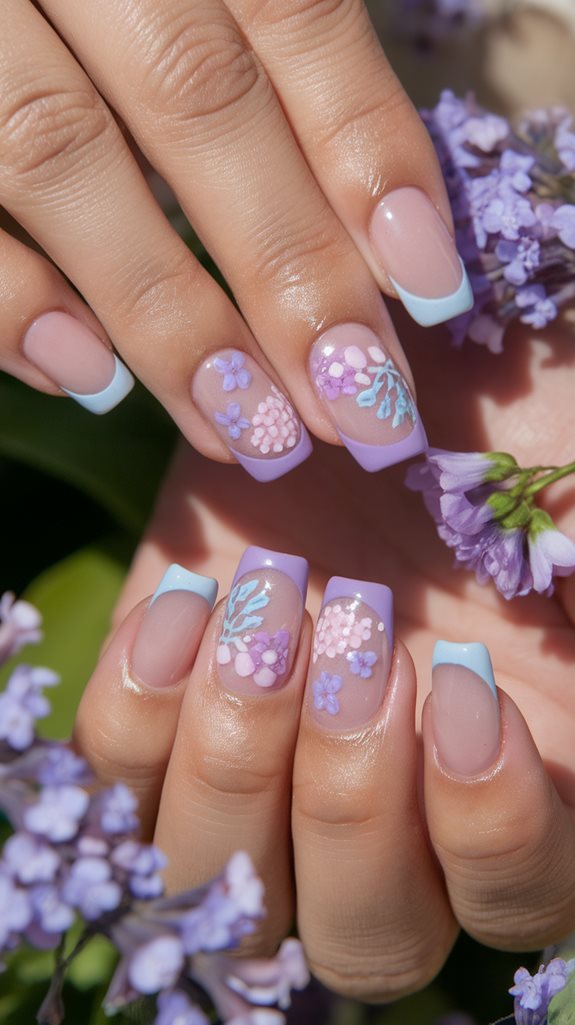
Small painted flowers at the tip read more detailed than most French designs, and they take longer to do well. Daisies and simple five-petal blooms are the easiest shapes to repeat across ten nails without a steady freehand.
Pick a base shade that sets off your flower color, then use a fine detail brush or a nail art pen for the petals and centers. A dotting tool works for the flower centers if a brush feels too shaky.
Seal the finished design with a clear top coat right away; raised floral details chip faster than a flat tip if they go unsealed overnight.
Metallic French Tips
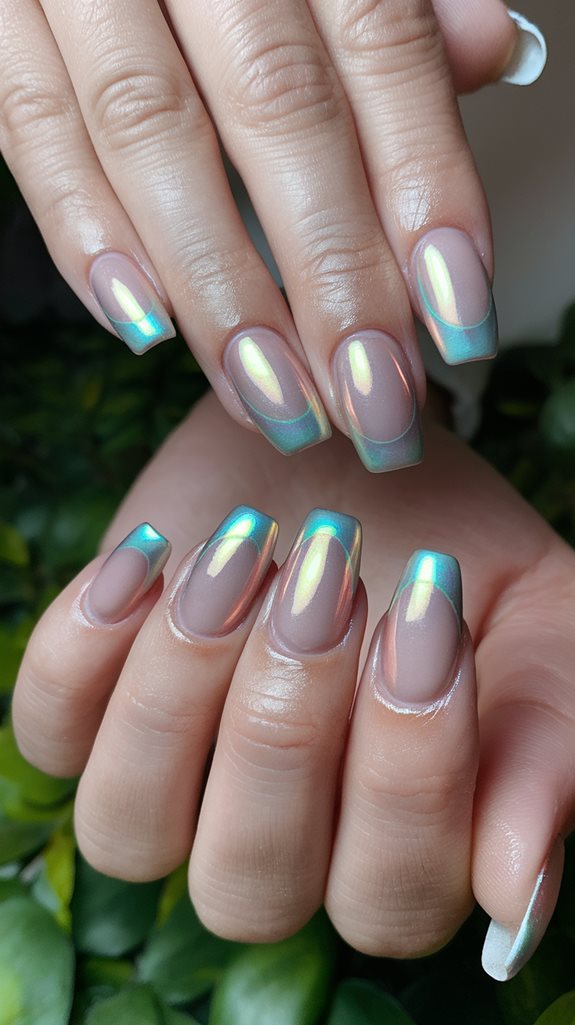
Gold and silver tips catch light the plain white version never does, which makes this the easiest French tip to dress up for an evening out. Start with a neutral base and apply the metallic polish only to the tip.
A striping brush gives a straight line; angling it slightly gives a softer curve if straight lines aren’t your strength. Metallic polish tends to show brush strokes more than cream polish, so thin, even coats matter here.
Gold or silver both pair with casual and formal outfits, which is why this is one of the more versatile options on this list.
Geometric Patterned French Tips
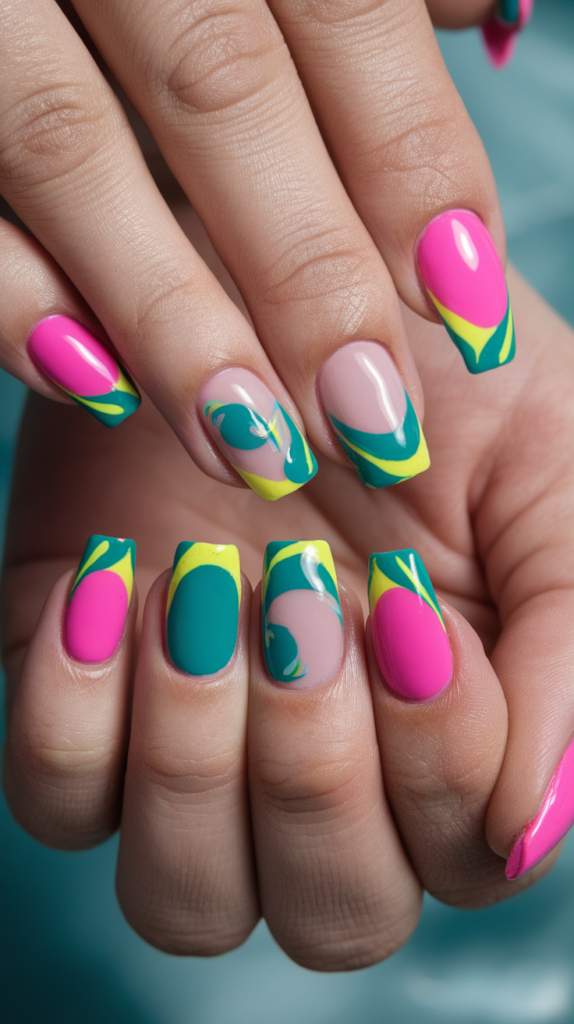
Straight lines and hard angles replace the curved French line here, which is a bigger departure from the classic look than most of the other designs on this list. Triangles and simple grid lines are the fastest patterns to pull off; maze-like patterns take real patience.
Pick a palette that fits your summer wardrobe, pastels, saturated brights, or one monochrome color in two finishes.
Nail tape or a stencil kit gives sharper lines than freehand does. Peel the tape off before the polish fully sets, or it can pull at the edge instead of releasing clean.
Tropical Palm Leaves French Tips
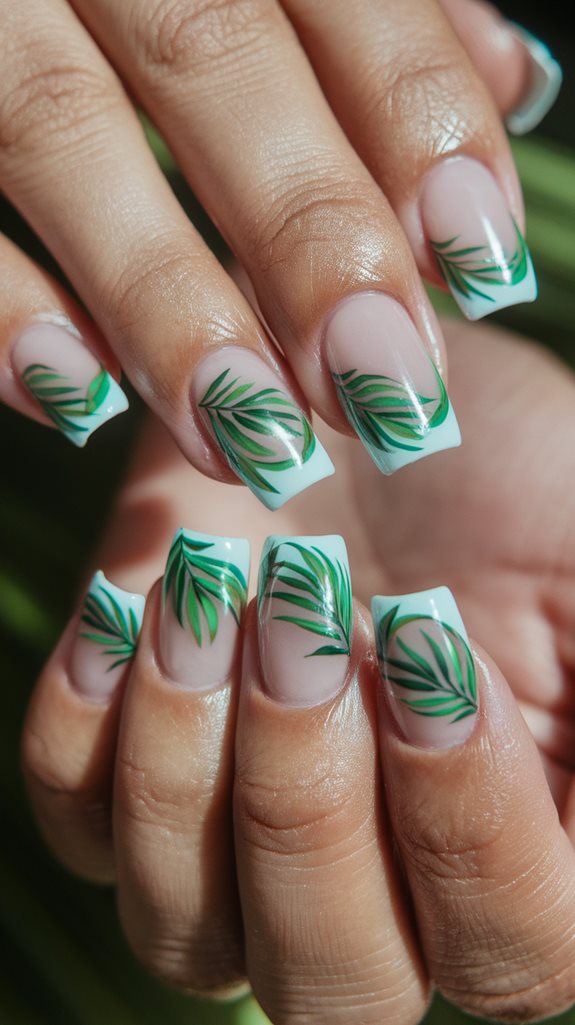
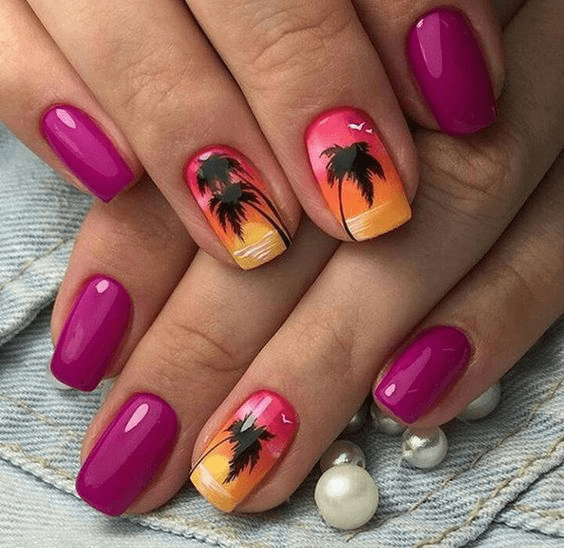
A soft nude or pastel base sets up the tropical palm leaf accent without competing with it. Paint the leaf shapes in a vibrant green directly over the tip, using short strokes that fan out from a center line.
Varying the leaf size and angle across the ten nails looks more natural than repeating the same shape identically on each one. Freehand gives more movement to the leaves; stencils give more consistency if that matters more to you.
A glossy top coat holds up well for poolside days, though frequent water exposure will still shorten the wear time compared to a plain manicure. For more direction on pairing a design with an actual trip, these beach nail ideas for vacation cover a wider range of vacation-ready looks.
Seashell Embellished French Tips
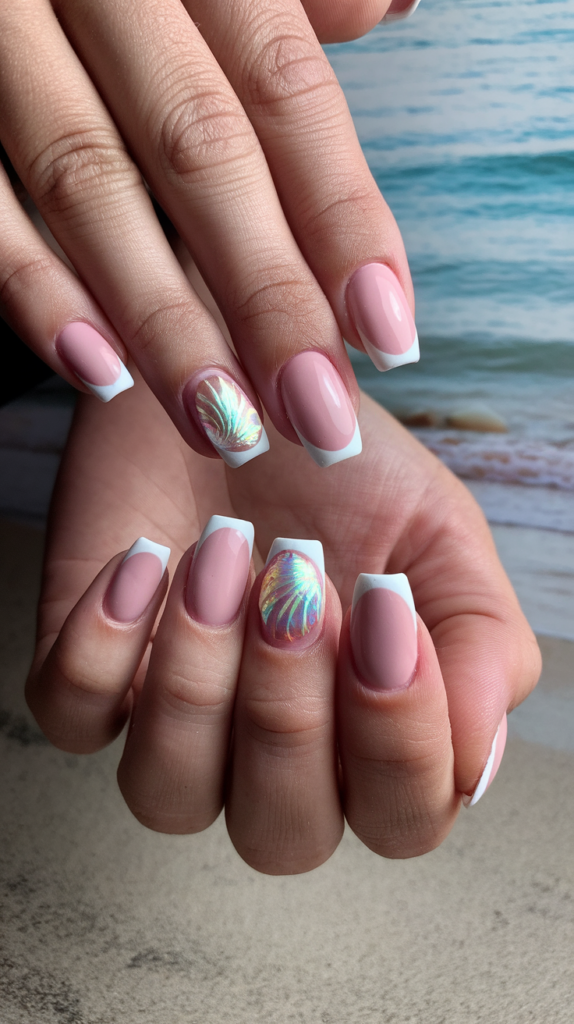
Small shell charms turn a standard tip into something closer to jewelry for your nails. Start with a soft, sandy base color, then position the shells along the tip with clear nail adhesive rather than regular polish, which won’t hold the weight.
Keep the shells small; oversized ones snag on hair and clothing and tend to pop off within a few days. Pearl accents next to the shells add a bit more shine without extra bulk.
Seal everything under a clear topcoat so the shells stay anchored through a full beach day.
Animal Print French Tips
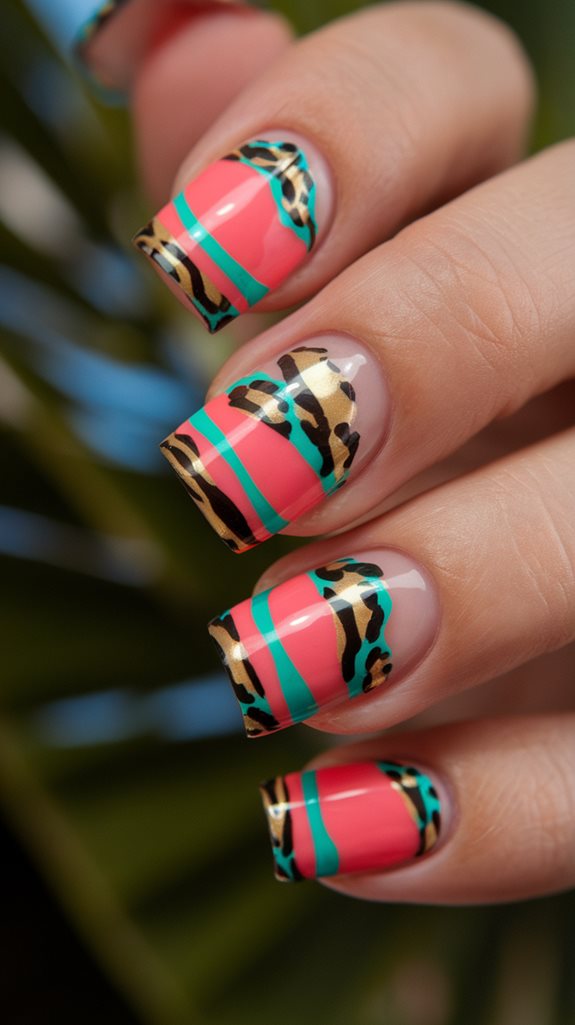
Leopard spots are easier to freehand than they look, since the pattern doesn’t need to be symmetrical to read correctly. Start with a traditional French base, then add irregular dark spots with a fine brush over a tan or gold tip.
Zebra stripes and snakeskin scales take more precision; nail art stickers are worth using for either if you’re short on time or a steady hand.
Mixing two different prints across one set, leopard on some nails and snakeskin on others, looks more intentional than it sounds.
Marble Effect French Tips
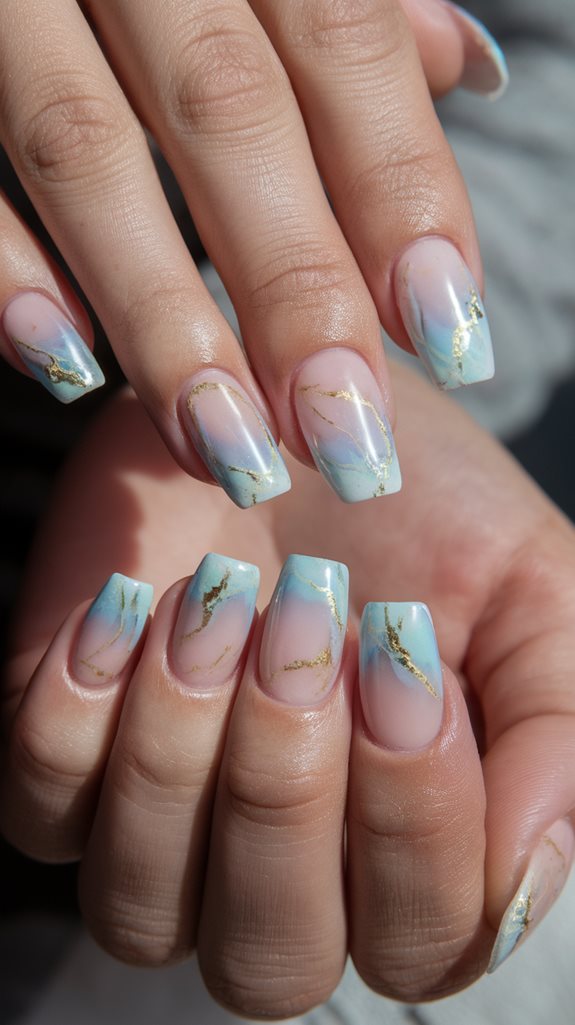
Swirled white, gray, and gold at the tip mimics real marble veining, and it’s more forgiving than most nail art since imperfect swirls still look intentional. Start with a neutral or pastel base color.
Use a thin brush or a marbling tool to drag thin lines through wet polish before it sets; working fast matters more than working precisely here.
Subtle blues or soft pinks swap in for the gray if you want a cooler summer palette instead of the classic stone colors.
It suits most occasions, from a casual brunch to a wedding guest look, without needing to change the design.
Citrus Splash French Tips
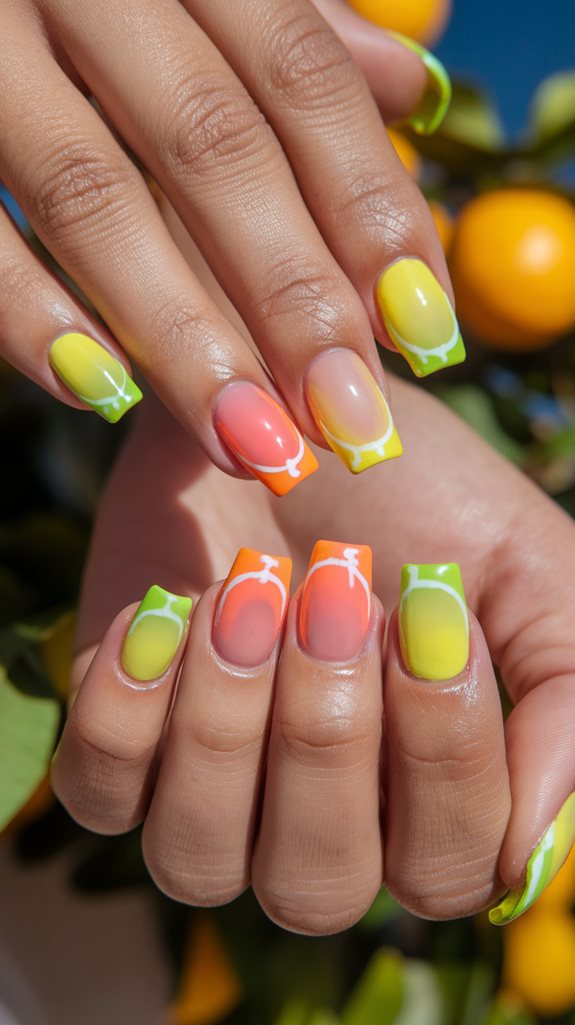
Lemon, lime, and orange blended across the tip give this design more color movement than a single-shade French tip. Select the three citrus shades and blend where they meet using a fine brush.
Small white dots along the tip mimic citrus seeds and take the design from abstract color-blocking to something clearly fruit-inspired.
A glossy top coat keeps the colors looking fresh through the season, though the bright shades will show wear at the tip edge sooner than a neutral polish would.
Watercolor French Tips
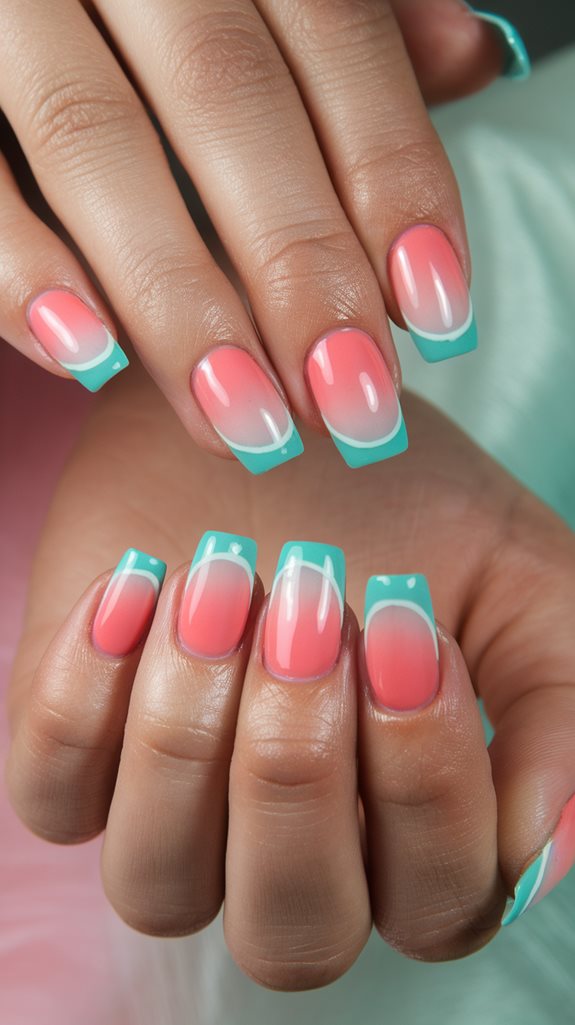
Lavender, mint, and soft pink blend into each other here instead of sitting in separate blocks, which gives the tip a hazier, softer edge than a standard ombre.
Working with wet polish and a small brush, blend the colors onto the nail tip in short overlapping strokes rather than one continuous sweep. Doing it while the previous coat is still tacky helps the colors merge instead of layering as distinct stripes.
A clear topcoat locks the blend in place and keeps the soft edges from smudging during the following days.
Tie-Dye French Tips
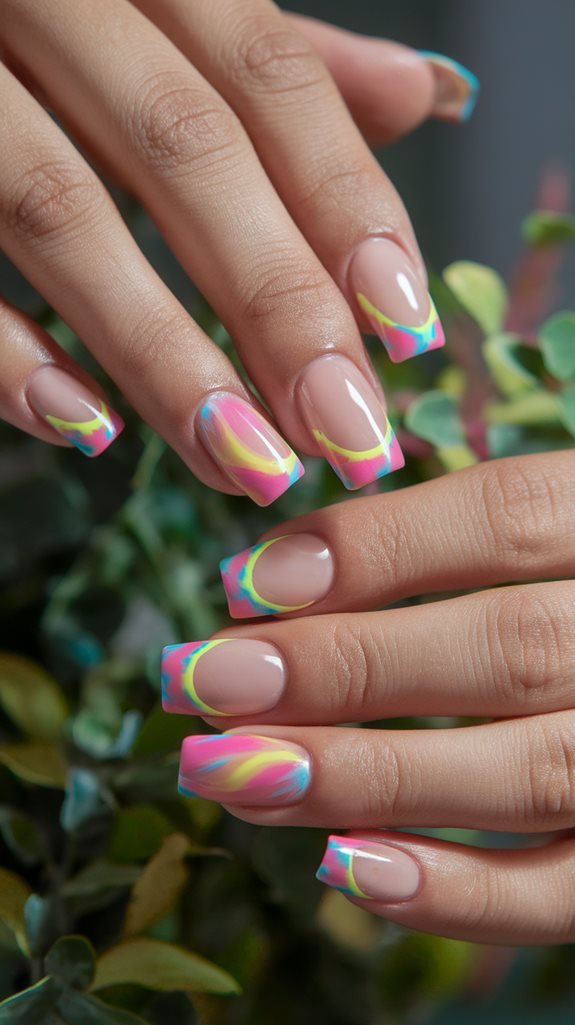
A white base coat makes the follow-up colors pop the way tie-dye needs. Bright blue, pink, and yellow dabbed on with a small brush and blended at the edges gives the classic swirled effect.
Uneven blending actually helps here; tie-dye reads better a little messy than perfectly symmetrical, so there’s less pressure to get it exact.
A clear top coat protects the design and adds shine. This one is durable enough for festivals and beach days back to back.
Holographic French Tips
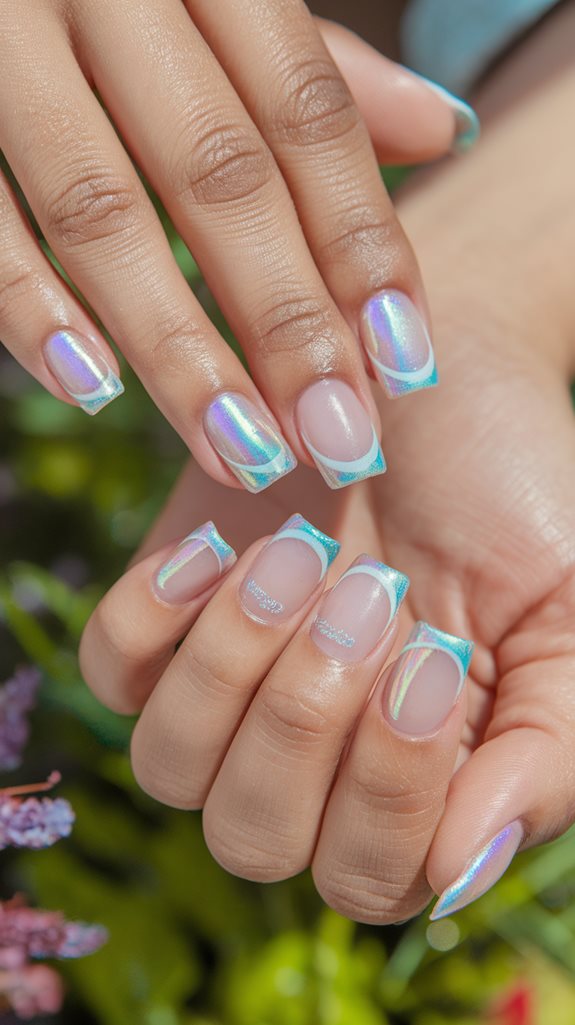
Holographic polish shifts color under direct light, which makes this tip look different depending on where you are, indoors under warm light versus outside in full sun.
A clear base coat comes first, then the holographic polish applied only to the tip, then a high-gloss top coat to keep the rainbow effect from dulling.
It works with a classic crescent shape or a sharper angular tip line, whichever fits your nail shape better.
Holographic polish is thinner than standard color, so budget for three light coats instead of the usual two.
Striped French Tips
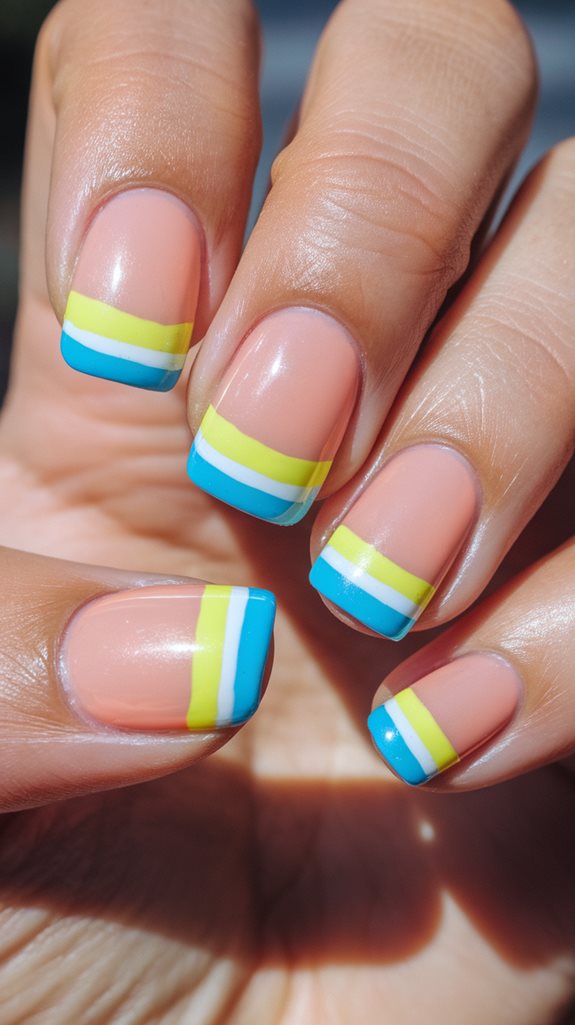
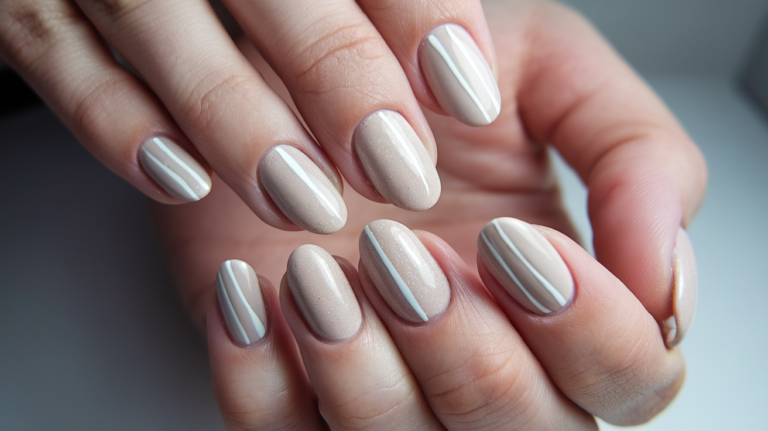
Thin stripes at the tip, instead of one solid color block, give this design more texture than a standard French manicure. Nail tape held taut against the nail keeps the lines straighter than a brush alone can manage.
Horizontal, vertical, and diagonal stripes all read differently; diagonal tends to elongate the nail visually if that’s a look you’re after.
Metallic or pastel stripe colors work for a pool day; save the darker, saturated palettes for evening plans, since they photograph better under artificial light.
Starry Night French Tips
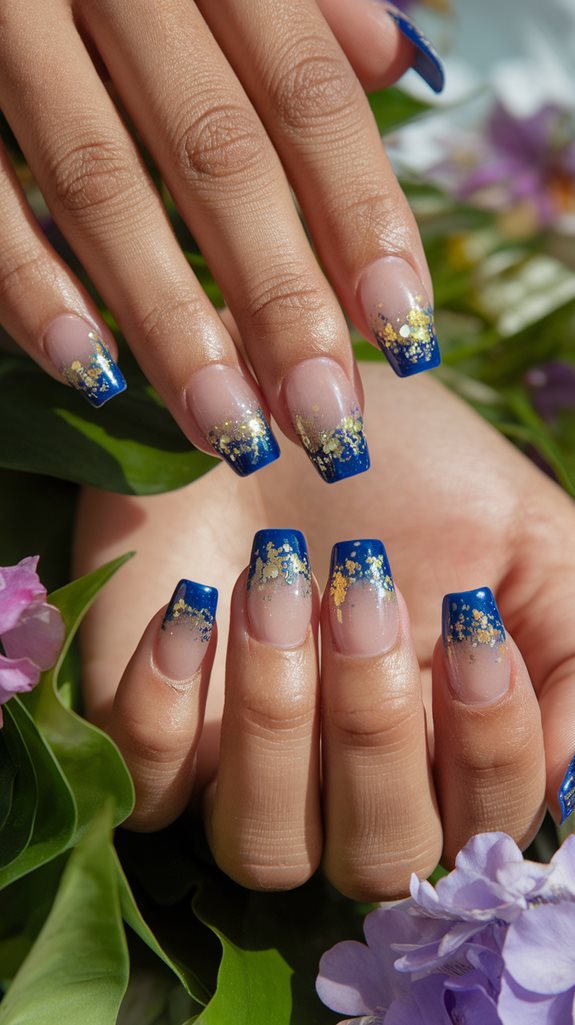
A deep navy or black base swaps in for the usual white French tip here, with shimmering silver or gold dots painted on top to stand in for stars.
A dotting tool gives cleaner, more consistent star placement than a brush tip does. Vary the dot sizes slightly, since uniform dots end up looking more like polka dots than stars.
Tiny pearl or fine glitter accents scattered between the painted stars add extra dimension without overwhelming the dark base.
Dark polish shows chips more visibly than lighter shades, so this design needs a top coat touch-up sooner than most on this list.
Polka Dot French Tips
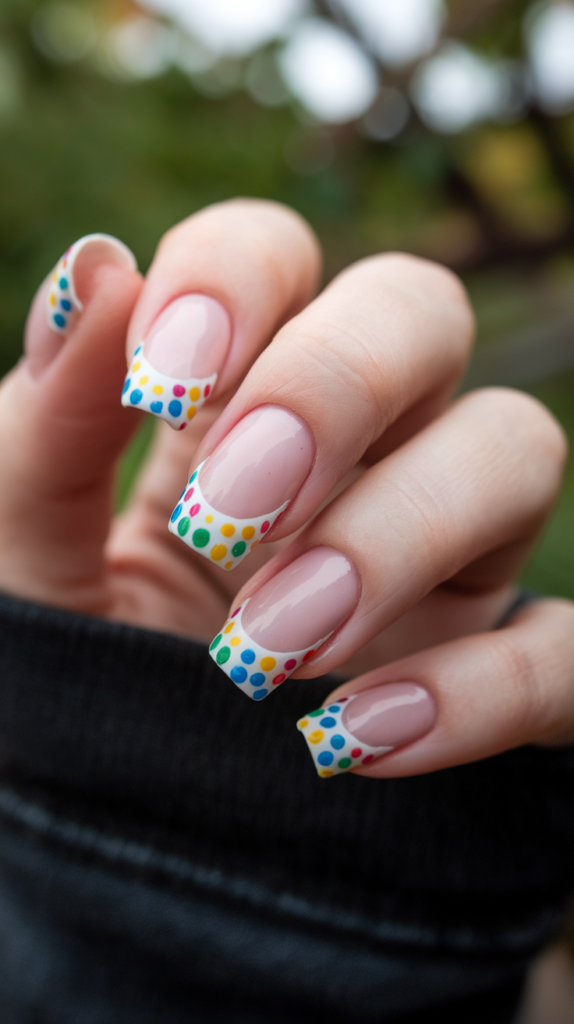
A bright base color, coral or turquoise work well, paired with white or black dots gives this design more contrast than a standard neutral French tip.
All it takes is a dotting tool or the rounded end of a toothpick, dipped in polish and pressed lightly at the tip. No stencil or steady freehand required.
It holds up on both short and long nails equally well, which isn’t true of every design on this list.
Abstract Art French Tips
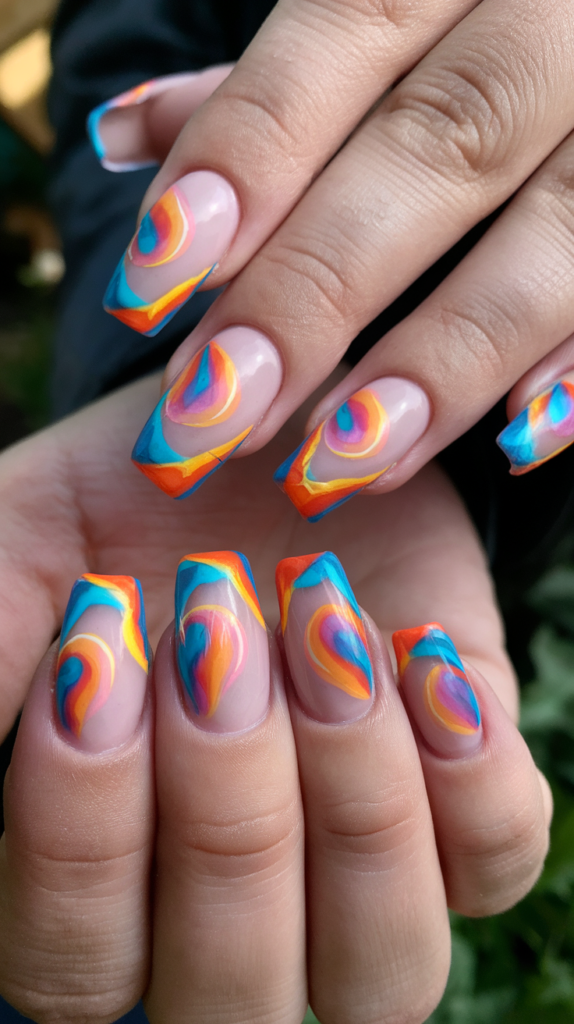
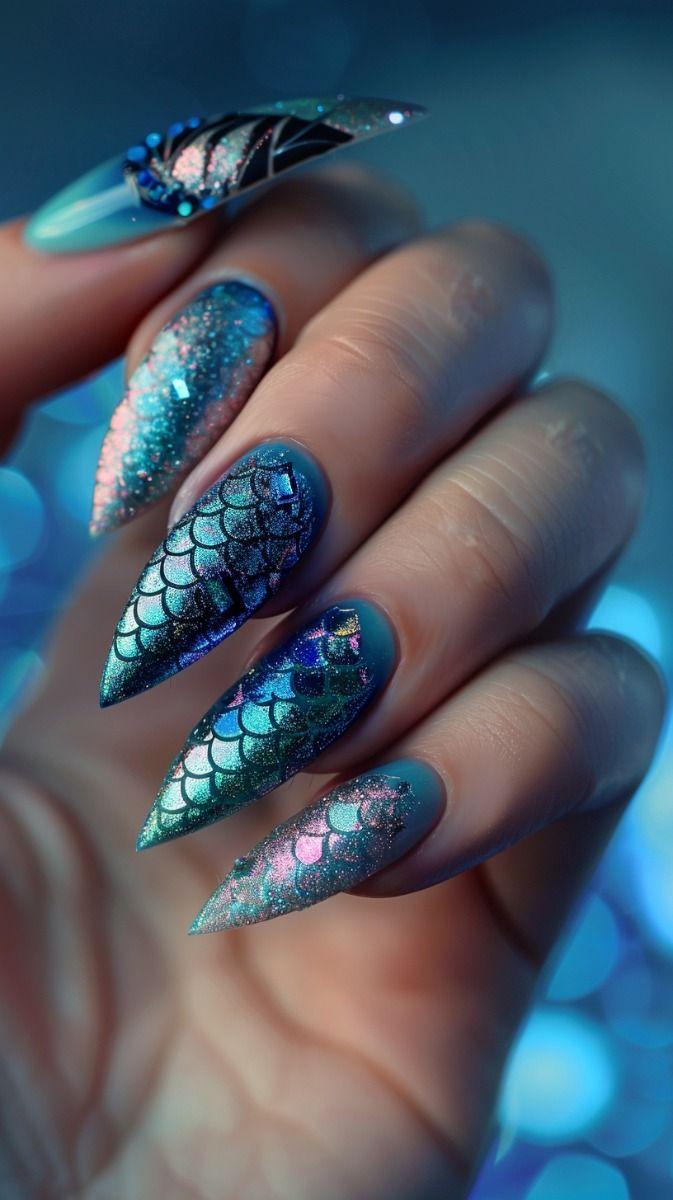
This one drops the white tip entirely in favor of swirling color and freeform shapes, so it’s closer to painting than to a traditional manicure technique.
Mixing matte and glossy polish finishes on the same nail adds texture contrast that a single finish can’t. There’s no fixed pattern to follow, which makes it faster than the more technical designs on this list, and also more forgiving of mistakes.
Soft pastels and bold neons both work; the design leans on contrast more than any specific color palette.
Nautical Theme French Tips
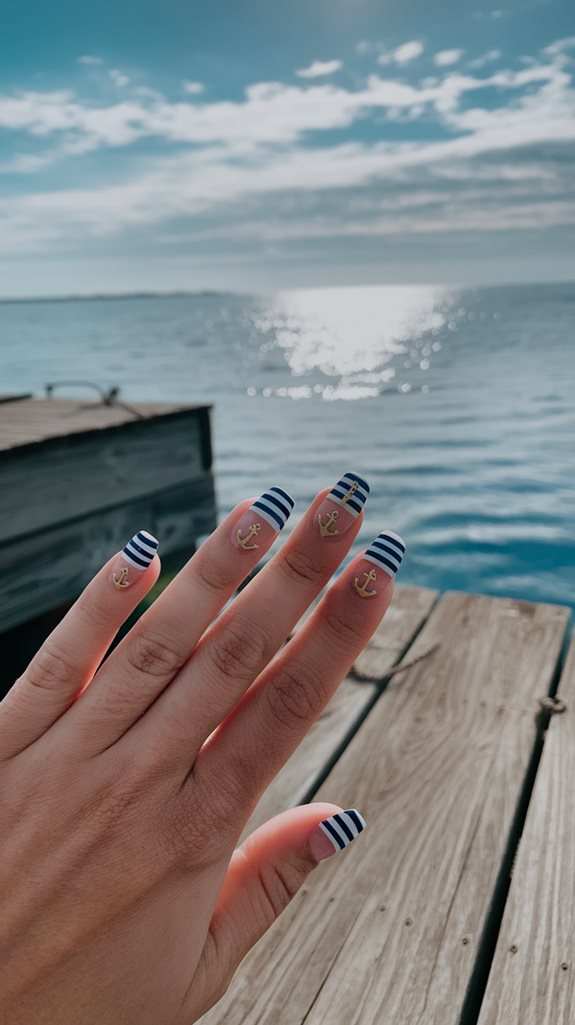
Crisp white tips against navy blue accents borrow directly from classic sailor stripes. A soft beige or light taupe base color, meant to echo sandy shores, sets the rest of the palette.
A pair of anchor decals or thin gold stripes reinforce the theme without adding much time to the manicure. Decals go on faster than hand-painting an anchor freehand, if precision isn’t your strength.
A single small red detail, a starfish or lifebuoy shape, keeps the palette from reading as purely navy and white.
Gradient Glitter French Tips
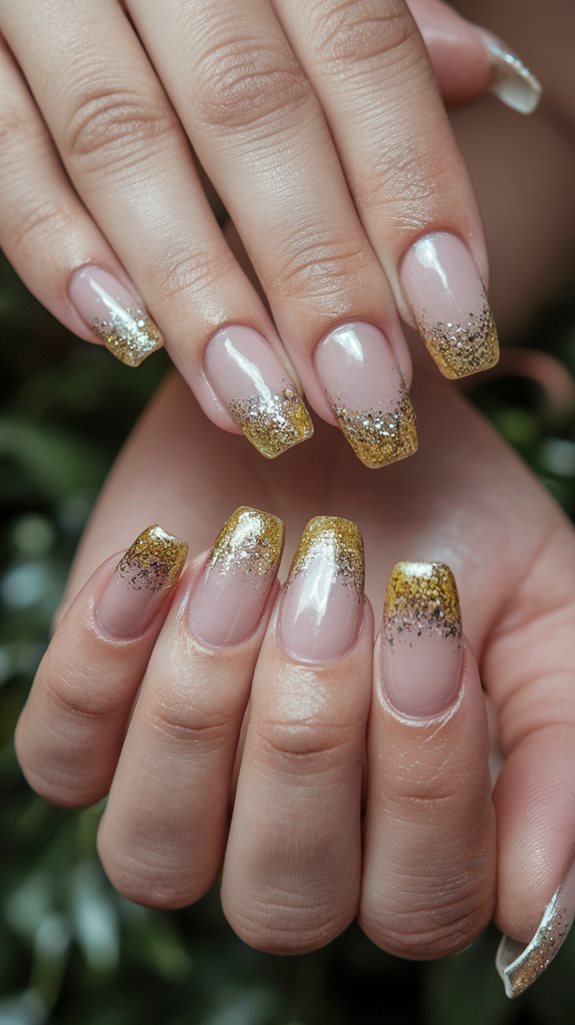
Two or three complementary glitter shades blended from light at the tip to dark toward the base give more depth than a single glitter color applied flat.
A makeup sponge dabbed over the transition zone blends the shades more evenly than a brush. A clear topcoat locks in the shimmer and smooths any texture left by the glitter particles.
Removal takes longer than a standard polish since glitter tends to grip the nail; soaking in acetone with foil wraps saves time over scraping it off.
Fruit-Inspired French Tips
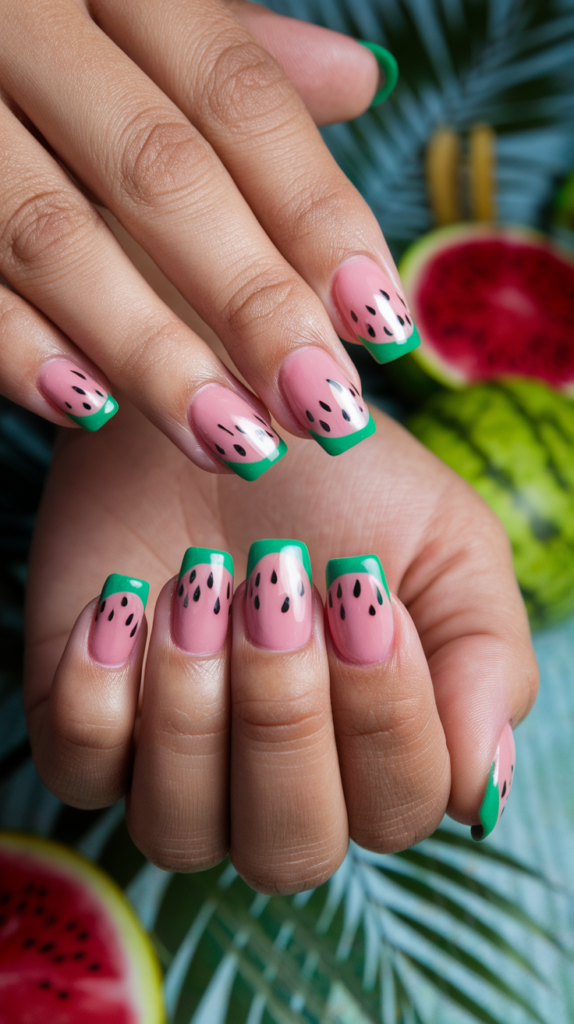
Miniature watermelons, lemons, or strawberries painted at the tip turn a manicure into a conversation piece, and they’re a reliable choice for a summer party or a beach trip with friends.
A clear or nude base coat goes down first, then each fruit design gets painted on with a thin brush, or use nail stickers if freehand fruit shapes feel out of reach.
Sticking to one fruit across all ten nails looks more cohesive than mixing three or four different fruits on the same set. Finish with a top coat to keep the small details from smudging.
Pearl-Accented French Tips
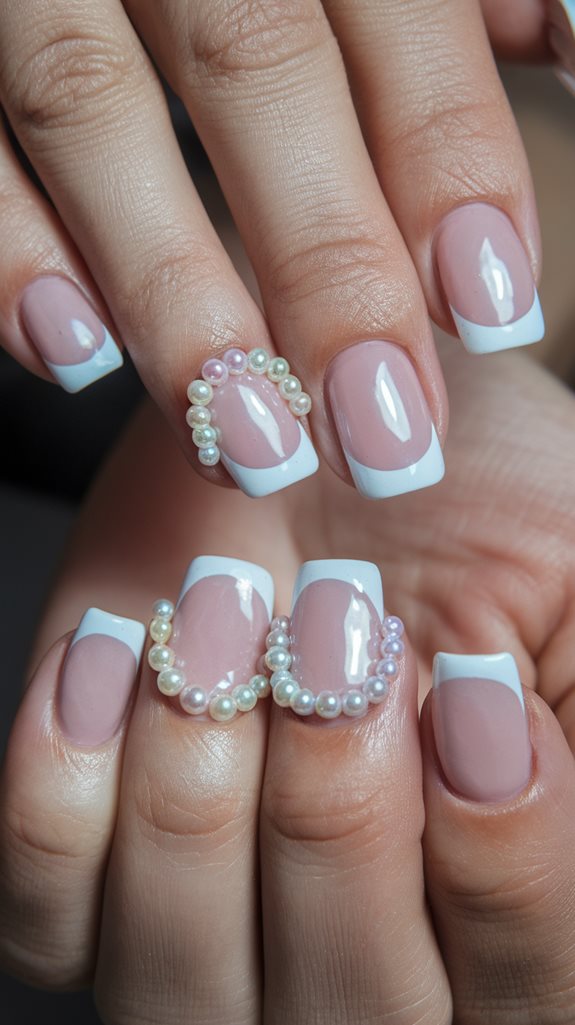
Small pearl accents along the tip of a classic French manicure add glamour without the bright color other designs on this list lean on, which makes it a solid pick for a work event or a wedding.
Start with a neutral base color, then place the pearls along the white tip using nail glue rather than topcoat alone, which won’t hold small embellishments as securely.
Mixing two pearl sizes across the tip line adds texture without needing a second color or pattern.
Because the pearls sit above the nail’s surface, expect a couple to loosen with daily typing or dishwashing before the two-week mark. If you’d rather skip embellishments entirely and lean on color instead, these black French tip designs get the same dressed-up effect a different way.
Chevron Pattern French Tips
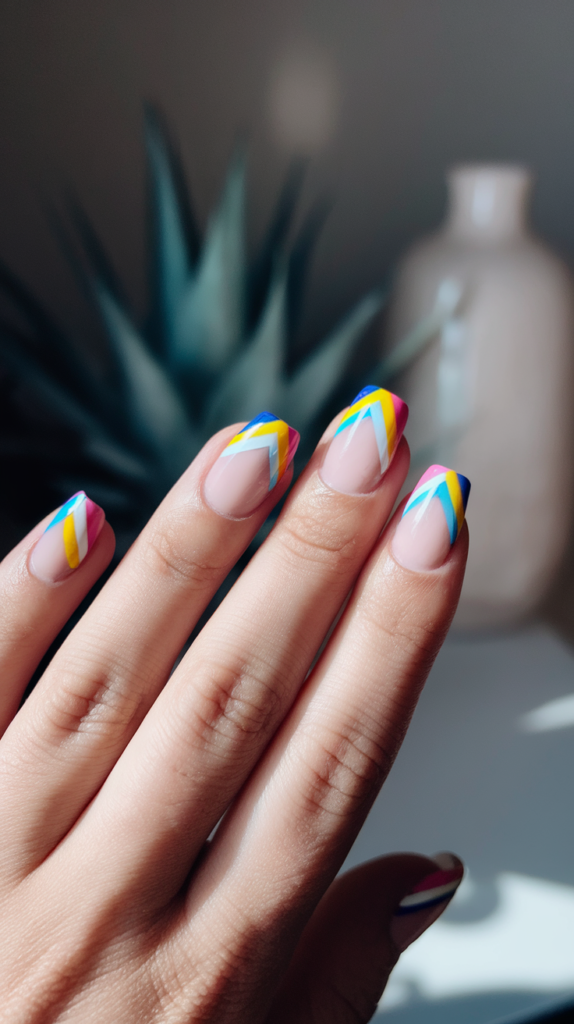
Zigzag lines at the tip replace the usual straight or curved edge, which gives a more modern take on the French shape without changing the overall silhouette.
Contrasting colors give the sharpest chevron effect; subtle pastel shades soften it if a bold statement isn’t the goal.
A nail guide or chevron-shaped tape gets cleaner zigzag lines than freehand. Paint over the guide, then peel it away before the polish fully sets to avoid pulling at the edge.
Crystal Embellished French Tips
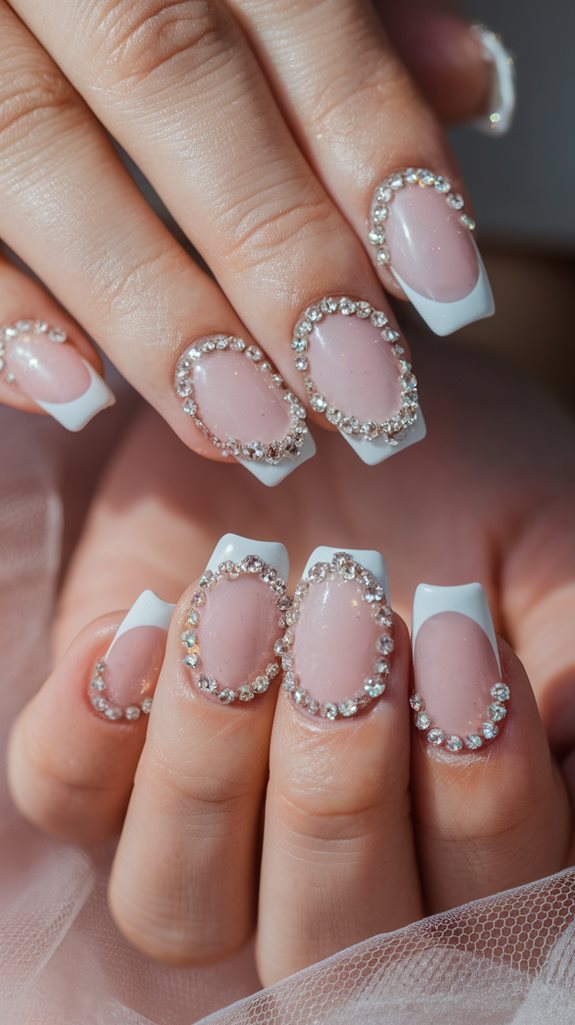
Tiny crystals placed along a classic French tip catch light the way plain polish can’t, which makes this one of the more formal options on this list.
The standard French base goes on first, then the crystals get set with nail glue or a dab of clear gel along the tip line while the polish is still slightly tacky.
A single row of crystals stays understated; covering the full tip in crystals goes maximalist. Either works, depending on the event.
Crystals add weight to the tip, so expect a slightly shorter wear time than a flat design, especially with daily hand use.