23 Simple Fall Nail Designs for a Low-Maintenance Manicure
Fall manicures lean simpler than summer ones. The clothes around them are already doing more work, so the nail doesn’t have to. A chunky sweater and boots need a color that fits the mood, not a loud nail to compete with.
The 23 designs below run from a one-color manicure you can do in ten minutes to a few techniques worth booking a salon appointment for. Our autumn nail ideas piece has more options if none of these are quite right.
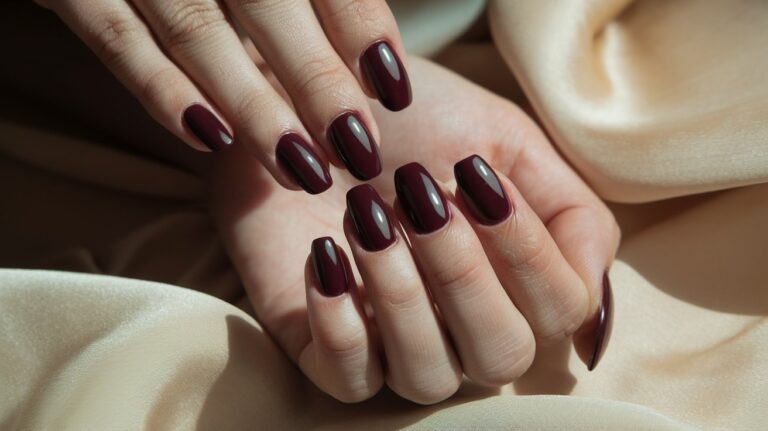
Classic Burgundy Manicure
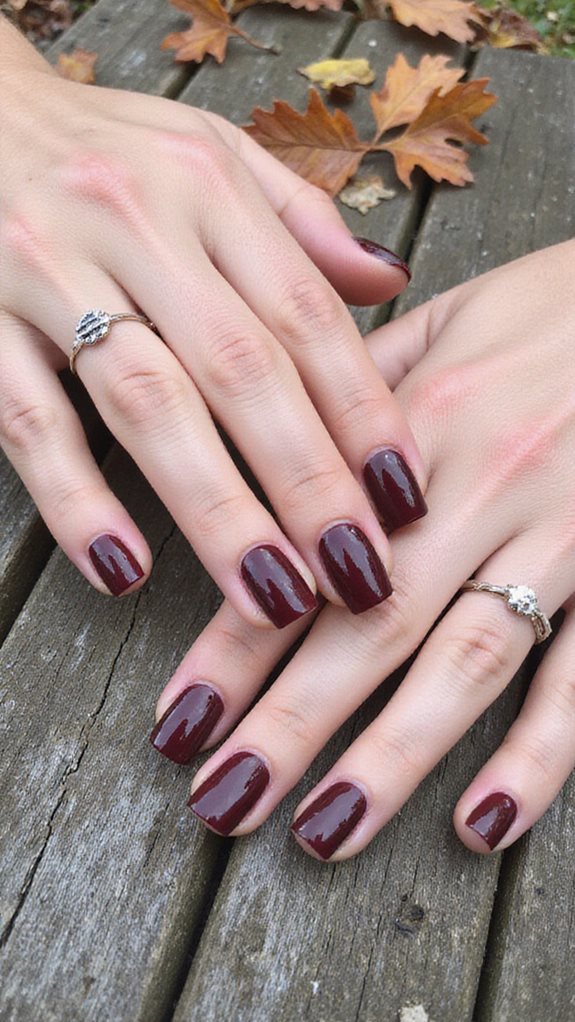
Burgundy stains the nail plate faster than most colors do if you skip a base coat, so that step matters more here than with a lighter shade.
Two thin coats give full color without the polish pooling at the cuticle the way one thick coat would. Let each coat dry before the next, or the top layer drags into the one underneath.
A gel version holds this shade longer than regular lacquer, since burgundy chips at the tip faster than a lighter color and gel resists that better.



Burnt Orange Tips
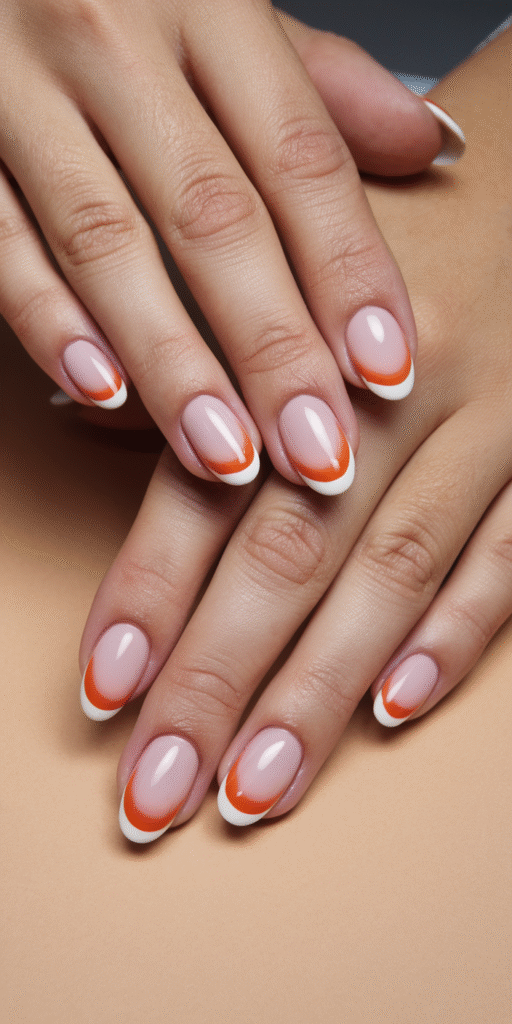
A French tip in burnt orange swaps the classic white line for something that reads as fall instead of bridal.
Cuticle tape angled across the nail keeps the tip line straight; peeling the tape off while the polish is still wet is what keeps the edge crisp instead of jagged.
This shade works on a bare, natural base or over a sheer pink, and it flatters more skin undertones than a stark white tip does.


Nude Base With Gold Foil Accent
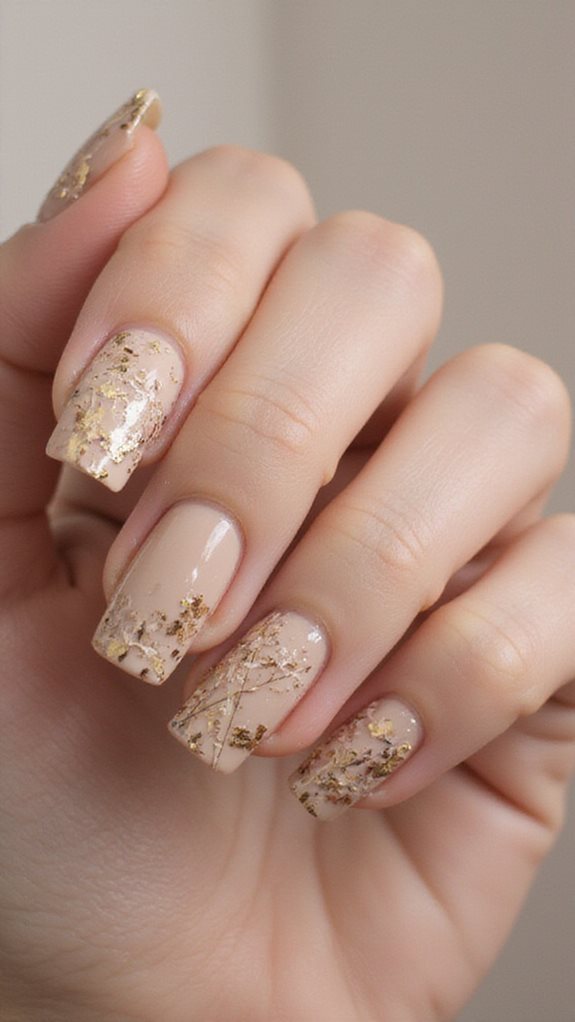
A plain nude base gives foil something to stand out against; foil over a busy design just competes with itself.
Foil sheets need an adhesive layer underneath, not direct contact with wet polish, or the pattern tears when you peel it away. Press the sheet on, then lift it off in one slow pull, and the metallic pattern stays behind on the nail.
One or two accent nails per hand keeps this from tipping into costume jewelry territory. A full set of foil across all ten reads as costume rather than accent, and not in a good way.


Matte Terracotta Nails
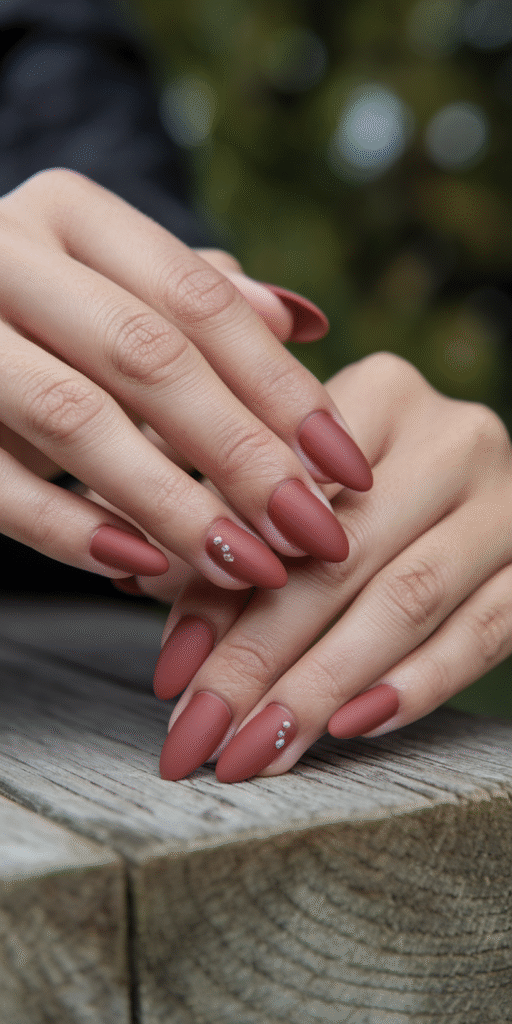
Terracotta reads more like clay than like a typical orange once the shine is gone, which is what a matte topcoat does here.
A light buff of the nail before polish helps the matte topcoat grip; skip it and the finish can flake at the tips sooner than it should.
Two coats of color, then the matte seal on top, in thin layers each time. A single thick coat under a matte finish tends to show brush strokes that a glossy topcoat would have hidden.


Single Leaf Accent Nail
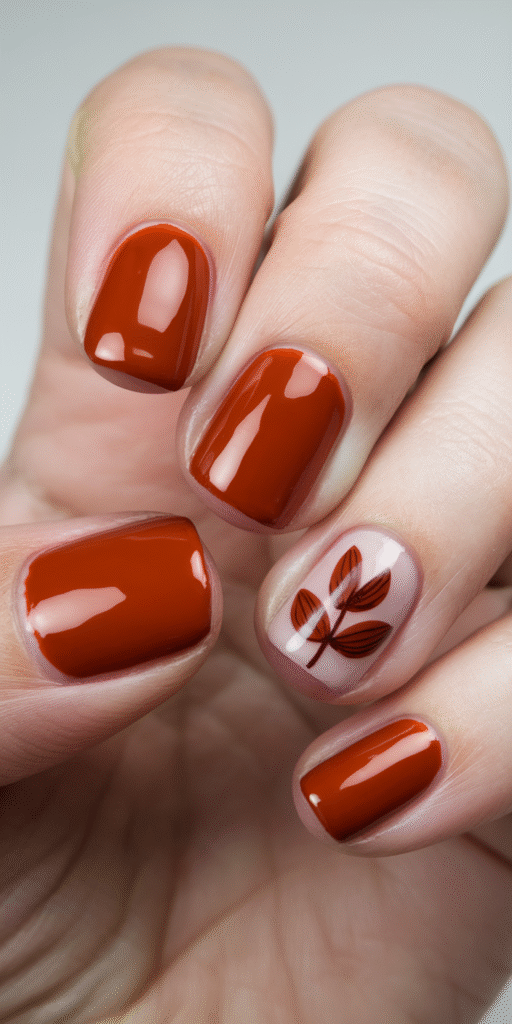
One painted leaf on the ring finger does more for a manicure than nine plain nails and one busy one competing for attention.
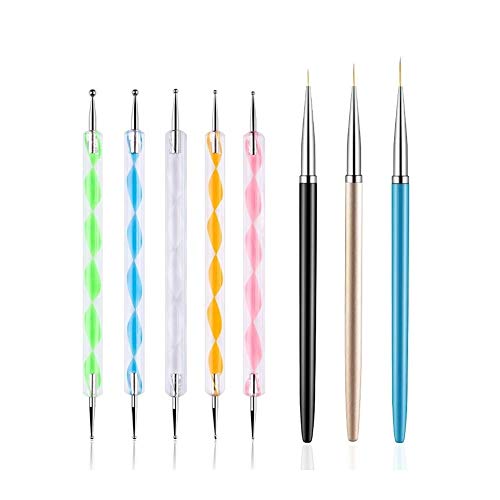
A fine detail brush handles the leaf’s veins better than a standard polish brush, which is built for covering a whole nail rather than a small line.
Burnt orange, burgundy, and copper leaves stand out against a nude or taupe base; the same leaf in the same colors gets lost against a dark background.


Warm Taupe With Copper Details
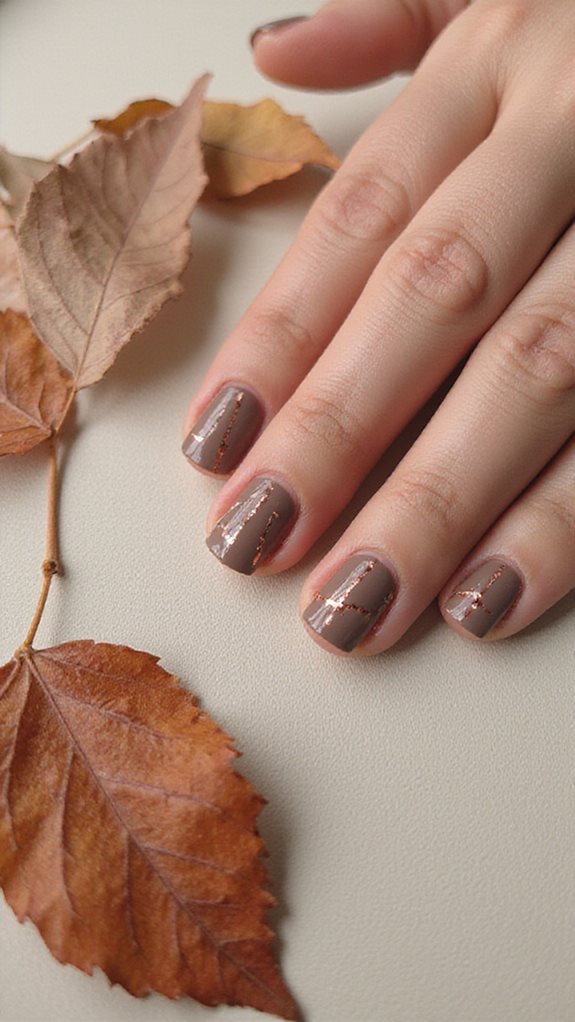
Copper reads warmer against a taupe with pink or brown undertones than it does against a cooler, grayer taupe.
Chrome powder dusted onto tacky, uncured gel gives a smoother metallic finish than copper polish brushed on straight from the bottle.
A copper French tip on a taupe base, or a single copper stripe down the center of each nail, both use the metal as an accent rather than the whole point of the look. Our gold nail ideas collection has more metallic pairings if copper isn’t quite your tone.


Deep Plum Polish
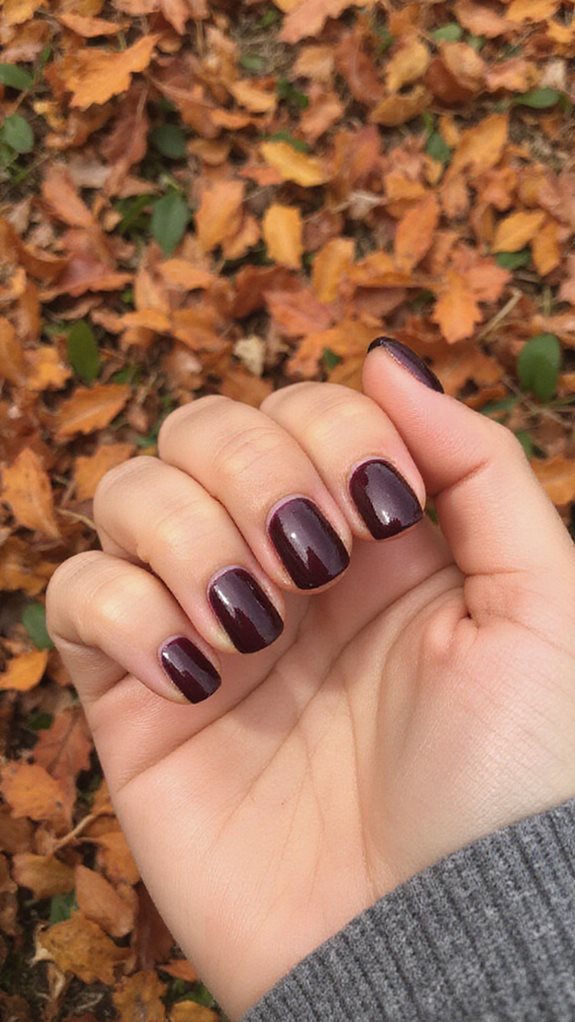
Plum sits close enough to black that a thin first coat can look patchy; two coats fixes that in a way one heavier coat doesn’t.
A cream finish gives even, flat color. A shimmer version has flecks running through it that catch light without changing the base shade.
Plum pairs with cooler skin tones the way burnt orange pairs with warmer ones, and copper or gold jewelry sits well against either.


Mustard Yellow Statement Nails
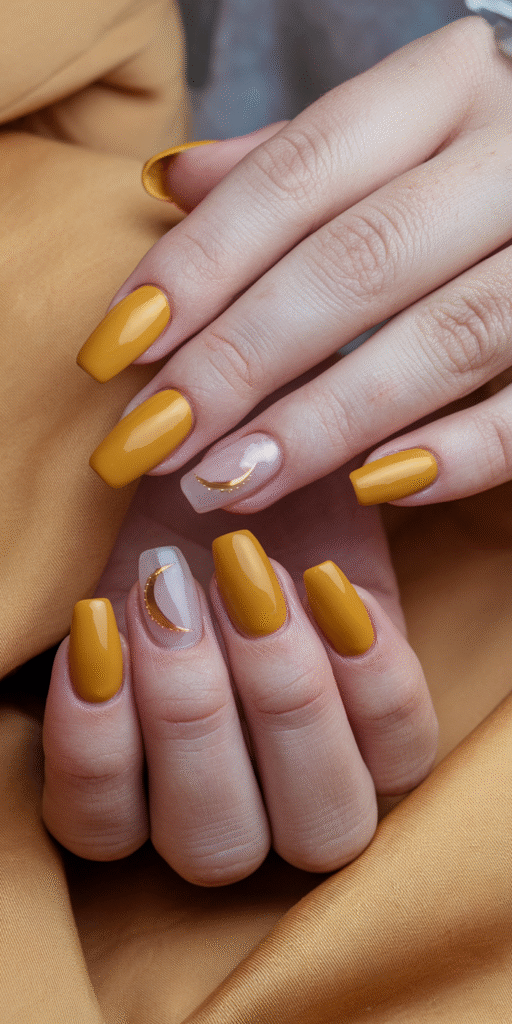
Yellow polish tends to pool at the cuticle more than most colors, so a steady hand and a smaller brush stroke matter here.
A cream or satin finish holds color better than a shimmer does with mustard in particular, since the shimmer particles can wash out the yellow’s depth.
Paired with matte black or navy on an accent nail, mustard reads as an intentional fall color rather than a leftover from summer.


Minimalist Plaid Design
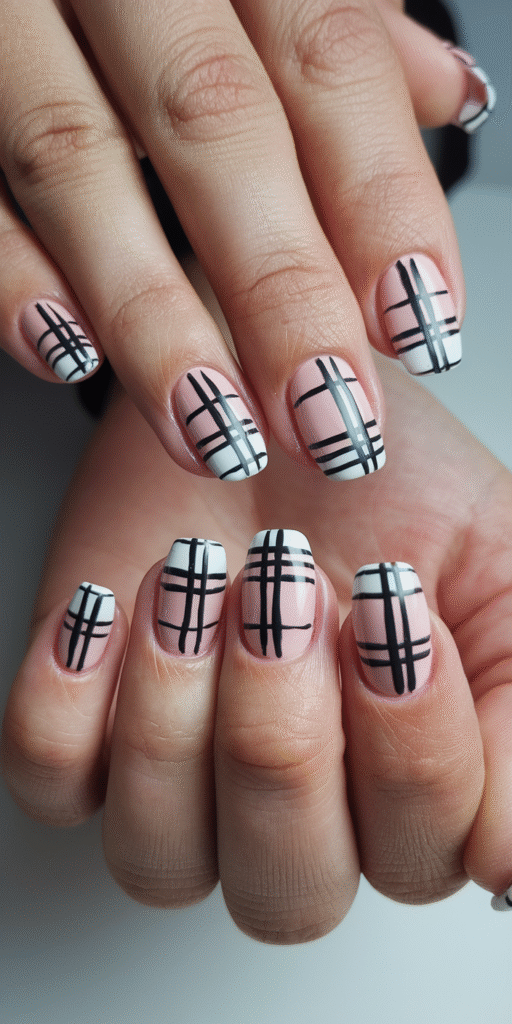
Real tartan has a dozen crossing lines; nail-sized plaid needs no more than two or three to read as plaid at all.
A striping brush or a fine nail art pen draws a straighter line than a regular polish brush can manage at this scale.
Cream or beige works best as the base, since a darker background swallows the thin lines instead of showing them off. This pattern gets busy fast, so it suits shorter nails better than long ones.


Chocolate Brown Mani
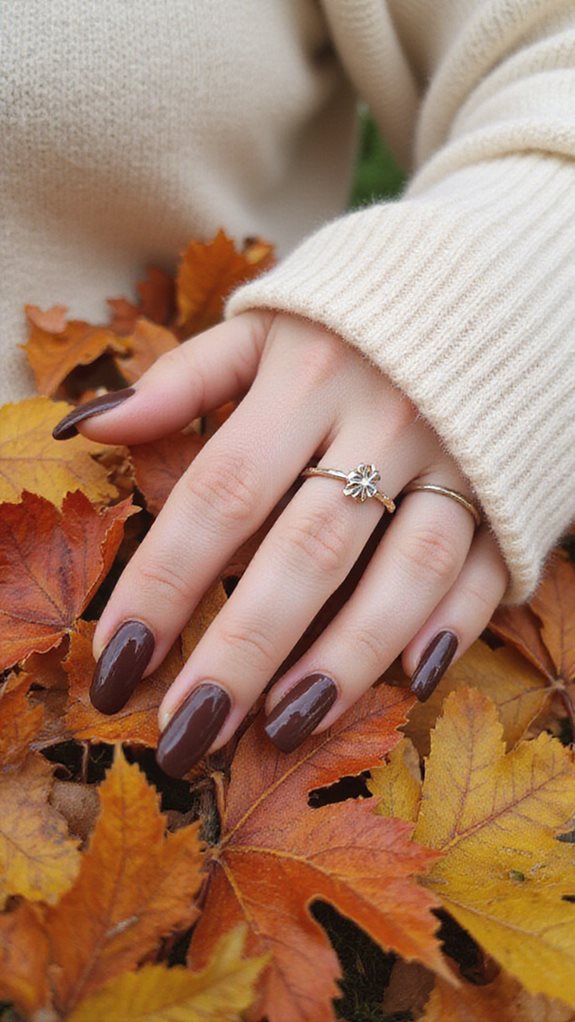
Chocolate brown ranges from a warm espresso to a cooler cocoa, and the undertone matters more here than it does with most neutrals.
A gel version of this color holds up for close to two weeks before chipping becomes noticeable, longer than a regular lacquer holds up.
One base coat, two coats of chocolate, then a topcoat of your choice. Gold foil on a single nail or a negative-space cutout at the base both dress the color up without covering it.


Sage Green With Gold Stripe
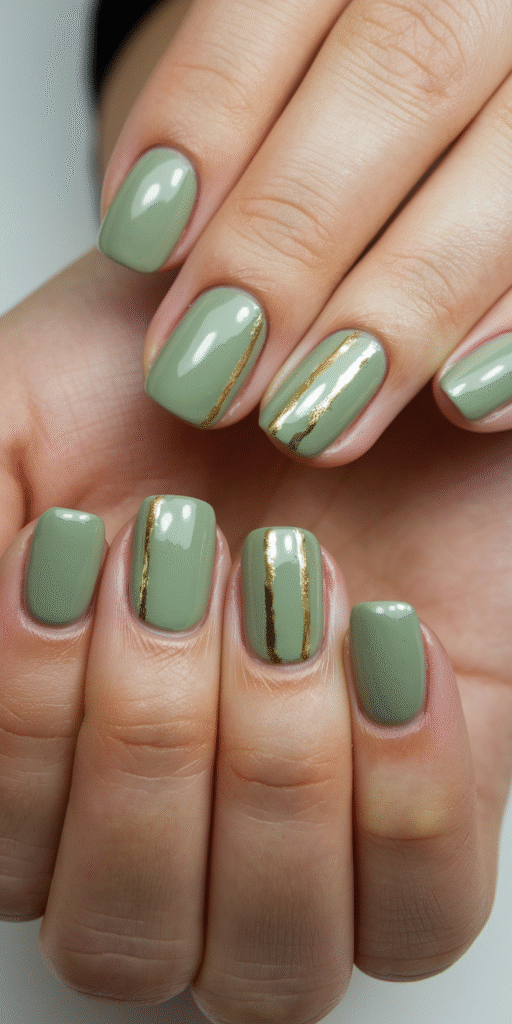
Sage is muted enough that a single gold stripe reads as detail rather than clutter, unlike a brighter green where the same stripe would fight the base color.
Two full coats of sage cover without looking streaky. Gold striping tape laid down the center gives a straighter line than hand-painting does if you’re not confident with a brush.
This combination works on short nails the same way it works on long ones, since the stripe doesn’t need much surface area to read.


Two-Tone Rust and Cream
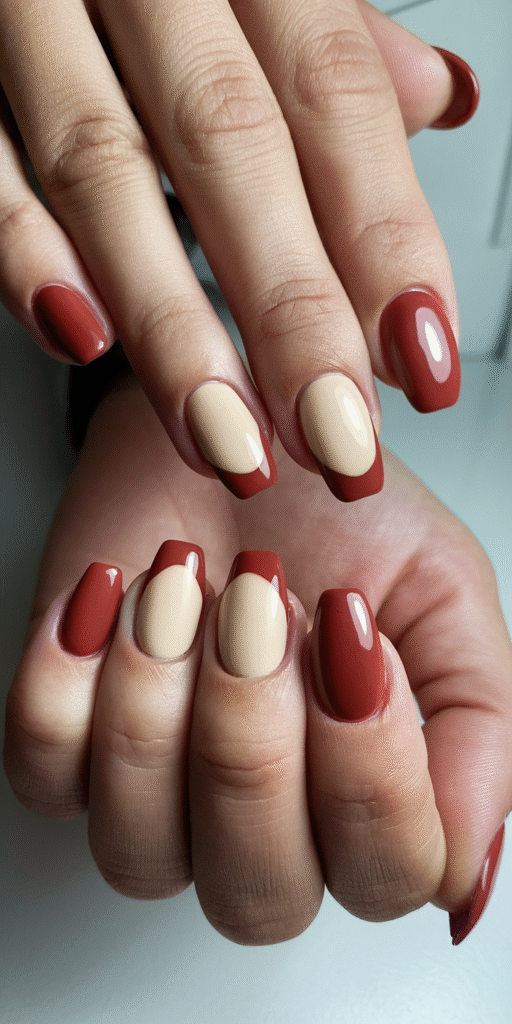
Rust and cream sit close together on the color wheel, which is why alternating them nail to nail looks coordinated instead of random.
A half-moon at the cuticle in one color against a full nail in the other is easier to keep neat than a straight diagonal split.
Both colors need two coats for full opacity; rust in particular can look thin and patchy after one coat.


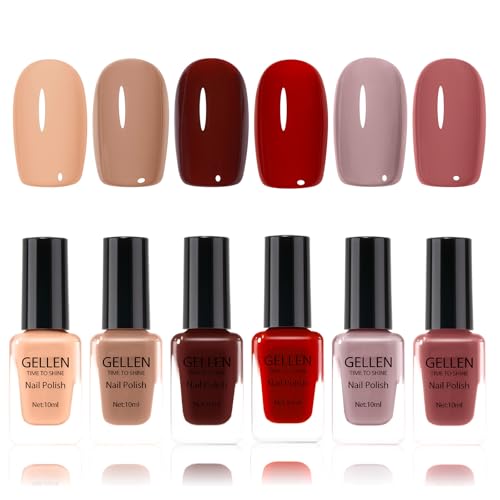
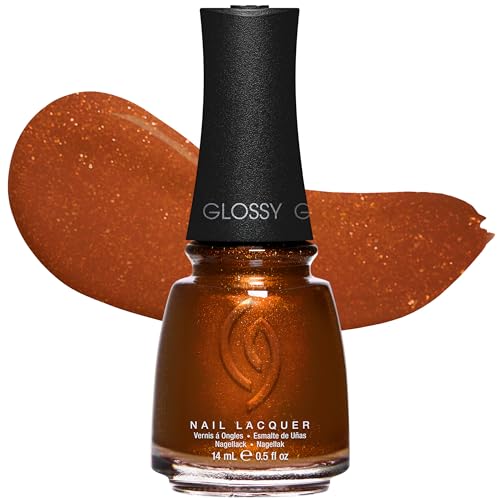
Shimmery Bronze Finish
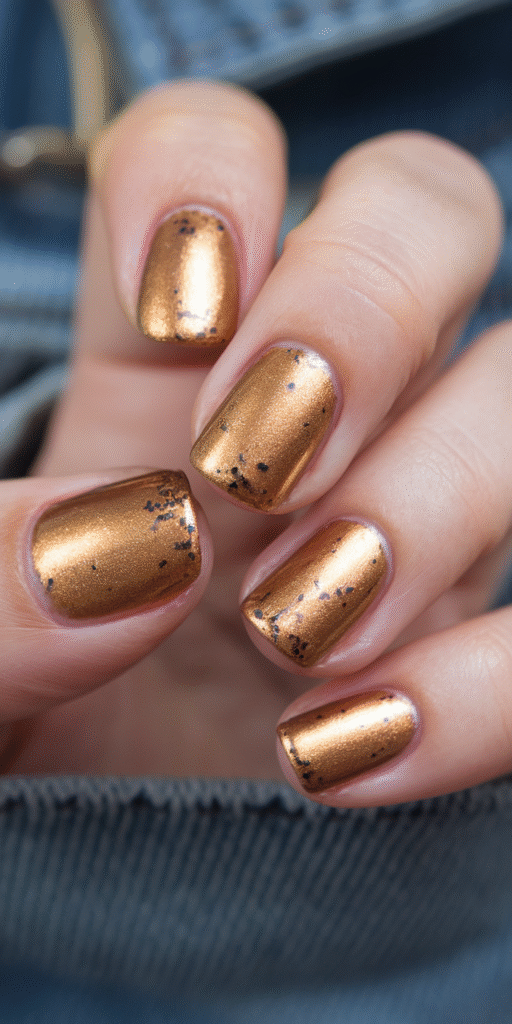
A translucent bronze layered over burnt orange or chocolate brown reads as a different color than the same bronze on its own, since the base shows through the shimmer.
Let each layer cure all the way before the next; bronze shimmer smears more than a solid color if you rush it.
This finish fits right into a wardrobe already leaning toward burgundy and forest green, which describes most fall closets by October.


Neutral Beige With Fall Dots
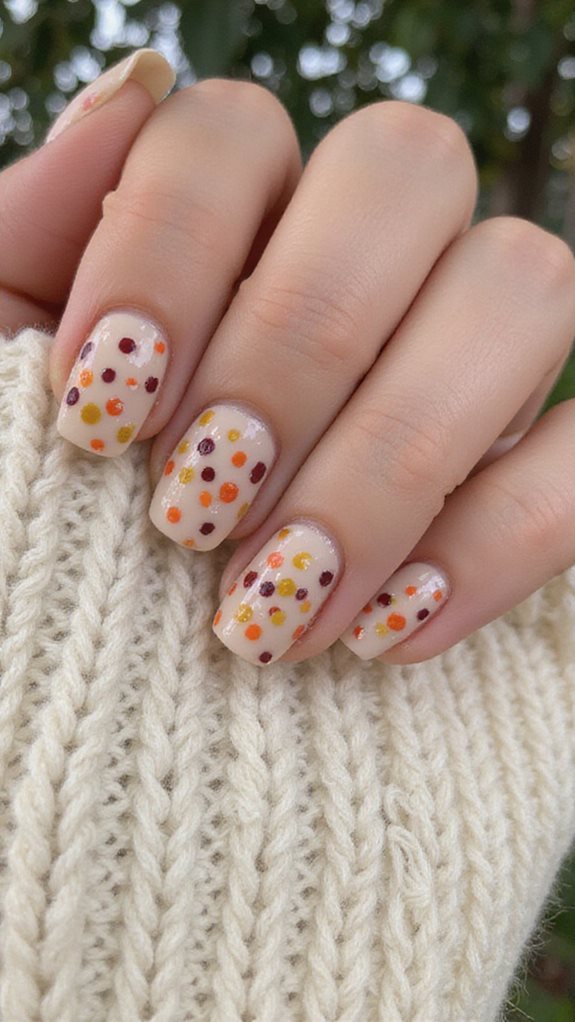
A beige base is quiet enough that dots in burnt orange or burgundy stand out without a bold background fighting them for attention.
A dotting tool gives more consistent circles than a toothpick or the end of a brush, which tends to smear on the second or third dot.
Clustering the dots off-center on one or two nails, rather than spacing them out in a grid across all ten, keeps the design from looking like a uniform pattern.


Oxblood Red Classic
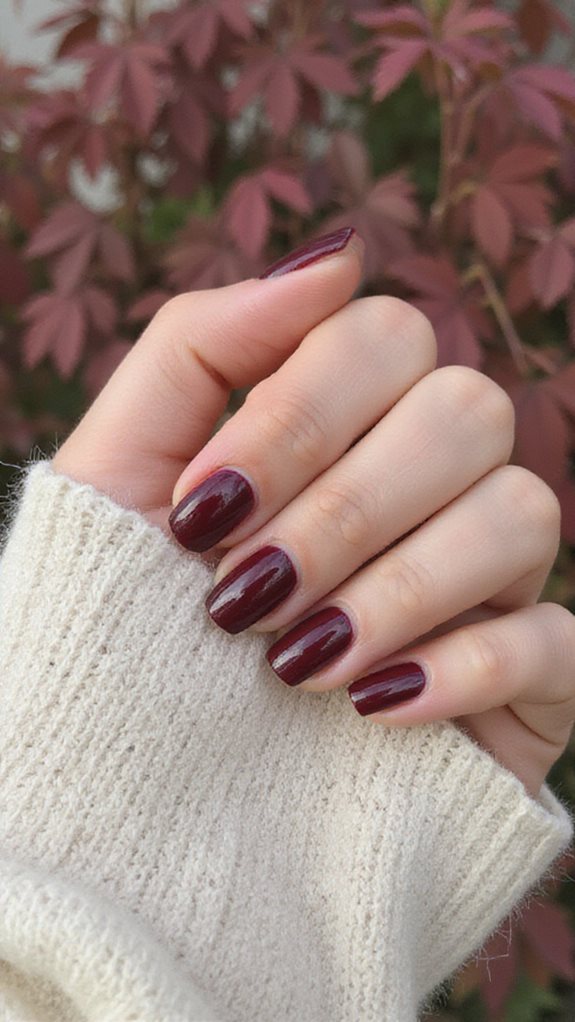
Oxblood sits between red and brown, darker than a true crimson but with less purple in it than burgundy has.
Two coats over a base that resists staining keeps the color from tinting your natural nail underneath, which oxblood can do more than most reds.
This shade has enough depth on its own that it hardly ever needs nail art. A single line of gold at the cuticle is about the one addition worth making.


Caramel Swirl Design

Beige, tan, and coffee-brown blended while still wet create a marbled look that dried polish can’t fake.
Working fast matters more here than in almost any other design on this list, since the swirl has to happen while the gel stays workable under the lamp.
Dragging a dotting tool through the wet colors, rather than brushing them, keeps the swirl looking organic instead of like stripes that bled together.


Forest Green Tips
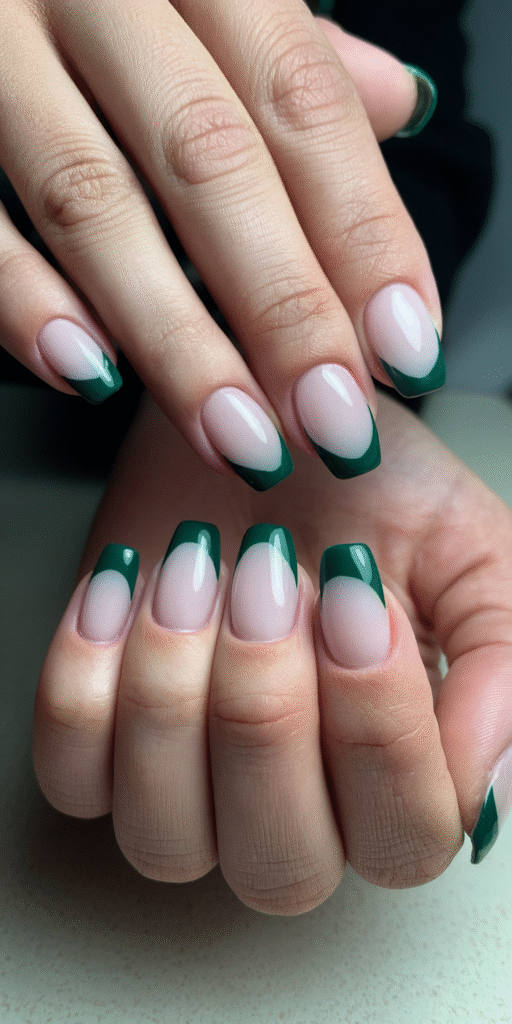
Swapping the white in a French tip for deep emerald keeps the shape recognizable while making it read as fall rather than spring.
A steady hand matters more here than the polish itself, since a wobbly smile line is the one thing that gives away a rushed French tip.
A gradient version, fading from clear near the cuticle into full green at the tip, softens the line for anyone not confident freehanding a crisp edge.


Subtle Tortoiseshell Pattern
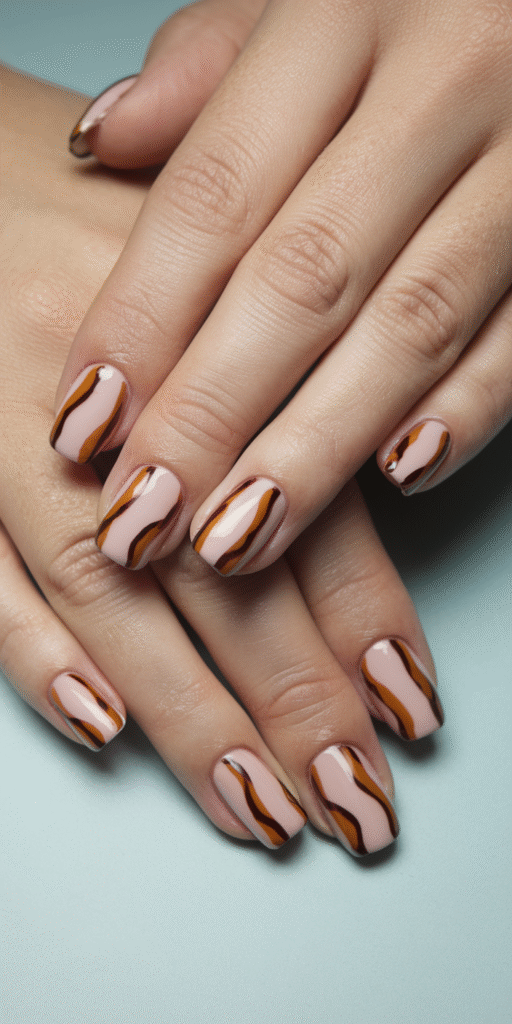
Real tortoiseshell is irregular, so uneven patches of brown read as more authentic than neat, symmetrical ones.
Dabbing translucent brown over a nude base, then adding darker chocolate patches while everything is still wet, is what lets the colors blend at the edges instead of sitting in hard lines.
A few small black dots scattered through the pattern finish the look; too many and it starts to look speckled instead of tortoiseshell.
Warm Cinnamon Shade
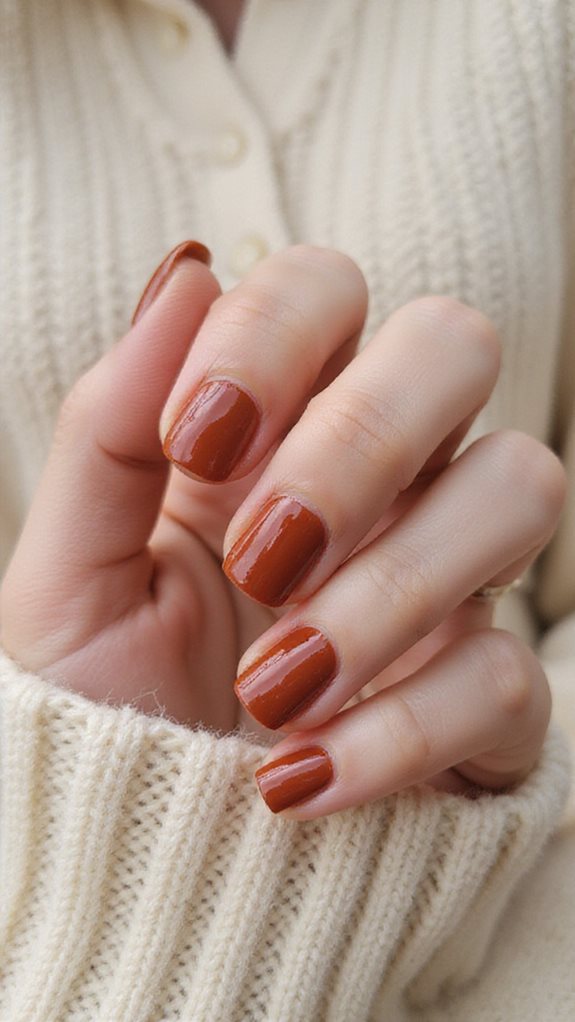
Cinnamon sits between terracotta and brown, and it’s the fastest one-color option on this list if you’re short on time before an event.
Two coats is enough for full color; a third adds little beyond drying time.
Copper striping tape along one edge or a matte topcoat over the whole nail both change the mood of the same base color without touching the shade itself.


Gold Glitter Accent Finger
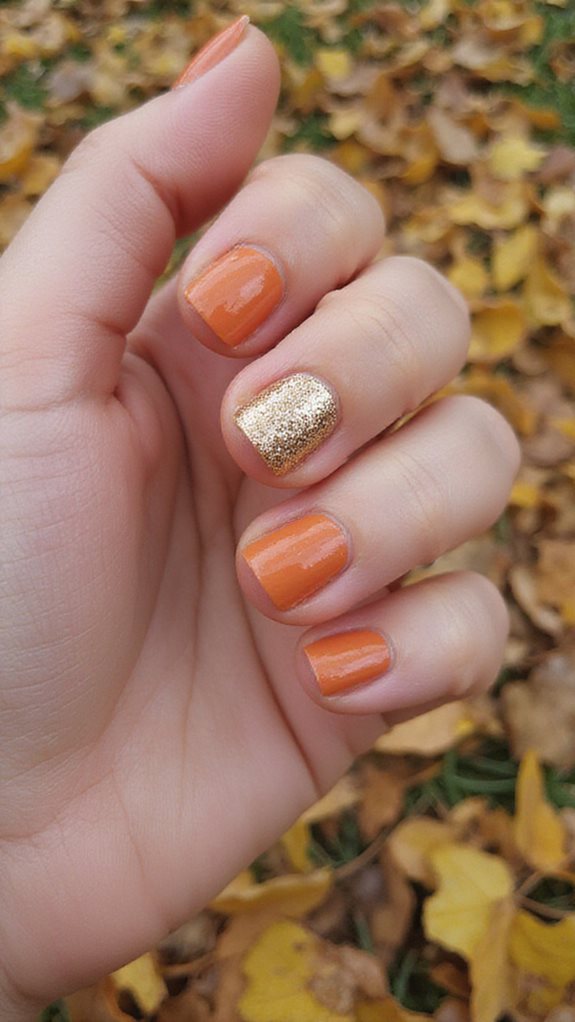
One glitter finger, often the ring finger or thumb, gets the sparkle in without turning the whole hand into a disco ball.
Fine glitter lays flatter and sheds less than chunky glitter, which tends to catch on sweaters and fall off within a day or two.
A thick topcoat over the glitter smooths the texture down; skip it and the surface stays gritty to the touch, which most people don’t want on a finger they use all day.


Pumpkin Spice Orange
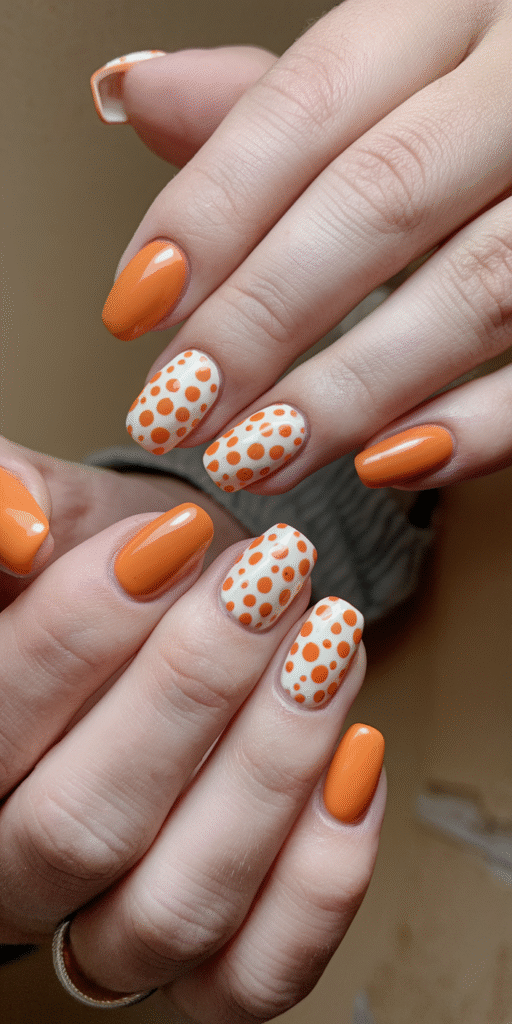
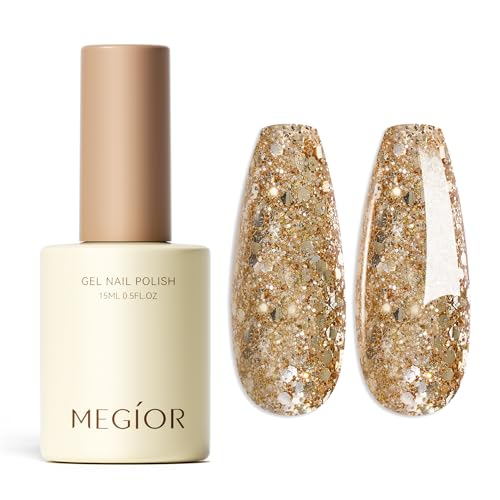
Pumpkin spice orange sits closer to amber than to a true Halloween orange, which is what keeps it from reading as costume-y.
Two coats bring out the depth in this shade; one coat alone tends to look thin, with an orange-yellow cast instead of the deeper amber it’s meant to be.
Layered next to burgundy or chocolate brown on alternating nails, it reads as a coordinated set rather than one loud color standing alone.


Moody Gray Matte

Charcoal and slate both fall under gray, but charcoal leans warmer and slate leans cooler, worth checking against your skin before picking one.
The matte topcoat here is doing the real work; the same gray in a glossy finish reads as a whole different, more corporate color.
Matte topcoat tends to lose its flat finish after a few days as natural oils from your skin work into it, so a fresh coat every three days or so keeps it looking the way it did on day one.


Cranberry French Tips
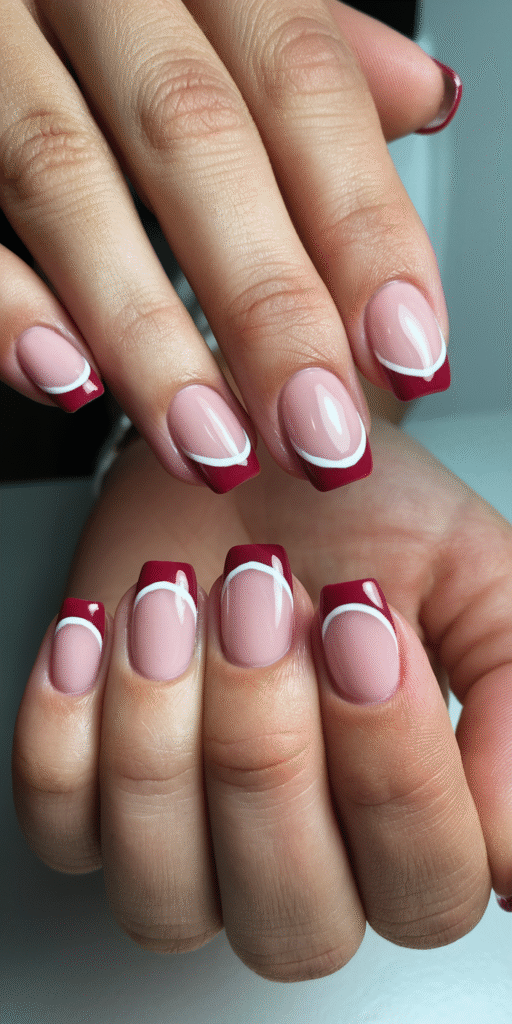
Cranberry instead of white at the tip is the third French-tip variation in this list, and each one changes the whole feel of the same basic shape.
This version elongates almond and oval shapes more than it does square nails, since the tip color draws the eye toward the point.
A nude or sheer pink base underneath keeps the focus on the cranberry line rather than competing with it for attention.

Frequently Asked Questions
How Long Do Fall Nail Designs Typically Last Before Needing a Touch-Up?
Regular polish holds up for about a week to ten days before chipping shows at the tips. Gel stretches that to two or three weeks, which is worth the extra cost if you don’t want to touch up mid-month.
What Nail Shape Works Best for Fall Manicure Designs?
Almond and coffin shapes give patterns like plaid, leaves, or gradients more surface area to work with than a short, rounded shape does.
Can I Do These Fall Nail Designs on Short Nails?
Short nails handle most of these fine, the single-color looks and simple accent designs most of all. Skip the busier patterns like plaid or tortoiseshell on very short nails, since there isn’t enough room for the detail to show.
How Do I Prevent Dark Fall Polish Shades From Staining My Nails?
A ridge-filling base coat under any dark color, burgundy, oxblood, and plum most of all, keeps the pigment from soaking into the nail plate. Removing polish with a proper remover rather than picking it off also cuts down on staining over time.
What Top Coat Is Best for Making Fall Manicures Last Longer?
A quick-dry topcoat like Seche Vite or Essie Gel Couture holds up well and dries fast enough to avoid smudging. Sealing the free edge of the nail, not just the top, is the detail most people skip, and it makes the biggest difference of any of them.
Final Thoughts
Most of these designs come down to two coats of color and a topcoat that matches how you want the finish to feel, matte, glossy, or somewhere in between.
Pick one solid color first if you’re new to any of this, then add an accent nail or a stripe once you’re comfortable. Our guide to pairing nail color with an outfit and our trendy fall outfit picks both pair well with the shades above.