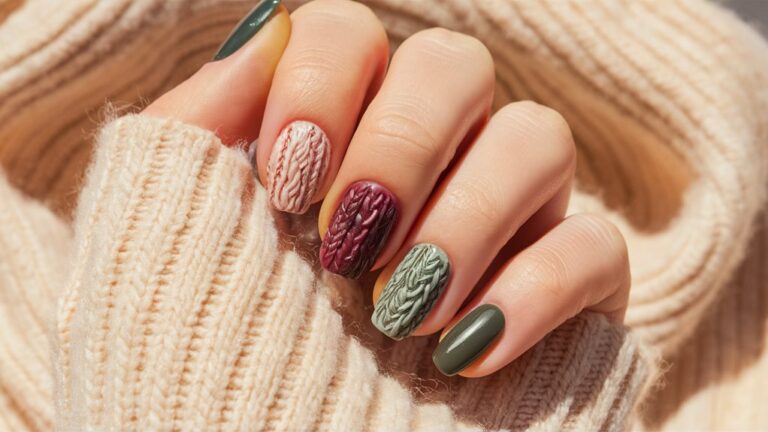
23 Autumn Nail Ideas For Women
Fall gives you permission to swap out summer’s brights for something moodier: burgundy, burnt orange, deep green, the kind of colors that already show up in your sweaters and your coffee order. If you’ve been stuck in the same neutral rotation, this is the season to branch out.
Below are 23 shades and finishes worth trying this fall, from wine-dark classics to a few unexpected picks like sage green and mustard yellow. Each one includes a note on how to actually pull it off, not just what it looks like in a bottle.
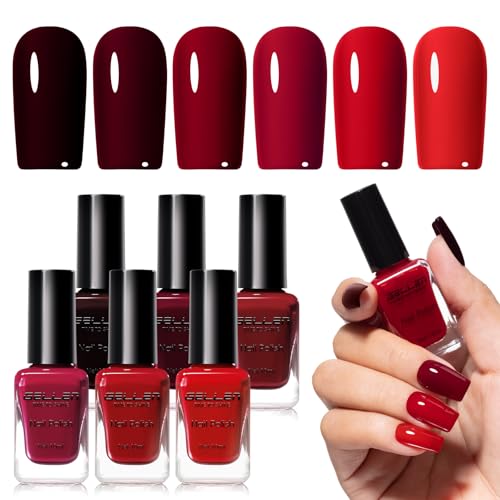
Classic Burgundy Elegance

Burgundy is the shade most people reach for first once the temperature drops, and there’s a reason it never really goes out of style. It looks polished without trying too hard.
It works on short squares and long almonds alike. Go for a deeper oxblood if you want something more office-appropriate, or a lighter berry-burgundy if you want it to carry into evening wear without looking too severe.
Skip the nail art on this one. A clean, glossy finish is really all burgundy needs to look expensive.
If you want to dress it up, a thin gold line at the cuticle is enough. Otherwise let the color do the work.



Burnt Orange Sunset

Burnt orange is louder than burgundy but still fits nearly every skin tone, since it leans warm rather than neon-bright. Think pumpkin skin, not traffic cone.
It’s an easy color to get bored of if you keep it flat, so a lot of salons are doing a gradient version instead, fading from a deep crimson at the cuticle into a lighter orange at the tip. It mimics an actual sunset without being literal about it.
Matte finishes tone it down for daytime; glossy keeps it feeling like a night-out color.


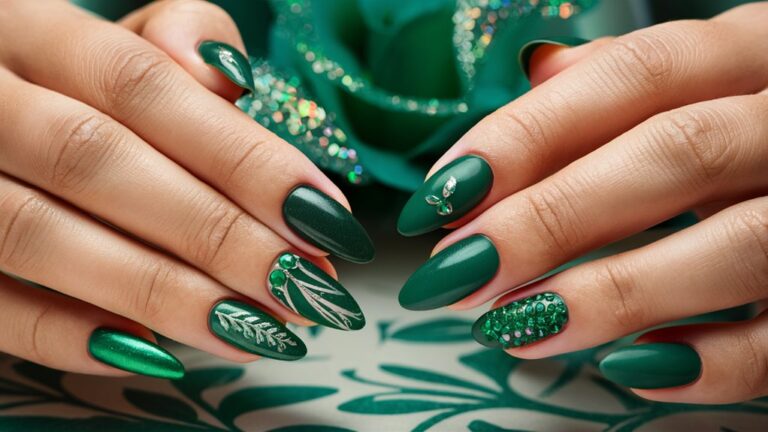
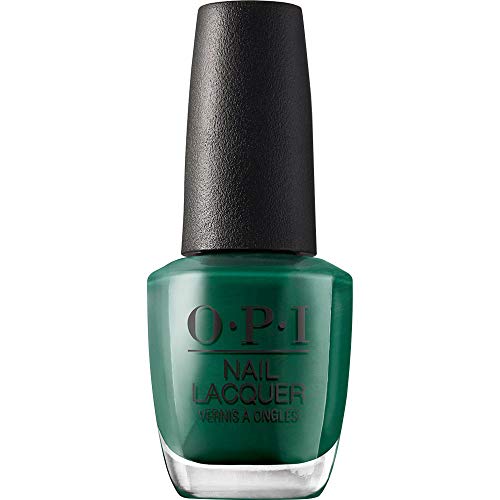
Deep Forest Green

Forest green doesn’t get talked about as much as burgundy or orange, but it’s often the more flattering fall color for people who find warm tones don’t suit them. It sits closer to a pine or moss than anything neon.
High-gloss makes the color look richer and deeper; matte pulls it toward something more understated, almost like a painted stone. Both work, it just depends on how much attention you want your hands to get.
A single gold line or a couple of tiny painted leaves near the cuticle is enough decoration. Forest green doesn’t need much help.


Moody Plum Perfection

Plum sits between burgundy and true purple, and it’s a good pick if you like dark colors but want something a little less serious than black. It reads dramatic without being goth.
It looks good on nearly any nail shape, though it photographs especially well on a coffin or almond tip where the color has more surface to catch light. Two coats will get you full, even payoff.
If you want to see how plum compares to a true violet or lavender before committing, this roundup of dark purple nail looks is worth a scroll.
A matte topcoat on just one or two accent nails gives the set some texture without losing the color’s depth.


Golden Harvest Shimmer

A warm gold shimmer is one of the few metallics that actually looks right in autumn light instead of just at holiday parties. It picks up the same tones as turning leaves.
Layer a sheer gold shimmer over a nude or light copper base rather than wearing it solid; it reads more like sunlight than glitter that way. A gradient from champagne near the cuticle to a deeper amber at the tip adds some depth too.
For extra texture, press a few loose gold flakes into the topcoat while it’s still wet.

Rustic Copper Glow

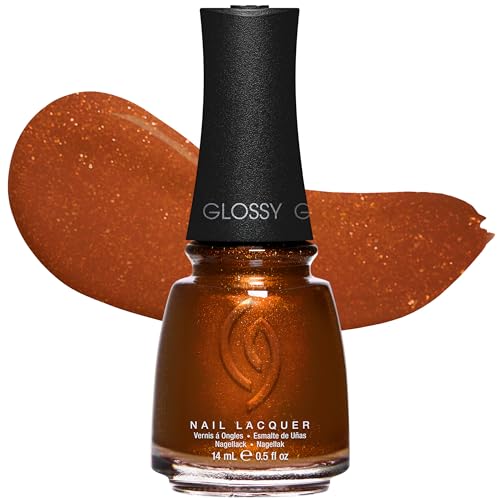
Copper sits between orange and bronze, warmer than most metallics and less obviously “shimmery” than gold. It’s a good option if you want a metallic that still looks wearable on a Tuesday.
Build it up in thin, slightly translucent layers over a matte topcoat rather than one heavy coat. It gives the color a worn, hammered-metal look instead of a flat shine.
Pair copper with a warm taupe or mushroom gray base on alternating nails if you want the metallic to feel intentional rather than like the only thing happening on your hand.


Dark Chocolate Brown

Chocolate brown is the low-effort, high-payoff pick on this list. It suits basically every skin tone and doesn’t need a single coat of nail art to look finished.
A glossy finish looks almost lacquered, like actual melted chocolate, while matte reads more like suede. Against gold jewelry, either finish holds its own.
If you want a bit more going on, layer two slightly different browns down the same nail, or add a copper foil accent to one finger.


Pumpkin Spice Orange

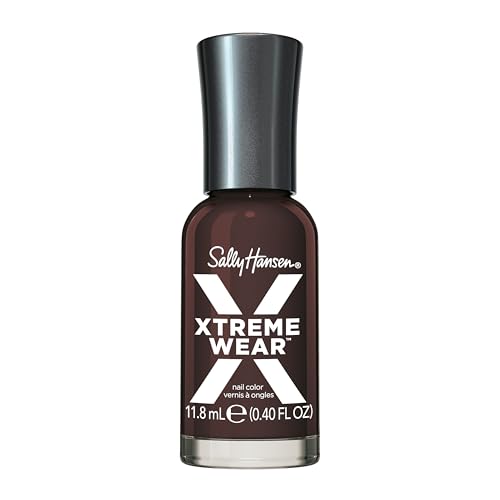
Pumpkin spice orange is a little softer and more muted than burnt orange, closer to the actual color of a pumpkin than a traffic sign. It’s the most literal “fall” color on this list, in the best way.
A cream finish keeps it looking soft; matte gives it more of an edge. It’s also a solid base for small nail art, like tiny painted leaves or a scattering of gold glitter near the tip.
This one holds up well in an office setting if you keep the finish matte and skip anything glittery.


Wine Red Sophistication

Wine red isn’t exclusively an autumn color, but it earns its place here because it pairs so well with everything else on this list. It’s less brown-toned than burgundy, more toward a true crimson.
A glossy crimson finish photographs the truest to the actual polish color; a matte version reads a little more subdued and works well for daytime.
Try it with a nude base on alternating fingers for an ombre effect, or pair it with copper metallic accents if you want more contrast than red-on-red.

Olive Green Matte

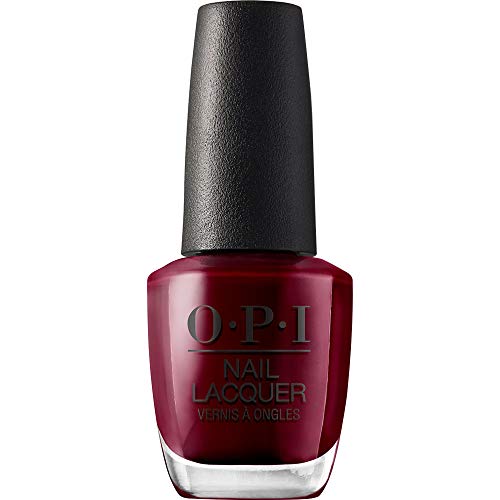
Olive is the shade to try if you want something that feels like fall without being warm-toned. It’s closer to khaki than to forest green, with a slightly gray, almost military undertone.
Matte is really the only way to wear this one. A gloss finish makes olive look closer to a muddy avocado, but matte gives it the flat, textured look that makes the color work in the first place.
Most matte topcoats will convert any glossy olive polish, so you don’t need to hunt for a matte-formulated bottle specifically.


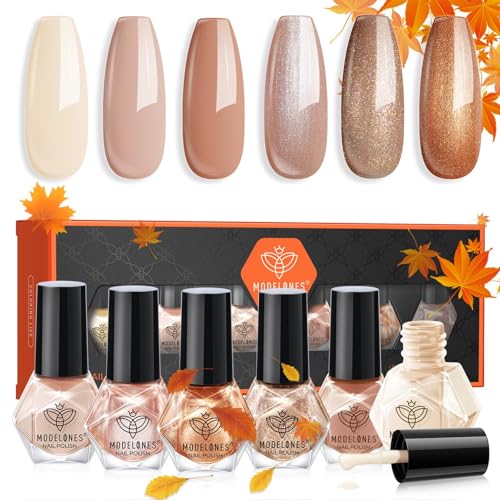
Caramel Latte Nude

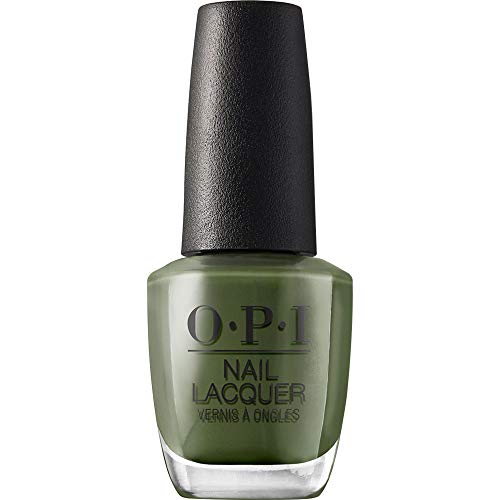
If the darker shades on this list feel like too much of a jump, caramel latte is the easiest entry point. It’s basically a warmer beige, closer to a milky coffee than a stark nude.
It suits nearly every skin tone and works in any setting, which makes it a safe pick if you’re between jobs or events and don’t want to think too hard about your manicure.
Apply it in two thin coats rather than one thick one. Nudes show streaks more than dark colors do, so a careful application actually matters here.

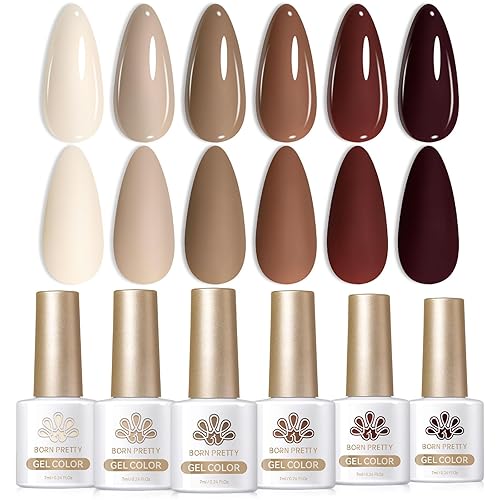

Cranberry Red Gloss

Cranberry sits closer to pink than wine red does, with more of a jewel-toned punch. It’s a good option if you want a red that doesn’t lean brown or orange at all.
Keep the finish glossy; matte tends to mute cranberry’s brightness more than it does with other dark reds. Pair it with gold accents if you want a little more shine, or a matte black on one accent nail for contrast.
It’s a good choice for dinner parties or anywhere with candlelight, since the gloss really does catch the light.


Mustard Yellow Accent

Mustard is the one shade here most people are hesitant to try on all ten nails, and honestly, they’re not wrong to be cautious. It works much better in small doses.
Use it on a ring finger accent nail against a burgundy or forest green base rather than wearing it solo. That way you get the warmth of mustard without it dominating the whole look.
Thin geometric lines in mustard over a nude base are another low-commitment way to work it in.


Espresso Brown Depth

Espresso is a shade darker and cooler than chocolate brown, closer to black than to caramel. It’s a good pick if you want something dramatic that still counts as a neutral.
A velvety matte look works well for daytime here; a glossy version reads more like a night-out polish. Either way, the color pairs easily with camel coats and burgundy sweaters without clashing.
Because the shade already has so much depth, you don’t need any nail art at all. A single coat of a good gel formula does most of the work.


Amber Gold Metallic

Amber gold shifts between honey and burnished copper depending on how the light hits it, which is what separates it from a flat gold shimmer. It’s more chrome than glitter.
Chrome powder over a gel base gives you the most mirror-like finish, though a premium metallic polish with built-in shimmer particles gets you most of the way there without an extra step.
Pair it with deep burgundy for a two-tone set, or alternate it with matte black if you want something a bit edgier.


Terracotta Clay Warmth

Terracotta sits right between burnt orange and brown, closer to the color of actual clay pottery than either. It’s an easy match for warm skin tones especially.
A rough, slightly chalky matte texture mimics real terracotta far better than a shiny gloss does. It works across nail lengths, from short practical shapes to longer stiletto tips.
Layer a translucent terracotta base with a subtle shimmer topcoat if you want some depth without losing the matte look overall.
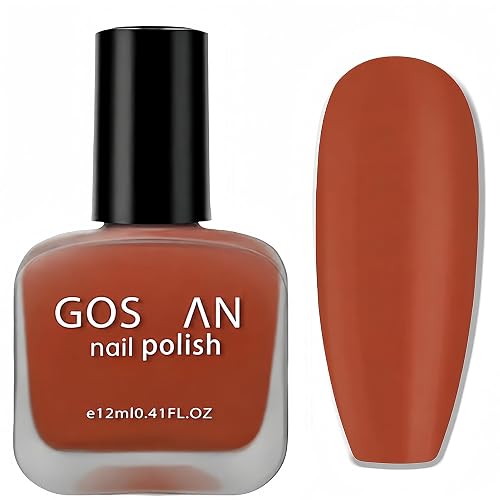


Mahogany Wood Finish

Mahogany goes a step darker than terracotta, into true burgundy-brown territory. Think stained wood furniture rather than fallen leaves.
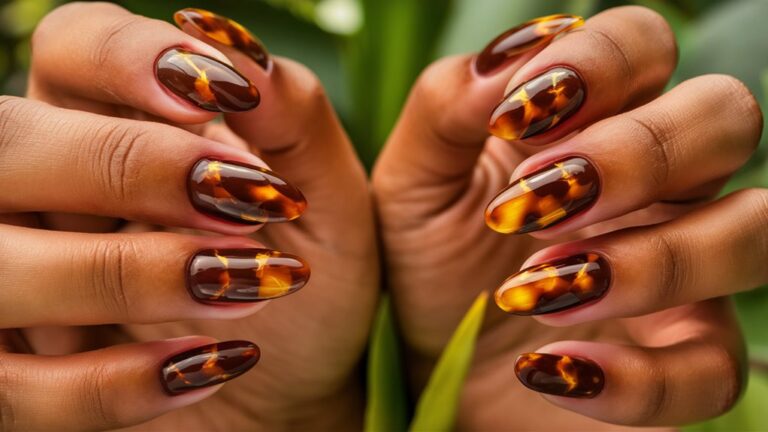
Build it up in layers of translucent amber glaze over a darker base to get an actual wood-grain look, or keep it as one solid coat if you’d rather skip the extra steps. Both look sophisticated either way.
This shade shows especially well on longer almond or coffin shapes, where there’s more surface for the depth to register. If you’re not sure which shape suits you, this comparison of almond versus coffin nails breaks down the differences.

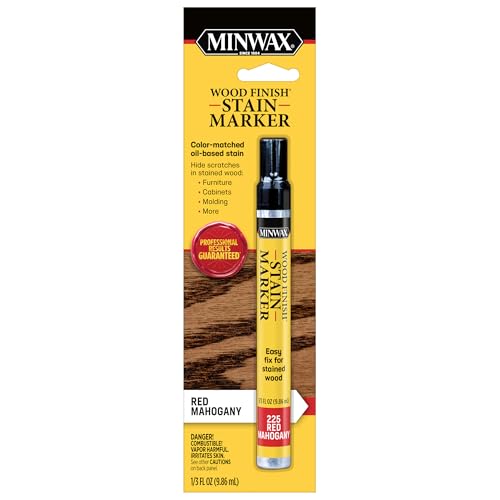

Cinnamon Spice Sparkle

If you want a little sparkle without going full holiday glitter, cinnamon spice does the job. It’s a warm, reddish brown with fine gold particles mixed through it rather than chunky glitter.
A gradient works best here: start with a deeper cinnamon at the cuticle and blend toward lighter, more sparkle-heavy tips. Layering a burnt orange base under copper glitter topcoat gets you close to that effect.
It’s a good choice for a coffee date or a casual dinner, somewhere between office-safe and going out.
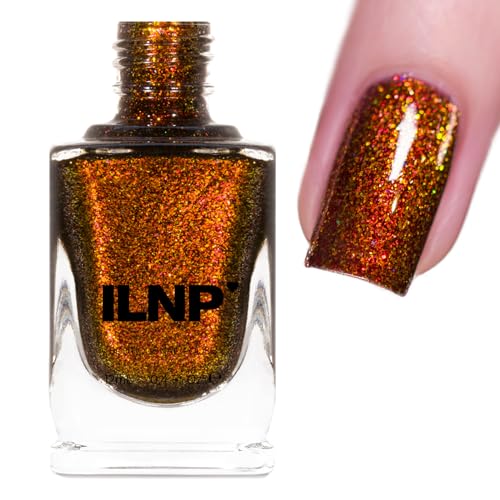

Berry Burgundy Blend

Blending cranberry and wine into one ombre gives you more range than either color wearing alone. Start dark at the cuticle and lighten gradually toward the tip.
Try keeping most nails glossy and one or two matte for a bit of texture variation across the set.
Add a small gold foil accent at the cuticle on one or two nails if you want a bit more detail. Stick to mulberry, plum, and deep cherry as your blending colors, since they all sit in the same warm undertone family.


Chestnut Brown Richness

Chestnut lands right between chocolate and caramel, a shade most people find easy to wear without much thought. It’s probably the most versatile brown on this list.
A glossy patent finish looks polished for meetings; matte suits weekends better. Either way, chestnut pairs well with cream for a soft French tip, or with copper for a subtle gradient.
Worn alone, it’s understated. Layered with burnt orange, it gets a lot bolder without needing any extra design work.

Maple Leaf Orange

Maple leaf orange is the brightest, most saturated shade on this list, closer to the color of a maple leaf at peak color than anything muted. It’s not for anyone who wants to blend in.
It suits shorter nails particularly well, since the intensity of the color can look overwhelming on very long tips. Hand-painted leaf details or precision stamping are common ways to work in an actual maple motif.
Used as an accent nail against a neutral base, it adds punch without taking over the whole set.

Sage Green Softness

Sage doesn’t fit the usual warm-and-fiery autumn palette, but it’s shown up on runways and in salons for a reason. It pairs well with cream, dusty rose, and champagne gold without competing.
It works in both matte and shimmer finishes, and it’s forgiving of a slightly imperfect application since the muted tone doesn’t show streaks the way a bright color would.
Try it as a single-color set for something quiet and a bit different from the usual fall rotation, or use negative space designs to keep it from feeling too plain.


Bronze Metallic Finish

Bronze sits warmer and darker than amber gold, closer to a burnished, antique metal than a bright shimmer. It looks like sunlight on fallen leaves more than jewelry.
High-shine chrome finishes are trending for this color right now, achieved with either chrome powder over a gel base or a premium metallic polish with shimmer already built in.
It works well as an accent nail against a matte neutral, or across all ten fingers if you’re comfortable going bold.
Frequently Asked Questions
How Long Do Autumn Nail Colors Typically Last Before Chipping?
Most regular polish lasts around 7 to 10 days before chipping, though dark reds and browns tend to show wear less obviously than lighter shades. A good base coat and topcoat make the biggest difference here, more than the color itself.
What Nail Shape Works Best With Dark Autumn Shades?
Oval and almond shapes tend to look elegant with dark colors since the tapered tip softens the intensity. Square and coffin shapes give the color more surface area, which makes deep burgundies and chocolate browns look richer and bolder.
Can I Mix Different Autumn Colors on the Same Hand?
Yes, and it’s an easy way to get more mileage out of a manicure. Burnt orange next to deep burgundy, or golden yellow next to chocolate brown, both work because the colors share the same warm base tone.
How Do I Prevent Autumn Nail Polish From Staining My Nails?
Always apply a base coat before color, especially with deep reds and oranges, which stain the most. The base coat acts as a barrier so pigment doesn’t sit directly on your nail plate. If you’re dealing with nails that are already weak or peeling, it’s worth reading this guide to caring for brittle nails before your next manicure.
What Top Coat Should I Use to Make Autumn Colors Pop?
A high-gloss topcoat brings out the most saturation and shine, which matters especially for muted shades like sage or caramel that can otherwise look flat. It also adds a layer of protection that helps the manicure last longer.
Final Thoughts
Fall is really the one season where deep, moody colors and warm metallics both feel appropriate, so there’s no wrong way to build your rotation from this list. Start with whichever shade matches something already in your closet and go from there.
If you’d rather keep things simple this year, this list of low-maintenance fall nail designs is a good place to start, and it pairs easily with any of the colors above.