Caring for Brittle Nails: Guide to Stronger, Healthier Nails
Nails that split, peel, or crack at the corners aren’t just a cosmetic annoyance. They usually point to something specific, like over-washing, a mineral gap in your diet, or damage left over from a string of gel manicures.
Caring for brittle nails starts with figuring out which type you have, since the fix for dry, cracking nails is nearly the opposite of the fix for soft, bendy ones. Here’s how to tell them apart and build a routine that actually strengthens them.
Dry and Brittle vs Soft and Brittle: Which Type Do You Have?
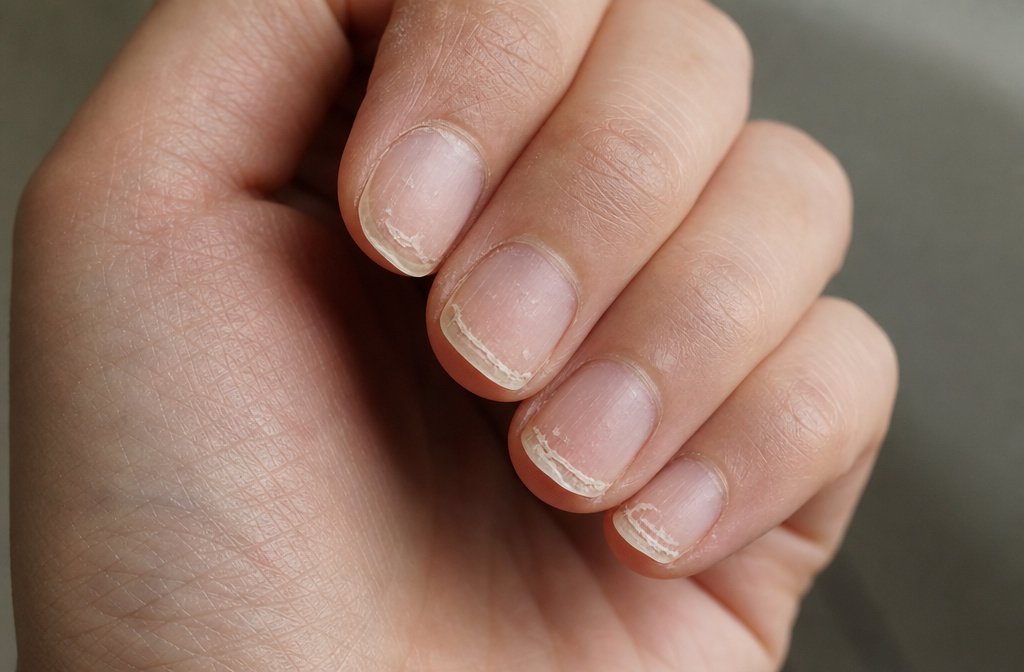
Brittle nails actually split into two categories, a distinction Cleveland Clinic dermatologists outline in detail, and most nail care advice only covers one of them.
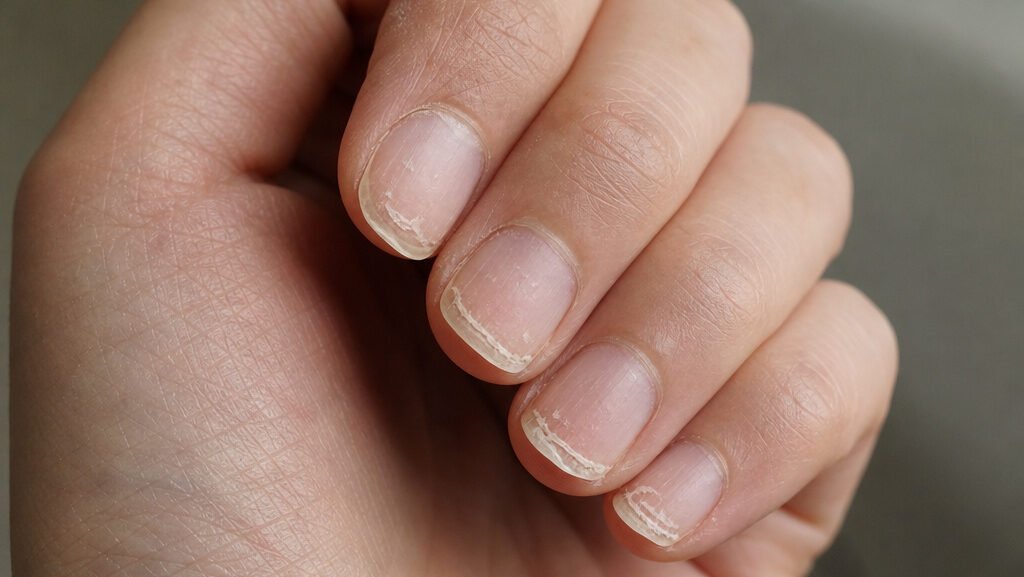
Dry and brittle nails crack, split, and peel in layers. This comes from too little moisture, usually from repeated handwashing and drying without replacing the moisture afterward.
Soft and brittle nails bend, tear, and feel almost rubbery before they snap. This is usually caused by too much moisture exposure, often from detergents, household cleaners, or frequent contact with nail polish remover.
| Sign | Dry and Brittle | Soft and Brittle |
|---|---|---|
| How they break | Split into visible layers at the tip | Bend, tear, or fold before snapping |
| Underlying cause | Too little moisture | Too much moisture exposure |
| Common trigger | Frequent handwashing without moisturizing | Detergents, cleaners, frequent acetone use |
| What helps most | Cuticle oil, rich hand cream, limiting hot water | Gloves for wet work, drying nails fully after washing |
Most people actually have a mix of both, especially if hand washing and cleaning products are both part of a daily routine. The fixes below work for either type, though a few are weighted more toward one or the other.
What’s Actually Causing It
A few factors show up again and again in dermatology research on brittle nails.
Age. Nails grow slower as you get older, and slower-growing nails spend more time exposed to dry air, water, and hand sanitizer before they’re trimmed away. This is part of why brittleness becomes more common later in life.
Nutritional gaps. Low protein intake limits keratin production, the structural protein nails are made of. Iron deficiency can cause brittle or spoon-shaped nails specifically, and low vitamin C limits the collagen your body needs to build strong nail tissue.
Thyroid issues. Hypothyroidism is a known cause of brittle nails, usually alongside hair thinning, fatigue, and unexplained weight changes. The American Academy of Dermatology’s checklist of thyroid-related skin, hair, and nail changes is a useful reference if brittleness shows up alongside those other symptoms, since it’s worth mentioning to a doctor rather than only treating the nails.
Gel and acrylic history. Nail damage from gel manicures happens mostly during removal, particularly when polish is peeled or picked off instead of properly soaked away. That habit thins the nail plate over repeated cycles. For more on doing gel and acrylic safely, this guide to keeping nails healthy under gel and acrylics covers the removal process in detail.
Water temperature. Long, hot showers or hot-water dishwashing strip natural oils from the nail plate faster than lukewarm water does. It seems minor, but it adds up the same way repeated handwashing does, and it is one of the easiest habits to adjust without buying a single product.
Quick Reference: Causes and Fixes at a Glance
Here’s the short version, laid out so you can scan for your specific symptom.
Splitting at the tip
Bending or tearing easily
Slow growth, thin texture
Spoon-shaped or ridged nails
Damage after gel or acrylic removal
Brittleness with no clear trigger
Daily Habits That Actually Help
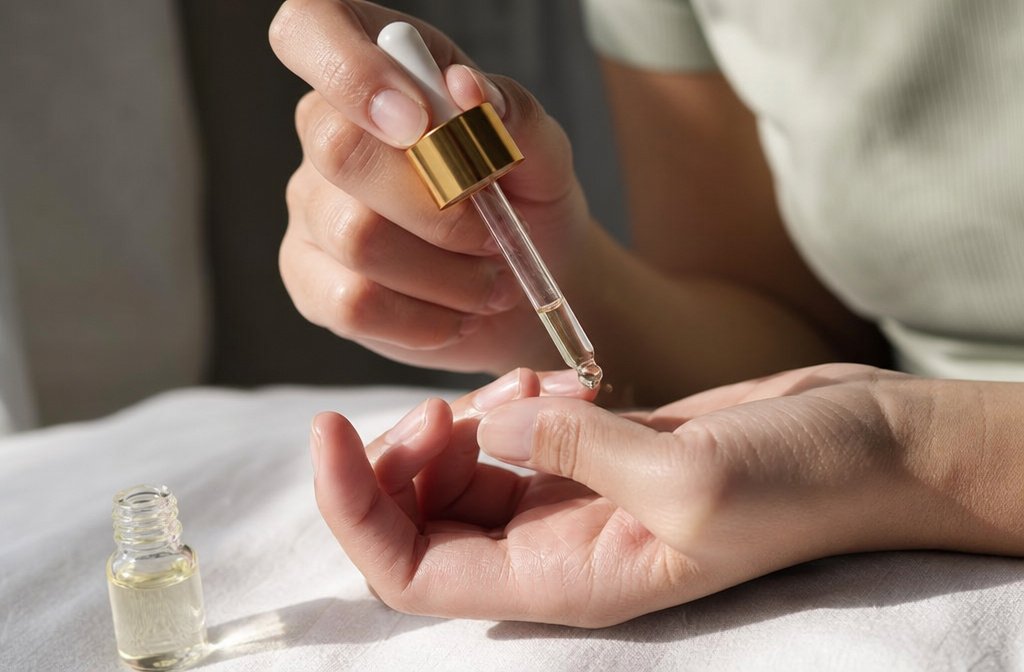
Cuticle oil isn’t optional here, it’s the single habit dermatologists mention most consistently. Apply it to the nail bed and surrounding skin once in the morning and once before bed, not just after a manicure.
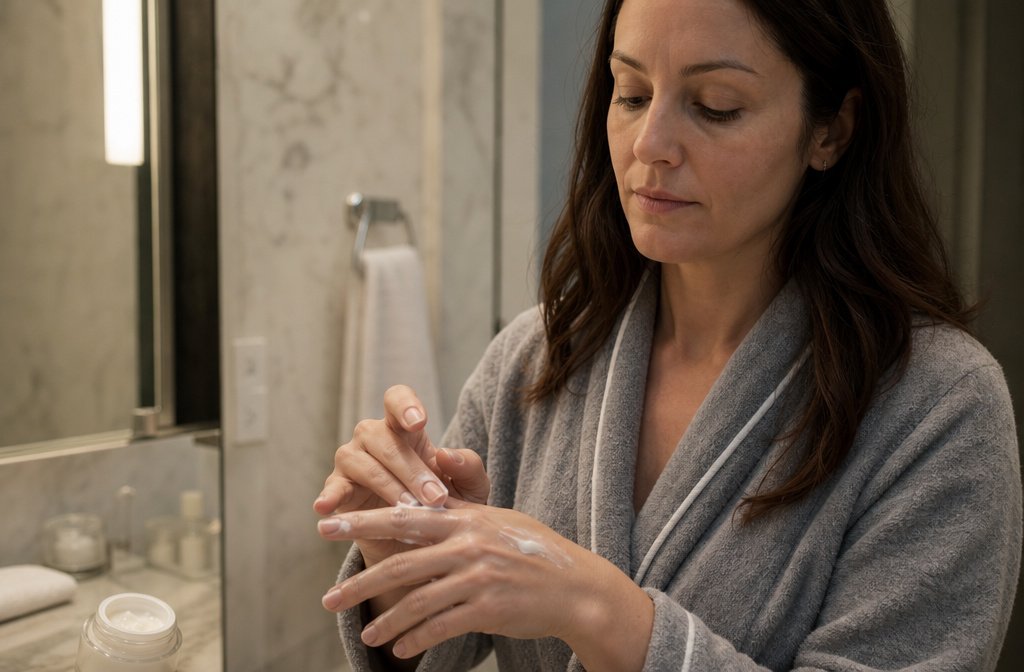
Follow every handwash with hand cream, even a small dab. Water evaporating off bare skin pulls moisture out of the nail plate along with it, which is exactly what causes the dry, splitting type of brittleness.
Keep a pair of rubber gloves near the sink for dishes and cleaning. Detergents and cleaning products are one of the most common triggers for the soft, bendy version of brittle nails, and gloves remove that exposure entirely.
Limit how often you use nail polish remover, and choose an acetone-free formula when you can. Acetone strips natural oils from the nail plate every time it’s used, which compounds dryness over repeated manicures.
Nutrition and Supplements: What the Research Actually Shows
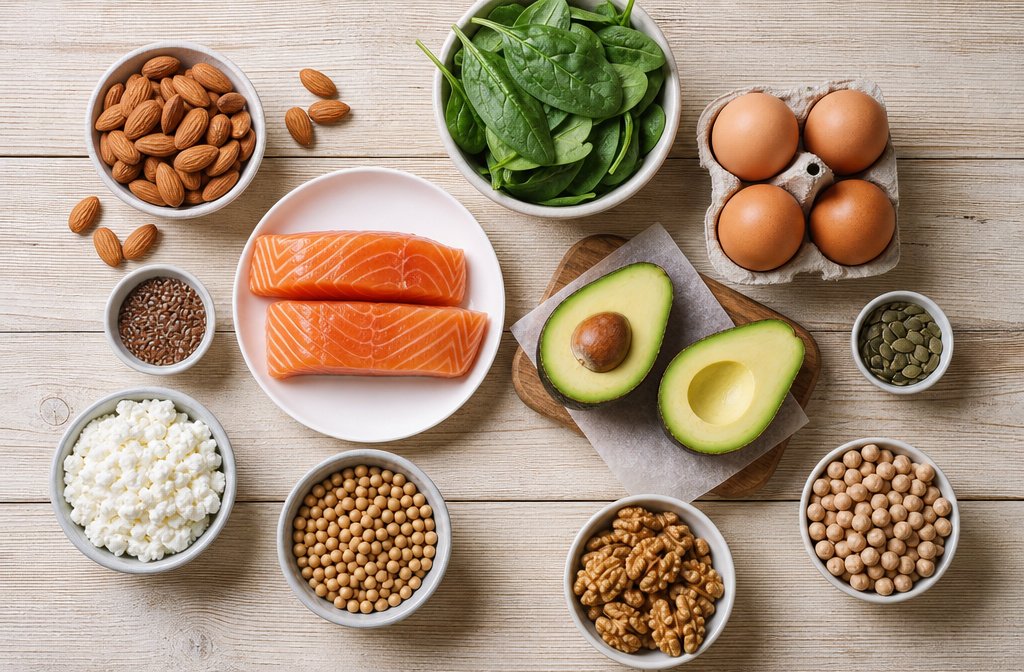
Biotin gets most of the attention, and there’s real research behind it, though the results take longer than most people expect. A clinical study published on PubMed found that 2.5 mg of biotin daily for six to fifteen months improved symptoms in 63% of participants. That’s a meaningful result, but it’s also a multi-month timeline, not a quick fix.
Protein matters just as much. Nails are built from keratin, and low protein intake directly limits how much of it your body can produce. Eggs, fish, poultry, beans, and nuts all supply the building blocks.
Vitamin C supports collagen production, which gives nail tissue its structure. Iron and zinc gaps are also common culprits behind brittle or spoon-shaped nails, particularly in people who menstruate or follow a mostly plant-based diet without planning around it.
One safety note before starting a biotin supplement: the NIH Office of Dietary Supplements confirms high doses can interfere with certain lab tests, including thyroid panels and cardiac enzyme tests. Mention any biotin supplement to your doctor before bloodwork, and stop taking it two to three days beforehand if asked.
Recovering From Gel or Acrylic Damage
If your brittle nails started after a run of gel or acrylic manicures, the timeline for recovery is longer than most people expect. Full nail renewal, from base to visible tip, takes four to six months. Noticeable improvement in thickness and flexibility usually shows up within two to four weeks of consistent care, but full strength can take two to six months depending on how thin the nails got.
Give your nails two to four weeks completely bare before reapplying any gel or acrylic. This is the step people skip most often, and it’s the one that matters most for actual recovery.
During that bare period, apply cuticle oil and hand cream at least twice daily, and treat removal the same way going forward: always soaked off by a professional, never peeled or picked at home. If you’re weighing gel against acrylic for your next set, this comparison of the two breaks down which tends to be gentler on already-weakened nails.
Oils vs Hardening Strengtheners: Picking the Right Product
Not all nail strengtheners work the same way, and picking the wrong type can make brittleness worse instead of better.
Nail and cuticle oils add flexibility while nourishing the surrounding skin. Look for peach or almond oil, mineral oil, or formulas with added vitamins A, D, and E. These work well for the dry, splitting type of brittleness especially.
Hardening strengtheners work through a different mechanism: they chemically stiffen the nail plate. This can help in the short term, but nails treated this way can become more prone to snapping if used continuously without a break, since a harder nail isn’t necessarily a more flexible one.
A reasonable approach: use a hardening formula for a few weeks if nails are extremely soft and tearing easily, then rotate back to an oil-based routine once they’ve firmed up. Using oil and a hardener together, rather than choosing one forever, tends to work better than picking a side.
Your Brittle Nails Self-Check
Run through this quickly to get a sense of which type you’re dealing with and where to focus first.
Signs Point to Dry and Brittle
- Nails split into layers at the tip
- You wash your hands frequently for work or parenting
- You rarely apply hand cream after washing
- Nails feel rough or catch on fabric
- Cuticles are also dry or cracked
Signs Point to Soft and Brittle
- Nails bend or fold before they tear
- You do dishes or cleaning without gloves
- You use nail polish remover often
- Nails feel almost rubbery when pressed
- Brittleness appeared after a period of frequent manicures
A Simple 2-Week Recovery Plan
If you want a starting point rather than a long list of options, here’s a two-week plan that covers both types.
Days 1-3: Remove any gel or acrylic properly
Days 4-7: Add gloves to your routine
Days 8-10: Check your diet
Days 11-14: Trim and reassess
When to See a Dermatologist
Most brittle nails respond to the habits above within a few weeks to a few months. A few signs suggest it’s worth getting checked instead of continuing to self-treat.
- Nails are spoon-shaped, curving upward at the edges
- Brittleness appears alongside hair thinning, fatigue, or unexplained weight change
- No improvement after two to three months of consistent care
- Nails are discolored, painful, or separating from the nail bed
A dermatologist can check for thyroid issues, iron deficiency, or a fungal infection, any of which can look like ordinary brittleness at first glance but need a different treatment entirely. A simple blood panel usually rules these in or out within a week, which is faster than months of trial and error with topical products alone.
Frequently Asked Questions
How long does it take to fix brittle nails?
Noticeable improvement often shows up within two to four weeks of consistent care. Full recovery, especially after gel or acrylic damage, can take two to six months since that’s roughly how long a nail takes to grow out completely.
Does biotin actually work for brittle nails?
Research supports it for some people, particularly those with an actual biotin gap. One study found meaningful improvement in most participants after six weeks to seven months of daily use, so it’s worth trying but not a fast fix.
Can gel manicures cause permanent nail damage?
Rarely permanent, but repeated cycles without breaks can keep nails thin and brittle indefinitely. Giving nails two to four weeks bare between sets is usually enough to let them recover.
Should I use a nail hardener every day?
Not continuously. Hardening formulas work well for a few weeks at a time, but nails can become more prone to snapping if a hardener is used nonstop without rotating back to a nourishing oil.
Are brittle nails a sign of a vitamin deficiency?
Sometimes. Low iron, biotin, zinc, or vitamin C can all show up as brittle or spoon-shaped nails. If diet changes and topical care don’t help after a couple of months, a blood test can rule out a deficiency.
What nail shape is best while nails are recovering?
A shorter, rounder shape puts less stress on weak nails than long, dramatic ones. If you want length without sacrificing durability, comparing almond and coffin shapes is a useful place to start since almond tends to be the more forgiving option while nails are still recovering.
Final Thoughts
Brittle nails almost always trace back to one of a handful of causes, and most of them respond to the same short list of habits: consistent oil, real hand cream, gloves for wet work, and enough protein and biotin in your diet.
Start with the self-check above, pick the two-week plan that matches what you find, and give it the full two weeks before judging results. Nails change slowly, but they do change.