Almond vs Coffin Nails: Choosing the Right Shape for You
Almond and coffin are the two nail shapes people ask about most when they’re ready to move past a basic square or round manicure. Both taper toward the tip, both photograph well, and both get mistaken for each other more often than you’d think.
The real difference comes down to how the tip is finished, and that one detail changes how each shape wears, how long it lasts, and which hands it actually flatters. Here’s how to tell them apart and pick the one that fits your daily life.
At a Glance: Almond vs Coffin Nails
Before the details, here’s the short version side by side.
| Feature | Almond | Coffin |
|---|---|---|
| Tip shape | Tapers to a soft, rounded point | Tapers to a flat, squared-off tip |
| Best for | Wider nail beds, shorter fingers | Longer nail beds, dramatic length |
| Durability | More durable; rounded tip spreads impact | Corners chip and snag more easily |
| Shortest wearable length | Works even at short lengths | Needs a few millimeters before the flat tip shows clearly |
| Maintenance | Forgiving of a little regrowth | Shows growth fast; wants a fill every 2-3 weeks |
| Best for daily tasks | Typing, parenting, hands-on work | Lower-impact days, events, photos |
| Nail art strength | Floral, hand-painted, botanical designs | Ombré and gradient work |
| 2026 search interest | ~90,500 monthly searches | ~74,000 monthly searches |
Shape and Silhouette: What Actually Sets Them Apart
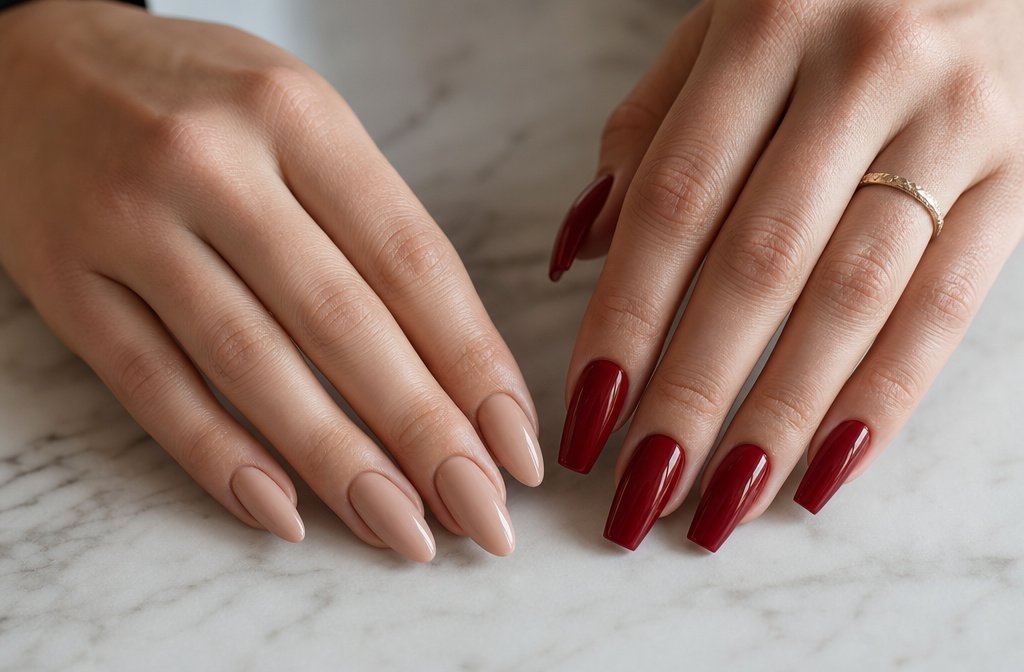
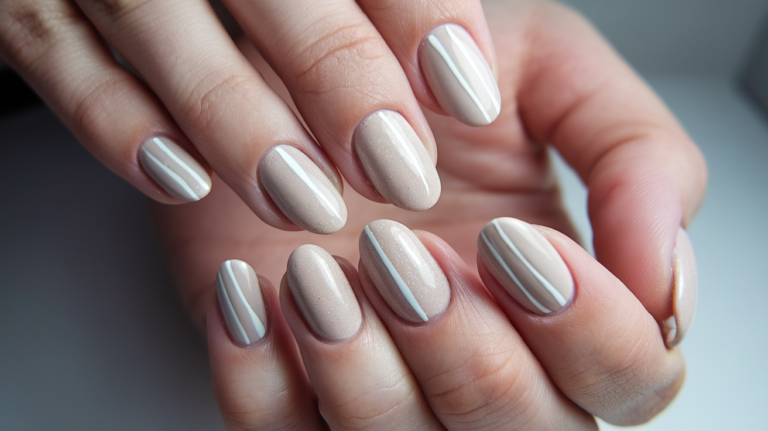
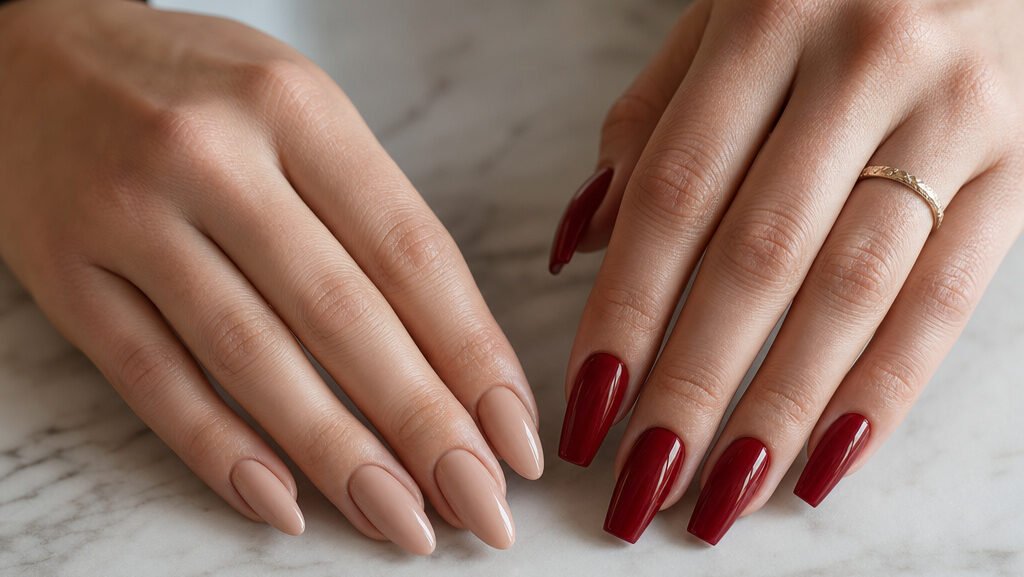
Almond nails taper on both sides and meet at a soft, rounded point, close to the actual shape of an almond. The curve is continuous from base to tip, which is what gives the shape its classic, feminine feel.
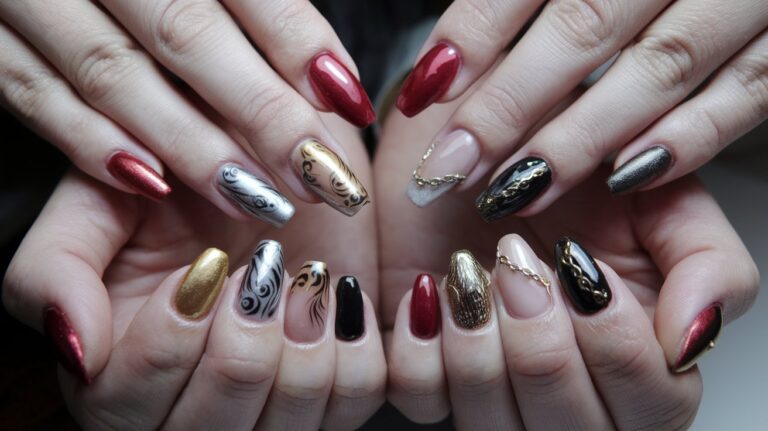
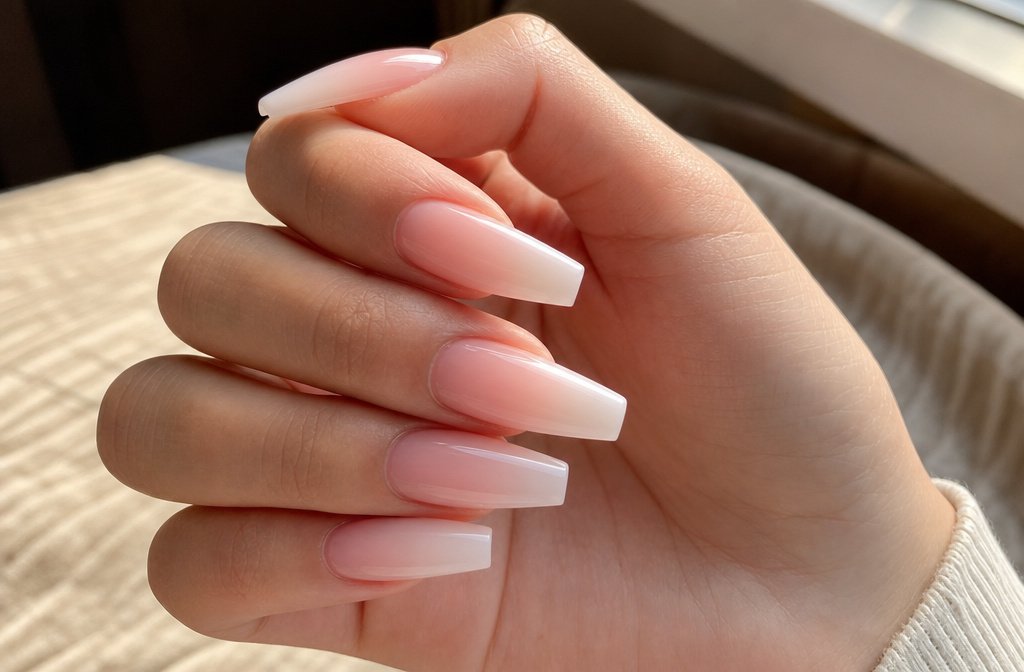
Coffin nails, sometimes called ballerina nails, start the same tapered way but stop short of a point. The tip is filed flat and squared off, which looks bolder and more graphic than almond’s soft curve.
That flat tip is the entire difference. Everything else, from durability to how each shape ages between fills, traces back to it.
Which Shape Suits Your Hands
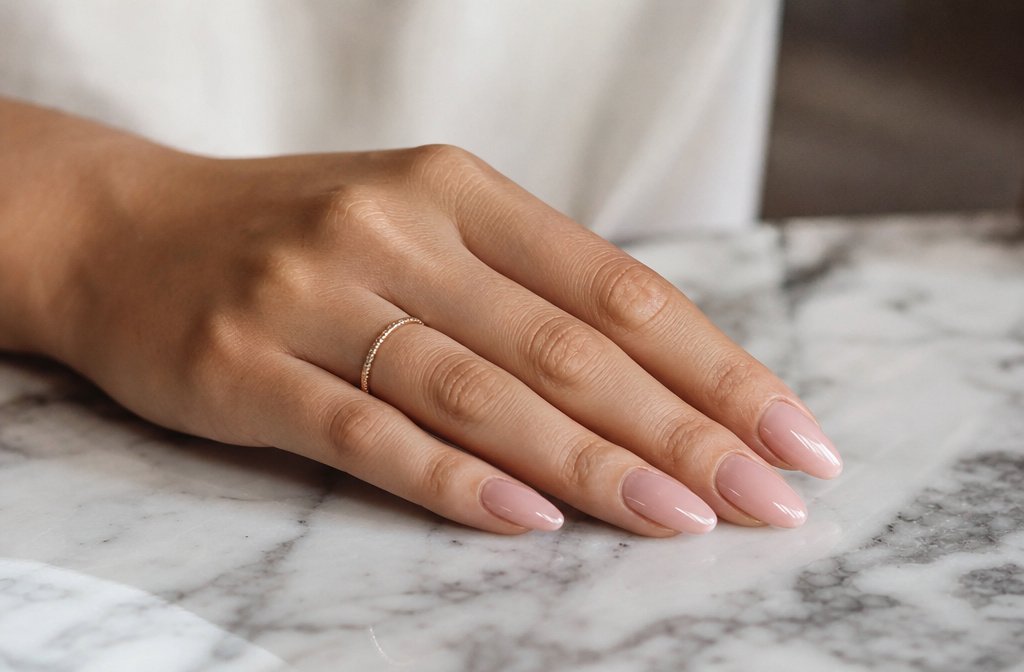
If you have a wider nail bed or shorter fingers, almond is the more flattering pick. The taper narrows the nail visually on both sides while the point elongates the finger, which is exactly the combination a wider nail bed benefits from.
Coffin can still work on wider nail beds, but it elongates differently. The tapered sides create length, then the flat tip cuts that visual line short, so the elongating effect is softer than almond’s uninterrupted curve.
Longer, narrower nail beds have more room to work with either shape, but this is where coffin gets its reputation: the flat tip needs some surface area to read clearly, so it looks most intentional on medium to long nails.
Hybrid Shapes: When You Want a Little of Both
Most nail techs work with more than the two pure shapes described above. If neither silhouette feels quite right, a hybrid version usually solves it.
Soft coffin rounds off the two sharp corners into a slight curve, keeping the flat tip’s length and gradient-friendly surface while cutting down on the exact spot where coffin nails usually chip.
Squoval sits closer to almond, a squared tip with rounded edges. It reads more like almond’s practicality with a touch of coffin’s structure, and it’s a common ask for anyone who wants length without committing to either extreme.
Tell your nail tech which trade-off matters more to you, durability or drama, and they can adjust the taper and tip width accordingly. This is also the easiest option to request if you’re unsure and want to test the waters before committing to a full coffin set.
Length: How Short (or Long) Can You Actually Go
Almond holds its shape at almost any length, from a barely-there quarter-inch extension up to several inches. Even with minimal free edge, the taper is still visible, so a short almond manicure still looks deliberate rather than just rounded off.
Coffin needs a bit more to work with, generally at least a half-inch of free edge. Without that length, the flat tip has nowhere to sit, and the nail ends up looking like a plain square instead of a coffin. If you like the look but wear your nails short, a short almond shape will hold the intended silhouette far more reliably.
Durability and Everyday Practicality

This is the part most comparisons get backwards. Almond is actually the more durable shape day to day. A rounded tip spreads impact around a curve, so a knock against a door frame or a countertop disperses across that curve instead of landing on one point.
Coffin’s corners are exactly where breakage happens. The flat tip has two distinct edges, and those edges are what catch on pockets, keyboards, and door handles. Typing is doable with coffin, but it takes some adjustment, and the corners are the first thing to chip if you’re rough on your hands.
If your hands are in near-constant use for parenting, cooking, or a job that keeps you typing most of the day, almond is the shape built for that. Coffin makes more sense for lower-impact days, events, or when the manicure itself is the point.
A quick fix that helps either shape: keep a glass or crystal nail file in your bag and smooth any snag the moment you feel it, rather than waiting for a full break. Catching a rough edge early is the difference between a five-second fix and a trip back to the salon.
Maintenance and Fill Schedule
Almond ages gracefully. The soft curve is forgiving of a little uneven regrowth, and a quick at-home file can keep the shape looking tidy between salon visits.
Coffin shows its age faster. As the nail grows out, the straight sides start to look uneven and the flat tip loses its crisp line. Keeping that silhouette sharp really does call for a fill every two to three weeks, closer to the shorter end of a typical acrylic or gel refill schedule.
Cost and Salon Time
Neither shape is inherently more expensive on its own; the price difference usually comes from the material, not the silhouette. A full gel or acrylic set with extensions generally runs $65 to $100 or more, and custom shaping for either almond or coffin can add to that base price.
Where the two diverge is refill frequency. Coffin’s faster maintenance schedule means more salon visits over a year, which adds up even if each individual appointment costs the same. If you’re deciding between gel and acrylic for either shape, this breakdown of the differences is worth reading before you book.
Product and Formula Considerations
The shape you pick also affects which product holds up best. Coffin’s flat tip carries more stress at the corners, so a stronger builder gel or a reinforced acrylic overlay at the tip makes a real difference in how long the shape lasts between fills.
Almond’s continuous curve distributes stress more evenly, so a softer, more flexible gel formula works fine even without extra reinforcement at the tip.
If you’re getting either shape done with extensions rather than on natural nails, ask your tech about tip reinforcement specifically at the corners for coffin. It’s a small add-on that meaningfully cuts down on breakage.
Press-on nails follow the same logic. Almond press-ons are more forgiving of an imperfect fit since the curve masks minor gaps at the sides, while coffin press-ons need a closer match to your natural nail width or the flat tip will look uneven.
Styling Versatility: Which Shape Wears Nail Art Better
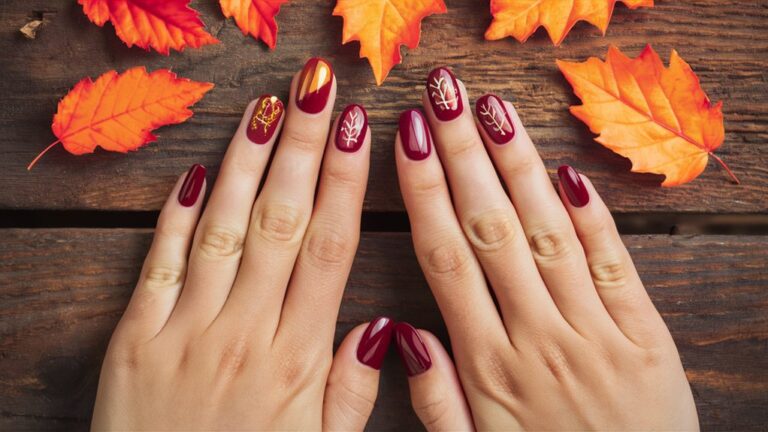
Almond’s continuous curve suits organic, hand-painted designs. Florals, vines, and watercolor effects sit naturally on a rounded surface, and a classic French tip looks especially soft on this shape.
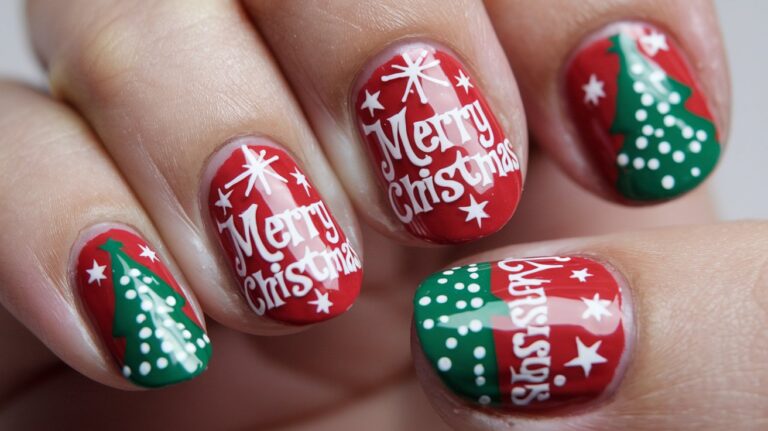
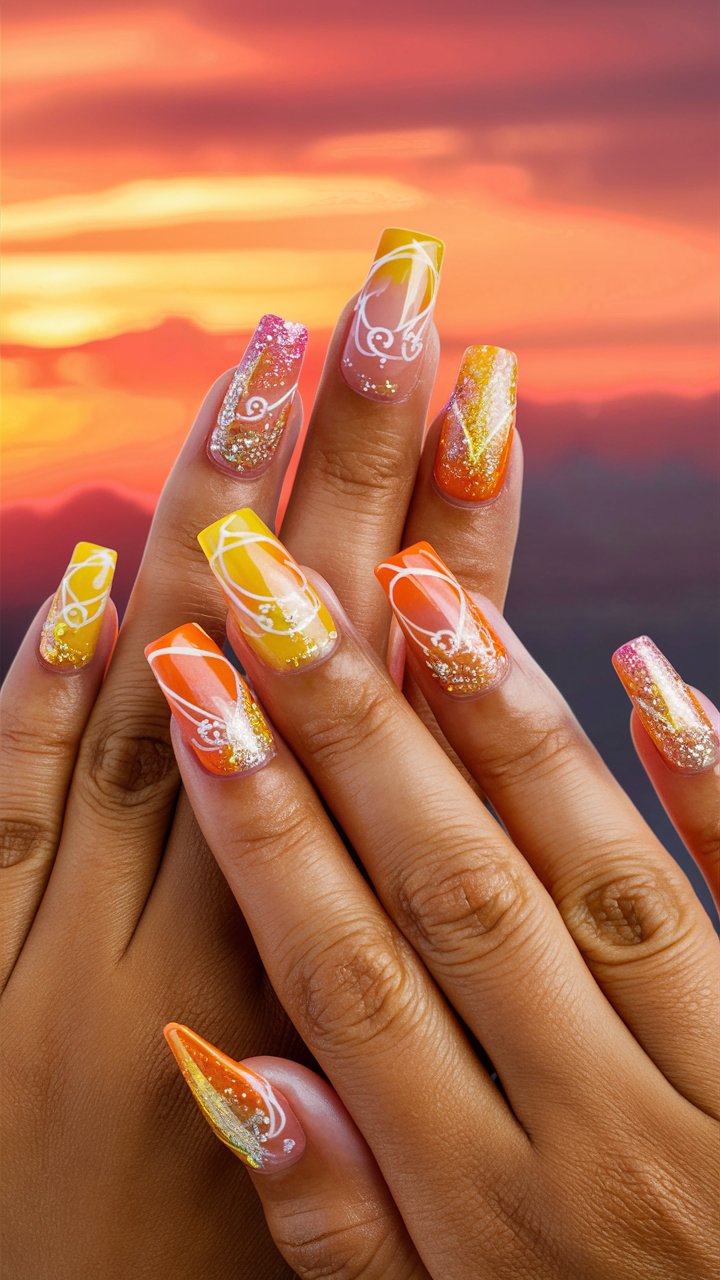
Coffin’s flat tip and longer surface area give gradient and ombré work more room to develop, which is why coffin sets are the go-to for a smooth, dramatic color shift. The shape also holds up well for bolder seasonal designs where the flat tip acts almost like a small canvas.
How to Ask for It at the Salon
The names overlap enough between salons that it helps to bring a reference photo rather than relying on the shape name alone.
For almond, ask for a taper that meets at a soft point, not a sharp one, and specify how far up from the cuticle you want the taper to start. A shorter taper looks more like a rounded square; a longer one looks like classic almond.
For coffin, specify the width you want at the tip. A narrower flat edge looks closer to a soft point from a distance; a wider one gives the full graphic coffin look. Most techs will also ask how much length you want past your fingertip before filing the flat edge, since that length is what decides if the shape looks like coffin or just square.
If you’re not sure which width or length works for your hands, ask your tech to file the shape on one nail first before committing to a full set.
Choose Almond If / Choose Coffin If
Here’s the short version, side by side.
Choose Almond If
- Your hands are in near-constant use for work, typing, or parenting
- You have a wider nail bed or shorter fingers
- You wear your nails short to medium most of the time
- You want a lower-maintenance fill schedule
- You’re testing nail art for the first time and want a forgiving base shape
Choose Coffin If
- You’re going for a longer, more dramatic length
- You love ombré, gradient, or graphic nail art
- You’re planning around an event, trip, or photos rather than daily wear
- You don’t mind a fill every two to three weeks to keep the tip crisp
- You’re comfortable asking for extra tip reinforcement to offset the corners
Frequently Asked Questions
Which shape lasts longer without chipping?
Almond, in most day-to-day cases. Its rounded tip spreads impact instead of concentrating it at the corners the way coffin’s flat tip does.
Can I get coffin nails if I have short nail beds?
You can, but the shape needs a few millimeters of length to show the flat tip clearly. At very short lengths, coffin tends to look like a plain square instead.
Is one shape better for typing all day?
Almond, generally. Coffin is workable with some adjustment, but its squared corners are more likely to catch on a keyboard than almond’s continuous curve.
Which shape is trending more right now?
Almond currently pulls more search interest than coffin, and it’s shaping up as the more common everyday shape for 2026. Coffin hasn’t gone anywhere, it’s just settling into more of an occasion-wear role.
Do almond and coffin need different fill schedules?
Yes. Coffin tends to need a fill every two to three weeks to keep its flat tip and straight sides looking sharp, while almond’s curve tolerates a bit more regrowth between visits.
Does coffin or almond need a stronger base, gel or acrylic?
Coffin benefits more from a reinforced base, since the flat tip corners take more stress. Almond can get away with a softer gel because its curve spreads that stress out, though dip powder works well on either shape if you want extra hardness without the weight of acrylic.
Which shape works better with press-on nails?
Almond, generally. Its curve is more forgiving of a slightly imperfect fit, while coffin press-ons need a closer match to your natural nail width to look intentional rather than blunt.
Can I switch between almond and coffin without growing out my nails completely?
Yes, within limits. Going from almond to soft coffin just means filing a flat tip onto the existing taper. Going from coffin to true almond usually means cutting the nail a bit shorter first, since there’s no way to add a rounded point onto an already-flat tip without losing length.
Final Thoughts
Neither shape is objectively better; they’re built for different hands and different weeks. Almond is the one to reach for if your nails need to keep up with your actual life. Coffin is the one to book when the manicure itself is the plan.
If you’re still not sure, start with almond at a medium length. It’s the more forgiving shape to test, and you can always size up to coffin once you know how much daily wear your nails actually get.