25 Hair Color Shades For Women Over 50
A haircut shapes the style, but color is usually what decides whether the whole look feels current. The right shade can soften the contrast between skin and hair that shows up more as skin tone changes with age, and it can do that without needing a drastic change from whatever base color you’re already working with.
The shades below range from a single gloss appointment to a full lightening process, and the technique behind each one matters as much as the color name. A few of these overlap in how they handle gray, so the specifics of each are worth reading even if two sections sound similar at a glance.
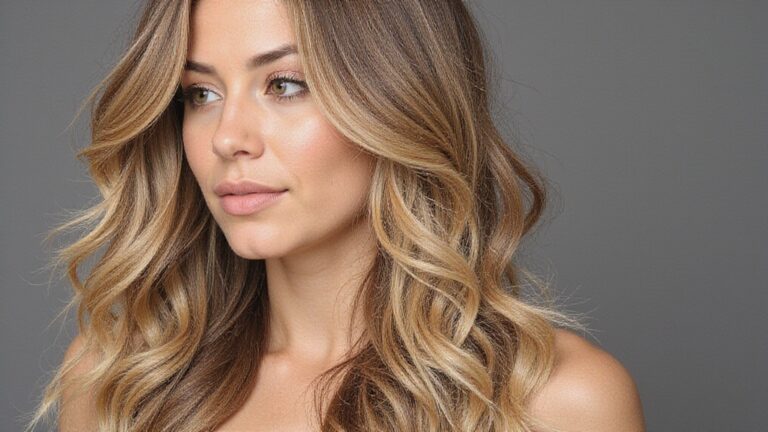
Soft Champagne Blonde for a Sun-Kissed Glow
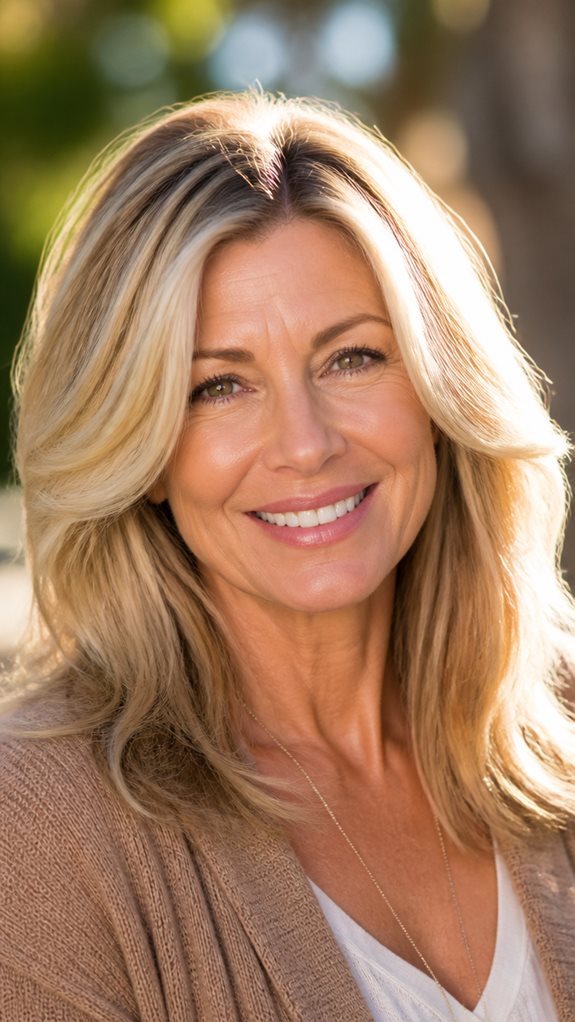
Champagne blonde works best as babylights, fine foils that lift hair only one or two levels instead of the four or five levels a full bleach process requires.
Starting from a level 6 or 7 base makes this a gentler process than going platinum from dark hair, since less lift means less stress on hair that may already be more fragile than it was a decade ago.
A gloss every six to eight weeks keeps the warmth even without needing to re-lift the hair, which is the part of the process that actually causes damage over repeated visits.


Rich Caramel Highlights That Warm Up Your Skin Tone
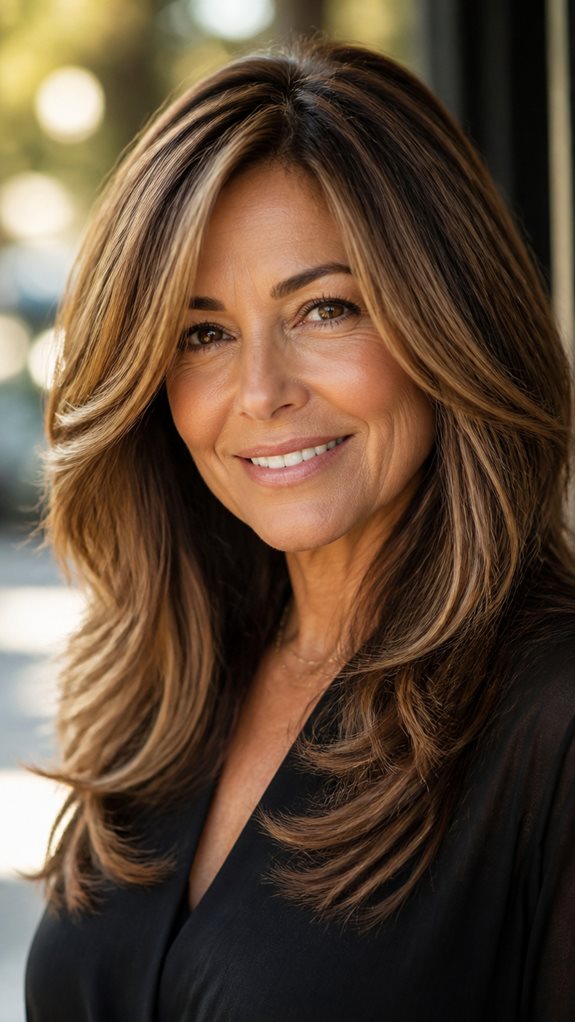
Caramel sits around a level 6 to 7 warm gold-brown, close enough to many natural pre-gray bases that it blends at the root without the hard line a lighter shade would leave.
Hand-painted balayage gives softer graduation from root to tip; foils place the color more precisely and evenly if you want a more uniform result.
Ask for the highlights concentrated around the face rather than distributed evenly through the whole head. That’s where warm tones do the most for softening the look of skin. Our caramel hair color ideas collection has more variations on this same base.


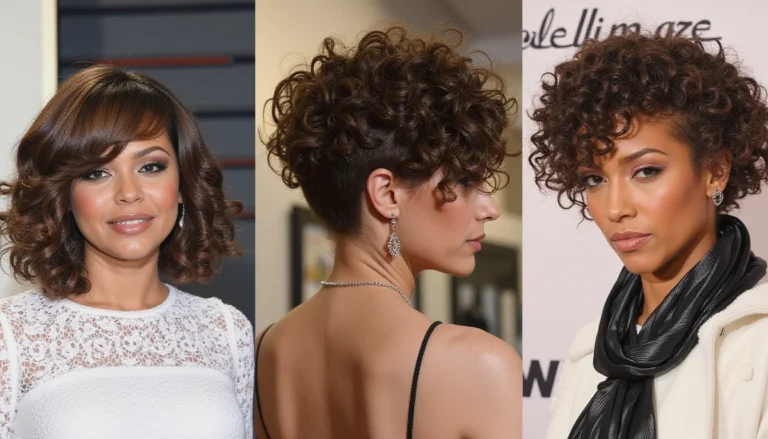
Classic Chestnut Brown With Golden Undertones
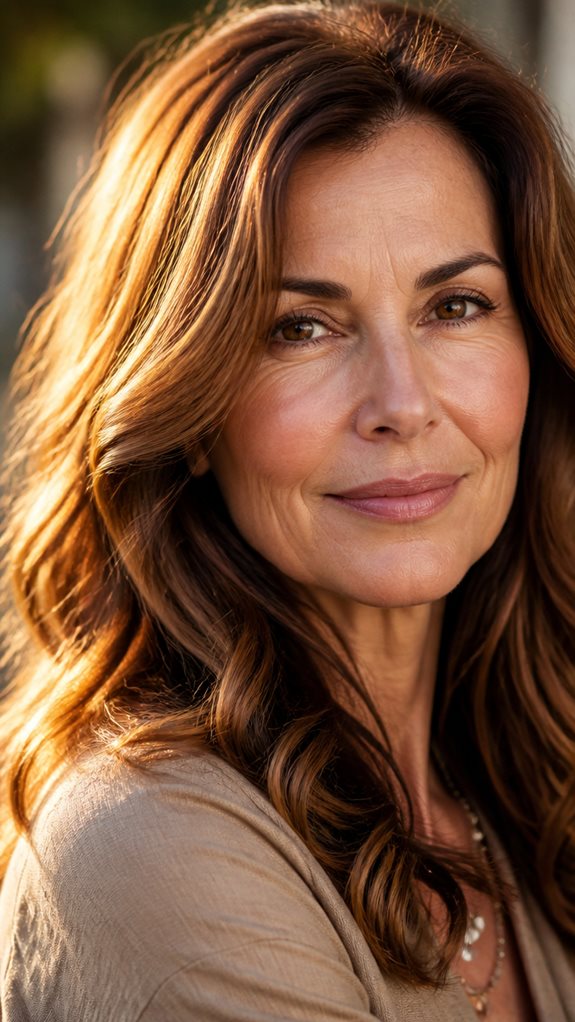
A demi-permanent formula deposits color without lifting the hair, which makes this a lower-commitment way to add warmth than a permanent dye would be.
Demi-permanent color fades gradually over roughly 24 to 28 washes rather than growing out with a visible line the way permanent color does at the root.
Weaving in a shade or two lighter through the mid-lengths keeps the chestnut from looking flat, since a single all-over tone can feel heavier than it needs to.


Warm Honey Balayage for Women Over 50
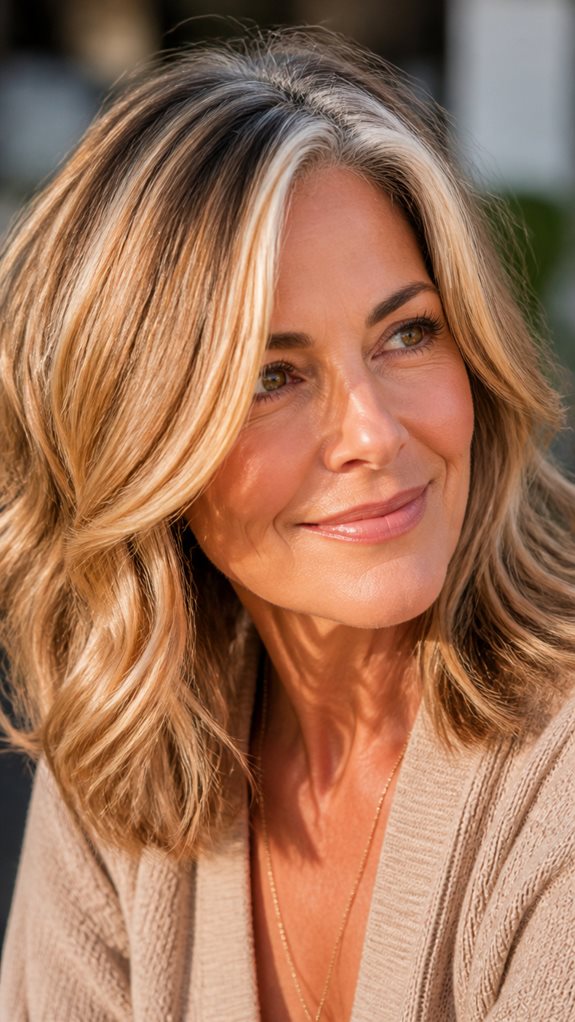
Honey balayage is hand-painted directly onto dry hair, then sealed with a glaze on top. The glaze is what actually neutralizes the cooler cast that gray hair often carries underneath a warm color.
Sulfate-free shampoo matters specifically here because sulfates strip that glaze layer faster than they would a standard dye job, not because they’re generically drying.
Because balayage saturates less at the root than foils do, the grow-out stays soft for ten to twelve weeks before it needs attention again.


Ash Blonde That Makes Gray Look Intentional
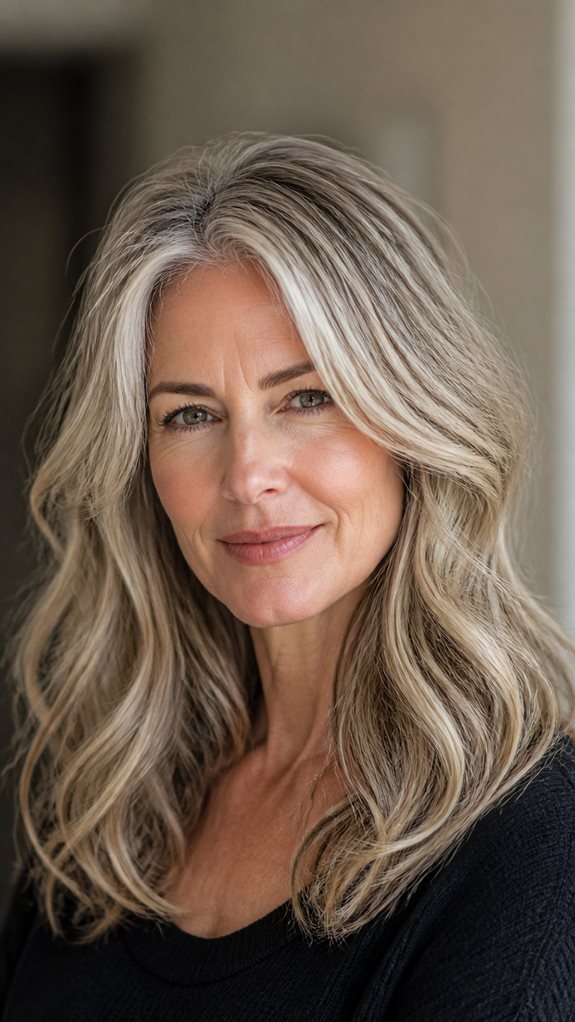
This is specifically about using a demi-permanent ash toner over your regrowth to bridge dyed hair into the natural gray coming in underneath, rather than lightening the whole head to match it.
Toning appointments every six to eight weeks line up roughly with half an inch of new growth, which is around the point the blend starts looking obviously two-toned instead of seamless.
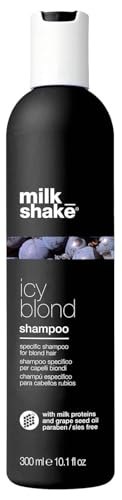
A purple shampoo used weekly keeps yellow undertones from creeping in between visits. Overusing it can leave a violet cast on the lighter pieces, so once or twice a week is usually enough. Our ash blonde hair color ideas collection has more variations built on this same base.


Buttery Vanilla Blonde for a Youthful, Radiant Look
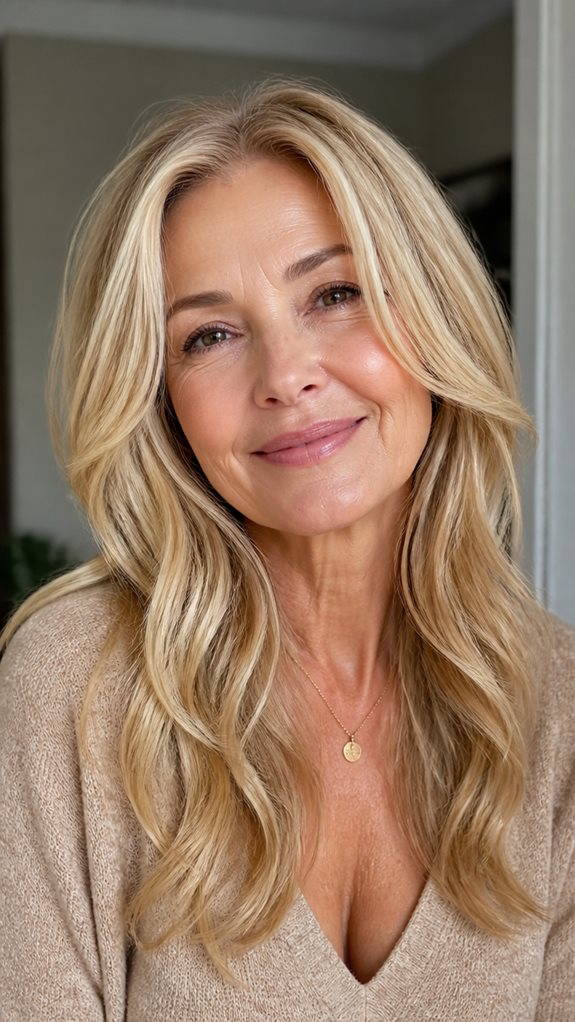
A root melt, where babylights fade gradually into the natural root color instead of a hard line, is what keeps this from needing a fresh root touch-up every few weeks.
Sitting around a level 8 to 9, this shade reads warmer and less stark than a level 10 platinum, which is part of why it holds its tone longer between glosses.
The mid-range depth also keeps enough contrast against the skin to avoid the washed-out effect a very pale blonde can create on fair, mature skin.


Coppery Auburn That Flatters Every Complexion
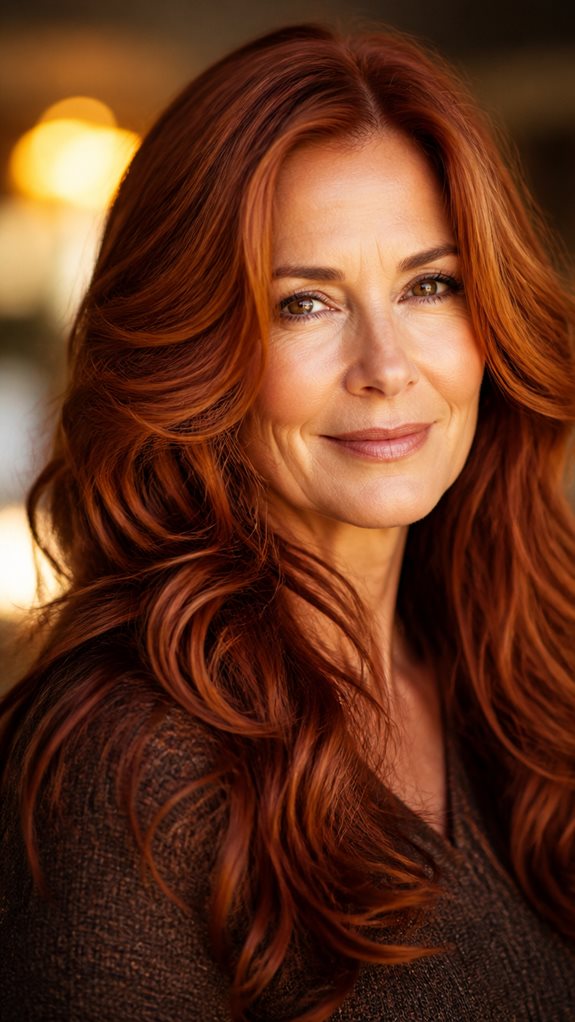
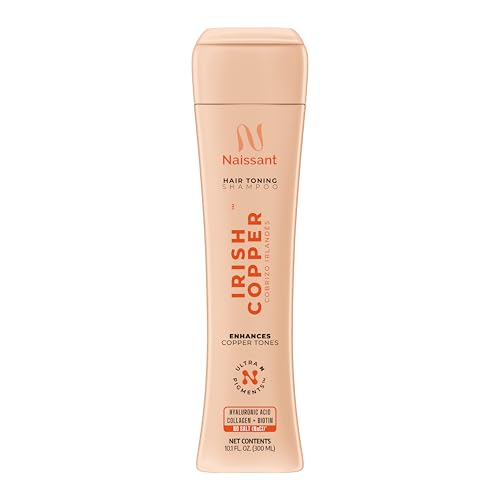
Copper fades faster than almost any other tone because red and orange pigment molecules are physically larger and rinse out with washing at a quicker rate.
A color-depositing conditioner used between washes is doing real work here, redepositing pigment rather than just adding shine, which is why it matters more on copper than on a cooler tone.
A gloss every four to six weeks refreshes the pigment before it dulls to a muddier orange-brown, which is the stage most copper color complaints come from.


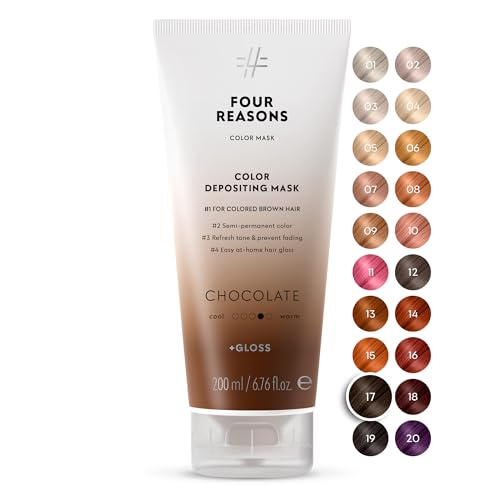
Dimensional Brunette With Subtle Chocolate Highlights
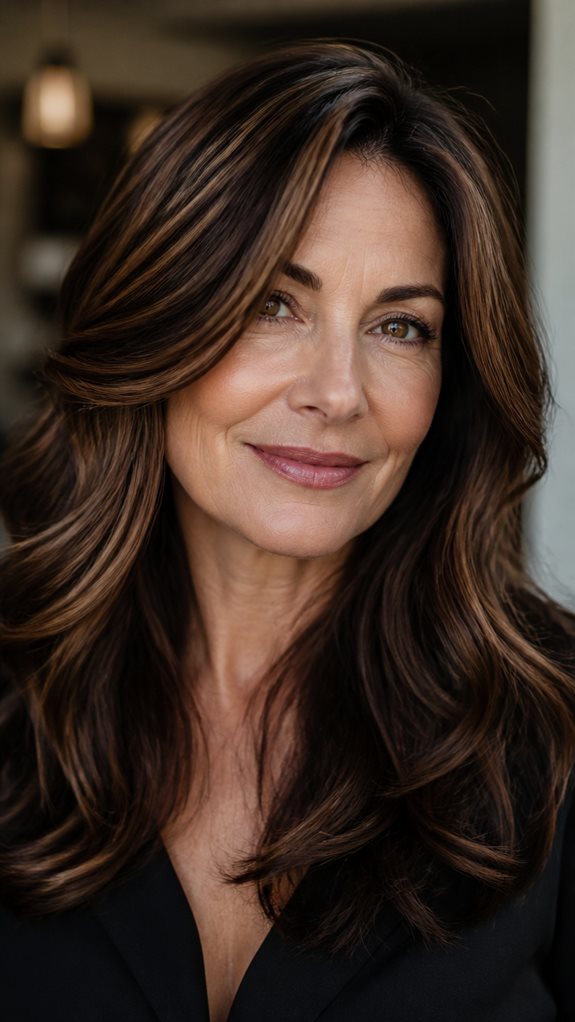
Babylights placed one to two levels lighter than the base, concentrated near the crown and part line, create the visual effect of more density exactly where thinning tends to show first.
Balayage and hand-painted placement soften the regrowth line more than foils do, which matters more here since brunette regrowth against a lighter highlight shows contrast quickly.
Color-safe, moisturizing shampoo helps the chocolate tones stay warm rather than sliding toward a brassy orange as the color fades.


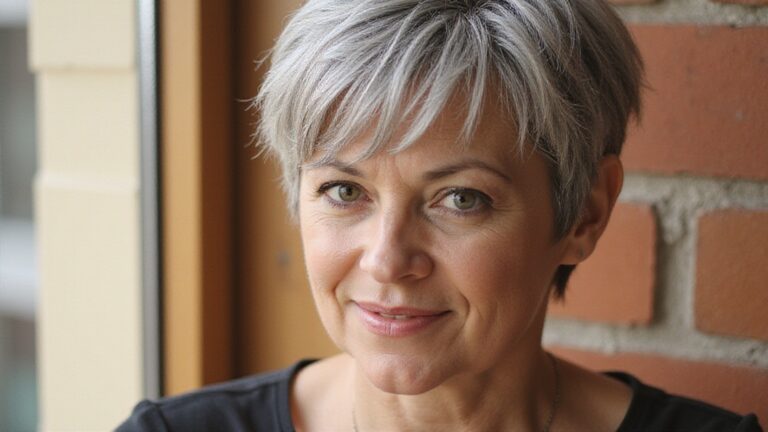
Silver and Platinum: Owning Your Gray in Style
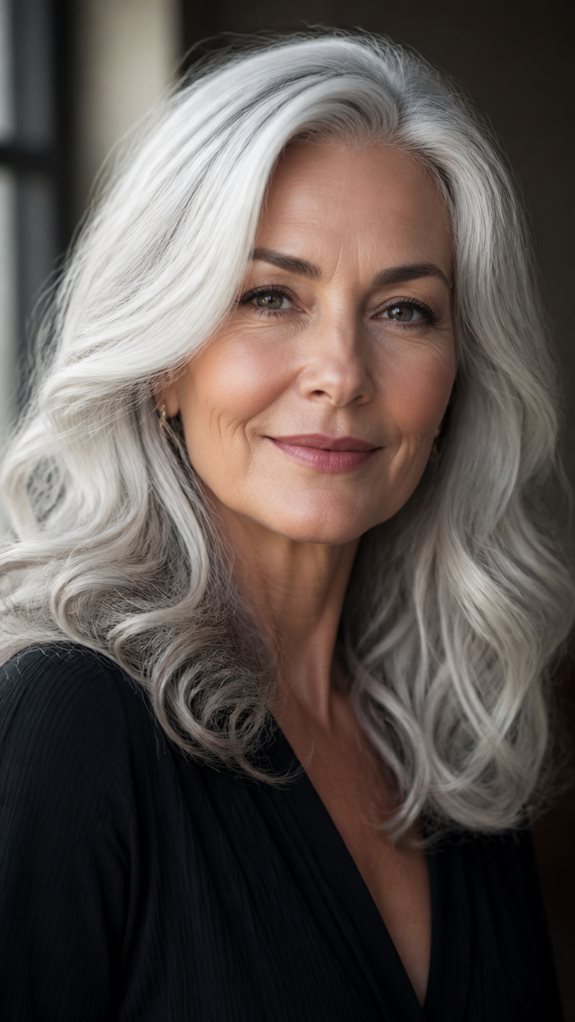
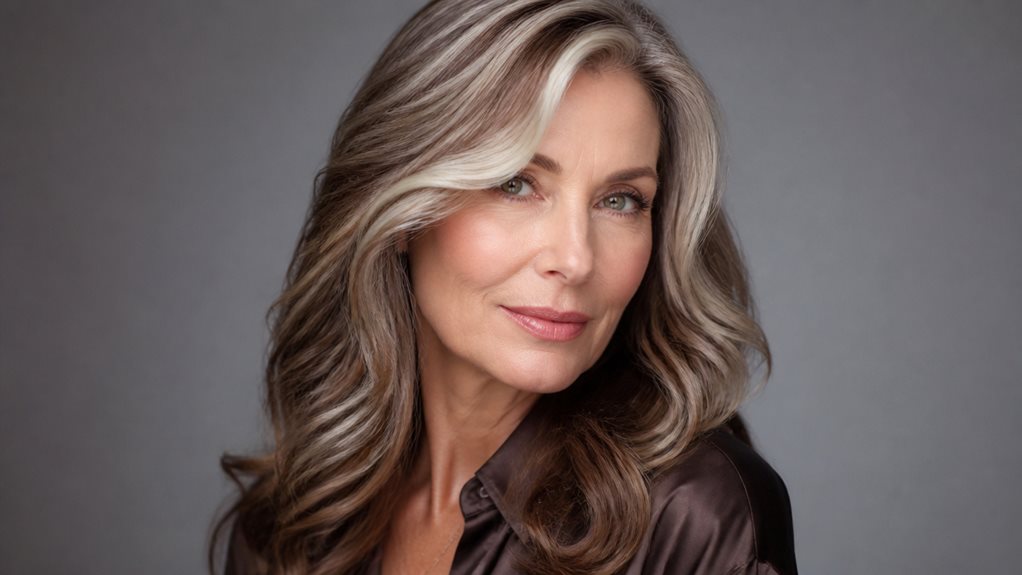
This is about going fully silver rather than blending it at the root. If some sections are still darker than your natural gray, those pieces need lightening first so the whole head comes across as one tone.
Purple shampoo works by depositing violet pigment, which sits opposite yellow on the color wheel and cancels it out. Used once or twice a week, it keeps silver from drifting toward a dull straw color.
Gray strands are naturally drier and more porous than pigmented hair, so a moisture-focused conditioner matters more here than it would on a dyed color. Our gray hair color ideas collection covers more approaches to this same transition.


Rose Gold Tones That Work for Mature Skin
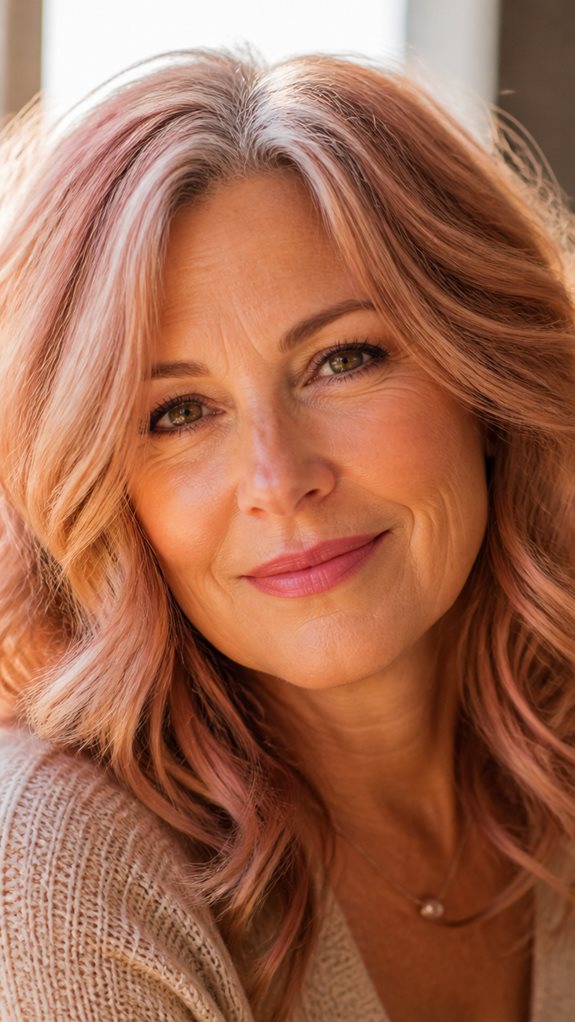
Rose gold is a glaze applied over a pre-lightened base. It needs blonde or light gray hair underneath to show the true pink-copper tone the color is known for.
Over a darker base, the same formula shows up more as a subtle red-violet sheen than a true rose gold, which is worth knowing before booking the appointment.
Fair complexions tend to suit the softer peach versions of this tone; deeper skin tones usually look better with the warmer, more saturated copper side of the palette.


Strawberry Blonde for a Soft, Romantic Finish
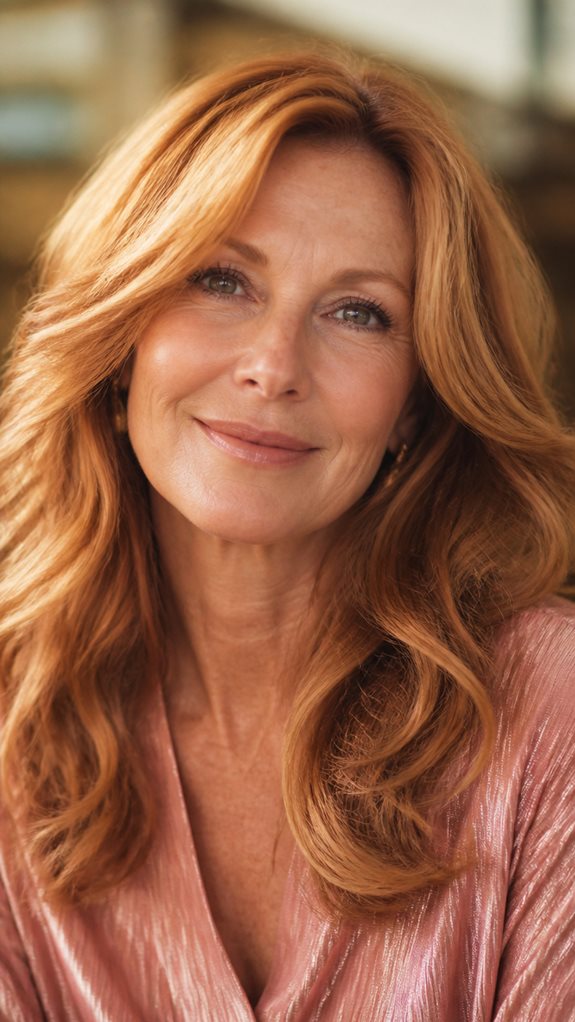
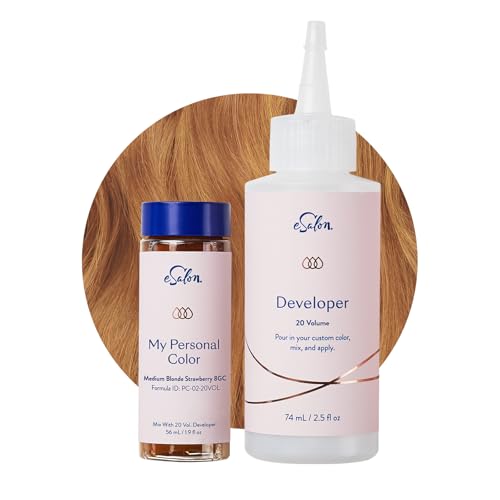
Strawberry blonde is a gold-copper toner applied over a blonde base, which is a lighter starting point than the auburn and copper shades above use.
Because it starts lighter, it fades to a softer peachy tone rather than the muddier orange-brown that darker copper shades can turn as the color wears down.
Ask for peachy-pink pieces mixed into the formula rather than a single flat tone; it keeps the color from reading too uniformly orange as it fades.


Deep Burgundy for a Bold and Sophisticated Statement
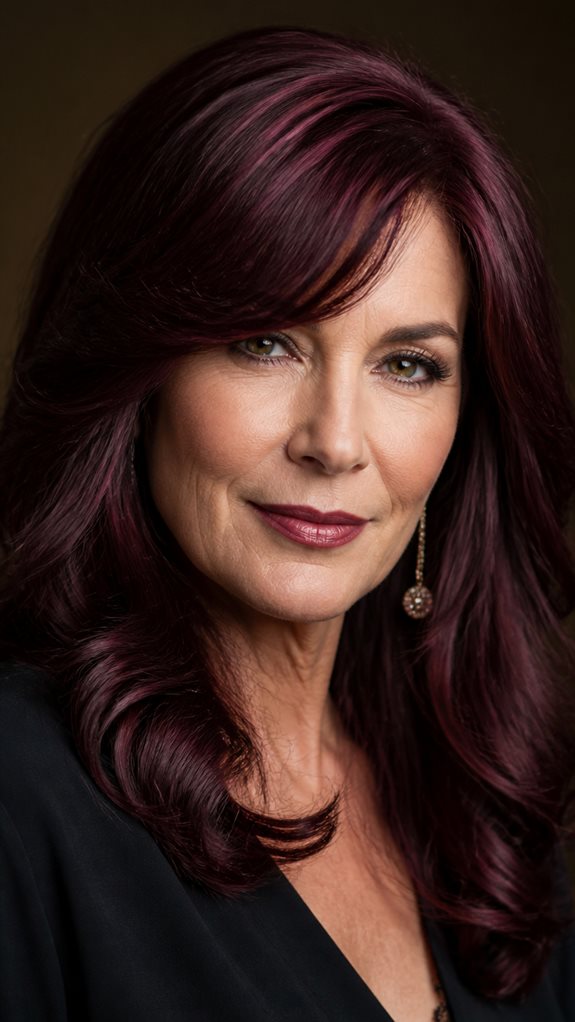
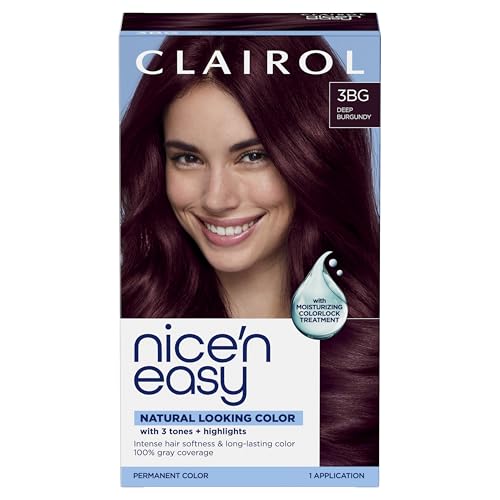
Unlike the blonde shades above, burgundy usually applies directly over an existing brown base without needing any lightening first.
Red pigment fades fastest of any tone, faster even than copper, so a color-safe shampoo isn’t optional here the way it might be with a more neutral brown.
A glossy finish rather than a matte one intensifies the depth of the burgundy, since shine reflects more of the red-violet pigment back to the eye.


Sandy Balayage That Blends Away Harsh Grow-Out Lines
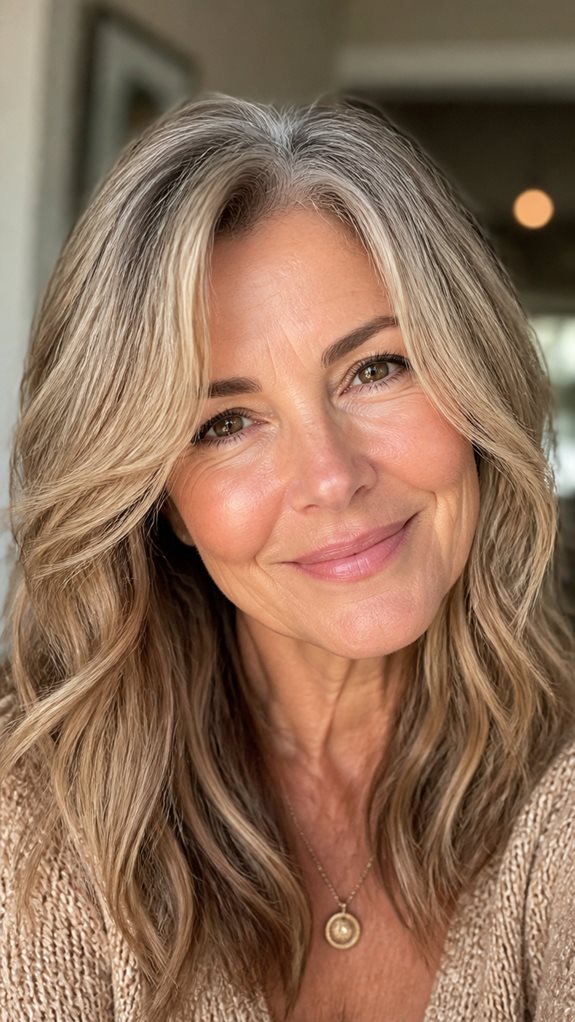
Sandy balayage stays cooler and more neutral than the honey and caramel shades earlier in this list, closer to a beige-blonde than a warm gold.
The hand-painted technique saturates less pigment right at the root, which is what actually creates the soft, blended transition rather than a harsh line.
This works especially well alongside natural gray at the temples, since the neutral tone doesn’t clash with the cooler undertone gray hair often has.

Toffee Brown for a Natural, Low-Maintenance Color
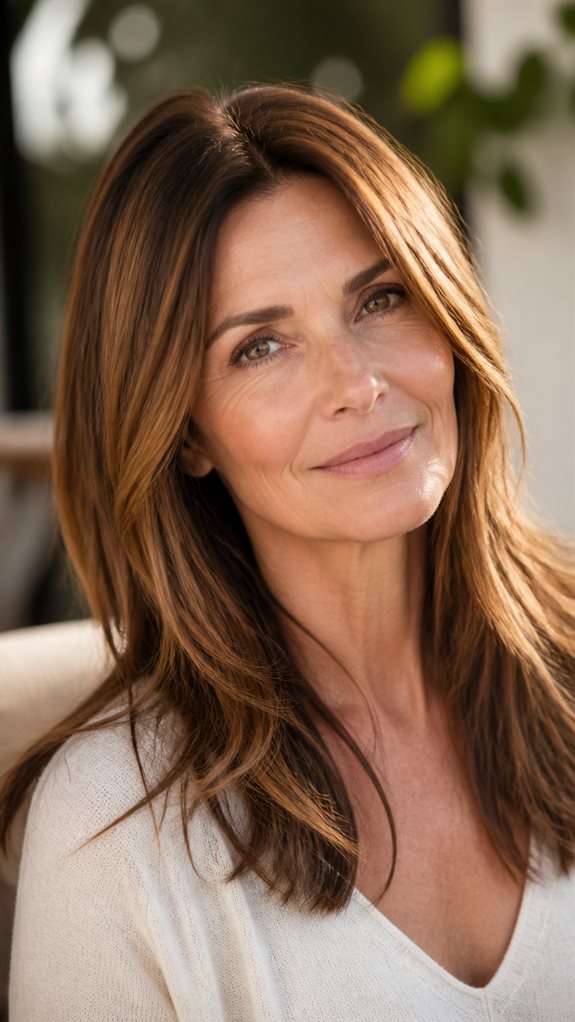
Toffee brown is usually a single-process demi-permanent color, no foils needed, which is the actual reason it costs less and takes less chair time than the balayage options above.
It blends with gray strands rather than needing to match them exactly, since the warm mid-brown tone sits close enough to most natural gray-brown mixes to look intentional.
A weekly deep conditioner keeps the color from looking dull between the six-to-eight-week gloss appointments that maintain it.


Icy Platinum Blonde With a Modern Edge
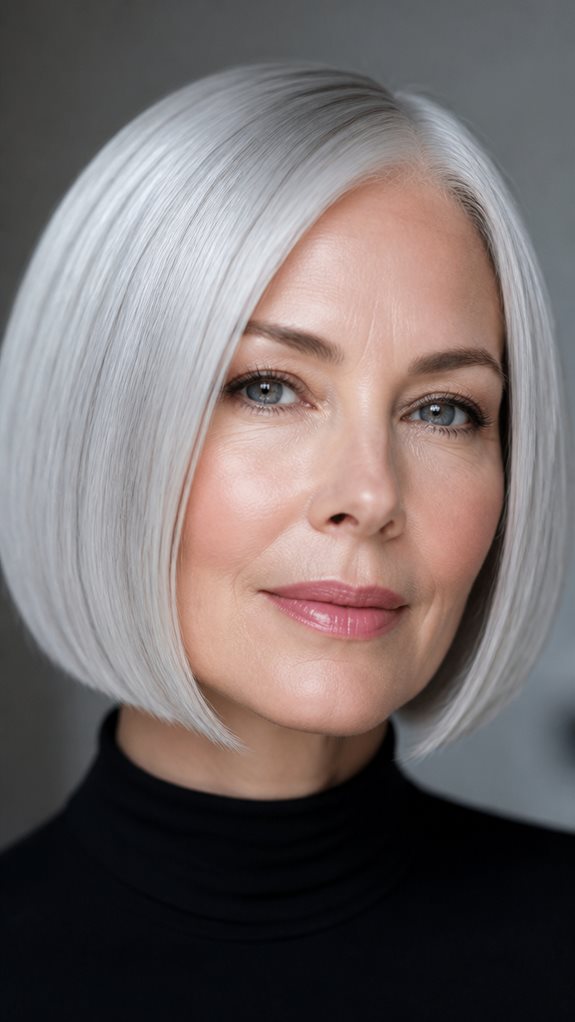
Unlike the natural silver in the section above, this is a chemically lightened platinum for hair that isn’t already gray or white, which means actual bleach lift rather than just toning.
Going more than a few levels lighter in one sitting risks real breakage, so a dark base usually needs two or more sessions spaced weeks apart rather than one long appointment.
If your natural growth is already white or light gray, you likely only need toning to reach this same result, without the bleaching that darker hair requires.


Warm Walnut Brown That Enhances Hazel and Green Eyes
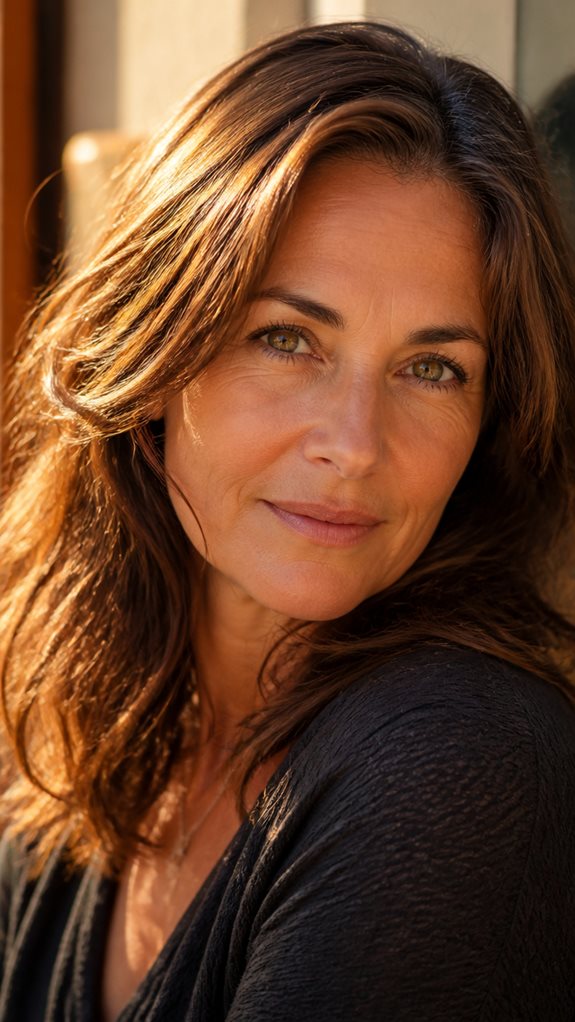
Gold and caramel highlights woven through a walnut base pull out the gold and earthy flecks in hazel and green eyes, since those tones sit close to green on the color wheel and intensify it by contrast.
On hair that’s grown finer with age, this kind of dimensional highlighting creates the visual illusion of more thickness, since the eye interprets variation in tone as texture.
This combination works across straight, wavy, and curly textures without needing to change the technique, since it’s the color placement doing the work, not the cut.

Soft Lavender Gray for a Trendy, Youthful Twist
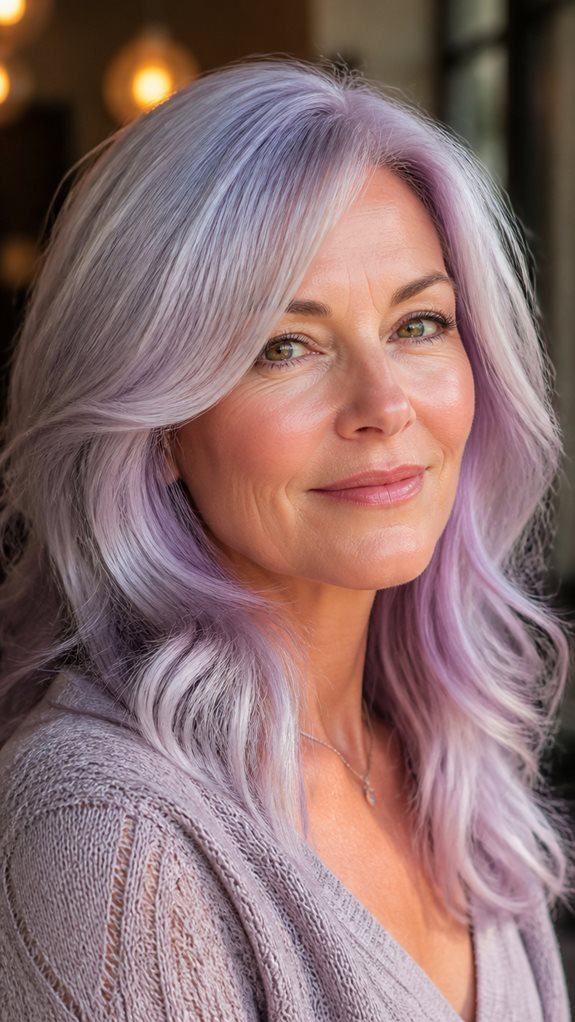
This is a semi-permanent violet-tinted wash applied directly over light gray or white hair, with no lightening step needed since it’s a direct dye rather than a lift-and-tone process.
Because semi-permanent color has no developer in it, it fades on its own within four to six weeks, which makes it one of the lowest-risk ways on this list to test a fashion color.
It only shows up clearly on hair that’s already light. Darker gray or salt-and-pepper strands won’t absorb enough violet pigment to look lavender.


Golden Bronze Highlights for a Sun-Drenched Effect
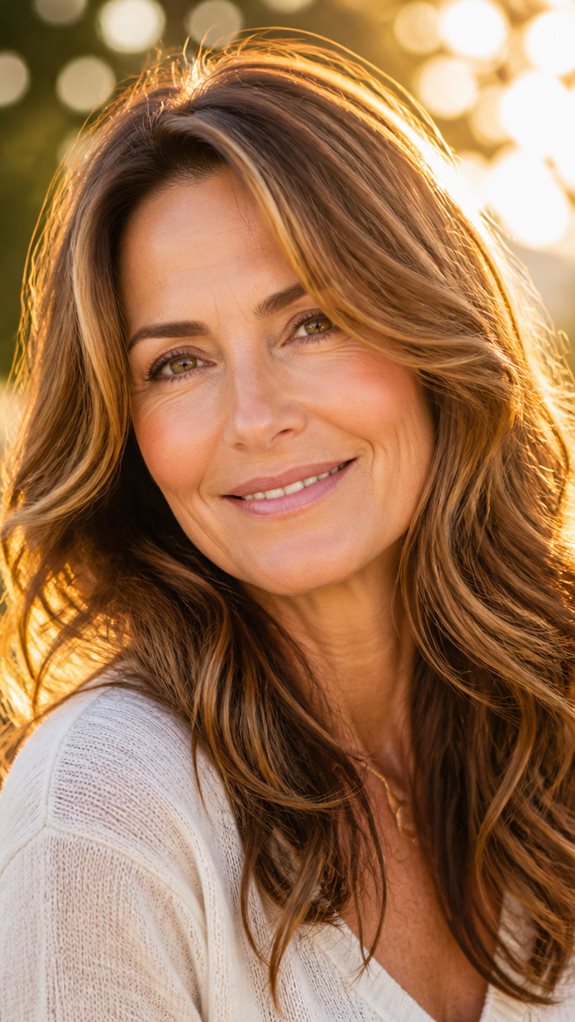
This combines two highlight tones, a lighter gold and a slightly deeper bronze, rather than the single tone most highlight services use, which is what gives it more dimension.
Balayage and foiling both work for this technique. Foils place the two tones more precisely; balayage blends them more loosely for a softer effect.
A colorist can shift the ratio of gold to bronze by season, leaning warmer in summer and pulling it back in cooler months without redoing the whole head.


Espresso Brown for a Rich, Polished Look
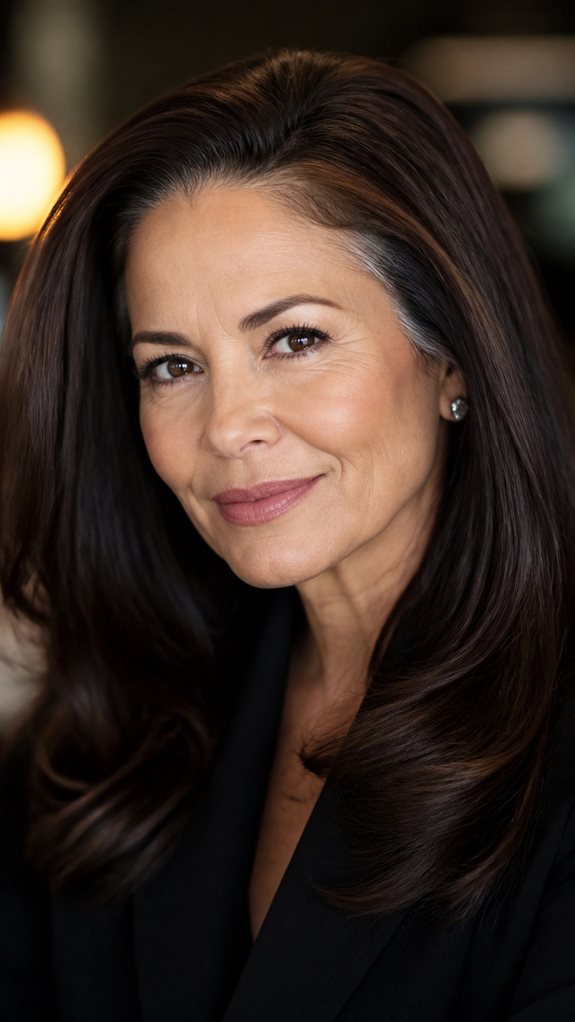
Espresso is a cool-toned deep brown, which reads softer against mature skin than true black does, since black tends to have a blue undertone that creates harsher contrast.
Glossing every four to six weeks preserves the depth and prevents the fade toward a flat, dull brown that deep shades are prone to.
Asking your colorist to weave in soft chocolate undertones keeps the espresso from looking like one solid block of color under direct light.


Natural Mushroom Brown for a Cool, Neutral Vibe
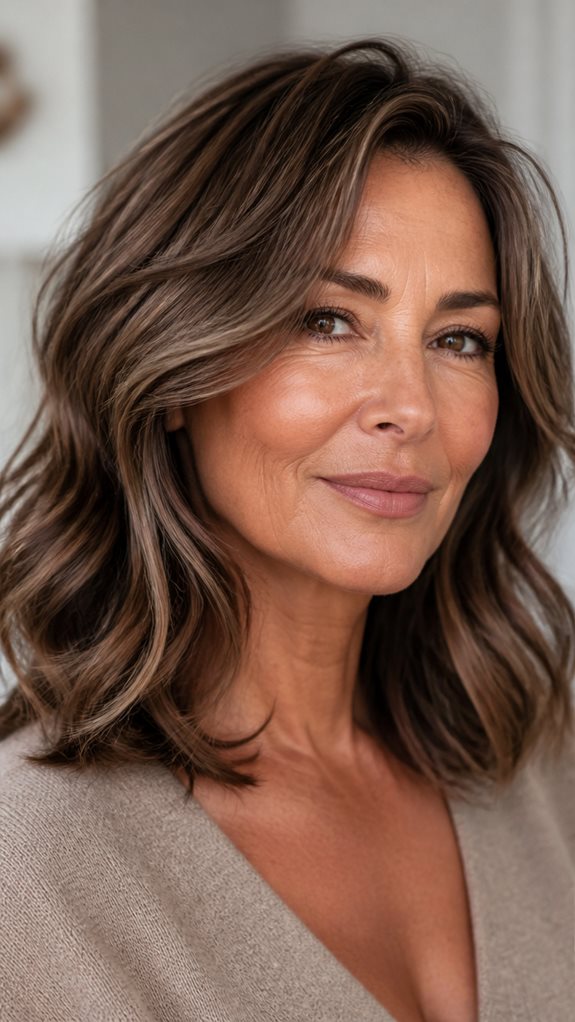
Mushroom brown mixes ash and beige tones specifically to cancel out both red and gold undertones at once, which is different chemistry from the warm caramel and honey shades earlier in this list.
It suits hair transitioning away from a warmer dye or moving into natural gray, since the cool base blends with silver strands rather than fighting them.
A purple or blue-toned shampoo used weekly keeps this tone from warming up between the toning appointments that maintain it every six to eight weeks.


Peekaboo Highlights That Add Dimension Without Commitment
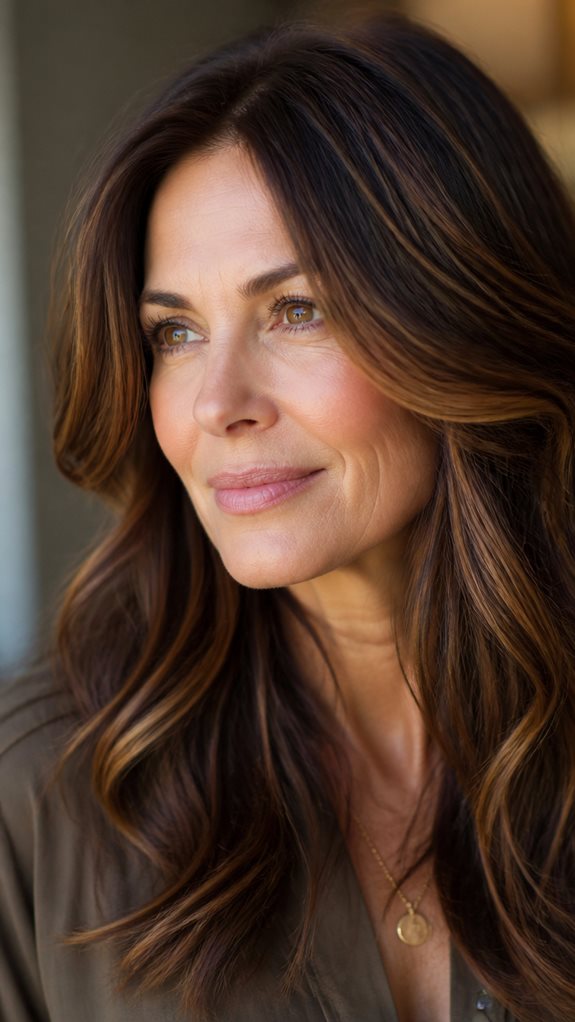
These highlights sit beneath the top layer of hair rather than at the crown, which is the real reason regrowth stays hidden longer than it would with all-over color.
Since the crown and part line are where new growth shows fastest, keeping color away from that area is what stretches appointments out rather than any special formula.
A toning gloss every six to eight weeks is usually all this technique needs, since there’s much less colored surface area to maintain than a full head of highlights.

Smoky Brunette With Cool, Ashy Undertones
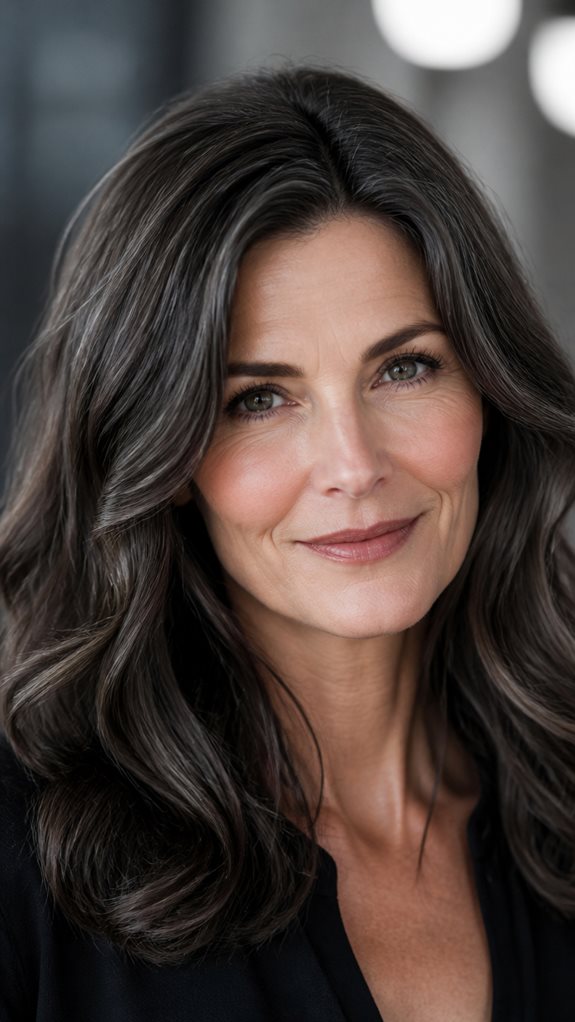
This stays a brunette base overall, unlike the ash blonde and silver sections earlier, but weaves an ash toner through scattered gray strands rather than lightening the whole head.
The ash toner neutralizes the yellow that gray strands can pick up when they sit against a warm brunette, turning what would look patchy into deliberate, dimensional pieces.
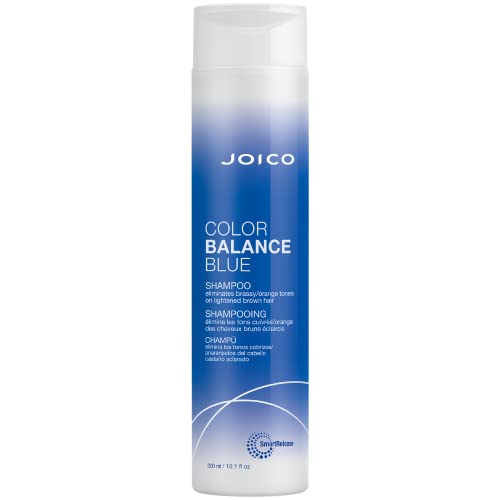
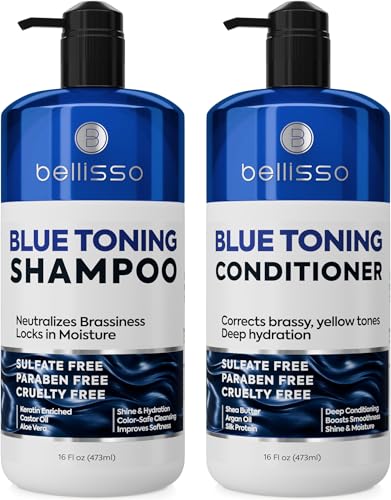
A purple or blue-tinted shampoo used weekly keeps unwanted warmth from creeping back into the tone between the four-to-six-week gloss appointments.

Toasted Almond Blonde for a Gentle, Flattering Transition
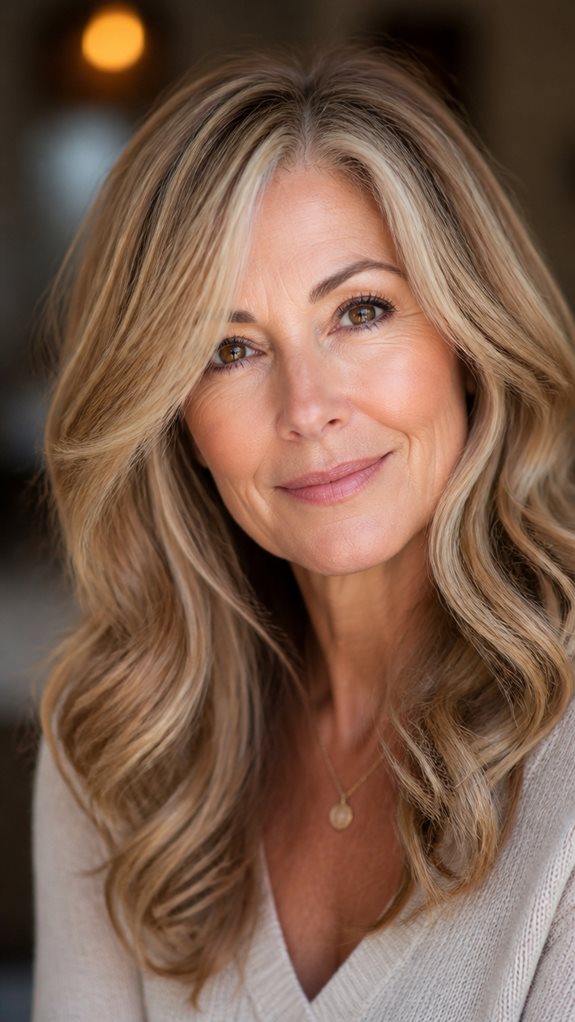
Toasted almond sits between rich brunette depth and the lighter tones many people move toward as their hair naturally lightens with age, which makes it a genuine bridge shade rather than a fixed endpoint.
Its honeyed, golden-beige tone warms up a cooler ash base without tipping into brassy territory, and it works alongside gray and silver strands instead of trying to cover them completely.
A toning gloss every four to six weeks keeps the balance steady, which is a lighter maintenance schedule than the fuller lightening processes earlier in this list require.


Subtle Copper Balayage That Brightens a Mature Complexion
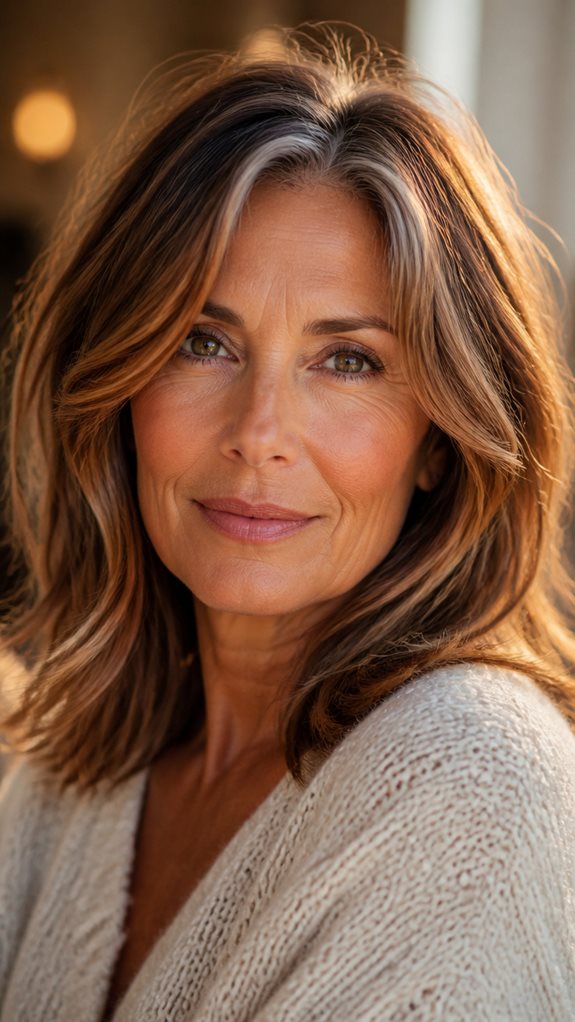
Placing copper only at the face-framing pieces, rather than through the whole head the way the earlier auburn shade does, means there’s less total pigment to fade unevenly over time.
Concentrated near the face is also where the warmth does the most to counteract any ashiness in the skin, without needing full coverage to get that effect.
Color-depositing shampoo weekly, plus a gloss every six to eight weeks, keeps this smaller amount of copper from looking patchy as it fades.


Blended Salt and Pepper for a Chic, Modern Finish
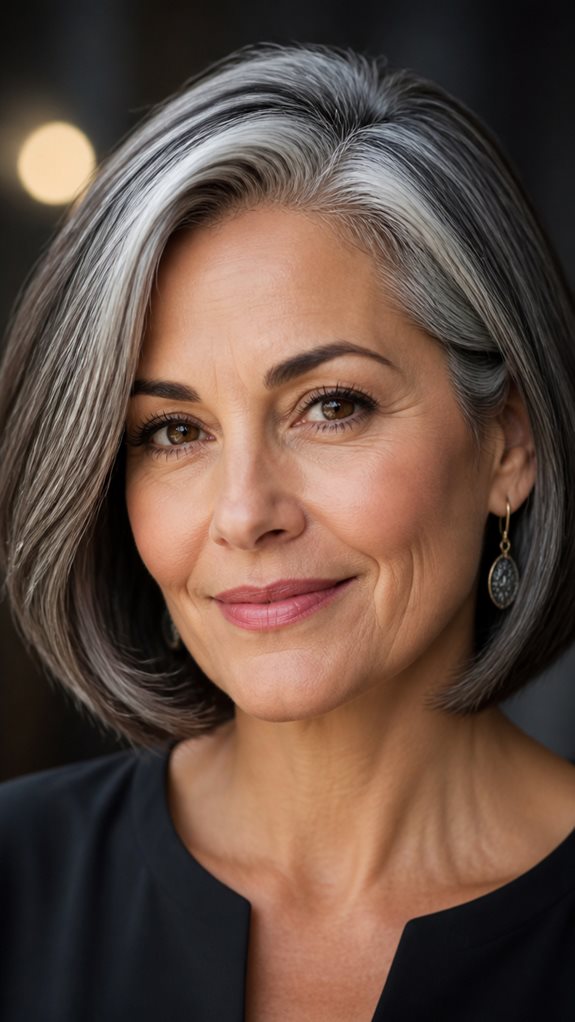
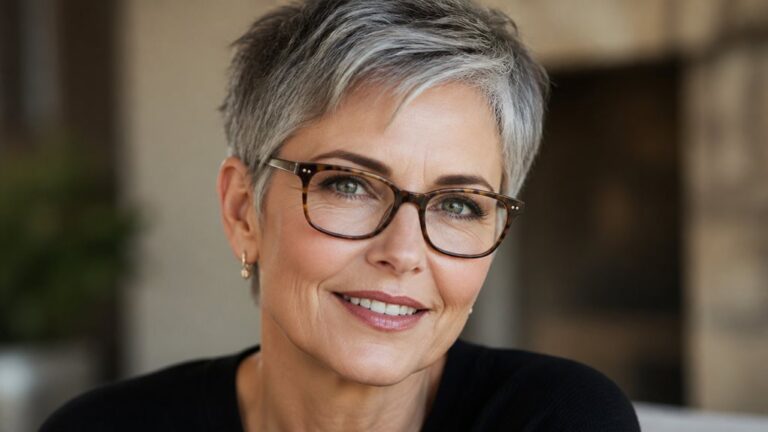
This is the one option on this list that often involves no dye at all, just a cut and styling approach built around the natural contrast between dark and silver strands.
A clear gloss with no pigment adds shine and softens the line between the two tones without changing the color itself, which is different from every toning step described above.
Texture-enhancing mousses and lightweight styling products do more visual work here than color would, since the goal is amplifying movement rather than adjusting tone.


Frequently Asked Questions
How Often Should Women Over 50 Touch up Their Hair Color?
A root touch-up every four to six weeks lines up with the roughly half-inch of hair that grows in that time. Balayage and babylights stretch further, closer to ten or twelve weeks, since there’s no hard color line at the root to blend.
Can Hair Color Damage Thinning Hair Common in Women Over 50?
Bleach is the real risk, since it breaks down the protein bonds inside the hair shaft. Demi-permanent color and glosses don’t lift the hair at all, which makes them meaningfully gentler options. Ammonia-free doesn’t mean damage-free if bleach is still part of the process.
Should Women Over 50 Consult a Colorist Before Dyeing at Home?
Box dye applies one fixed level of lift and deposit, which can’t be adjusted for uneven gray coverage the way a colorist mixes formulas by section. It’s especially risky over previously colored hair, since mixing dye chemistries can pull the color green or muddy instead of the shade on the box.
Does Hair Color Affect the Texture of Aging or Coarse Hair?
Bleach roughens the outer cuticle layer, which is what makes bleached hair feel coarser. Glosses and toners seal the cuticle instead of lifting it, so they can actually smooth texture. Gray hair is more porous than pigmented hair and grabs color unevenly, which is why colorists often pre-pigment it before applying the final shade.
What Vitamins Help Maintain Vibrant Hair Color in Women Over 50?
Biotin, B12, and vitamin D support overall hair health, but no vitamin prevents color from fading. UV exposure and how often you wash your hair affect fade far more than diet does, so a UV-protecting spray and fewer washes matter more day to day.
Final Thoughts
The technique behind a color matters as much as the shade name. Whether you’re blending gray at the root, going fully silver, or adding warmth through balayage, the maintenance schedule and the amount of lift involved are what actually determine how it looks and holds up week to week.
Bring a clear photo and ask your colorist to explain the process, not just the result, before committing to anything that requires heavy lightening. And if you’re due for a cut alongside the color, our low-maintenance hairstyles for women over 50 guide covers cuts that work with these same color techniques.