20 Haircuts for Thick Hair Over 50
Thick hair is a gift that turns into a chore around 50. Gray strands come in coarser and wirier, the weight drags at the nape, and a plain blunt cut puffs out into a triangle by lunchtime.
The fix almost always happens inside the haircut. These haircuts for thick hair over 50 use internal layering, point cutting and carving to take out bulk while keeping the shape, and each one comes with what to ask your stylist for.
1. Layered Bob With Internal Weight Removal
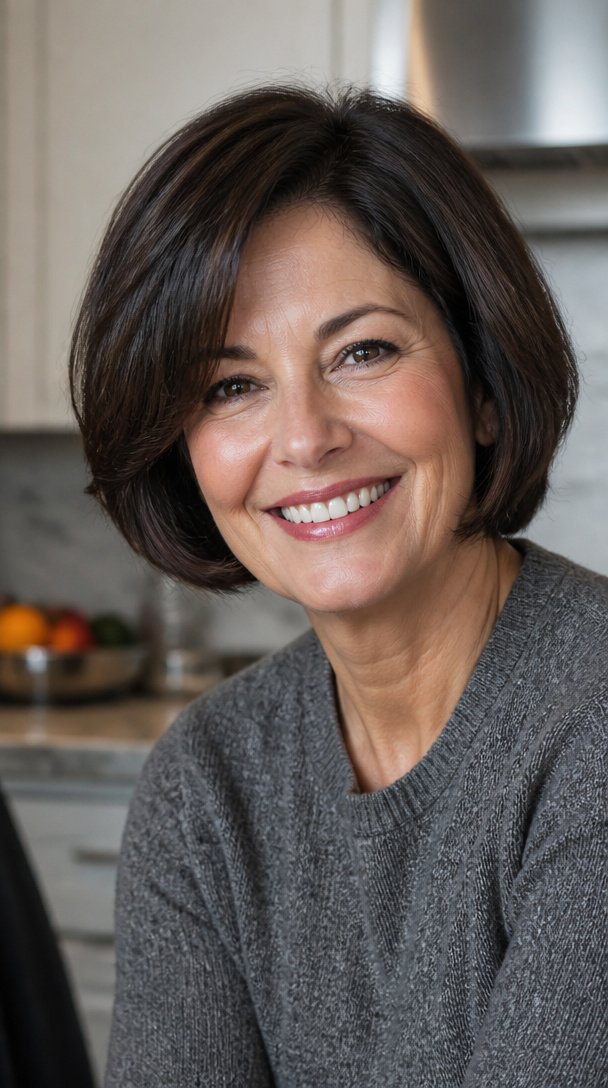
A layered bob removes weight from underneath while the outside stays smooth. You get a rounded shape that moves, without the choppy look of short visible layers.
Ask for weight taken out at the crown and nape. Those two spots hold the most bulk on thick hair.
Internal layers grow back in, so the cut starts to feel heavy again after about eight weeks. Book the next trim before you leave the salon.


2. Textured Silver Pixie
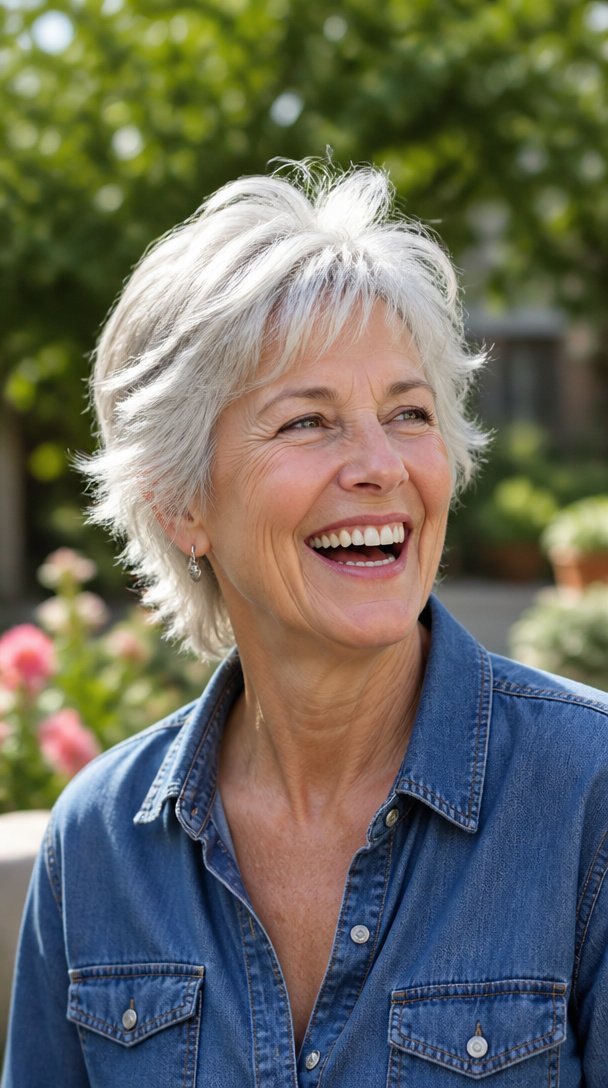
Thick silver hair can look like a helmet in a smooth pixie. Choppy layers and wispy, feathered ends break it up so the cut looks light.
Work a matte paste through dry hair with your fingertips and pull a few pieces forward. Shine products make coarse silver look stiff.
Short, dense hair grows out of shape fast. A pixie needs cleaning up every five to six weeks.


3. Long Layers for Thick Wavy Hair
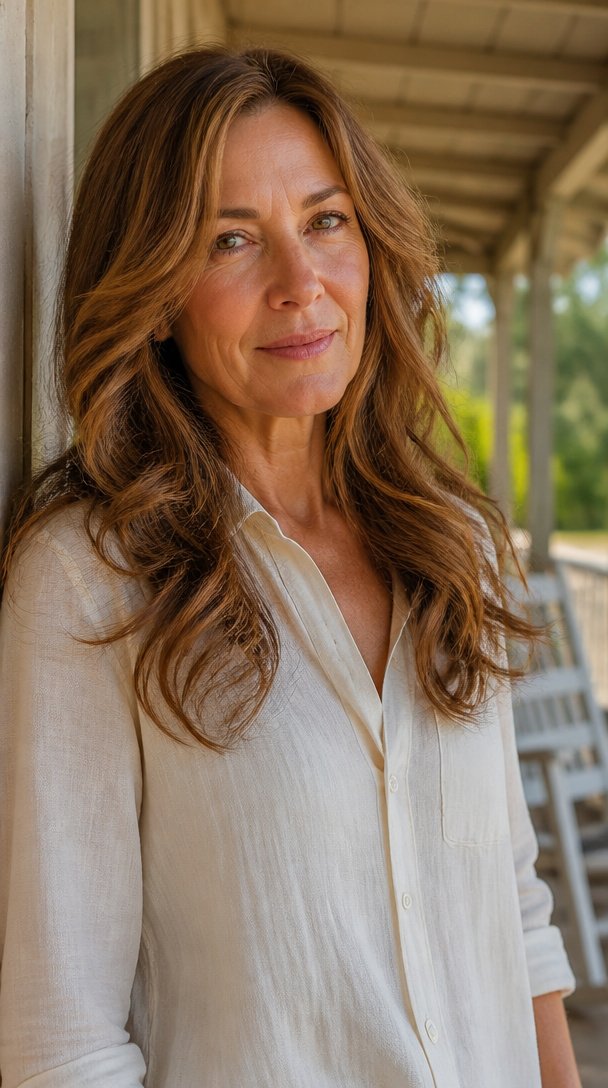
You can keep your length. Gentle long layers take bulk out of thick waves so they fall loose instead of fanning out at the bottom.
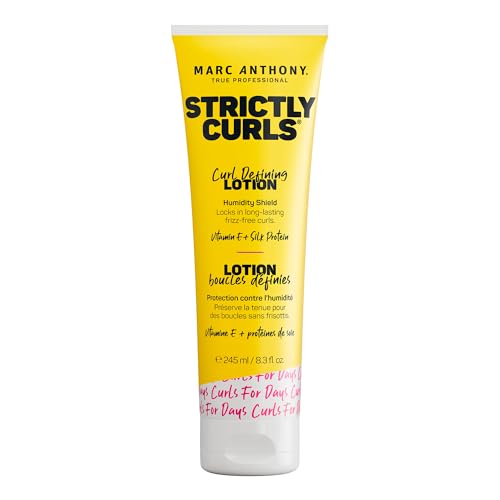
Air-dry with a light curl cream, scrunching once. Brushing dry waves turns thick hair into frizz.
Very long thick hair takes a long time to dry, and damp hair at the nape can stay wet for hours. The guide to long hairstyles for women over 50 has more ways to wear the length.


4. Point-Cut Lob

Point cutting means snipping up into the ends instead of straight across. On a thick shoulder-length lob, it softens the hemline so the ends look light and textured.
A soft bend at the ends with a large round brush is all the styling it needs.
A straight blunt line on the same hair looks heavy and square. If your stylist tends to cut blunt, request a point-cut finish.


5. Shaggy Bob
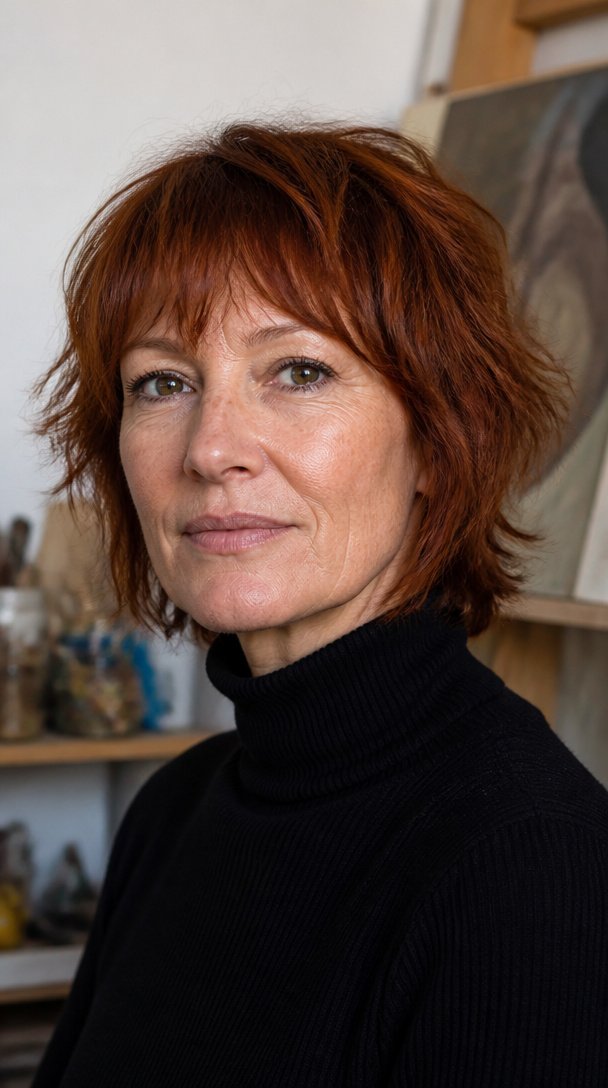
A shag needs a lot of hair to look its best, which is why thick hair wears it so well. Choppy layers all over and a wispy fringe give it a lived-in texture.
Rough-dry with your fingers and scrunch in a texture spray. The messier it looks, the better it works.
Pin straight thick hair can make the layers look stepped. A shag suits thick hair with at least a little bend in it.


6. Carved Curly Shape
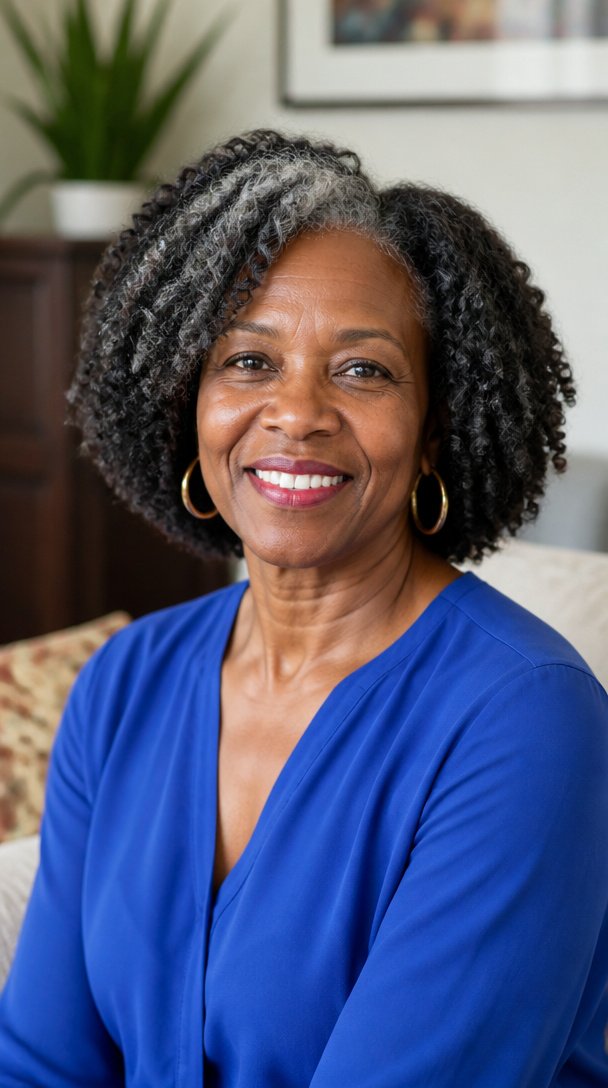
Carving cuts into curls at different lengths so they nest together. On thick coils, it keeps the shape rounded instead of flat on top and wide at the bottom.
Find a stylist who cuts curls dry, one curl at a time. A wet cut on thick curls can shrink into a shape you didn’t ask for.
Gray coils are drier than the rest. Seal them with a leave-in and a little oil on wash day.


7. Bob With a Hidden Undercut
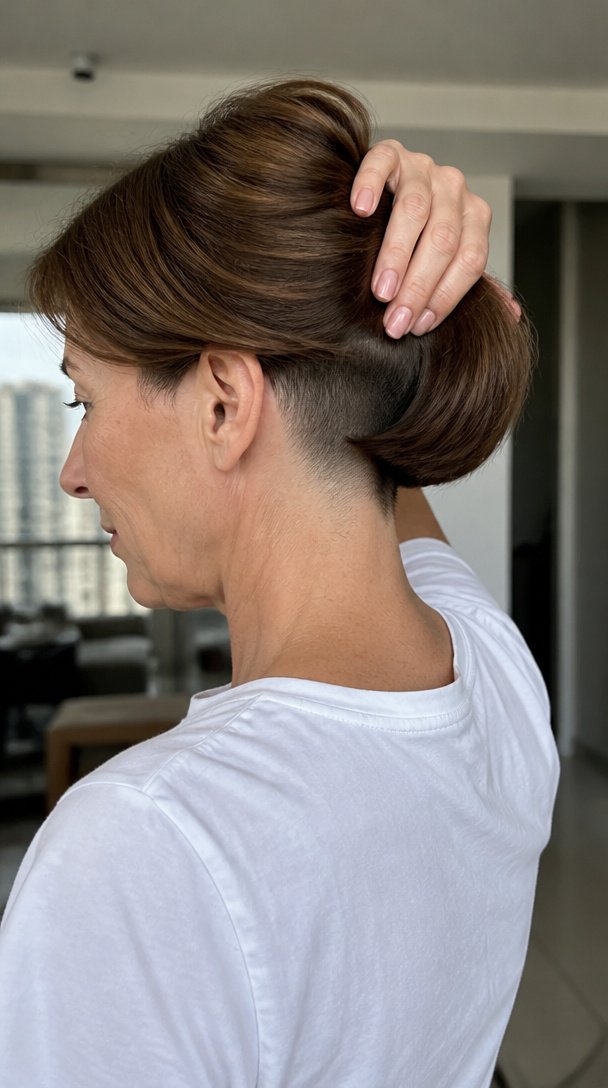
An undercut clips a section short at the nape, under the bob. It takes out the bulkiest part of thick hair, and no one sees it unless you lift your hair.
Your bob lies flatter at the back, and it dries much faster.
The clipped section shows when you wear your hair up. It needs a quick buzz every four weeks to stay neat.


8. Collarbone Cut With Curtain Bangs

Curtain bangs pull some of the weight forward and frame the face. With thick hair cut to the collarbone, they break up a wall of hair around the cheeks.
Have your stylist thin the bangs from inside. Thick bangs cut straight sit heavy on the forehead.
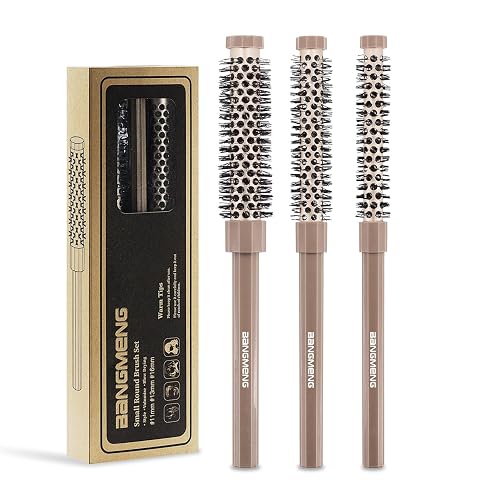
Dry the bangs first, rolling each side outward with a small round brush. They set in place within a minute.


9. Medium Modern Shag
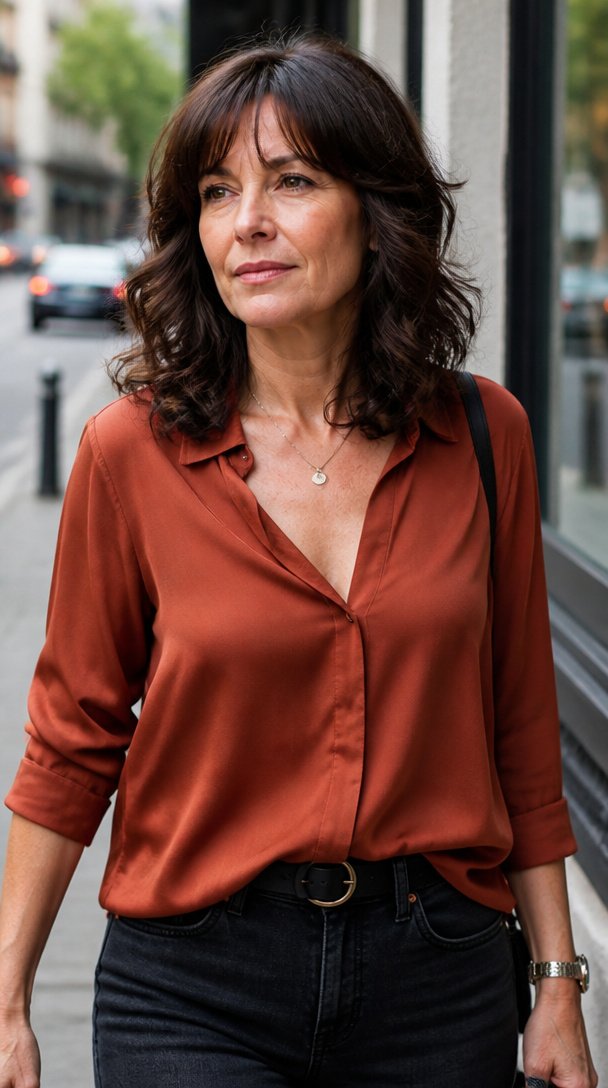
A shoulder-length shag keeps enough length to tie back and enough layers to stay light. Airy layers at the crown stop thick hair from sitting flat on top and wide below.
Diffuse wavy hair on low heat and let the layers find their own shape.
For more medium cuts, the medium haircuts for thick hair collection shows 22 shapes.


10. Tapered Cut With a Stacked Back

Tapering the nape short and stacking the back gives thick hair a rounded profile. The bulk moves up to the crown, where it looks like volume instead of weight.
Salt-and-pepper hair looks good this short, since the mix of colors adds dimension to a simple shape.
A close taper on thick hair shows a cowlick at the nape. Mention any cowlicks before the clippers come out.


11. Textured Bixie

A bixie sits between a bob and a pixie, ending just below the ears. On thick hair, choppy layers keep it from looking round and full like a mushroom.
A side-swept fringe softens the forehead and gives the shape a direction.
The bixie and shag cuts for women over 50 show 21 more versions of the shape.


12. Long Layered Silver Waves
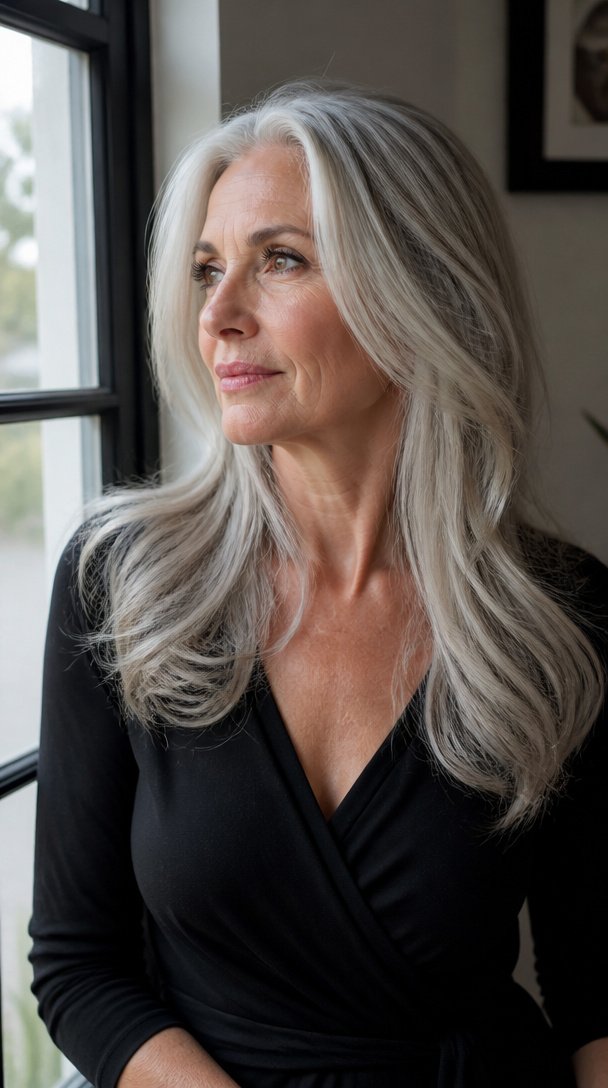
Thick silver hair worn long and layered shows off the natural shine. The layers stop coarse gray strands from sticking out at the ends.
Use a silver shampoo once a week for a cool, bright tone, and a heavier conditioner on the other washes.
Coarse gray hair soaks up humidity. An anti-frizz cream keeps the waves defined. The guide to gray hairstyles for women over 50 has more silver looks.


13. Side-Part Lob With Slice Layers
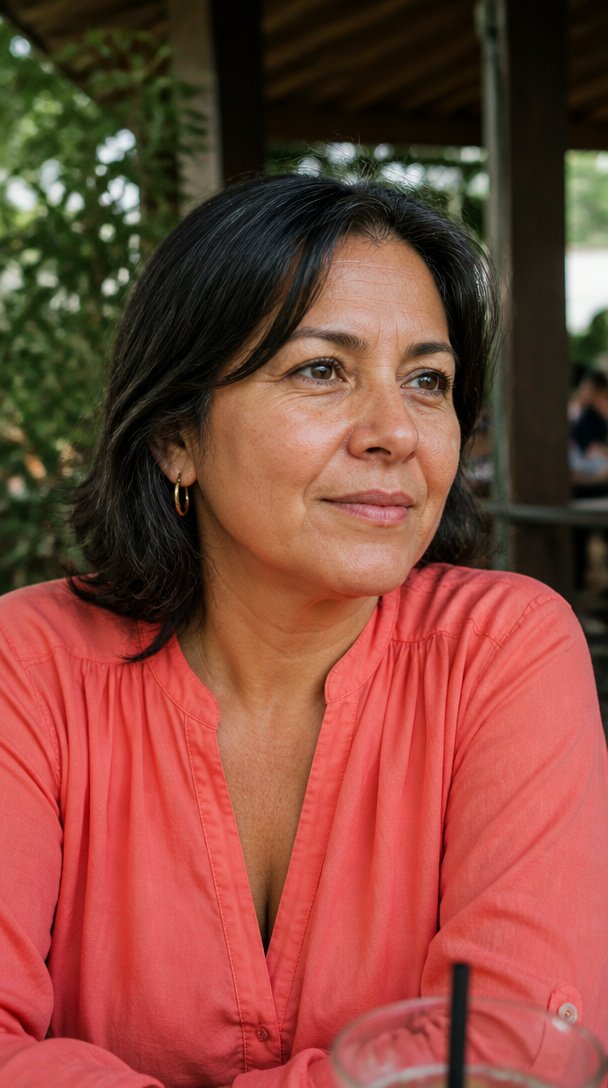
Slice cutting glides open shears down the hair at an angle. It removes weight without leaving visible layers, so a lob looks smooth and lies flatter at the sides.
A deep side part adds height on one side and looks polished with very little styling.
Slicing suits straight and loose-wave hair. On tight curls, it can cause frizz along the cut lines.


14. Italian Bob

The Italian bob is built for thick hair. It sits between chin and collarbone with heavy, rounded ends that swing when you move.
A round-brush blowout and a drop of shine oil give it the full, glossy finish.
It takes a real blowout to look right, about 15 minutes on thick hair. For bobs that need less, see the bob haircuts for women over 50.


15. Asymmetrical Pixie
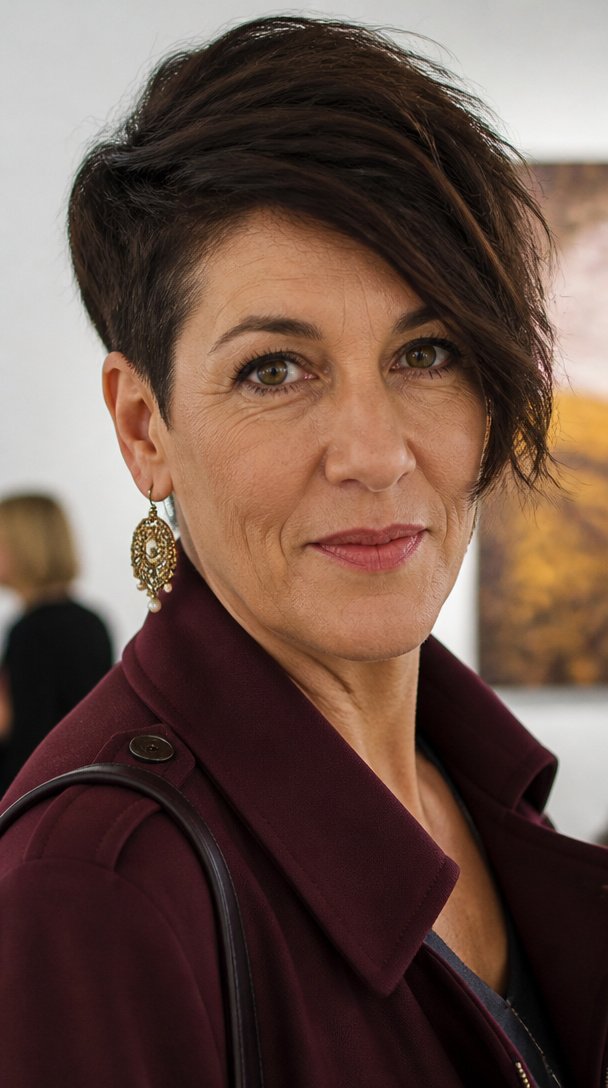
Short on one side and long on the other, an asymmetrical pixie gives thick hair a shape with an edge. Texturizing the long side keeps it from sitting heavy over the eye.
Statement earrings on the short side finish the look.
The long fringe needs a trim every four weeks or it starts to cover your eye. Growing the cut out to one length takes two or three visits.

16. Long Face-Framing Layers on Straight Hair
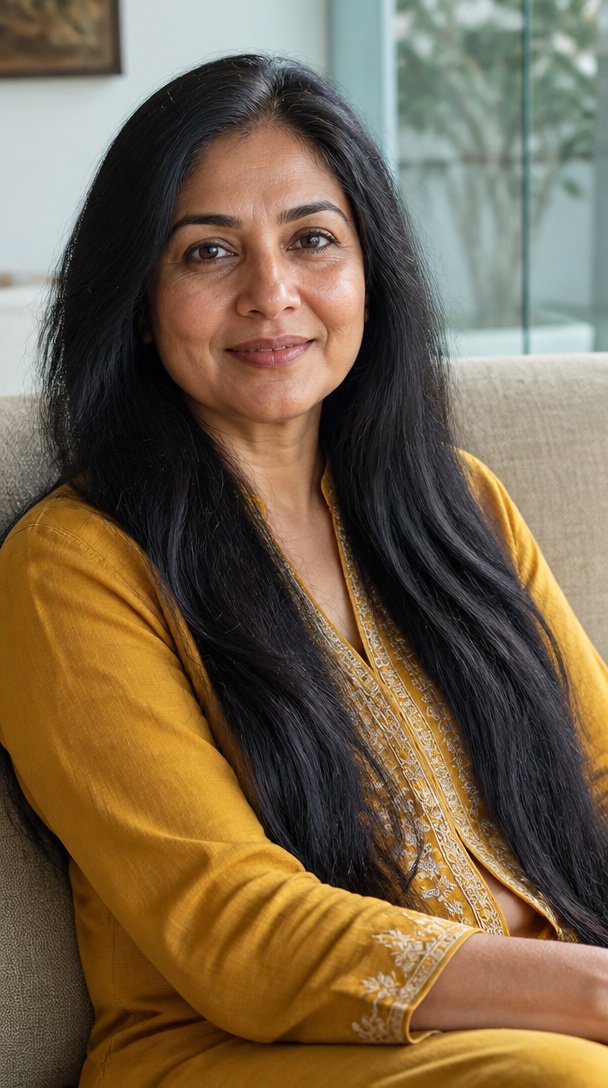
Long, thick, straight hair can feel like a curtain. Face-framing layers that start at the cheekbone open it up around the face, and lighter long layers through the length let it fall smooth.
A drop of oil on the ends keeps straight hair glossy.
Thick straight hair pulls on the scalp when it’s very long. If you get headaches from a ponytail, a few inches off the length helps.

17. Shoulder-Length Cut With Bottleneck Bangs

Bottleneck bangs start narrow at the center of the forehead and widen around the cheeks, like the neck of a bottle. They sit between a full fringe and curtain bangs.
On thick hair, the narrow center keeps the bangs from looking heavy, and the sides blend into shoulder-length layers.
Bangs on thick hair spring up as they dry. Blow-dry them flat with a paddle brush right after washing.


18. Short Textured Crop for Coarse Gray Hair
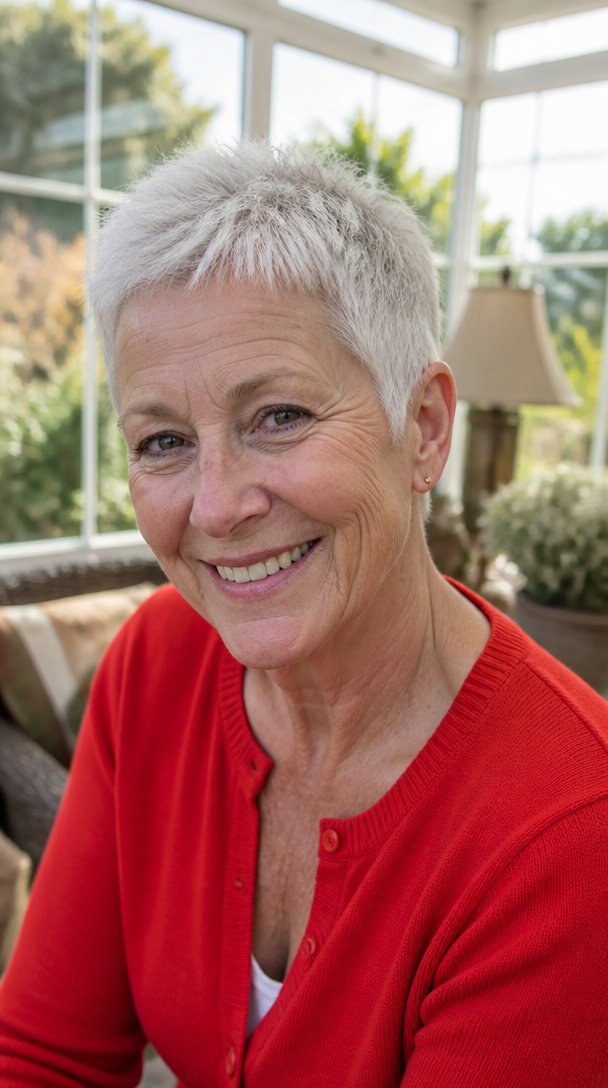
Coarse gray hair that sticks out at odd angles is hard to wear long. A very short crop lets the wiry texture work for you, with piecey length on top and close sides.
Styling takes a dab of paste and two minutes in front of the mirror.
This is a big change if your hair is long right now. The short haircuts for women over 50 show 23 steps in between.


19. V-Shaped Layers on Long Hair

Cutting the back of long hair into a soft V takes weight off the sides and lets the length taper to a point. Thick hair loses bulk without losing much length.
From behind, the shape looks tidy in a braid or a ponytail.
A deep V on thinner ends makes the sides look sparse. Thick hair is the right candidate. Thin ends suit a gentler curve.


20. Short Layered Curls
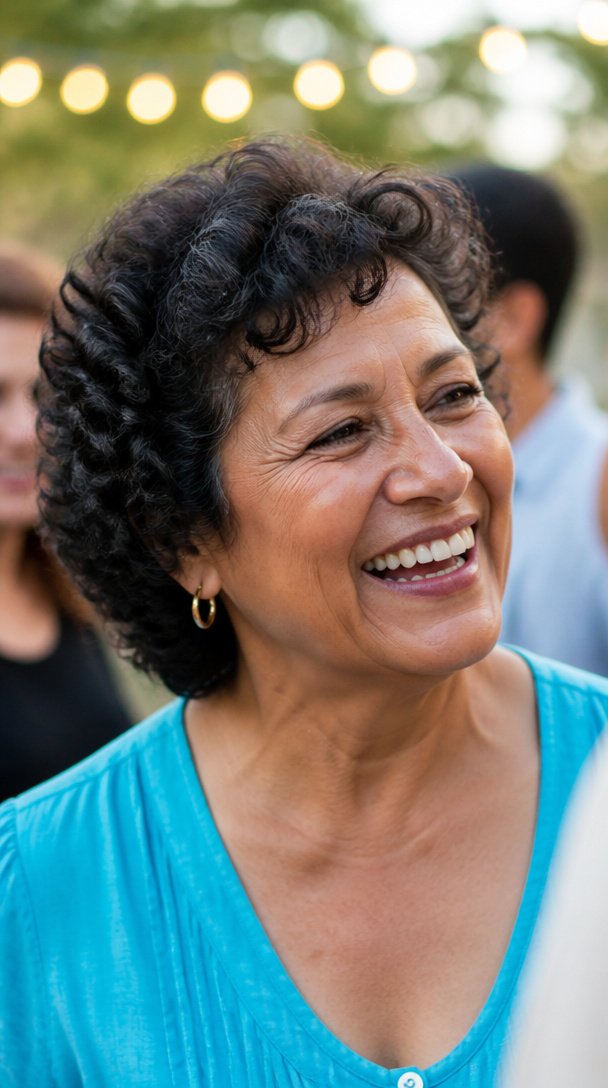
Thick curls cut short and layered keep their bounce and lose the weight that drags them down. The volume moves up to the crown.
Rake a curl gel through soaking-wet hair, then air-dry. Touching curls while they dry breaks them into frizz.
Short curls show every uneven snip. Go to a stylist who cuts curls dry so you can both see the shape as it forms.


What to Ask for at the Salon
Use the words that describe the technique. “Internal layers,” “point cutting” and “weight removal at the crown and nape” tell a stylist what thick hair needs.
Ask the stylist to avoid a razor on coarse gray hair. Razor cuts can leave the ends frayed and frizzy on that texture.
Bring a photo of the back of the cut you want. The back is where thick hair carries its bulk, and it’s the part you can’t see in the mirror.
Frequently Asked Questions
What Is the Best Haircut for Thick Hair Over 50?
A layered bob with internal weight removal suits most women with thick hair. It’s easy to style, keeps a rounded shape and doesn’t puff out at the sides.
Should Thick Hair Be Thinned Out?
Yes, but from inside the cut. Point cutting, slicing and internal layers remove bulk without the frayed ends that heavy thinning shears can leave.
Why Does My Hair Get Coarser After 50?
Gray strands often grow in with a different, wirier texture than pigmented hair, and they tend to be drier. A richer conditioner and an anti-frizz cream help calm them.
How Often Should Thick Hair Be Cut?
Every six to eight weeks for bobs and medium cuts, every five to six for pixies and crops. Long layered hair can go ten to twelve weeks.
Lighten the Load
Pick a length first, then a technique. Short cuts handle thick hair with texture and tapering, and longer ones need internal layers and a softer hemline.
Save a front and back photo of your favorite, and ask for the weight removal by name at your next appointment.